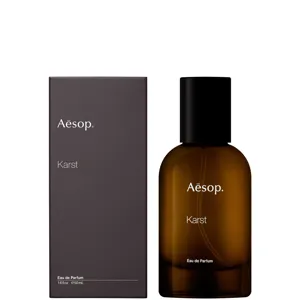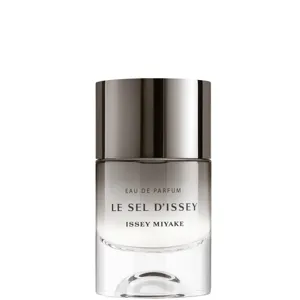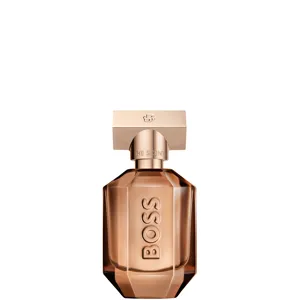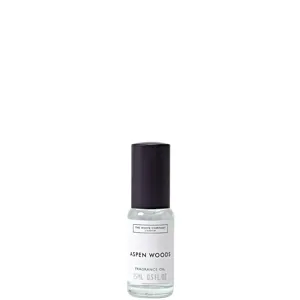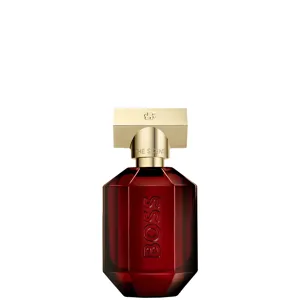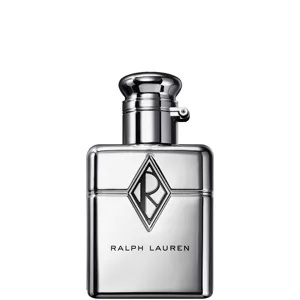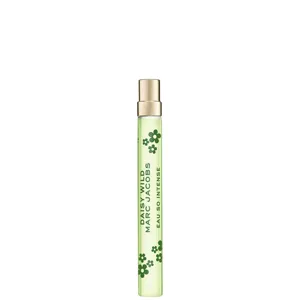

Two women can spray the same Eau de Parfum at 10am, walk the same city block, and smell completely different by lunch. That isn’t hype. Skin chemistry changes how a fragrance opens, blooms, and lingers. If you match the right note family to your skin and climate, your favourite scent will last longer and read truer. If you mismatch, it can turn sharp, vanish, or feel heavy.
We track fragrance interest across Australian retailers every summer and winter. Shifts in wishlists and repeat clicks look predictable: citrus and sheer florals spike during heatwaves, while plush ambers gather pace the moment evenings cool. That pattern tells a simple story. Your nose wants balance, and so does your skin.
This guide helps you choose an Eau de Parfum that suits your body chemistry. We map note families to skin types, pH, heat, humidity, and daily habits. We also explain testing methods that save you from buyer’s remorse. Then we point you to smarter ways to shop in Australia, where stock and pricing can swing by merchant and month.
Context: what “Eau de Parfum” really means on skin
Eau de Parfum sits between Eau de Toilette and parfum/extrait in strength. Brands blend a higher concentration of aromatic compounds in EDP than in EDT, so you usually get longer wear and a fuller heart. But concentration alone does not lock in performance. Your skin’s oil, moisture, temperature, and even the products you layer underneath shape the result.
Australia adds another variable: heat. Summer runs long, UV stays high, and humidity swings by region. Fragrance molecules respond to warmth. They lift faster, project stronger, and disappear sooner in hot air. In cooler, dry conditions, they often sit closer to the skin and last longer. The same EDP can feel breezy in Brisbane and dense in Hobart.
Retailers matter too. Local counters don’t always get the same batches at the same time. Some launches land at Mecca, Sephora Australia or MYER first, then filter to Priceline or Chemist Warehouse months later. We monitor these shifts so you can time your buy and avoid paying a premium. Add any favourite to your GlamGeek wishlist and we’ll ping you when the price drops or stock returns.
{{IMAGE:woman testing perfume on wrist}}Start with chemistry: oil, pH, and heat
Fragrance clings to oil. Oily skin often gives you stronger projection and better longevity because the scent has more to hold onto. Dry skin drinks perfume and throws it off faster. If your scent vanishes fast, moisturise first with an unscented lotion. Oily or well-conditioned skin can often carry bolder woods, amber, and gourmand notes without turning them sour.
pH sits next in line. Skin tends to sit slightly acidic. If yours runs more acidic, bright citrus can skew bitter and some white florals can sharpen. If yours runs less acidic, musks and powdery notes may lean “cleaner”. You don’t need lab tests. Your nose gives you feedback: if lemon turns pithy or orange goes thin on you within minutes, look to neroli, petitgrain, or green tea notes instead of straight citrus.
Heat changes speed. Warmer skin pushes top notes out fast. Cooler skin slows them. If you run warm, you may love the mid and base of an EDP but never get there before lunch. Solve it with technique: spray one mist on fabric or hair mist alternatives, or choose an EDP with a strong heart/base structure that isn’t all sparkle upfront.
Match note families to your skin type
Each family behaves differently on skin. Use these tendencies as a starting point, not a hard rule. Always test on your own wrist or inner elbow and let it settle for two hours.
Citrus and aromatic (bergamot, grapefruit, mandarin, basil, mint): These open bright and airy. They can feel sharp on very acidic or very dry skin. In heat they flash fast, then fade. If you want staying power, look for citrus anchored by tea, musk, or woods. Better yet, try Eau de Parfum blends that tuck citrus into a floral or woody heart. Browse our Eau de Parfum Perfumes for citrus-tea profiles that behave well in summer.
Sheer florals (peony, lily of the valley, freesia): Light florals flatter most skins but can turn soapy on oilier complexions. If peony smells squeaky-clean on you, balance it with rose, jasmine, or a soft musk. Brands like Lancôme and Estée Lauder often pair airy florals with musks for better wear in heat.
White florals (tuberose, jasmine, gardenia): These bloom strong on warm skin. They can feel lush and heady in humidity. If you love them but fear overwhelm, seek EDPs that add green stems or citrus at the top, or a dry woody base to ground the bouquet.
Woods and vetiver (cedar, sandalwood, vetiver): Woods love oil. On dry skin they can sit scratchy. On moisturised skin they smooth out and last. Vetiver reads earthy or fresh depending on your pH; if it smells like pencil shavings, try sandalwood-led scents for creamier depth.
Amber, vanilla, tonka, and gourmands: Sweet, warm notes get bigger on warm skin. They shine on cool evenings and in air-conditioned offices. If these go cloying on you, try “airy ambers” that use ambroxan or iso-e super molecules for lift, or a vanilla framed by citrus zest or salt.
Musks: Some people barely smell clean musks due to anosmia. If musks vanish on you, don’t chase them blind. Test first, or choose EDPs that pair musk with woods or a soft floral, so you still perceive structure.
Climate check: living with heat, UV, and humidity in Australia
Summer heat magnifies scent. It also speeds it up. In Darwin-level humidity, bright top notes can disappear by the time you reach the car. In Perth’s dry heat, citrus stays zesty longer but still fades faster than you think. In Melbourne’s four-seasons-in-a-day, you need balance.
Practical moves: spray clothing when you can. One mist on the collar, scarf, or the inside of a blazer helps the scent last without overheating the skin. Choose fabrics wisely. Natural fibres hold scent well. Wash scarves and collars often to avoid scent build-up.
Mind UV. Citrus essential oils like bergamot and some cold-pressed citruses can be phototoxic on sun-exposed skin. Most modern EDPs avoid risky concentrations or use FCF (furocoumarin-free) oils, but caution still pays off. Spray behind ears, on hair mists, or on clothing rather than forearms if you’ll be in harsh sun. Pair your fragrance with high protection from our SPF Protection Products category. Let sunscreen set before you spritz; filters can warp the opening of a scent.
Cold snaps flip the script. Winter tightens pores and dries skin. Moisturise first, add a second light mist, and lean into woods, amber, and soft smoke. They sit closer and feel comforting in cool air.
Layering, prepping, and application that respects chemistry
Moisturise before perfume. Fragrance sticks to hydrated skin. Choose an unscented body lotion or a lotion in the same scent family. If your EDP offers a matching body cream, that pairing often smooths transitions and extends wear. If not, use neutral shea or glycerin-based formulas to avoid clashing.
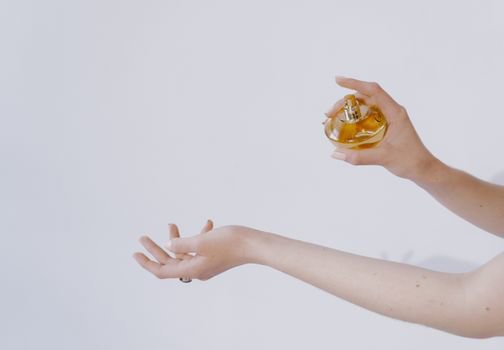
Don’t rub your wrists together. Heat and friction burn off top notes and muddle the opening. Spray and let it settle. If you must distribute, tap gently. For hot days, try the “cloud method”: spray a light mist in the air and walk through. It gives a veil, not a hotspot.
Pulse points still work—wrists, inner elbow, base of throat. For long days, add one mist under clothing at the chest or on the waistband. Fabric slows evaporation and protects the scent from sun. When you want aura without a trail, spritz behind the knees or lower back under clothing.
Hair carries scent well. Alcohol can dry strands, so reach for dedicated hair mists when possible. If you spray EDP near hair, keep distance and protect the lengths with leave-in conditioner. You can also spray a hairbrush once, let it air for a few seconds, then brush through.
Storage matters. Heat and light break formulas down. Keep bottles in a cool cupboard, not on a sunny vanity. A stable bottle smells better for longer and keeps its colour and clarity.
Sample smarter: tests that reveal real-life wear
Blotters lie. They help with quick triage, not with wear. Always test on skin. Try two sprays max and give it three checkpoints: 10 minutes, 90 minutes, and 4 hours. That covers top, heart, and base on most EDPs. If you still enjoy it at hour four, you have a match.
Test morning and evening on different days. Morning heat and sunscreen can change the opening. Evening skin may be drier but cooler, which can improve structure. If an EDP only works at night, file it as a dinner scent. If it shines at noon, it can be your office workhorse.
Try the T-shirt test. Spray the inside hem of a cotton tee. Smell it again at the end of the day. Skin chemistry can mask or twist a base you love on fabric. If you adore the dry-down on cotton but not on skin, layer with a neutral moisturiser and one mist on clothing to split the difference.
Ask for samples in-store or look for official mini sizes. When stock proves patchy between Mecca, Sephora Australia, Adore Beauty, MYER, or Chemist Warehouse, samples save time and petrol. Add the full size to your GlamGeek wishlist while you test the vial. We’ll alert you if a better price or fresh stock appears.
Note families by lifestyle: desk, dinner, and weekend sport
Office: You need quiet projection and clean trails. Think citrus-tea, airy musks, light rose, and soft woods. If your office runs warm, avoid thick ambers. Many classics from Clinique and Shiseido lean clean and tailored, which helps in close quarters. A single mist on the chest under clothing keeps you polished without fogging a lift.
Dinner and dates: Heat from conversation and food lifts sweet notes. Choose white florals with green stems, rose with spice, or amber with salt. If your skin runs warm, drop one spray and place it lower on the torso. That keeps the sillage elegant and stops overwhelm at the table.
Weekend sport and errands: Sweat amplifies citrus and aromatics for a short burst, then they fade. If you want freshness that lasts through a market run and brunch, try citrus anchored by woods or musk. Spray clothing rather than bare warm skin. Keep a travel atomiser, but resist topping up while flushed; wait until skin cools a little.
Occasions and weddings: Feel free to go plush if the venue sits cool and the dress code runs formal. Amber-vanilla, sandalwood, and polished chypre families feel timeless. If your skin turns oakmoss or patchouli sharp, look for modern chypre styles that swap heavy moss for musks, ambroxan, or cashmeran.
Brand touchpoints: classics that teach your nose
Some houses specialise in clear, structured bases that help you learn what suits your skin. Guerlain leans into vanilla, tonka, and plush musks. Those elements create round, lasting bases on moisturised skin and blossom in cool air. If vanilla goes heavy on you, sample a Guerlain scent on fabric as well as skin to compare.
Estée Lauder often builds luminous florals with solid musky or woody foundations. If you love florals but they fade fast on you, this structure can add hours. Lancôme favours gourmand facets and iris. These notes hug the skin on cooler evenings and read friendly in office AC.
Clarins and Clinique skew fresh, green, and herbal. If your body heat eats citrus in an hour, look for tea, green leaves, and gentle aromatics from these ranges. They behave well in humidity without turning sharp.
House style matters when you can only test a few at a counter. Use the GlamGeek brand pages above to shortlist before you head out. Then add finalists to your wishlist so you can track stock swings between local merchants.
{{IMAGE:perfume bottles flatlay}}Hormones, diet, and skin products: small things that change a lot
Hormonal shifts change oil production and skin temperature. Many women notice fragrance reads sharper in the days before a period and softer mid-cycle. During perimenopause and menopause, heat spikes can push top notes out fast. If this sounds familiar, refine placement. Skip wrists and neck on very warm days. Go for clothing or the back of the knees under a skirt for a gentle trail.
Diet nudges scent too. Coffee, spice, garlic, and alcohol can warm the skin or change sweat odour. If a favourite EDP smells “off” after a big night or a curry lunch, don’t write it off. Test it again on a quieter day before you decide.
Body products can fight with fragrance. Rich, scented body lotions create a base note you didn’t plan for. Sunscreens can push citrus bitter while they set. Keep your prep neutral if you want the perfume to lead. If you crave matching, pick a lotion in the same scent family. Many houses sell coordinating creams that boost performance without clashing.
EDP vs EDT vs extrait: how to pick the right strength for you
EDT opens faster and feels brighter. It suits hot days and quick errands. EDP gives more heart and base, with better wear in variable climates. Parfum or extrait sits rich and close; it can feel perfect in winter or for formal nights, but heavy outdoors in summer.
If your skin drinks perfume, EDP gives you more to hold. If you wear scent at work in summer heat, EDT or a sheer EDP with airy musks helps. If you want intimacy and no trail, parfum dabbed low under clothing works well. Keep the same scent in two strengths if you love it. EDT for day, EDP for dinner. Our Eau de Parfum Perfumes page helps you compare names and concentrations across merchants in one place.
Shopping smart in Australia: stock, pricing, and timing
We monitor fragrance availability across Mecca, Sephora Australia, Adore Beauty, MYER, Priceline, and Chemist Warehouse. Stock cycles, gifts-with-purchase, and quiet markdowns pop up in different places. You don’t need to refresh six tabs each week. Use our price comparison and wishlist tools to watch the name you want and we’ll flag movement.
Timing helps. Many houses push coffret sets before Mother’s Day and Christmas. If you already love an EDP, a set with a matching body lotion stretches performance and value. If you’re still testing, start with official minis. They sell out fast at popular counters, then reappear a few weeks later. Wishlist them on GlamGeek and we’ll alert you when stock returns locally.
Beware decants that don’t disclose batch or condition. Heat can spoil a bottle in transit. Buy from reputable merchants and store your bottle well when it arrives. If a favourite launches overseas first, wait for local stock when you can. The “Australia tax” can sting, but parallel imports sometimes cut costs at the expense of return rights or tester access. Our comparison view shows who holds local warranty and who lists import stock, so you can decide.
Troubleshooting: when your EDP still doesn’t work
If a fragrance turns sour, check prep. Switch to an unscented moisturiser and let sunscreen set for 15 minutes before spritzing. Move placement to clothing or hair mist. Reduce sprays in heat.
If an EDP disappears, moisturise, increase to two sprays under clothing, and test in cooler parts of the day. Consider a related scent with a stronger base. If you love an orange blossom EDT that fades, try an EDP version with musk and woods underneath.
If a note gives you a headache, it might be indoles in white florals or certain aroma chemicals. Sample related scents that swap those for green stems, watery florals, or powdery iris. Keep tests small and spaced apart. Fragrance fatigue tricks your nose after three or four tries in-store.
If colleagues complain, your sillage runs hot. Drop the pulse points and go for one spray under clothing at the midriff. Choose a skin scent style with musks, tea, and soft woods. Many options from Clinique and Shiseido sit close yet polished.
What this means for your next buy
Your skin type, pH, and temperature guide you to the right family and strength. Dry skin loves moisturiser plus woods or musks to hold the blend. Warm skin needs smart placement and balanced structures that don’t blow off in heat. Humid climates suit green, tea, and airy musks; cooler months reward amber and sandalwood. None of this locks you in. It just gives you a head start and saves money.
Use your nose and a notepad. Track what happens at 10 minutes, 90 minutes, and 4 hours. Note where you sprayed and what you layered underneath. Then cross-check our Eau de Parfum Perfumes list to find kin scents that share the parts you loved. Add front-runners to your GlamGeek wishlist to catch stock swings between Sephora Australia, MYER, Mecca, and the chemists without babysitting tabs.
Final thoughts before you spritz
Great perfume doesn’t fight your body. It flatters it. When the match clicks, you stop chasing top-ups and start enjoying the day. The right Eau de Parfum feels like a second skin—present, but not pushy—and it holds steady through your coffee, commute, and dinner plan.
Which note family loves your skin, and which turns tricky? Tell us the last EDP that surprised you—for better or worse—and add your next tests to your GlamGeek wishlist so we can watch prices for you.