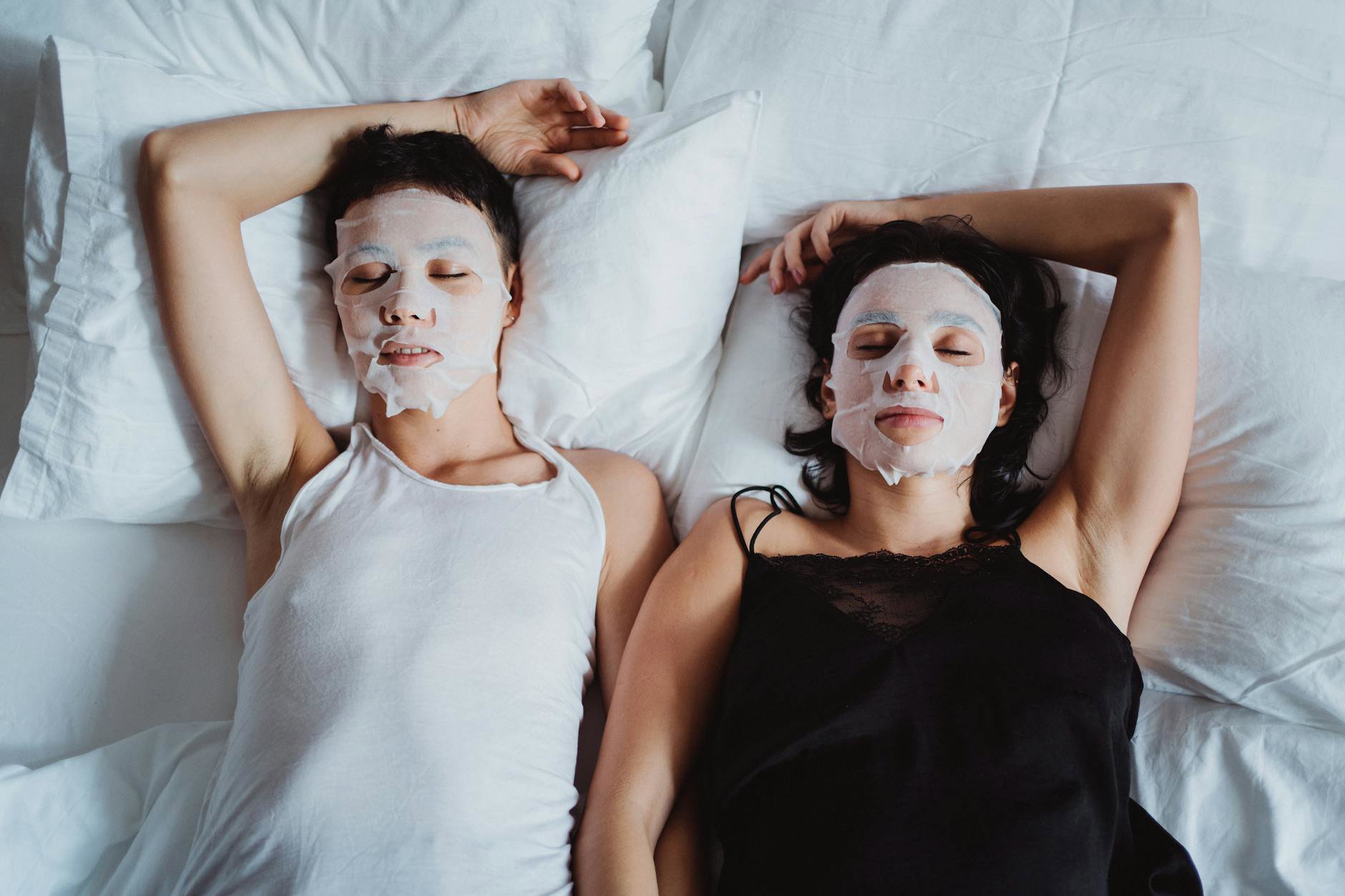
Not usually. In most cases, leaving a face sheet mask on overnight dries the sheet out, then pulls moisture back out of your skin and risks irritation.
There are exceptions, but they depend on the mask material, the serum load, and your skin’s tolerance. Most sheet masks sold in Australia still sit firmly in the “10–20 minutes” camp, even when the marketing hints at longer wear.
Here’s the practical answer: if you want overnight hydration, you want a product designed for extended occlusion. If you want the quick-hit glow and calm of a sheet mask, stick to the timing on-pack and use the leftovers smartly.
Why overnight sheet masking usually backfires
Sheet masks work because they trap a layer of watery serum against the skin for a short window. That “occlusion” reduces evaporation, so humectants can hydrate and soothing ingredients can settle redness.
But occlusion has a tipping point. Once the sheet starts drying, it can flip from “helps water stay in” to “encourages water to leave.” In skincare terms, you risk transepidermal water loss increasing after the sheet dries.
That’s the part people miss.
Over-wear also increases friction and contact time. A mask edge rubbing along the nose or jaw for hours can trigger irritation, especially if you already run reactive. In an Australian context, add warm bedrooms, summer humidity in the north, or overnight air-con drying in the south, and your skin can swing either sweaty or parched.
Our price tracker also shows a big span in what “sheet mask” even means at checkout, from the Innisfree Energy Mask from A$3.00 to luxury options like the 111SKIN Celestial Black Diamond Lifting And Firming Treatment Mask from A$196.00. Price does not automatically equal “safe to sleep in.” Timing still matters.

What actually happens if you leave a sheet mask on too long
Best case, you waste product. Worst case, you wake up with tightness, redness, or a fresh breakout.
When the sheet dries, your skin can feel “crispy.” That sensation often comes from water evaporating off the sheet and the skin surface. If you’re using a mask loaded with humectants, you may also feel tacky residue that attracts lint and bacteria from pillowcases.
Longer contact time also changes how active ingredients behave. Exfoliating acids can move from “mild smoothing” to “stinging and barrier stress” when you stretch wear time from minutes to hours. That’s why we treat exfoliating sheet masks as a strict-timer category.
Use this simple risk guide:
- Hydrating/soothing masks: Over-wear mainly risks drying-out and irritation from prolonged contact.
- Brightening masks with vitamin C or botanicals: Over-wear raises the odds of sensitivity if your skin reacts to brighteners or fragrance components.
- Exfoliating masks with acids: Over-wear can trigger redness, peeling, and a compromised barrier.
- Multi-section “lifting” styles: Over-wear increases friction and pressure marks, especially around the hairline and jaw.
If you only remember one thing, make it this: a sheet mask should come off while it still feels wet and comfortable.
Which sheet masks from our list are the worst (and best) candidates for long wear
We’ll keep this strict: every pick below comes from the face sheet masks list we track. No category creep.
A hard “no” for overnight: exfoliating hydrogel
The Zitsticka Press Refresh Hydrogel Exfoliating Sheet Mask (from A$39.20) sits in the highest-risk bucket for sleeping in. The brand description calls out “exfoliating acids” plus “skin soothers,” aimed at texture and breakouts.
Acids plus hours of occlusion can equal irritation. If you want this style of mask, set a timer and treat it as a targeted treatment night, not an overnight add-on.
Better for extended comfort (still not “sleep in”): watergel and soothing sheets
If you want a mask that tends to feel comfortable for the full recommended wear window, look for “soothe” language and gentle hero ingredients.
The Skin1004 Madagascar Centella Watergel Sheet Ampoule Mask (from A$14.11) focuses on centella asiatica and claims it helps minimise the look of redness. Watergel formats also tend to cling well, so you can get an even serum film without constant slipping.
The Innisfree Energy Mask (from A$3.00) also leans soothing, with heartleaf extract and a 100% biodegradable sheet. It reads like a classic “calm and hydrate” option for people who want a low-commitment mask night.
Luxury masks: pricey doesn’t mean longer wear
High-end sheet masks often load in concentrated actives and richer serum textures. That can feel more cushiony, but it does not make overnight wear a default safe choice.
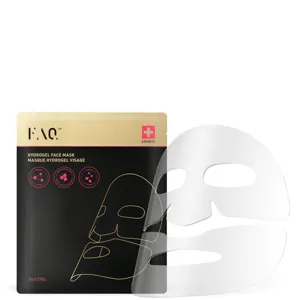
The Foreo Faq Glass Skin Collagen Face Mask (from A$135.24) positions itself around concentrated actives, hydration, and a “lasting glow” for firmer, plumper-looking skin. Great goals. Still, extended occlusion can overwhelm acne-prone or reactive skin.
The same caution applies to the 111SKIN Celestial Black Diamond Lifting And Firming Treatment Mask (from A$196.00), which uses a multi-section design intended to refine and target areas of the face. Multi-section masks can leave pressure lines if you sleep on your side.
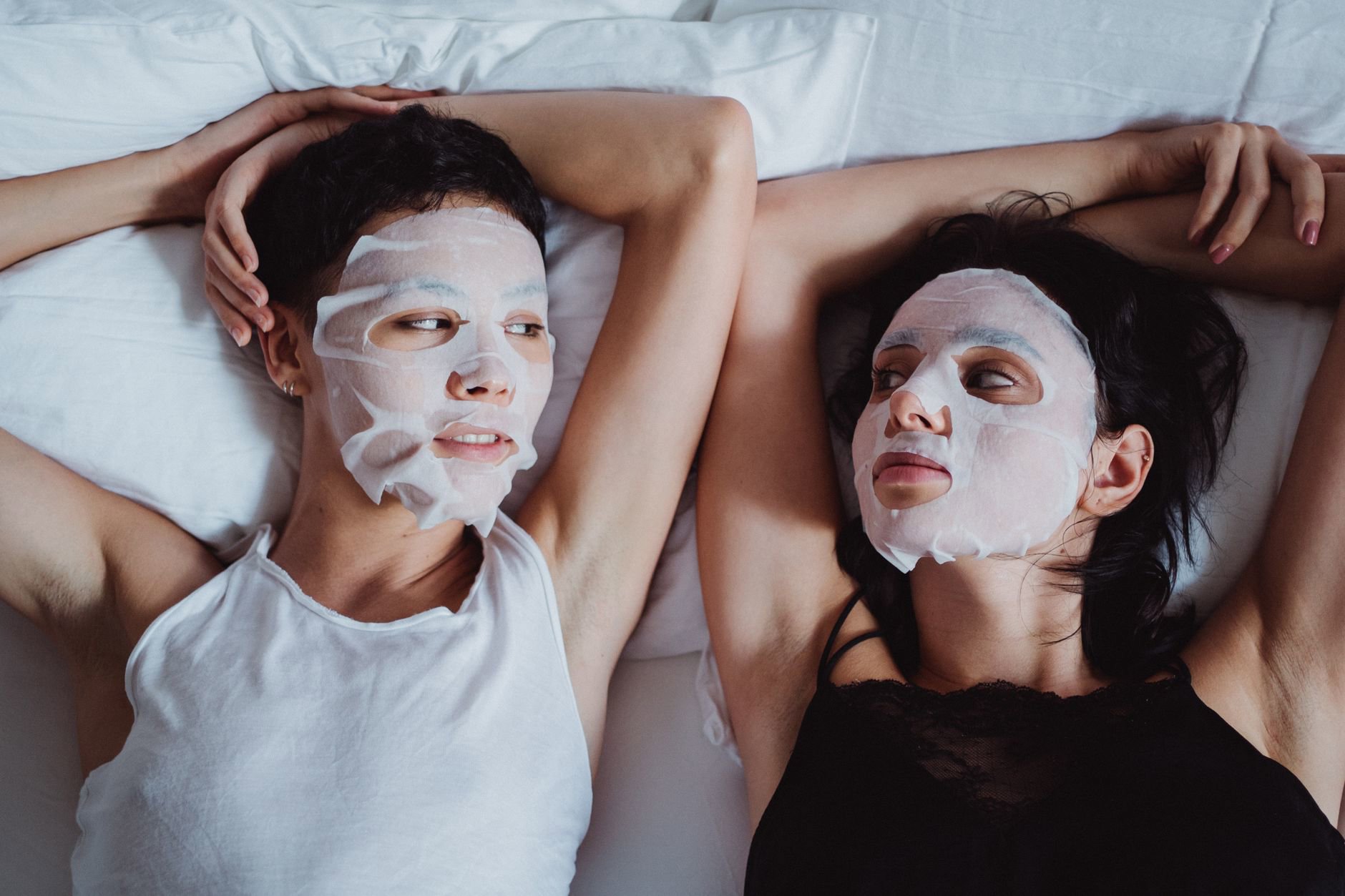
Timing rules that actually work (by skin type and climate)
Most sheet masks perform best when you treat them like a sprint, not a marathon. That means you pick a time window, then remove before the sheet dries.
Here’s a timing framework we use when we sanity-check mask claims across retailer listings like Mecca, Sephora Australia, Priceline, Chemist Warehouse, Adore Beauty, and MYER. Packaging varies, but skin behaviour stays consistent.
- Oily or breakout-prone: 10–15 minutes. Enough for hydration, less time for occlusion-related congestion.
- Normal/combination: 15–20 minutes, then remove while still damp.
- Dry or dehydrated: 15–25 minutes, but only if the sheet remains wet. Dry rooms with heating or air-con shorten this window.
- Sensitive or redness-prone: 8–15 minutes on first use, then adjust upward if your skin stays calm.
Hot night? Shorten the wear time. Sweat under a sheet mask can feel soothing in the moment, then leave you congested by morning.
Dry winter air? You still should not sleep in it. You should remove it earlier, because sheets dry faster in low humidity.
If you want a “longer session” without the overnight risk, do this: apply the mask, then lie down for 15 minutes and keep the room cool. Simple.
Ingredient-specific guidance: collagen, heartleaf, centella, vitamin C, acids
People search “overnight sheet mask” because they want results. Ingredients matter, but contact time changes the risk profile.
Heartleaf + calming complexes: usually the safest category
Heartleaf shows up in two masks on our list, which makes comparisons easier.
The Innisfree Energy Mask calls out heartleaf extract and positions itself as soothing and hydrating, with a biodegradable, vegan-certified sheet. That is the kind of mask we would keep as a “reset” option after a day of high UV exposure, heat, or wind.
The ANUA Heartleaf 70 Soothing Collagen Mask (from A$31.36) adds HEARTLEAF+™, a Python Calming complex, and a collagen blend. It also describes an essence-infused gel sheet that turns clear and transparent on skin. That format often encourages people to push wear time longer, because it feels comfortable.
Comfort still isn’t a green light for overnight. Treat it as “longer within reason,” not “sleep in it.”
Centella asiatica: redness-focused, timer-friendly
The Skin1004 Madagascar Centella Watergel Sheet Ampoule Mask centres centella asiatica and claims it helps minimise the look of redness. This ingredient tends to suit people who flush easily, over-exfoliate, or react to weather swings.
Use it on nights when your skin feels “hot.” Remove it before it dries, then press in remaining serum from the packet.
Vitamin C + brighteners: patch-test logic applies
The MZ Skin Vitamin Infused Facial Treatment Mask (from A$152.36) includes Aloe Leaf, Liquorice Extract, and Vitamin C, plus Hyaluronic Acid to attract and retain moisture. That mix targets inflammation, texture, and glow.
Vitamin C can sting on compromised barriers. Wearing it for hours increases that chance. Keep this one squarely in the recommended-time lane.
Exfoliating acids: never an overnight experiment
The Zitsticka Press Refresh Hydrogel Exfoliating Sheet Mask spells it out: exfoliating acids for texture and breakouts. That is a timer mask. Full stop.
Who should avoid sleeping in a sheet mask (and who should be extra cautious)
Some people can over-wear a gentle sheet mask and only get mild dryness. Others pay for it with a week of barrier drama.
We’d put these groups in the “don’t do it” category:
- Acne-prone or congestion-prone skin: Extended occlusion can trap sweat and sebum and encourage clogged pores.
- Rosacea-leaning or easily flushed skin: Long contact time plus friction can amplify redness.
- Compromised barrier: If your skin stings with water, skip experiments. Keep timing short and soothing.
- Anyone using exfoliating acids in a sheet mask: That includes the Zitsticka exfoliating hydrogel.
Now the “extra cautious” group. This includes people who love sheet masks but should treat overnight wear as a rare, high-risk choice.
- Allergy-prone skin: More time on skin can mean more reaction opportunity.
- People who sleep on their side: Masks shift, crease, and rub. Pressure marks happen.
- Hot sleepers: Heat + occlusion can trigger irritation and breakouts.
- Anyone sharing bedding with pets: A tacky serum film can pick up hair and grime fast.
Also, if you plan to wear a sheet mask near the eye area while you sleep, consider the obvious: slipping matters. Keep masks away from lash lines if you feel drowsy.
Best-practice method: get the “overnight” payoff without sleeping in it
The goal behind overnight masking makes sense. People want maximum hydration, visible plumping, and calmer-looking skin by morning.
You can get close with better technique.
Step-by-step: the 20-minute “sleepy skin” routine
- Choose the right mask for your skin mood: Redness? Pick Skin1004 Madagascar Centella Watergel Sheet Ampoule Mask. Reactive and dry? Try Innisfree Energy Mask. Want a cushier, serum-rich feel? Consider ANUA Heartleaf 70 Soothing Collagen Mask.
- Set a timer immediately: 10–20 minutes for most people. Shorter if you feel tingling.
- Lie down, don’t wander: Movement dries the sheet faster at the edges and makes slipping more likely.
- Remove while still damp: If it feels dry at the chin or cheeks, you waited too long.
- Press, don’t rub: Use clean hands to press leftover serum in. Rubbing can pill and irritate.
- Use the packet leftovers strategically: Smooth the remaining essence over neck and décolletage, or use it the next day as a quick hydration layer.
That last step saves money. It also reduces the temptation to “get your money’s worth” by wearing the mask for hours.
How to pick a mask when you want results fast
For “glass skin” glow goals, the Foreo Faq Glass Skin Collagen Face Mask (from A$135.24) sits at the premium end in our merchant feed. It focuses on concentrated actives, hydration, and plumper-looking skin.
For brightening with soothing support, the MZ Skin Vitamin Infused Facial Treatment Mask (from A$152.36) calls out Aloe Leaf, Liquorice Extract, Vitamin C, and Hyaluronic Acid. Keep the timing tight. Let the formula do the work.
If you want a lower-cost option you can use more often, the Innisfree Energy Mask from A$3.00 looks like the sensible baseline: soothing, hydrating, and biodegradable.
And if your texture and breakouts need attention, keep the Zitsticka Press Refresh Hydrogel Exfoliative Sheet Mask (from A$39.20) in the “timer only” box.
Quick comparison table: which mask for which overnight concern
People ask about overnight wear because they want a specific outcome. Here’s a practical match-up using only the sheet masks we track in this category.
- Redness and irritation-prone nights: Skin1004 Madagascar Centella Watergel Sheet Ampoule Mask (from A$14.11) for centella-focused soothing.
- “Calm and hydrate” on a budget: Innisfree Energy Mask (from A$3.00) with heartleaf and a biodegradable sheet.
- Comfortable, serum-rich feel with a clear-on-skin sheet: ANUA Heartleaf 70 Soothing Collagen Mask (from A$31.36) with HEARTLEAF+™, a calming complex, and collagen blend.
- Glow + brightening support: MZ Skin Vitamin Infused Facial Treatment Mask (from A$152.36) with Vitamin C, liquorice, aloe, and hyaluronic acid.
- Plumper-looking, “glass skin” finish goals: Foreo Faq Glass Skin Collagen Face Mask (from A$135.24) for concentrated actives and hydration.
- Texture and breakout relief (strict timing): Zitsticka Press Refresh Hydrogel Exfoliating Sheet Mask (from A$39.20) with exfoliating acids and skin soothers.
- Lifted, toned look focus (special occasion energy): 111SKIN Celestial Black Diamond Lifting And Firming Treatment Mask (from A$196.00), a dual-component, multi-section mask set.
None of these require overnight wear to work. They require correct wear time and consistent use.
Practical tips you can use tonight
First: stop thinking of sheet masks as “sleep products.” Treat them as short-contact treatments that sit within skin care, alongside other mask formats in Face Masks.
Second: match the mask to the job. If you feel red and reactive, prioritise soothing formats like Innisfree Energy Mask or the centella-focused Skin1004 Madagascar Centella Watergel Sheet Ampoule Mask. If you want brightening, keep timing conservative with the MZ Skin Vitamin Infused Facial Treatment Mask. If you want exfoliation, set a timer for the Zitsticka Press Refresh Hydrogel Exfoliating Sheet Mask and remove it early rather than late.
Third: use the climate to guide you. Hot night equals shorter wear. Dry air equals earlier removal. Australia gives us both in the same week, depending on where you live.
For broader routine context, readers often pair masks with categories like SPF Protection Products during the day, or browse treatments like Anti Ageing Face Serums at night. Keep the sheet mask step itself simple and timed.
Sign-off: the safest answer, plus a better question
So, can you leave a sheet mask on overnight? You can, but you usually shouldn’t.
If you tell us your skin type (oily, dry, sensitive, acne-prone) and your main goal (calm, glow, texture, firmness), we can point you to the best-timed option from this sheet mask list and the price points our tracker sees across Australian retailers.