“Sleep in a bottle” sounds great. Our scepticism kicks in when the claim gets attached to an eye serum that costs more per millilitre than most Anti Ageing Face Serums.
Across Australian retailer feeds, eye products also show a pattern we see every year: high RRP, frequent promos, and tiny pack sizes that make “value” hard to judge at a glance.
So we’re committing to a take: most women don’t need a separate eye serum. But if you do, the right formula can solve a very specific problem fast, especially in Australia’s UV-heavy, often dehydrating conditions.
Eye serum marketing vs eye-area reality
The eye area behaves differently to the rest of the face. The skin sits thinner, loses water faster, and shows irritation quickly. That’s why “just use your face serum” sometimes backfires, especially if it contains strong exfoliating acids or high-strength retinoids.
But “different skin” doesn’t mean “different magic ingredients”. Most eye serums rely on the same families of actives you already know: humectants, antioxidants, peptides, retinoids, caffeine, and pigment regulators. The difference sits in dose, delivery, and how the formula feels under concealer.
Here’s the practical rule we use when we scan product pages and ingredient lists: buy an eye serum only when it offers one of these advantages.
- A lower-irritation version of a proven active (retinoid, vitamin C derivative) that you can actually tolerate near the orbital bone.
- A texture designed for makeup: fast set, low slip, minimal shine, less pilling with SPF Protection Products.
- A targeted de-puff (usually caffeine + film formers) that gives a visible, time-bound effect.
- A pigment strategy that suits your dark circle type, not a generic “brightening” promise.
If it doesn’t do one of those things, we’d rather put the money into a better face serum, a better sunscreen, or better sleep hygiene.
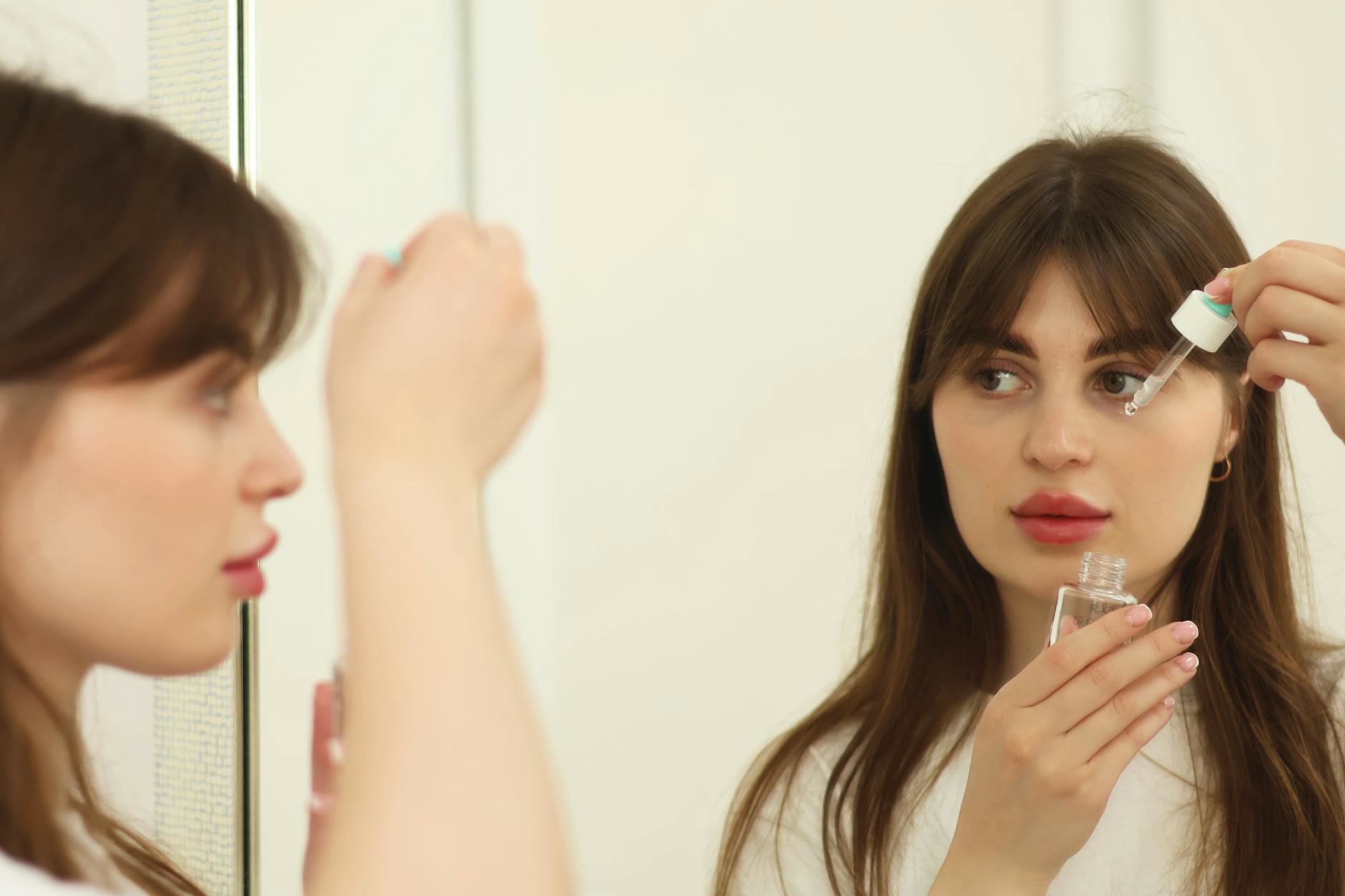
Pick your problem first: puffiness, lines, or dark circles
Eye concerns get lumped together, but the fixes differ. The fastest way to waste money involves buying a “do-it-all” rollerball and hoping for the best.
Puffiness usually comes from fluid retention, allergies, salty meals, sleep debt, or heat. In Australia, heat and humidity can make morning puffiness stick around longer, especially if you use rich occlusives at night. Look for caffeine, EGCG (green tea), and light gel textures. A metal-tip applicator can feel good, but it doesn’t replace the ingredient.
Fine lines come from dehydration, UV exposure, and collagen changes. The quick win involves hydration plus daily sunscreen right up to the eye contour (applied carefully). The longer win involves retinoids or retinal alternatives that you can tolerate. If your eye product doesn’t sit comfortably with sunscreen, it won’t get used. That matters more than the marketing claim.
Dark circles split into types:
- Brown (pigment): often responds to brightening actives over time.
- Blue/purple (vascular + thin skin): responds better to caffeine, gentle retinoids, and concealer colour correction than to “whitening”.
- Shadowing (tear trough structure): skincare won’t fully fix it. You can improve texture and brightness, but bone structure still casts a shadow.
- Redness (irritation/allergy): fix the trigger, then simplify your routine.
Once you know your main issue, you can shop with intent instead of chasing a 17-product listicle.
Ingredients that earn their spot (and what to avoid)
We’ll be blunt: the eye category attracts “sprinkle” formulas. They list a dozen trendy ingredients, each at a level too low to matter. You can’t always know percentages, but you can shop for ingredient families that have repeatable evidence.
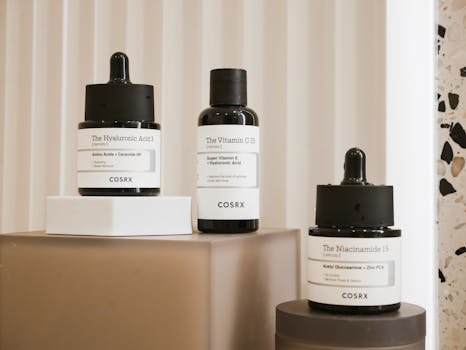
Hydrators that work: glycerin, hyaluronic acid, sodium PCA, beta-glucan, panthenol. In hot, dry Australian summers, the eye area can dehydrate even when the rest of your face feels oily. Humectants plus a light moisturiser layer help more than a heavy balm that migrates into the eyes.
Barrier helpers: ceramides, cholesterol, fatty acids, squalane. These matter if you get stinging from sunscreen around the eyes or if your concealer clings to dry patches. If you already use Day Face Moisturisers with barrier lipids, you might not need a separate eye product.
For lines: retinol, retinal, or gentle retinoid derivatives; peptides can support a smoother look, but they don’t replace sun protection. If a brand promises “Botox-like” results, we treat it as a red flag.
For dark circles: caffeine for vascular darkness; niacinamide and vitamin C derivatives for brightness; tranexamic acid can help pigment in some formulas, but it can irritate if your skin barrier feels fragile.
What we’d avoid near eyes: high-percentage glycolic acid, strong fragrance, and heavy essential oil blends. They cause watering, redness, and rubbing. Rubbing makes darkness worse.
If you want a simple starting point from brands widely stocked locally, Clinique and Shiseido both keep their eye products in the “generally tolerable” lane. For value, L'Oréal often offers eye-targeted hydrators that feel cosmetically elegant for the price bracket, especially during Australian promo cycles.
How to layer eye serum with SPF and concealer (without pilling)
Most complaints about eye serums aren’t about results. They’re about texture fights: pilling under sunscreen, concealer separating, mascara smudging. You can fix a lot of that with order, wait time, and quantity.
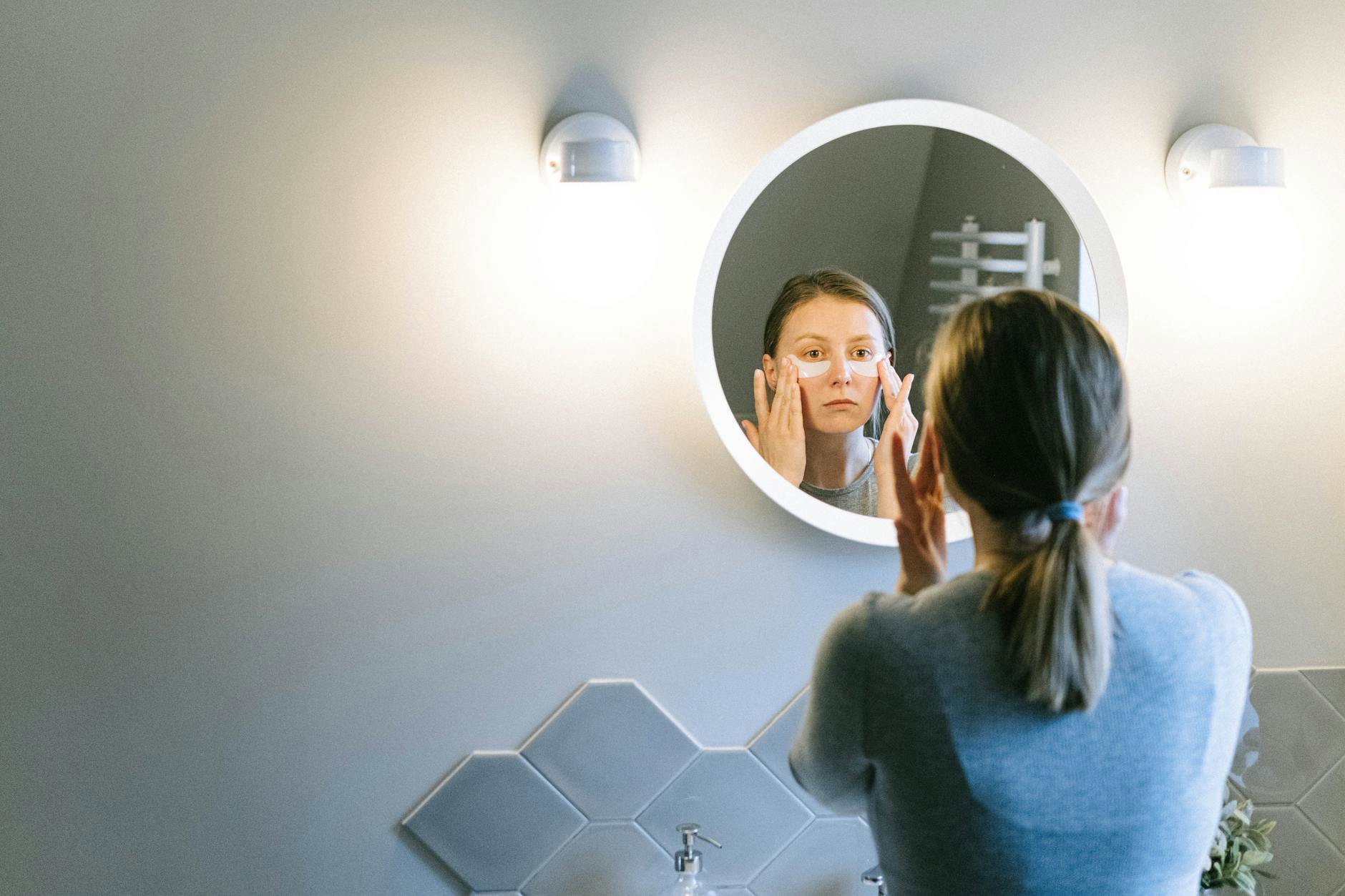
Step 1: Use less than you think. One rice-grain amount per eye covers the orbital bone. More product increases slip, then makeup slides. It also increases the chance of migration into the eye, which triggers watering.
Step 2: Place it correctly. Tap along the orbital bone, not right up to the lash line. Body heat and blinking will move it slightly. If you place it too close, it will travel into the eye anyway.
Step 3: Give it a real set time. If you apply sunscreen immediately, you often shear the serum into little balls. Aim for 60–90 seconds. In humid climates (hello, Brisbane and Darwin), you may need longer if you used a gel that stays tacky.
Step 4: Sunscreen goes over the top. Yes, even around the eyes, as long as it doesn’t sting. If your sunscreen stings, don’t “push through”. Swap formulas. UV exposure drives lines and pigment faster than almost anything else.
Step 5: Concealer strategy beats more skincare. For blue/purple circles, a peach corrector under concealer often outperforms any brightening serum. If you shop at Sephora Australia, the Sephora Collection colour products often give solid shade options without prestige pricing.
Common pilling culprits include silicone-heavy eye primers layered with water-gel serums, or thick mineral sunscreen rubbed too aggressively. If you already love your Face Primers, match textures: gel with gel, cream with cream, and avoid stacking three “slippy” layers.
What to buy (and when to skip): smart picks by budget tier
We can’t quote specific prices here without a live price-intelligence block, but we can still give a shopping framework that works in Australia’s retail cycle.
When we’d skip an eye serum: you mainly want hydration, you already own a gentle face serum, and your sunscreen and concealer sit well. In that case, use your face hydrator up to the orbital bone and spend the savings on a sunscreen you’ll reapply.
When we’d buy one: you need a de-puff effect for mornings, you want a low-irritation retinoid near the eye, or you struggle with concealer wear because the area looks textured by midday.
Budget-leaning options (often at Priceline/Chemist Warehouse):
- Caffeine gels from mass brands can work well for puffiness. Look for caffeine high in the INCI list and minimal fragrance.
- Barrier-focused eye creams with ceramides suit women who get stinging from sunscreen or who use actives elsewhere in their routine.
- Simple hyaluronic + glycerin eye hydrators suit makeup wearers, as long as they set down.
- Garnier often does accessible eye-area hydration and brightening in formats that go on sale frequently in Australia. Check the current price rather than paying full RRP.
Mid-tier (Mecca/Adore Beauty/Sephora Australia):
- Peptide-focused eye products can help with a smoother look, especially if you mainly deal with fine dehydration lines.
- Vitamin C derivative eye serums suit women who can’t tolerate stronger ascorbic acid near the eyes.
High-end (department store and prestige counters):
- Targeted retinoid eye products make sense if you want a long-term line strategy but react easily.
- Optical blurring eye treatments can look great under makeup, but they act like skincare-meets-primer. Treat them as a makeup support step, not a skin-fixer.
We’d also watch for “Australia tax” moments in prestige eye care. When an eye product lands locally at a noticeably higher A$ price than overseas, it needs to justify itself with either better wear under makeup or a genuinely gentle active system.
Body lotion hype has a lesson for eye care: pick one hero ingredient
One of the more useful skincare headlines lately has focused on body lotions and a single “hero” ingredient. That approach works for eye care too. Choose one main goal, choose one main ingredient family, and give it enough time to matter.
If your goal is smoothness, look for urea (low percentage), lactic acid (very gentle), or barrier lipids. If your goal is brightness, look for niacinamide or vitamin C derivatives. If your goal is de-puff, look for caffeine and soothing anti-inflammatories. If your goal is lines, look for retinoids you tolerate plus daily sunscreen.
Then keep the rest boring. The eye area punishes over-complication. Fragrance, multiple botanicals, and rotating actives increase your odds of watering, rubbing, and dermatitis. That’s how a “brightening” product becomes a “why are my eyes red” problem.
We also see a seasonal pattern in Australia: women add heavier products in winter, then keep them into summer. In heat and humidity, rich eye creams can swell the look of morning puffiness and make mascara transfer. Switch textures with the season. Gel in summer, cream in winter often works better than forcing one product year-round.
Fragrance trends are fun, but keep scent away from your eye routine
Australian fragrance coverage has leaned into “unexpected” scent profiles and niche launches. We love perfume as a category, and our tracker interest in Eau de Parfum Perfumes tends to spike whenever a new drop hits Mecca or Sephora Australia.
But the eye area is not the place to follow that vibe. Scented eye products cause more problems than they solve, especially for women who already battle seasonal allergies or watery eyes in windy, high-UV conditions.
If you want the sensory part of skincare, keep it to body care or a night moisturiser that stays away from the eye contour. Put your fragrance on clothing or hair lengths rather than near the face, especially if your eyes sting easily.
And if you love rose in perfume but hate it in skincare, you’re not alone. The “rose converts” trend in fragrance doesn’t translate to eye care. Around eyes, we’d rather see minimal fragrance and maximal tolerance.
A two-track routine that actually works in Australian conditions
If the goal is visible improvement without irritation, a two-track approach beats a complicated rotation.
Track A: Morning defence (daily). Use a light hydrating eye serum or thin eye cream, then sunscreen. Prioritise wear. If it pills or stings, swap it. Add concealer and corrector as needed. This track suits Australia because UV exposure and dehydration show up fast around the eyes.
Track B: Night repair (2–4 nights a week). Use a gentle retinoid eye product or a peptide/barrier eye cream depending on tolerance. Keep it away from the lash line. On off nights, go back to plain hydration. If you also use strong actives on the face, don’t stack irritation by pushing everything up to the eye contour.
Here’s a simple weekly template:
- Mon: hydrate + barrier support at night
- Tue: retinoid eye product (if tolerated)
- Wed: hydrate
- Thu: retinoid eye product
- Fri: hydrate
- Sat: optional de-puff gel if you need it
- Sun: hydrate and keep it simple
If you get dryness, flaking, or stinging, pull back to hydration for a week. The eye area rarely rewards “pushing through”.
What this means for your wallet (and your expectations)
Eye serums can work, but only when they match the problem and fit your day-to-day routine. In Australia, sunscreen compatibility matters as much as the active ingredient. If your eye product makes SPF sting or pills under it, you lose the real anti-ageing step.
From a value perspective, treat eye care like this: pay for tolerance and cosmetic elegance, not for fantasy timelines. “Overnight” results usually mean temporary de-puffing or optical blurring. Those can still be worth it, but they sit in the “makeup support” bucket.
Finally, keep expectations honest for structural dark circles. Skincare can improve brightness and texture, but it won’t rebuild anatomy. If shadowing bothers you, a corrector plus smart concealer placement will deliver more satisfaction than cycling through expensive bottles.
Tell us your eye concern, and we’ll help you shop smarter
Are you trying to fix puffiness, fine lines, or dark circles that look brown, blue, or shadowed? And do you need your eye product to behave under sunscreen and concealer in Australian heat?
Share your main concern and your skin type, and we’ll point you towards ingredient families and shopping shortcuts that make sense locally.
![Lumene Nordic-C [Valo] Glow Cream Spf30](https://media.glamgeek.com/media/2026/02/06/c0cef909-16ab-49f9-865e-278e63871493_sm.jpg)