
Eye creams can be worth it—but only for the right problem.
If your under-eye area feels dry, looks puffy, reacts easily, or shows early fine lines, a well-chosen eye cream often beats a standard face moisturiser for comfort and tolerance. If your main concern is “I want fewer dark circles” or “I want to lift my eyelids”, eye creams can help appearance, but they rarely deliver the dramatic results implied by marketing.
Our price tracker has logged eye creams as one of the most price-stretched categories in skin care—from A$33 pharmacy gels to A$400+ luxury creams. That range makes the question fair: are you paying for performance, or packaging?
What eye creams do differently from face moisturisers
The eye area has thinner skin, fewer oil glands, and a higher tendency to sting. A dedicated eye cream often focuses on two practical differences: better tolerance and better wear around makeup.
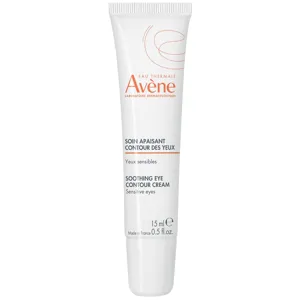
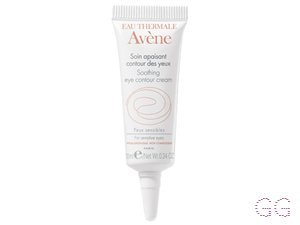
Tolerance comes from fragrance-free formulas, fewer “tingly” extras, and textures that sit comfortably close to the lash line. Avène Soothing Eye Contour Cream (from A$54.88) spells this out directly: it targets sensitive eyelids and the delicate eye area with a lightweight, fragrance-free formula that helps minimise puffiness and moisturise. It uses Bisabolol, Dextran Sulphate and Carthamus Seed Oil, which reads like a calm-first approach.
Wear matters more than people admit. Many face moisturisers feel fine on cheeks but migrate, crease concealer, or trigger watery eyes when used too close to the lid margin. Eye creams often aim for a “stays put” finish—either a fast-absorbing gel-cream or a richer balm that seals in water without sliding.
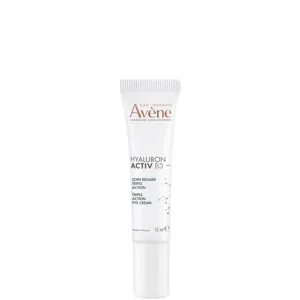
One more difference: eye creams often concentrate on a narrow set of goals (depuffing, smoothing, firming, brightening). Avène Hyaluron Activ B3 Triple Correction Eye Cream (from A$90.16) calls out a multi-goal blend—niacinamide, hyaluronic acid, and dextran sulfate—for hydration, barrier support, and visible depuffing. Face moisturisers can do that too, but eye products usually frame the formula around that zone’s needs.
So yes, an eye cream can be “different”. That doesn’t mean everyone needs one.

Who benefits most (and who can skip it)
Eye creams pay off most when your eye area behaves differently from the rest of your face. That happens often in Australia, where strong UV and dry air-conditioning can leave under-eyes tight even when the T-zone feels fine.
Dryness and tightness sit at the top of the list. If concealer cracks by lunchtime, you probably need more moisture and a better seal. Curél Moisture Repair Eye Cream (from A$49.00) leans into ceramides and “intensely nourishes and protects dry under eyes”, with a rich texture designed for the delicate area. This is the “comfort pick” we see people repurchase when dryness is the main complaint.
Sensitivity is the other clear win. If you avoid actives near the eyes because everything stings, choosing an eye-specific, sensitive-skin formula often reduces trial-and-error. Avène Soothing Eye Contour Cream targets sensitive eyelids specifically, and that specificity matters.
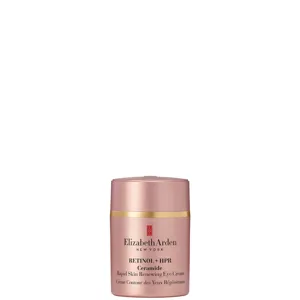
Early fine lines respond best to two levers: hydration (to plump the look) and vitamin A family ingredients (to support smoother-looking skin over time). Elizabeth Arden Retinol + Hpr Ceramide Rapid Skin Renewing Eye Cream (from A$90.94) uses HPR (a next-generation retinoid), plus ceramides, peptides and niacinamide. That’s a well-rounded “lines + resilience” structure.
When a regular moisturiser is enough: if your under-eye area feels the same as the rest of your face, doesn’t react, and your main goal is basic hydration, you may not need a separate eye product. Spending A$90–A$180 for a second moisturiser step rarely makes sense in that scenario.
One caveat. If you get milia easily, richer textures can be a gamble. In that case, a lighter gel-cream eye product often behaves better than a thick face cream applied too close to the eye.
The ingredient shortlist dermatologists actually care about
Eye cream marketing loves exotic extracts. Dermatology tends to come back to boring fundamentals: barrier, hydration, pigment, and collagen-supporting actives—used carefully.
Hydrators: Hyaluronic acid helps bind water and can reduce the look of crepiness fast. It doesn’t “fill” wrinkles, but it can make skin look smoother by improving surface hydration. Avène Hyaluron Activ B3 Triple Correction Eye Cream explicitly includes hyaluronic acid for multi-depth hydration.
Barrier helpers: Ceramides support the skin barrier, which matters because under-eyes get irritated easily from rubbing, makeup removal, and seasonal dryness. Curél Moisture Repair Eye Cream centres ceramides, and the Elizabeth Arden formula pairs ceramides with peptides and niacinamide for a more “repair + refine” angle.
Niacinamide: Often chosen for barrier support and visible brightening over time. It’s also a common compromise ingredient for people who cannot tolerate stronger actives near the eyes. Avène’s B3 eye cream names niacinamide as a core active, which aligns with this “steady gains” approach.
Caffeine: Works best for temporary depuffing and a more awake look. It won’t change bone structure or erase genetic circles, but it can reduce fluid-related swelling. Shiseido Uplifting And Firming Eye Cream (from A$147.00) includes caffeine and squalane in a buttery-soft formula, and it comes with a sculpting massage tool. That tool matters because massage can help move pooled fluid.
Vitamin A family (retinoids): The best-supported topical category for improving the look of fine lines over time, but also the most likely to cause dryness and irritation—especially around the eyes. If you want “dermatologist-backed” results and you tolerate vitamin A well, Murad Retinal ReSculpt Eye Treatment (from A$180.32) uses retinal, described as one of the most efficacious forms of vitamin A, delivered via an encapsulated system for enhanced stability.
Vitamin C and pigment-correcting blends: For dark circles that come from pigmentation (brown) or vascular tones (purple/red), targeted brighteners can help the look. Murad Vita-C Eyes Dark Circle Corrector (from A$135.24) states it helps lighten pigmentation across purple, red, or brown tones for a more radiant look—clear positioning for this concern.
Picking the right eye cream by concern (with real A$ prices)
Most disappointment comes from buying the wrong “type” of eye cream. Here’s how we’d match formulas to the problem, using only products with clear positioning in our listings.
1) Dry, tight under-eyes (comfort first)
If you feel tightness after cleansing, or makeup looks flaky by midday, prioritise lipids and barrier support.
- Curél Moisture Repair Eye Cream (from A$49.00): ceramide-rich, designed to intensely nourish and protect dry under eyes.
- La Mer The Eye Concentrate (from A$421.40): intensely hydrating, aims to protect the natural skin barrier while minimising the appearance of fine lines and dark circles. The price premium is real; our tracker often shows this category carrying a sizeable “Australia tax”.
2) Puffiness (fluid management)
Puffiness often fluctuates with sleep, salt, and heat. Products that target depuffing make most sense here because results can show faster than line-focused products.
- Avène Soothing Eye Contour Cream (from A$54.88): helps minimise puffiness while staying fragrance-free for sensitive eyelids.
- Shiseido Uplifting And Firming Eye Cream (from A$147.00): caffeine plus a massage tool. Good fit if you like technique-based routines.
- Avène Hyaluron Activ B3 Triple Correction Eye Cream (from A$90.16): includes dextran sulfate, an ingredient commonly used in depuffing-focused formulas.
3) Fine lines (slow-and-steady improvement)
For fine lines, eye creams help most when they combine hydration with a tolerable “active” plan.
- Elizabeth Arden Retinol + Hpr Ceramide Rapid Skin Renewing Eye Cream (from A$90.94): HPR retinoid + ceramides + peptides + niacinamide. A balanced way to chase smoother-looking skin.
- Murad Retinal ReSculpt Eye Treatment (from A$180.32): retinal with encapsulated delivery for stability. Better for experienced retinoid users.
4) Dullness and dark circle appearance (tone support)
Not every dark circle equals pigmentation. Some come from thin skin that shows blood vessels. Others come from shadowing. Still, targeted brightening can improve the overall look.
- Murad Vita-C Eyes Dark Circle Corrector (from A$135.24): positioned to address purple, red, or brown discolouration.
- ALGENIST Triple Algae Eye Renewal Balm (from A$94.08): described as clinically proven to reduce the look of dark circles over time and visibly energise tired eyes instantly.
Budget matters. If you want a lower-cost entry point, Aveeno Face Age Renewal Eye Gel Cream (from A$33.32) positions itself as sensitive-skin friendly and aims for “retinol-like results”. That makes it a reasonable first step before jumping to stronger vitamin A options.
Value check: when the price jump makes sense (and when it doesn’t)
Eye creams can cost more per millilitre than almost anything else in Anti Ageing Face Creams. The question becomes: what are you buying?
Sometimes you buy tolerance. For reactive skin, paying A$49–A$90 for a fragrance-free, eye-area-specific formula can save you months of irritated watering eyes and wasted product. That’s not glamorous. It’s practical.
Sometimes you buy an active delivery system. Murad’s retinal eye treatment describes encapsulation for stability, and retinal itself sits higher on the efficacy ladder than softer “retinol-like” positioning. If you will use it consistently, the higher price can align with the technology and ingredient choice.
Sometimes you buy tools and ritual. Shiseido’s eye cream includes a sculpting massage tool, and the sensorial angle can help adherence. People use products they enjoy. That matters more than a lot of people want to admit.
And sometimes you buy branding.
La Mer The Eye Concentrate (from A$421.40) and 111SKIN Celestial Black Diamond Eye Cream Cremas De Ojos (from A$382.20) sit in the ultra-premium tier. The 111SKIN listing highlights peptides and potent actives to diminish the appearance of fine lines, pigmentation, and loss of elasticity over time. La Mer highlights barrier protection and hydration with Concentrated Miracle Broth™. These can make sense if you value the formulation style and can afford it, but most shoppers get strong “bang for buck” from mid-tier formulas that target one issue well.
Where to buy locally also affects value. Many of these brands appear at Mecca, Sephora Australia, Adore Beauty, Priceline, and department stores like MYER depending on range. Stock and promo cadence vary by retailer, so checking a price tracker before paying full price can save serious money.
A simple routine that gets results without irritation
The best eye cream fails when it sits in the wrong routine. Under-eyes punish impatience.
AM plan: use a small amount, then stop. A rice-grain-sized dab per eye often suffices. Tap along the orbital bone, not the lash line, and let it set before makeup. If puffiness drives you mad in summer, reach for a depuffing-leaning option like Avène Hyaluron Activ B3 Triple Correction Eye Cream (from A$90.16) or Shiseido Uplifting And Firming Eye Cream (from A$147.00).
PM plan: decide whether you want an “active” night. If you use a vitamin A eye product, keep the rest of the eye area routine plain. Elizabeth Arden Retinol + Hpr Ceramide Rapid Skin Renewing Eye Cream (from A$90.94) fits the “retinoid + barrier support” strategy. Murad Retinal ReSculpt Eye Treatment (from A$180.32) suits people who already tolerate stronger actives.
Start with two to three nights a week for retinoid-based eye creams, then increase only if your skin stays comfortable. Redness, stinging, or flaking means you moved too fast. Pull back.
One more step that matters in Australia: protect the eye area during the day. Your eye cream won’t outwork UV exposure. If you want guidance on sun protection categories, see SPF Protection Products—but keep your product selection separate, because this guide stays strictly on eye creams.
Practical tips to decide if you should buy one today
If you stand in front of a shelf at Priceline or scroll Mecca at midnight, use this quick decision framework.
- Choose an eye cream if: your under-eye area feels drier than the rest of your face, you get irritation easily, or you want a targeted active (retinoid or vitamin C style) in a more eye-appropriate format.
- Skip it if: you only want “prevention” with no specific complaint, and your usual moisturiser already feels comfortable under makeup.
- Depuffing focus: pick a formula that mentions puffiness or includes caffeine or dextran sulfate, like Avène Soothing Eye Contour Cream (from A$54.88) or Shiseido Uplifting And Firming Eye Cream (from A$147.00).
- Lines focus: pick a vitamin A option and commit to slow frequency increases. Consider Elizabeth Arden Retinol + Hpr Ceramide Rapid Skin Renewing Eye Cream (from A$90.94) or Murad Retinal ReSculpt Eye Treatment (from A$180.32).
- Budget entry: start with Aveeno Face Age Renewal Eye Gel Cream (from A$33.32) if you want gentle, sensitive-skin positioning and a lighter texture.
Keep expectations realistic. Eye creams can improve hydration, smoothness, and the look of tiredness. They won’t replace sleep, correct structural shadowing, or permanently erase hereditary circles.
Want to build the rest of your routine around it? Start with the basics in skin care, then layer other categories carefully (for example, Anti Ageing Face Serums), but avoid stacking too many strong actives near the eyes at once.
Eye creams are worth it when they solve a specific problem better than “just use your face moisturiser”.
What’s your main under-eye issue right now—dryness, puffiness, fine lines, or dark circle tone?