A foam cleanser can feel “cleaner” fast. A cream cleanser can feel “kinder” fast. But “better” depends on two things: how much oil, sunscreen, and makeup you need to remove, and how easily your skin barrier gets cranky.
If you love the comfort of a cream cleanser texture, you can still choose a foam & wash cleanser that behaves like one: low-foam, low-pH, and humectant-rich. If you need the punchy reset of foam, you can still avoid that tight, squeaky feeling by choosing barrier-support ingredients and using the right technique.
Below, we compare foam vs cream cleansers by texture, cleansing strength, skin type fit, and ingredients. Then we map those ideas to specific foam & wash cleanser options (with tracked starting prices in A$) so you can pick confidently.
Foam vs cream cleansers: what actually changes (and what doesn’t)
Texture tells you something, but not everything. Foam cleansers often use surfactants that lather easily, which can help lift oils and long-wear products. Cream cleansers often feel richer because they use more emollients, and they may lather less.
The catch: “foam” does not automatically mean harsh, and “cream” does not automatically mean gentle. Formulation choices matter more than the vibe. A cream cleanser can still over-cleanse if it uses strong surfactants and you over-rub. A foaming cleanser can still feel soft if it uses humectants and barrier-friendly support.
Skin-barrier impact comes down to: surfactant strength, pH, how long you cleanse, water temperature, and what you do after. In Australia’s heat and UV, many people wear higher-SPF products year-round (SPF Protection Products). That alone increases the need for effective cleansing at night, no matter what texture you prefer.
Where foam & wash cleansers sit: they rinse clean, suit quick routines, and work well for combo-to-oily skin. The downside comes when you use “more” as a strategy—too much product, too long, too hot, too often.
Cleansing strength: removing sunscreen, makeup, and daily grime
If your main goal involves removing excess sebum and urban grime, foam cleansers often win on feel. They give that crisp rinse that many people with oily skin want.
If your main goal involves not disturbing a fragile barrier, cream cleansers often feel safer. But the real question is whether your cleanser removes what you wear. If it doesn’t, you rub more, cleanse longer, and end up irritated anyway.
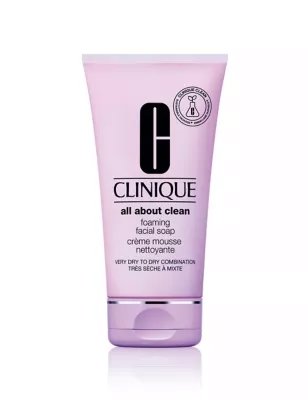
From the foam & wash cleanser list, a few options specifically call out makeup and impurity removal while aiming to stay non-drying. Clinique All About Clean Rinse-Off Foaming Cleanser (from A$60.00) targets oily skin types and uses a cream-mousse texture with glycerin and hyaluronic acid to support the barrier as it removes daily dirt, impurities, and makeup. That “mousse” cue matters: it often feels closer to a cream cleanser experience while still rinsing like foam.
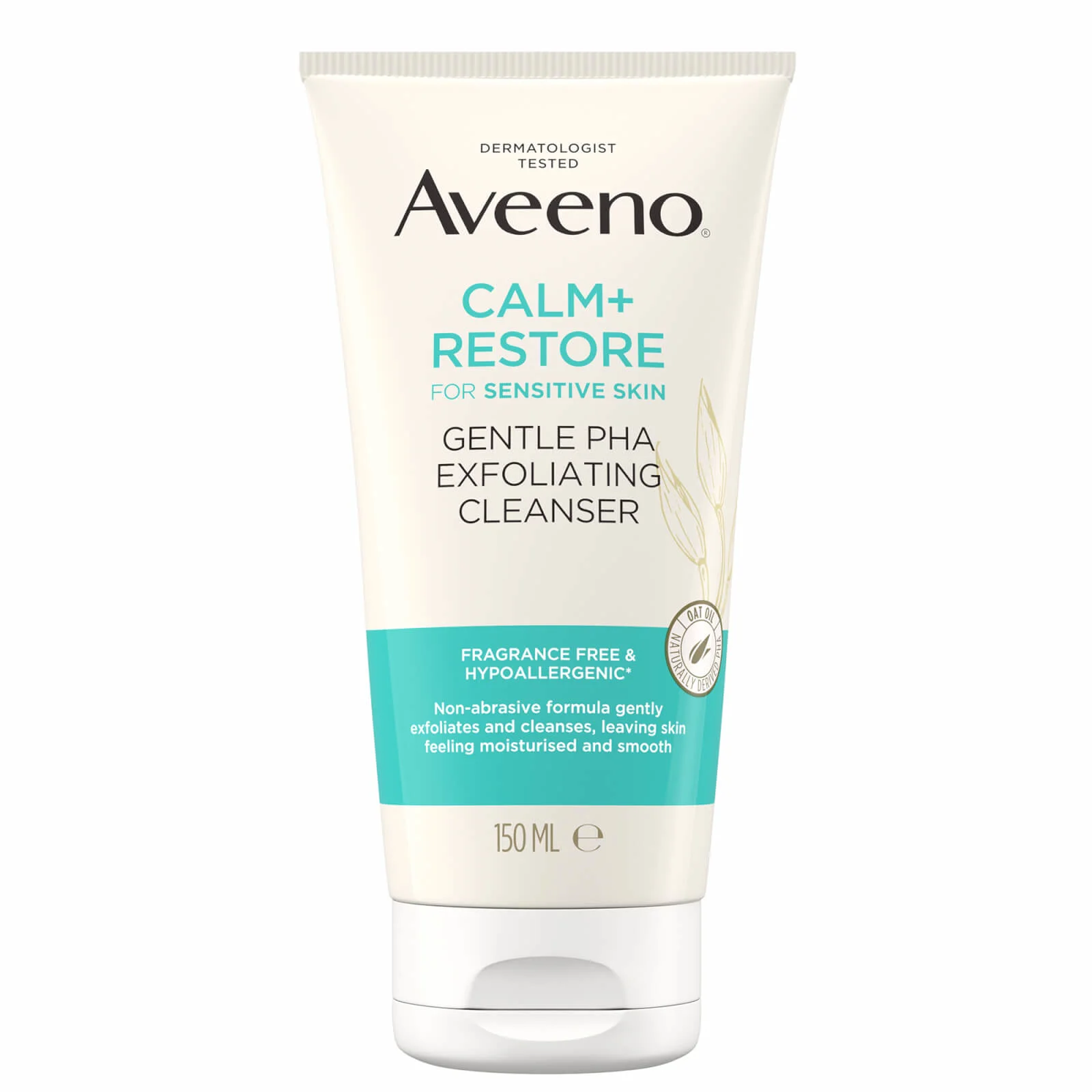
For a more sensitive-leaning approach, Aveeno Face Calm And Restore Foaming Cleanser (from A$25.48) focuses on gentle removal of makeup, impurities, and excess oils, with soothing oat extract plus feverfew and hyaluronic acid. If you want “cream cleanser comfort” but need the convenience of a foaming wash, this ingredient set points in the right direction.
And if you want a cleanser that explicitly targets excess sebum, Curél Oil Control Foaming Facial Wash (from A$24.50) aims to remove makeup, surface impurities, and excess sebum while hydrating, with ceramides to nourish and help lock in moisture. That ceramide angle matters when you worry foam will strip.
Skin type match-ups: who should choose what (and why)
Skin type guidance often sounds like marketing. We prefer decision rules you can test in a week.
Oily and combination skin: Foam often suits you because it removes sebum efficiently and rinses clean. Look for humectants to avoid rebound oiliness from over-stripping. Innisfree Green Tea Amino Acid Cleansing Foam (from A$14.25) positions itself as gentle and hydrating, with plant-derived amino acids to protect the moisture barrier and added hyaluronic acid. If you want “foam, but not tight,” amino-acid-based cleansing tends to feel less aggressive than old-school squeaky formulas.
Dry skin: Cream cleansers often feel best, but you can still use foam if it behaves like a cream. Prioritise glycerin, hyaluronic acid, and low-foam textures. Isntree Hyaluronic Acid Low-Ph Cleansing Foam (from A$35.53) leans into a cushiony lather, low pH, and a blend of eight hyaluronic acids to support hydration. That “low pH” detail often pairs better with barrier comfort.
Sensitive skin: The goal involves fewer triggers and less friction. Aveeno Face Calm And Restore Foaming Cleanser (from A$25.48) and Curél Oil Control Foaming Facial Wash (from A$24.50) both speak directly to barrier support (oat/HA and ceramides, respectively). Choose based on whether oil control or soothing sits higher on your list.
Blemish-prone and acne-prone skin: Cream cleansers sometimes feel too “coated” for people who clog easily. Foam can work well, especially when it includes acne-actives. Clinique Anti Blemish Solutions Cleansing Foam (from A$50.00) uses salicylic acid to help decongest pores and smooth rough texture. If you choose this route, keep contact time sensible and avoid stacking too many other exfoliating steps.
Uneven tone concerns: If you want cleansing plus a brightening focus, Uriage Dépiderm Brightening Cleansing Foaming Cream (from A$27.44) includes vitamin C and niacinamide, and aims to help unify the look of uneven tone. Treat brightening claims as incremental; cleansing stays a rinse-off step.
Ingredient cheat sheet: what to look for (and what to treat with caution)
When people say a cleanser “strips,” they usually mean their skin feels tight, looks dull, or gets red after washing. Ingredients can hint at whether that will happen, but technique still matters.
Barrier-support and hydration helpers: glycerin and hyaluronic acid show up in formulas that try to cleanse without leaving you parched. Clinique calls out glycerin + hyaluronic acid in All About Clean Rinse-Off Foaming Cleanser (from A$60.00). Aveeno pairs hyaluronic acid with soothing oat extract and feverfew in Face Calm And Restore Foaming Cleanser (from A$25.48). Isntree builds its whole pitch around multi-weight hyaluronic acid in Hyaluronic Acid Low-Ph Cleansing Foam (from A$35.53).
Ceramides: These support the skin’s “mortar” between cells. In a cleanser, they help signal a barrier-friendly intent, even though it rinses off. Curél Oil Control Foaming Facial Wash (from A$24.50) includes ceramides and targets oil control without sacrificing moisture.
Acne and oil control actives: Salicylic acid (BHA) can help unclog pores, but it can also over-dry if you cleanse too often. Clinique Anti Blemish Solutions Cleansing Foam (from A$50.00) sits here. Use it like a tool, not a punishment.
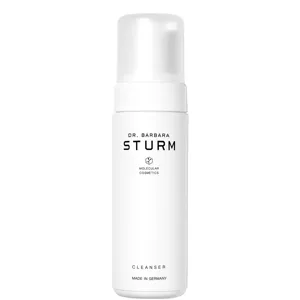
Enzymes and powders: These can add light exfoliation. That suits some oily or congested skins, but it can push sensitive skin over the edge. Dr. Barbara Sturm Enzyme Cleanser (from A$117.60) works as a powder-to-foam with an enzymatic peel, aimed at oily and blemish-prone skin. ANUA Rice Enzyme Brightening Cleansing Powder (from A$43.12) uses rice powder plus papain to help remove dry skin and excess oils.
Fragrance and sensorial cues: Scent does not automatically equal irritation, but it increases risk for some people. Uriage Dépiderm Brightening Cleansing Foaming Cream (from A$27.44) mentions a delicate floral scent. If your skin reacts easily, keep this in mind.
Product picks by “cream-cleanser mood” (without leaving foam & wash)
If you searched for “foam vs cream,” there’s a good chance you want the comfort of cream but the rinse of foam. That middle ground exists.
For a cream-mousse feel that still suits oily skin: Clinique All About Clean Rinse-Off Foaming Cleanser (from A$60.00) uses a cream-mousse texture and calls out glycerin and hyaluronic acid. Our price tracking often shows Clinique pricing holding steady across major retailers, so buying during promo periods tends to matter more than waiting for big permanent drops.
For sensitive skin that wants calm, not squeak: Aveeno Face Calm And Restore Foaming Cleanser (from A$25.48) aims for gentle cleansing plus barrier support. This one makes sense for people who cleanse twice daily and notice redness when they go too “clarifying.”
For oil control without the dry aftermath: Curél Oil Control Foaming Facial Wash (from A$24.50) combines makeup and sebum removal with ceramides. If you live in humid areas or sweat a lot, oil-control products can reduce that midday shine spiral.
For low-pH foam that behaves more gently: Isntree Hyaluronic Acid Low-Ph Cleansing Foam (from A$35.53) gives you cushiony lather without leaning on the “squeaky clean” aesthetic. Low pH often pairs well with a routine that includes leave-on steps from Anti Ageing Face Serums or Day Face Moisturisers, because your skin starts from a calmer baseline.
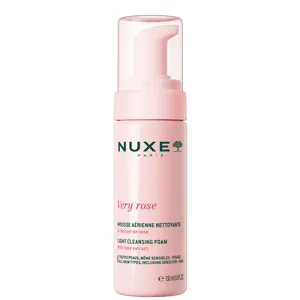
For a softer, sensorial foam: Nuxe Very Rose Light Cleansing Foam (from A$35.28) focuses on a cloud-like texture that lifts impurities without dryness. If you crave the “cream cleanser experience,” texture can help you cleanse gently because you won’t overwork the skin.
When stronger makes sense: acne, congestion, and dullness
Some skin needs more than “gentle.” The trick involves using stronger cleansers strategically, not constantly.
Acne-prone: Clinique Anti Blemish Solutions Cleansing Foam (from A$50.00) uses salicylic acid to help decongest pores. If you get clogged easily, this can replace a bland cleanser a few nights per week. Don’t assume “twice daily forever” will help; over-cleansing can trigger oil rebound and irritation.
Powder-to-foam exfoliating cleansers: These sit closer to a gentle scrub concept, even when they use enzymes rather than gritty beads. Dr. Barbara Sturm Enzyme Cleanser (from A$117.60) combines deep-cleaning with gentle exfoliation for oily and blemish-prone skin. ANUA Rice Enzyme Brightening Cleansing Powder (from A$43.12) uses rice powder and papain to lift dry skin and excess oils.
Use these like seasoning. Not the whole meal.
Brightening cleansers: They can support a routine, but they won’t replace daily UV protection and consistency. Uriage Dépiderm Brightening Cleansing Foaming Cream (from A$27.44) combines Mela Technology™, vitamin C, and niacinamide to help unify uneven tone. If your skin runs sensitive, patch test, because scented formulas can complicate things.
How to choose (and use) foam cleansers without stripping
The fastest way to make any cleanser feel harsh involves treating it like a mask. Cleansers work best with short contact time and low friction.
Try this practical decision flow:
- If your skin feels tight within 5 minutes of cleansing, swap to a more barrier-supporting foam option: Aveeno, Curél, or Isntree.
- If your T-zone stays slick by midday, keep foam but pick oil-control or acne-targeted options: Curél or Clinique Anti Blemish.
- If makeup or sunscreen lingers, choose a rinse-clean formula that also mentions makeup removal: Clinique All About Clean, Curél, or Aveeno.
- If you want glow but get irritation easily, avoid daily enzyme powders. Use ANUA or Dr. Barbara Sturm Enzyme Cleanser occasionally.
Now the technique that saves barriers:
- Wet hands and face with lukewarm water.
- Use a pea-sized amount (or less for powders).
- Work into a lather in your hands first, then apply to face.
- Cleanse for 20–30 seconds. Focus on hairline, nose creases, and jaw.
- Rinse thoroughly, then pat dry. No scrubbing.
- Follow with your usual leave-on steps (many people pair cleansing with Night Face Moisturisers or a simple Day Face Serums routine).
One more Australia-specific note: if you sweat heavily or reapply SPF often, you may need a more effective evening cleanse. But you still shouldn’t punish your face twice a day with a strong formula. Split the difference: gentle in the morning, more thorough at night.
Price, availability, and avoiding the “Australia tax” trap
In Australia, cleanser pricing varies wildly by brand tier. Our merchant feed often shows the biggest jumps at the prestige end, where “cleanser” pricing can rival treatment products.
Here’s how the starting prices stack up from the list, in plain terms:
- Budget-friendly entry: Innisfree Green Tea Amino Acid Cleansing Foam from A$14.25.
- Mid-range barrier picks: Curél Oil Control Foaming Facial Wash from A$24.50; Aveeno Face Calm And Restore Foaming Cleanser from A$25.48; Uriage Dépiderm Brightening Cleansing Foaming Cream from A$27.44; Nuxe Very Rose Light Cleansing Foam from A$35.28; Isntree Hyaluronic Acid Low-Ph Cleansing Foam from A$35.53.
- Prestige: Clinique Anti Blemish Solutions Cleansing Foam from A$50.00; Clinique All About Clean Rinse-Off Foaming Cleanser from A$60.00.
- Ultra-premium: Dr. Barbara Sturm Cleanser from A$107.80; 111SKIN Black Diamond Vitamin C Brightening Cleanser from A$107.80; Dr. Barbara Sturm Enzyme Cleanser from A$117.60.
We’d treat the “Australia tax” risk as highest on the ultra-premium cleansers. A cleanser rinses off, so the value case needs to be strong. If you want brightening at the cleanser step, Uriage Dépiderm (from A$27.44) or ANUA (from A$43.12) often makes more sense than spending over A$100.
Retailer-wise, these brands commonly appear across major Australian beauty channels like Mecca, Priceline, Adore Beauty, and Sephora Australia, though stock can vary by shade-free category and import arrangements. When your preferred option sells out, match by function (low-pH hydration, oil control, or BHA) rather than chasing the same brand name.
Practical takeaways you can use today
If you feel stuck between foam and cream, treat it like a two-problem puzzle: cleansing power and barrier comfort. Most people only need to change one variable.
Start with one of these simple setups for two weeks:
- Oily but sensitive: Curél Oil Control Foaming Facial Wash nightly, water rinse in the morning.
- Dry or easily tight: Isntree Hyaluronic Acid Low-Ph Cleansing Foam once daily at night, short cleanse time.
- Acne-prone with congestion: Alternate Clinique Anti Blemish Solutions Cleansing Foam 3–4 nights per week with a gentler option on the other nights.
- Want a comforting foam: Aveeno Face Calm And Restore twice daily if you tolerate it, but keep the 20–30 second rule.
And if your skin still feels stripped, don’t assume you picked the “wrong type.” Shorten cleanse time, reduce morning cleansing, and avoid hot water. Those changes often beat a product swap.
So… which is better?
Foam cleansers tend to suit oilier skin and heavy SPF days. Cream cleansers tend to suit dry or reactive skin. But a well-chosen foam & wash cleanser can mimic the comfort of a cream cleanser, especially when it includes humectants, ceramides, and a low-pH approach.
What’s your skin doing after cleansing right now: tight and squeaky, or clean and calm? That answer tells us which direction to point you—oil-control, low-pH hydration, or blemish-focused.
If you share your skin type (and whether you wear long-wear makeup or daily SPF), we can narrow the list to two or three foam & wash cleansers that fit.