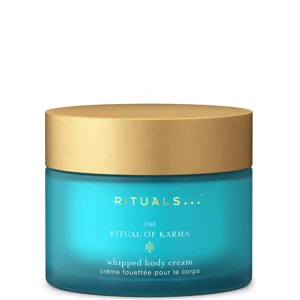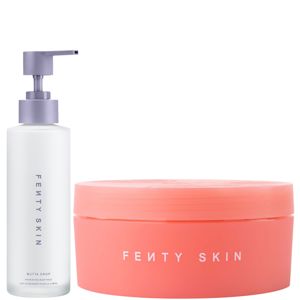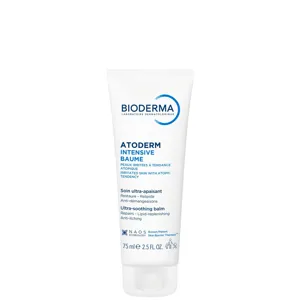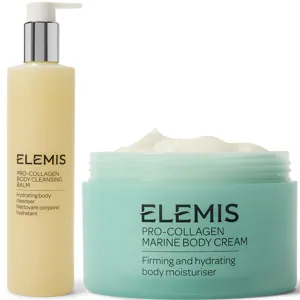
Dry shins by lunchtime and a slippery chest by dinner. If that sounds familiar, your body routine likely relies on guesswork. Order matters. Timing matters even more. The right pairings lock in water and keep skin soft without residue on your clothes or your sheets.
Body care moved beyond one heavy butter. We now see body serums with niacinamide, gel creams rich in urea, and dry oils that promise glow. When you stack them well, they deliver more comfort with less product. When you stack them badly, they slide, pill, or smother.
Here’s how to layer body cream with body oils and serums so you get hydration that lasts all day, with zero greasiness.
Context: why order and timing change everything
Skin loses water fast after a shower. The “three‑minute rule” from dermatology gets straight to the point: seal in moisture within three minutes of towelling off. That window matters because warm water and steam swell the outer layer of skin, then evaporation spikes. Delay, and you moisturise a drier surface.
Formulas play different roles. Humectants like glycerin and hyaluronic acid pull in water. Emulsions like lotions and creams trap some of that water and strengthen the barrier. Oils and ointments slow water loss by creating an occlusive layer. Petrolatum sits at the top of that occlusion scale. Plant oils sit lower but still help.
Climate adds another variable. Australia runs high UV year‑round and spans humid tropics to dry southern summers. Humectants shine when the air holds water. Occlusives carry more weight in dry heat and winter winds. You can stack smarter once you understand those shifts.
Retail choice helps as well. Mecca and Sephora Australia now list body serums alongside classic body butters. Priceline and Chemist Warehouse move a lot of body oils every winter. Adore Beauty and MYER cover the luxury oils and the workhorse creams. We track the price swings across these retailers, and the deals cluster seasonally. Add picks to your GlamGeek wishlist and you’ll get an alert when the price drops.
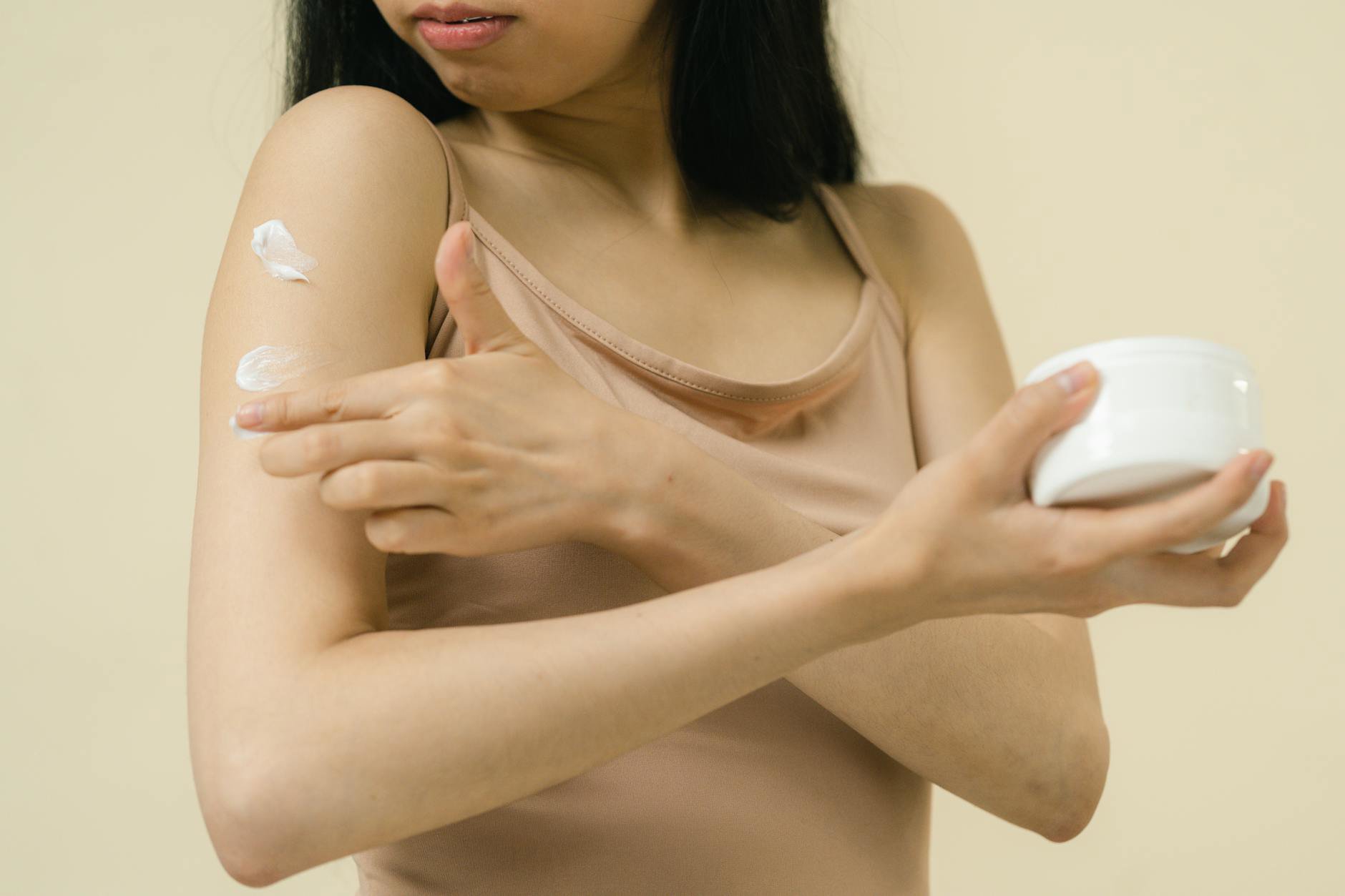
{{IMAGE:woman applying body lotion after shower}}The order that works: water first, oil last
Think in layers from thinnest to thickest. Go from water‑based to oil‑based. That sequence lets each product reach the skin and do its job.
Start with damp skin. You want soft, towel‑dried skin, not dripping. If your room feels dry, mist your body lightly with tap water or thermal water. That gives humectants something to hold.
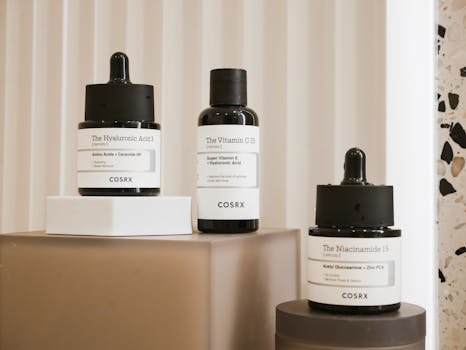
Next, apply a body serum. Choose a light gel or lotion texture that lists glycerin, hyaluronic acid, urea, or niacinamide high on the list. Serums boost hydration, even tone, or smooth texture. Spread a thin layer and let it absorb for 30–60 seconds.
Follow with your cream or lotion. Match the weight to the zone. Use a lighter lotion on arms and torso. Use a richer cream on shins, knees, and any tight patches. Massage until the skin feels supple, not slick.
Finish with oil. Use 2–3 drops per limb if you want glow without transfer. Press the oil into the cream rather than rubbing hard. If you crave cushion on heels or elbows, tap on more oil only there. That spot‑occlusion approach reduces fabric stains and keeps the rest of you breathable.
Timing: the bathroom window and smart wait times
Work fast but not frantic. You win when you trap water while skin still holds it, then give each layer a short moment to settle.
Immediately after showering: pat dry, leave a whisper of dampness. If you prefer fragrance, mist a light body splash now. Scent clings better to hydrated skin, and you avoid smearing perfume over sunscreen later.
Within the first three minutes: apply your body serum in a thin coat. Wait 30–60 seconds. Your skin should feel slightly dewy, not wet. Follow with lotion or cream. Take another 60–120 seconds. The surface should feel soft, with a gentle slip.
Oil comes last: press in a small amount. Dress after two to three minutes. If your clothes run tight, wait a little longer. On humid days, cut the oil step during daylight and save it for night.
On rushed mornings, condense the process. Use a hybrid: a lotion that lists glycerin, urea, and ceramides high in the INCI. You skip the serum step and still get humectants and barrier support in one pass.
Body serums decoded: humectants and actives that behave
Body serums split into two broad types. Hydration serums focus on water magnets. Treatment serums target tone, texture, or blemishes on the chest, back, or arms.
For hydration: look for glycerin, hyaluronic acid, sodium PCA, panthenol, and urea. Urea between 5% and 10% softens rough patches and boosts moisture. You feel the payoff fastest on shins and forearms. A light gel suits humid weather. A milky serum suits dry rooms with heating or air‑con.
For tone and texture: niacinamide supports a stronger barrier and helps even tone. Lactic acid and glycolic acid smooth bumps and flakes on the upper arms and thighs. Retinol or retinal body products refine texture overnight. Use those on alternate nights, and keep the formula thin so it sits nicely under cream.
Plan your week. Use AHA or retinol body serums two to three nights. Use hydrating serums every day. Skip acids on days you shave or sunbathe. Patch test near the inner arm and avoid broken skin. Pair treatment nights with a simple cream and a small amount of oil only on hot spots.
Shopping tip: category pages help. You can shortlist hydrating lotion‑serums from Day Face Serums for the décolletage, then switch to dedicated body options for limbs. Add picks to your GlamGeek wishlist and we’ll ping you when we spot a discount at Priceline, Chemist Warehouse, or Adore Beauty.
Choose the right cream: lotion vs cream vs butter
Lotions suit daytime and warm climates. They spread fast, sink fast, and rarely pill. Pick formulas with a backbone of glycerin plus lightweight emollients like caprylic/capric triglyceride. If your serum already carries the actives, your lotion can focus on feel.
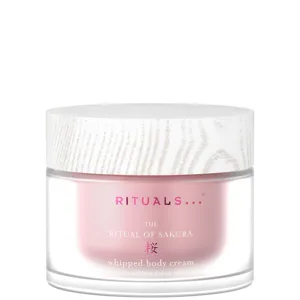
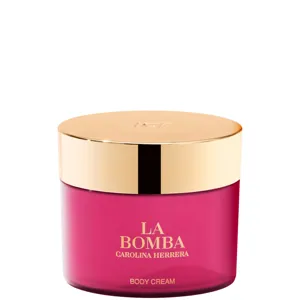
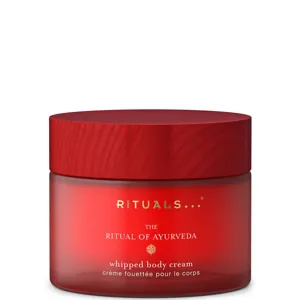
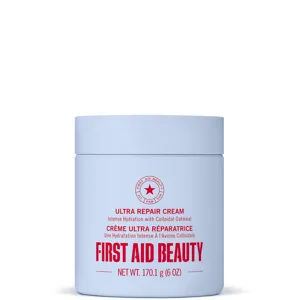
Creams step up the cushioning. Look for ceramides, cholesterol, and fatty acids. Those restore the barrier and hold hydration longer. Urea adds slip and softness. You get a durable feel without obvious shine. For desk days or flights, creams win.
Butters bring heft. Shea and cocoa butter feed very dry zones. Keep butters for nights, ankles, and elbows, or for winter legs under trousers. Butters can suffocate acne‑prone backs. Instead, layer a ceramide cream on the back and save the butter for limbs.
Brands offer clear signposts. The Body Shop butters still nail the comfort brief. Clinique leans into barrier‑support creams with a clean finish. Garnier packs glycerin and urea into budget lotions. Check GlamGeek’s Body Creams and Body Lotions to compare textures, ingredients, and where they’re in stock in Australia.
Oils that play nice: dry glow vs deep occlusion
Oils create the final seal. The right choice depends on your climate, your clothes, and your base cream.
Dry oils like squalane and fractionated coconut oil vanish fast and give a soft sheen. Jojoba sits close to skin’s natural sebum and behaves well under silk or satin. Sunflower and grapeseed spread fast and feel light. These suit mornings and the upper body.
Heavier oils or ointments lock in moisture overnight. Consider almond oil, olive oil blends, or petrolatum on heels. Use them on small zones if you worry about transfer. For silk sheets, test a patch on the inside hem before you commit.
Match oil to cream. A light lotion pairs well with jojoba or squalane. A rich ceramide cream needs only a whisper of a dry oil, or none at all. If you see shine sitting on the surface after three minutes, you used too much oil or the combo clashes.
Product cues help. Clarins body oils favour plant blends with an aromatherapy angle. L'Oréal and Garnier sell lighter drugstore oils that suit daytime. Luxury blends show up at MYER and Sephora Australia. Drugstore staples pop up at Chemist Warehouse and Priceline. Save your favourites on GlamGeek to catch price dips across retailers.
{{IMAGE:close-up of body oil on woman’s hands}}Stop pilling and skip the grease: technique matters
Pilling happens when polymers and silicones form clumps as you rub. Too much product or too much friction drives that mess. The fix starts with less product and lighter hands.
Apply serum in a thin layer and give it up to a minute. Massage cream until your skin changes from slippery to supple. That texture shift tells you the emulsion has set. Then press oil on top. Do not rub circles for minutes. That grinding causes pills.
Mind conflict. A silicone‑heavy serum under a waxy butter pills fast. Swap to a humectant‑rich, silicone‑light serum under that butter. Or keep the butter for nights and use a cream in the day. Test pairings on one shin until you find your match.
Watch your totals. A 50‑cent coin of lotion covers an arm. Two pea‑sized dots of oil finish it. If you still feel slick, halve the oil next time. If you still look dull, apply a touch more oil on the highest points only: collarbones, shins, and shoulders.
Morning routines with SPF, scent, and sweat in mind
SPF comes before outdoor exposure and should sit on clean, dry skin. You then leave it to set. Oils can disrupt the film if you add them under or over sunscreen with no wait.
Here’s a reliable order for sunny days: shower, towel dry, hydration serum, light lotion on covered areas, body sunscreen on exposed areas, wait 10–15 minutes, then add a small amount of dry oil on non‑exposed zones if you want glow. If you crave sheen on your legs and they see the sun, choose a high SPF body lotion that already includes nourishing emollients. That keeps the film intact.
Fragrance sits best on moisturised skin. Spritz after you finish SPF and before you dress. Scent loves a hint of oil, but you want that oil away from your sunscreen zones. Spray pulse points or apply a scented lotion on the torso under clothes. Explore our Eau de Parfum Perfumes and Eau de Toilette Perfumes if you plan a body‑care‑plus‑scent routine.
Heat and sweat change the rules. On steamy days, skip oil in the morning. Use a gel lotion that dries fast. Save richer layers for evening. Tuck a small SPF in your bag for top‑ups on arms and hands. Explore SPF Protection Products to compare textures that hold up in Australian heat.
Night routines: actives, retinoids, and recovery
Night gives you time and space for actives. Retinol or AHA body serums work best when you avoid heavy occlusion on top. Lay them on clean, dry skin, then add a ceramide cream after 10 minutes. Keep oil minimal or skip it on the zones you treat. You reduce the chance of irritation and still wake up comfortable.
Rotate your week. Two or three nights for retinol or lactic acid on the upper arms and thighs. Other nights for pure hydration: hyaluronic or urea serum, then cream, then oil on ankles and elbows. If you shave at night, go simple: hydrating serum and a fragrance‑free cream only.
For rough heels, occlude by zone. Slather a urea cream, then seal with petrolatum or a richer oil. Pop on socks. Keep that strategy for feet and skip it on backs or chests, which break out more easily.
If you use self‑tan drops in lotion, place them in the cream step. Blend well, wash hands, then skip oil until the tan sets. Oil can shift pigment and cause streaks.
Pairings we rate: simple formulas that stack well
Hydration all‑rounder: a glycerin and hyaluronic serum under a ceramide cream, finished with a thin veil of squalane oil on the shins. This stack suits office air‑con and doesn’t mark clothes.
Texture focus for arms: lactic acid serum two nights a week, then a light cream. On the other nights, switch to a niacinamide body serum and the same cream. Oil only on elbows.
Summer legs: lotion that lists urea and glycerin high up. Skip oil in the morning. If you want sheen for evening, press in a drop of jojoba oil over the front of the shins only.
Winter torso: hydrating serum, mid‑weight cream with ceramides, then a few drops of sunflower oil pressed in. If you still feel tight, add a butter at night and keep oil to ankles and hands.
Fragrance days: body serum and lotion on the torso. SPF on exposed areas. Perfume after SPF sets. Oil only on non‑exposed zones like the shoulders under sleeves. Build the base with a scented lotion from Estée Lauder or a body butter from The Body Shop for extra cling.
Common pitfalls and quick fixes
Greasy feel hours later: you likely used too much oil or chose a heavy oil over a rich cream. Reduce oil by half. Or swap to a dry oil like squalane.
Pilling on sleeves: lighten the serum or change the pairings. Silicone‑light serums sit better under waxy butters. Press, don’t rub, when you add oil.
Itch under knitwear: fragrances or acids can aggravate skin under warm layers. Keep day stacks fragrance‑free on areas that touch wool. Save actives for nights.
Back breakouts: use a treatment serum with niacinamide and a light lotion. Skip oil on the back. Pick cotton tees under jumpers to reduce occlusion.
No lasting hydration: you may miss the damp‑skin step or your room runs too dry. Mist lightly before serum. Switch to a cream with ceramides and urea. Add spot‑occlusion on ankles and heels only.
Shopping smart in Australia: texture, stock, and the “Australia tax”
We track prices across Mecca, Sephora Australia, Priceline, Chemist Warehouse, Adore Beauty, and MYER. Australia often carries a premium compared to US listings. We see notable gaps on body oils and luxury creams. The flip side: Chemist Warehouse and Priceline run frequent promos on body lotions and shower care. Sephora and Mecca run seasonal events that catch the premium lines.
Use GlamGeek to compare stock and offers before you buy. Add your picks from Shower Gels & Body Washes, Body Lotions, and Body Creams. We’ll alert you when a favourite dips. That helps you build a routine you can actually maintain.
Check brand availability. Clarins oils usually sit at MYER and Adore Beauty. Garnier and L'Oréal body lines sit at supermarkets, Chemist Warehouse, and Priceline. Clinique pops up at MYER, Adore Beauty, and some Sephora doors. Limited shades or scents show up online first, then in stores. If you chase a specific fragrance blend or limited body oil, set a wishlist alert so you don’t overpay in a rush.
Mind the climate too. Hot vans and long shipping routes can warm parcels. Choose heat‑stable formulas in summer. Gel lotions and squalane‑based oils handle heat better than heavy butters in thin plastic tubs. Store body oils away from direct sun to protect scent and colour.
What this means for your routine
Layering body care doesn’t need guesswork. Stick to a simple system and adjust the weights with the season. Hydrate on damp skin. Apply serum, then cream, then a small amount of oil. Give each step a short moment to set. Target oils to hotspots rather than your whole body when you fear transfer.
Plan your mornings around SPF. Keep oils away from sunscreen zones or pick nourishing SPF lotions. Run actives at night with light occlusion. Swap textures with the weather and your wardrobe. And shop smarter. Use GlamGeek’s comparison to find your picks across Australian retailers, then add them to your wishlist for drop alerts.
- Thin to thick: water‑based serum, then cream, then oil.
- Work fast after the shower. Aim for three minutes.
- Match textures to climate and fabric.
- Use spot‑occlusion on heels and elbows.
- Keep oil away from sunscreen zones.
- Rotate actives at night. Keep days calm.
Ready to build your stack?
Pick one hydrating serum, one daily cream or lotion, and one oil that suits your climate. Save them to your GlamGeek wishlist. We track pricing across Mecca, Priceline, Chemist Warehouse, Adore Beauty, Sephora Australia, and MYER, so you don’t have to. Start with one zone if you feel unsure. Shins tell you fast if you got it right.
Which combos work best on your skin in Australian heat or winter wind? Are you team squalane or team shea? Tell us which body serums and oils behave well together, and which pairings you’d skip.