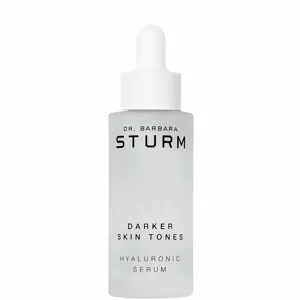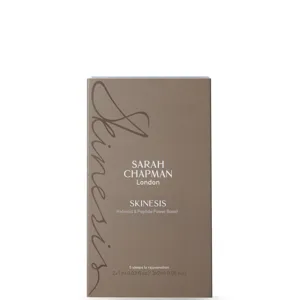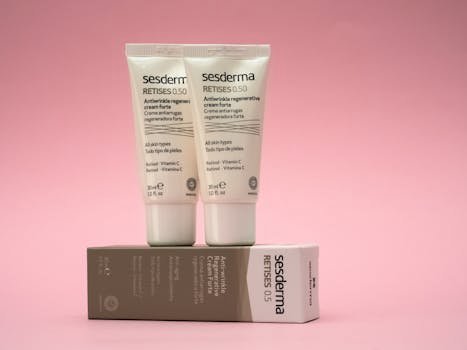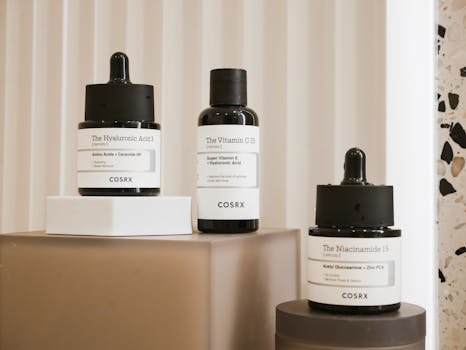
Retinol gets headlines. Peptides get basket adds. Our price tracker shows peptide serums go on promo more often than retinol in Australia, especially outside winter. That gap nudges many women toward the gentler option.
But price isn’t the only lever. Retinol pushes visible change in texture, tone, and fine lines. Peptides promise bounce and support with less sting. The real question isn’t hype. It’s which one moves your skin goals faster, with fewer side effects, and how to stack them without wrecking your barrier.
We cut through brand claims with what the data supports, what daily use looks like on real skin in a high-UV climate, and where to spend in Australian retailers without copping the Australia tax.
Context: what we mean by retinol and peptides in 2026
Retinol is vitamin A in cosmetic form. Your skin converts retinol to retinaldehyde and then to retinoic acid, which binds to nuclear receptors and changes how cells behave. That’s why it smooths fine lines, improves uneven tone, reduces visible pores, and clears congestion over time. Prescription tretinoin works faster. In Australia, that sits behind the counter. Over-the-counter retinol remains the practical option for most women.
Peptides are short chains of amino acids. They send signals, carry minerals, slow enzymes that break down collagen, or relax muscle tension at the surface. Examples include palmitoyl pentapeptide-4 (often called Matrixyl), acetyl hexapeptide-8 (sold as Argireline), and copper tripeptide-1. They aim to support firmness and hydration and can soften the look of lines.
Retail patterns matter. Across our merchant feed, retinol serums tend to sit at higher RRPs and go on sale less often than peptide serums. We also see seasonal bundling: peptides get boxed into hydrating sets before summer; retinol slides into night-skin kits ahead of winter.
Australia’s climate shapes use. High UV year-round demands SPF 50+ every morning, no exceptions. Heat and humidity challenge formula stability. Airless pumps and encapsulated retinol matter more here than in cooler markets. If a brand cheaps out on packaging, efficacy drops fast in a Queensland summer.
{{IMAGE:retinol serum peptides skincare flatlay}}Retinol: what it does, who it suits, and realistic timelines
Retinol drives change. It speeds cell turnover, helps normalise oil flow, boosts collagen synthesis, and reduces excess pigment. That package tackles fine lines, mottled tone, roughness, and comedones. You will very likely peel, flush, or feel tight at first. That’s normal adaptation, not failure.
Strength matters. A starter retinol sits around a low percentage and uses encapsulation or oil carriers to release steadily. Mid-strength pushes faster results with more risk of irritation. High-strength non-prescription retinol sits at the top of OTC, better left to resilient, already acclimated skin.
Time to visible change depends on your target:
- Texture and radiance: improvement often shows within 4–6 weeks as dull dead cells shed more evenly.
- Fine lines: softening often lands by 8–12 weeks as dermal remodelling ramps up.
- Pigmentation: uneven tone and post-acne marks can take 12 weeks and beyond. Melasma responds inconsistently and needs strict photoprotection.
- Acne: comedones and small inflamed bumps improve within 6–12 weeks when you stick to use and don’t over-exfoliate.
We rate retinol for photoageing, enlarged-looking pores, and recurring congestion. We don’t rate it for quick wins. It rewards patience and routine. In Australia, we also rate packaging. Choose opaque, airless designs that can handle heat and light without rapid oxidation.
Peptides: what they do, which types, and where they shine
Peptides support skin in targeted ways and tend to behave. They rarely sting. They pair well with most actives. They suit morning routines when you want bounce without the risk of photosensitivity.
They come in several families:
- Signal peptides (like palmitoyl pentapeptide-4): nudge fibroblasts to produce collagen and extracellular matrix components.
- Carrier peptides (like copper tripeptide-1): deliver trace minerals such as copper to assist enzymatic repair.
- Neurotransmitter-inhibiting peptides (like acetyl hexapeptide-8): relax surface muscle activity to soften expression lines.
- Enzyme-inhibiting peptides: help slow the breakdown of collagen and elastin.
The evidence base varies. Some peptides have solid in-vitro and small clinical studies. Others rest on brand data. You still see reliable gains in hydration, plumpness, and short-term firmness. Those changes can lift how makeup sits and how skin looks under bright daylight.
Timelines look different to retinol. Many women notice improved suppleness within two weeks. Fine lines can appear softer within four to eight weeks. Brown patches from sun exposure won’t shift much. Active acne and stubborn congested pores won’t budge either. That’s outside peptide scope.
Peptides suit sensitive skin, pregnant women who avoid retinoids, and anyone who wants a maintenance routine that travels well across seasons. They also suit retinol users who want extra support without stacking irritation.
Which works better? It depends on the goal, not the trend
Match the active to the job.
For photoageing (fine lines, roughness, uneven tone): retinol wins on depth and breadth of results. It remodels and retexturises. Peptides can add bounce and hydration, but they won’t clear mottled tone or clogged pores with the same impact.
For expression lines on the forehead or around the eyes: neurotransmitter-inhibiting peptides can soften the look of dynamic lines, especially when used under makeup. Retinol helps too, but takes longer and can irritate the eye contour. A peptide eye serum in the morning and retinoid near the area at night (placed carefully) covers more bases.
For acne and visible pores: retinol again. It normalises cell turnover inside the pore and reduces microcomedones. Peptides don’t target this pathway. Pair retinol with a gentle cleanser and non-comedogenic moisturiser to steady the barrier while you clear congestion.
For fragile or sensitised skin: peptides offer the safer start. You can stack them with ceramides and glycerin, then add retinol later once your skin tolerates change. This build-first approach prevents the stop–start pattern that stalls progress.
Irritation, purging, and how to avoid the red, flaky phase
Retinol can trigger dryness, erythema, stinging, and temporary breakouts as microcomedones surface. That isn’t a green light to push harder. It’s a sign to slow and buffer.
Use three guardrails:
- Start two nights a week. Step to every second night after two to three weeks. Consider three nights a week as a long-term cadence if your skin stays on edge.
- Sandwich the retinol. Apply a thin layer of moisturiser, then retinol, then another moisturiser layer. This buffers penetration and cuts sting.
- Pair with barrier support. Niacinamide (2–5%), ceramides, cholesterol, and fatty acids reduce transepidermal water loss and soften flaking.
Skip strong acids on retinol nights. Avoid fragrance-heavy products around the same time. Choose eye-safe options for the orbital area or keep retinoids a fingertip away from the lash line.
Peptides rarely irritate, but they still live in formulas that can. High alcohol content, heavy fragrance, or too many actives can stress reactive skin. Copper peptides can clash with low-pH acids and strong retinoids; keep them to opposite times of day or alternate nights.
Australia adds one big rule: sunscreen. Retinoids increase photosensitivity. Use SPF 50+ every morning and reapply outdoors. Choose sweat-resistant textures if you live in humid zones. Check our SPF Protection Products category if you need a formula that holds in heat.
Layering rules: can you use retinol and peptides together?
Yes. In fact, the pairing makes sense. Retinol drives long-term change. Peptides support firmness and soothe without extra sting. You can run a split-day routine or alternate nights.
Two simple maps work well:
- Morning: gentle cleanse, peptide serum, moisturiser, SPF 50+. Night: cleanse, retinol serum, moisturiser.
- Alternating nights: peptide serum on off nights, retinol on active nights. Keep the rest steady to avoid confounding your skin’s response.
Sequence by texture. Thinnest to thickest. Water-based serums first, creams last. If a peptide serum sits in a silicone-rich base and your retinol is a light emulsion, try retinol first so it can reach receptors. If your retinol rides in squalane, apply a water-based peptide serum first and give it a minute to set.
Be wary with copper peptides. Many brands advise a separate routine time from vitamin C, strong acids, and retinoids to avoid stability issues. If you love copper peptides, use them in the morning under sunscreen and leave the vitamin A work to night.
Keep actives count small on retinol nights. A soothing niacinamide serum or a bland moisturiser beats a cocktail of AHA, BHA, and vitamin C. Space actives across the week. Your barrier will thank you.
Formula and packaging: where quality matters in Australian heat
Retinol hates light, air, and heat. Encapsulation slows degradation and reduces irritation. Airless pumps, opaque bottles, and tight caps make a difference in real bathrooms, not just lab benches. If you move between air-con and outdoor heat, your formula faces stress cycles all day.
Base matters too. Squalane-based retinol spreads easily and feels cushy, great for drier skin. Lightweight emulsions suit combination and oily skin. Gels can feel fresh but may run drier. Look for supporting ingredients like glycerin, cholesterol, and ceramides.
Peptides need stable pH ranges and friendly solvents. Low pH can break them down. High ethanol can irritate without benefit. Brands that invest in airless dispensing and data-backed peptide blends usually hold performance longer, which matters if you buy backups during a Chemist Warehouse or Priceline promo and stash them.
Heat can split textures and speed oxidation. Don’t leave active serums in a car or a sunlit vanity. Store spares in a cool cupboard. If a product smells sharp, turns yellow fast, or separates, retire it. Efficacy drops before your eyes see it.
Results you can expect: weeks, not days
Retinol delivers structural change, so it needs time. Gentle starts lengthen the runway but improve adherence. Expect a steady lift in radiance in the first month, softer fine lines in months two and three, and more even tone as pigment turnover steadies. Acne-prone skin needs consistent cleansing and non-comedogenic moisturiser alongside retinol to see the best return.
Peptides punch early with visible plumpness and cushion, then plateau to a maintained, healthier look. They won’t resurface like a retinoid, but they help skin look fresh while you do the slower work at night.
We see strong satisfaction when women run both, keep routines simple, and respect the sun. SPF supports every result. Without it, retinol just chases damage you make daily.
Smart picks in Australia: evidence-led retinol and peptide options
Retailers here stock strong vitamin A and well-formulated peptide serums across budgets. We track prices across Sephora Australia, Mecca, MYER, Priceline, Chemist Warehouse, and Adore Beauty, and we often see meaningful price gaps. Open the GlamGeek comparison before you buy; promos rotate weekly.
Retinol starters and staples:
- L’Oréal Paris Revitalift Pure Retinol Night Serum: a widely available OTC option with micro-dosing guidance that suits retinol beginners. See our L'Oréal brand page to compare lines that sit under Revitalift and Pro-Retinol ranges.
- Estée Lauder Perfectionist Pro Rapid Renewal Retinol: mid-strength retinol in a reputable base from a counter brand. It lands across MYER and department stores. Track deals on our Estée Lauder hub and add it to your wishlist to catch dips.
- Garnier Retinol-B3 Night Serum: a supermarket and pharmacy pick with niacinamide support. It suits cautious starts and tight budgets. We list ranges on the Garnier page and flag multi-buy offers when they appear.
Peptide-forward serums and creams:
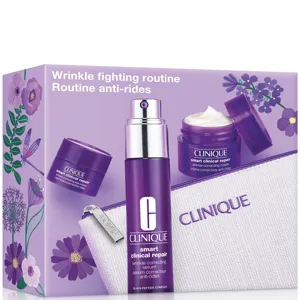
- Clinique Smart Clinical Repair Wrinkle Correcting Serum: a peptide-led formula designed for daily use, often bundled with minis. Compare sets and singles on our Clinique page and check kit values before you lock in the full size.
- Charlotte Tilbury Magic Serum Crystal Elixir: blends peptides with hydrators for fast plump under makeup. Sephora Australia and direct channels carry it. We track both on our Charlotte Tilbury page so you can see who has the better cart total.
- Lancôme Rénergie peptide-focused lines: look to Rénergie creams and serums built around firming technologies. Our Lancôme brand page pulls in department store and online indie stockists so you can avoid full-price mistakes.
Don’t ignore Japanese counters. Shiseido’s retinol eye formats and firming serums excel at texture and stability. You’ll find them at MYER and Sephora Australia. Check our Shiseido page for kits that include high-value minis.
If you want a simple filter by active and promise, start with our Anti Ageing Face Serums and Day Face Serums categories. Use the wishlist. We’ll ping you when a serum you’re eyeing slides under your target price across stockists. We see Chemist Warehouse drop prices mid-week often; Mecca and Sephora deals usually tie to brand events.
Routine builder: simple schedules for different skin types
Dry or mature skin:
- AM: gentle cleanse, peptide serum, rich moisturiser, SPF 50+.
- PM: cleanse, retinol serum, nourishing night cream.
If flaking hits, switch to every second night for retinol and layer a lipid-heavy cream. Our Night Face Moisturisers category helps sort textures that actually lock in water.
Combination or oily skin with congestion:
- AM: mild gel cleanse, peptide serum, lightweight moisturiser, SPF 50+.
- PM: cleanse, retinol serum, oil-free moisturiser.
Keep acids modest. One AHA night a week suffices for most. Over-exfoliation amplifies purging and extends redness.
Sensitive or redness-prone skin:
- AM: cleanse, bland hydrating serum, peptide serum, SPF 50+.
- PM: cleanse, barrier moisturiser. Add retinol twice a week only after three to four calm weeks.
Test near the jawline first. If stinging lasts more than 20 minutes or redness persists the next day, cut frequency or switch to peptides only.
Makeup compatibility and the Australian summer test
Peptide serums usually sit well under primer and foundation. They add grip without pilling. If your base pills, cut down on silicone layering or give each step a minute to set. Our Face Primers and Liquid Foundations categories list finishes that hold in humidity.
Retinol can cause patchy makeup during the adaptation phase. Buff with a soft damp sponge, avoid heavy powders, and lean on creamy textures. A balm or ceramide-rich moisturiser under base smooths flakes without killing wear time.
Heat shifts everything. Sweat-resistant SPF and flexible setting products keep your face on in January. Avoid retinol during an outback trip if you know you can’t reapply sunscreen. Missed SPF plus retinoids equals extra irritation.
{{IMAGE:woman applying serum night skincare routine}}Myths we still hear—and what the data actually supports
“Peptides replace retinol.” They don’t. They complement each other. Retinol affects keratinocyte turnover and collagen synthesis at a receptor level. Peptides signal support and hydration. You get different, useful outcomes from both.
“You must peel for retinol to work.” You don’t. Visible peeling is an irritation sign, not a success metric. Many women progress with mild dryness and no flakes once they find a workable cadence.
“Copper peptides and retinol cancel each other.” The chemistry risk sits more with formulation stability than a hard rule on skin. To stay safe, use them at different times. If in doubt, lean on morning copper peptide use and night retinoids.
“Peptides are just expensive moisturisers.” Not always. Some blends show measurable changes in wrinkle depth and firmness in controlled testing. The catch: results hinge on concentration, delivery, and formula stability. That’s why brand-to-brand performance varies.
Safety checks: pregnancy, melasma, and when to see a doctor
Skip cosmetic retinoids in pregnancy and while breastfeeding. Peptides and niacinamide make a solid bridge routine until you return to vitamin A.
If you live with melasma, run retinol under strict photoprotection and watch for rebound pigment. Many women use gentle retinol alongside azelaic acid on off nights and high UVA filters. If patches darken, pause and seek a professional plan.
Severe acne with scarring risk needs clinical support. Your GP or dermatologist can advise on prescription retinoids or adjunct therapies. Cosmetic retinol helps, but complex acne deserves medical eyes.
Always patch test new actives for 24–48 hours on the jaw or behind the ear. Faster isn’t better if you inflame your barrier and stall progress for weeks.
What this means: how to choose faster and shop smarter
If you want broad anti-ageing change, start with retinol and build tolerance slowly. If you want easy plump and makeup-ready bounce, start with peptides. If you want the best of both, split them across day and night or alternate nights. That simple frame beats paralysis by analysis and it fits Australian life, where SPF and heat matter more than in cooler countries.
Focus your budget on the active step, not the cleanser. For retinol, pay for packaging and delivery. For peptides, pay for blended complexes with stability data and texture you’ll use daily. Use GlamGeek’s comparison tools to see which retailer runs your target product on promo this week, and tap the wishlist so we can ping you before stock flips back to full price.
Our verdict stays steady across years of tracking: retinol moves structural change; peptides support and smooth the edges. Together, they work better for most women than either alone.
Your next steps
Pick your lane for the next 12 weeks. Set a retinol cadence you can keep. Slot in a peptide serum in the morning or on off nights. Commit to SPF 50+ daily. Browse our curated Anti Ageing Face Serums for vitamin A options with solid packaging, and scan Day Face Serums for peptide-led formulas that wear well under sunscreen.
Want brand-specific comparisons? Start with Clinique, Estée Lauder, Charlotte Tilbury, Lancôme, Shiseido, and Garnier. Add your picks to a GlamGeek wishlist and we’ll alert you when prices move across Sephora Australia, Mecca, MYER, Priceline, Chemist Warehouse, and Adore Beauty.
Sign off
Where do you land: slow-and-steady retinol, cushiony peptides, or the power pair? Tell us your skin goals and the climate you live in, and we’ll help you build a simple routine you’ll actually keep—and track the best price while you do it.