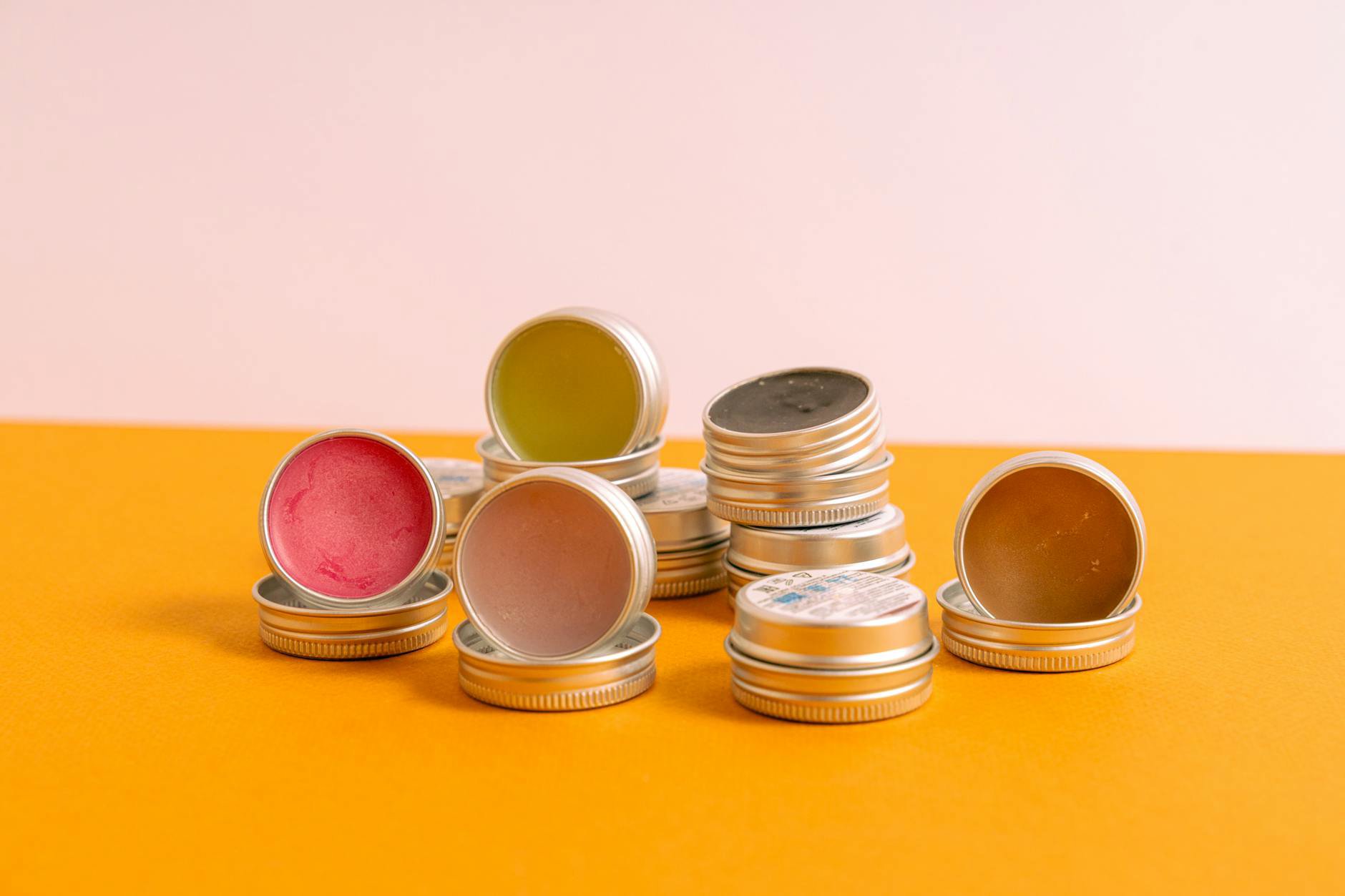
Lanolin shows up in far more lip products than most women realise. Our product feed flags lanolin and its derivatives across dozens of balms, ointments and lip treatments stocked by major Australian retailers. Search interest jumps every winter, and again before ski trips and beach holidays. That tracks with what lanolin does best: seal, soften, and stop lips from cracking when the air is dry or windy.
Yet we also see steady demand for lanolin-free options. Some women get redness around the mouth, tiny bumps, or a tingle they can’t place. Others avoid it for ethical reasons. The ingredient splits opinion, but it earns loyalty because it works fast on chapped lips. If you sit in the middle, you probably want clear guidance: What does lanolin actually do, who should avoid it, and which alternatives perform well in Australia’s climate?
We pulled together the science, the product labelling quirks, and the practical tricks. Plus a shortlist of lanolin-free routes that won’t leave you flaky by Friday.
Lanolin, explained: what it is, where it comes from, and why grade matters
Lanolin is wool wax. Sheep secrete it to waterproof their coats. Refiners clean and purify it into cosmetic lanolin, which turns thick and balm-like. Chemists rate lanolin for its blend of occlusives and emollients. That mix helps lock in water and smooth rough skin. Its structure also holds small amounts of water, so it behaves a little like a humectant as well.
Quality matters. Cosmetic lanolin comes in grades. Pharmacopoeial grades, such as USP or EP, set stricter limits on impurities like pesticide residues and residual alcohols. That tighter spec can reduce the chance of irritation for sensitive skin. You’ll also see derivatives on labels: lanolin alcohol, hydrogenated lanolin, acetylated lanolin, and PEG-modified versions. These tweak texture, gloss, or spread. Some derivatives feel lighter and less sticky, while others form a thicker seal.
Lanolin sits midway on most comedogenic scales. That worries some women with acne-prone skin, but lips don’t have many oil glands. On lips, the bigger question is sensitivity rather than clogged pores. Dermatology studies report sensitisation rates from low single digits up to a few percent in patch-tested groups. That sounds small, but it’s high enough to explain why some women react even as others swear by it.
Australia sits close to the source. We have a strong wool industry, and lanolin-based lip products have a long history here. You’ll see local brands lean into that heritage, alongside global names that keep lanolin in the mix because it still outperforms many plant waxes for pure water loss control.
{{IMAGE:woman applying lip balm outdoors sunshine}}Why many women rate lanolin: real benefits and when it shines
Lanolin excels at occlusion. It creates a breathable seal that slows transepidermal water loss. If your lips feel papery by late afternoon, occlusion alone can reset them. Lanolin also behaves as an emollient. It fills micro-cracks in the stratum corneum so lips feel smoother fast. That softer surface reflects light better, so even bare lips look healthier.
Texture makes lanolin practical. It grips, so it hangs on through coffee and meetings. That tack helps when wind and sun blast moisture away. Beach days, skiing in Thredbo, blasting office air-con in February — lanolin shines when the environment strips your lips. Anhydrous lanolin formulas (no water) also play well with other lip layers. They sit on top of a hydrating serum or a thin slick of petrolatum without pilling. You can also tap a whisper over matte lipstick to reduce the look of flakes.
Lanolin blends with waxes and oils without collapsing. Brands tweak the ratio to hit different feels. A higher wax fraction gives grip, while more oils add slip. That means you can find lanolin balms that feel rich, glossy, or near-matte. If you prefer makeup that behaves, this flexibility matters. You can pick a finish that won’t send your lip liner migrating by 11am.
We also see lanolin in multipurpose ointments. One tube covers cuticles, windburned cheeks, and cracking knuckles. If you want a single product in your carry-on, lanolin makes that possible. Before you buy, skim the INCI list on our Lip Balms & Creams page. Add the contenders to your wishlist and we’ll ping you when prices shift at Sephora Australia, Mecca, Priceline, Chemist Warehouse, Adore Beauty or MYER.
The downsides: irritation, taste, ethics and flavour traps
Lanolin can irritate. Sensitisation sits in the low single digits, but that’s enough to matter. The usual signs include red borders around the lips, itch, tiny blisters, or a burning tingle. Reactions often come from lanolin alcohols or impurities. Lower-grade material and strong fragrances raise the risk. If you react to wool, that doesn’t guarantee a lanolin allergy, but it raises suspicion. Patch testing with a dermatologist gives clarity if you keep flaring.
Flavour and fragrance complicate things. Menthol, peppermint, cinnamon and citrus oils can sting or worsen chapping. Many “tingly” balms cause more harm than help for sensitive lips. Women often blame lanolin when the flavour is the real culprit. If you suspect that, strip things back to fragrance-free for two weeks and reassess.
Taste and scent polarise. Lanolin has a mild, sheepy tang that some women notice. Derivatives and added flavours mask it, but that can bring the irritation loop back in. Ethics also come up. Lanolin is animal-derived, though producers harvest it from shorn wool, not from slaughter. If you prefer vegan lip care, you’ll want to skip it. Plant wax blends and vegan occlusives have caught up on comfort, even if pure performance still tilts lanolin’s way for extreme dryness.
Texture can be a con for gloss lovers. Some lanolin balms feel tacky. That grip keeps moisture in, but it grabs hair on a windy day. If you hate that, look for lighter silicone-lanolin blends or choose a lanolin-free balm with hydrogenated polyisobutene and esters for glide.
Who should avoid lanolin — and who probably doesn’t need to
Avoid lanolin if you have a confirmed allergy from patch testing. The same goes if you get repeat redness and scaling at the vermilion border within 24–48 hours of use. Women with very reactive, eczematous lips also do better with short INCI lists that skip fragrance, flavour and lanolin alcohols. Those streaks around the mouth after a spicy dinner can blur the picture, so take a few days to tease apart triggers.
Vegans may choose to avoid all lanolin, regardless of purity. Ethical preference defines that choice, not performance. Women prone to perioral dermatitis should cut flavours and essential oils first, then trial a bland occlusive. Lanolin can suit some, but petrolatum, squalane and silicones often cause fewer flares. If you have cold sores, focus on SPF and antivirals when needed. Lanolin won’t treat HSV, though it can ease accompanying dryness.
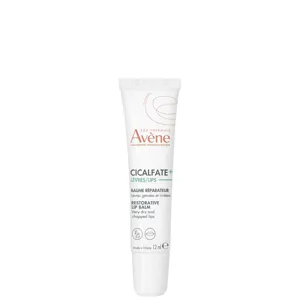
Pregnancy and breastfeeding questions come up often. Many nipple balms contain lanolin. That tells you something about its safety profile. For lips, the exposure is low. If uncertainty stresses you, use a lanolin-free balm. Options abound. Check our Lip Balms & Creams category and filter by fragrance-free or plant-based claims on the product pages.
Women on isotretinoin often get severe lip dryness. Dermatologists tend to suggest simple occlusives. Lanolin can help, but many manage well with petrolatum or dimethicone instead. Trial both, one at a time, and stick with the formula that stings least and lasts longest.
Reading the label: lanolin names, strengths, and the extras that matter
“Lanolin” is only the start. You’ll see these names on ingredient lists:
- Lanolin (the whole refined wax)
- Lanolin Alcohol (a purified fraction rich in sterols; higher allergy risk)
- Hydrogenated Lanolin (more stable, often thicker)
- Acetylated Lanolin / Isopropyl Lanolate (slippery, more emollient)
- PEG-75 Lanolin / Ethoxylated Lanolin (improves spread; can irritate some)
Position on the INCI list hints at strength. If lanolin or lanolin alcohol sits in the first five ingredients, expect a stronger lanolin presence and a firmer seal. If it shows up mid-list, you’ll likely get more slip from oils and esters. USP or EP grade claims can appear on pack or brand sites. Stronger grades tend to cost more and reduce the odds of a reaction.
Watch the “extras.” Fragrance, flavour, menthol, eucalyptol, cinnamon, lemon oil, and peppermint oil push sensitive lips over the edge. Salicylic acid appears in some so-called lip exfoliators and can worsen chapping. Keep acids off sore lips. Save them for facial skin, and even then, go gentle. You can browse soothing options within Day Face Serums, then keep them away from your lip line.
Packaging counts. Jars look cute, but fingers carry bacteria and fragrance from your hand cream. Tins warm up in the sun and can go runny. Squeeze tubes and sticks keep things tidier and travel-friendly. They also help you dose less, which reduces waste if you only need a thin coat.
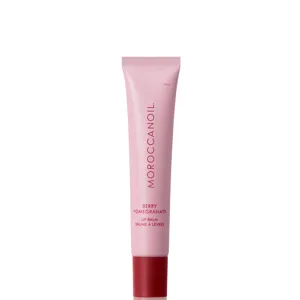
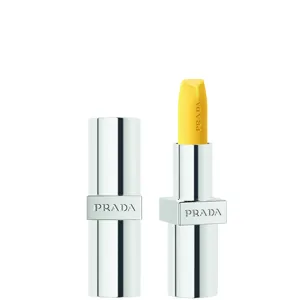
If you love a tinted finish, scan our Lipsticks and Lip Glosses pages for balmy hybrids. Many offer cushion and sheen without heavy lanolin. Add a few to your GlamGeek wishlist to pick them up when we flag a price dip at your preferred retailer.
Lanolin-free alternatives that actually work
You have plenty of effective substitutes. Petrolatum remains the gold-standard occlusive for sealing in water. It’s inert, cheap, and well tolerated. Mineral oil gel blends feel lighter but still protect. Dimethicone and other silicones create a soft-focus film that resists saliva and food better than many oils. They also layer well under lipstick without melting the bullet.
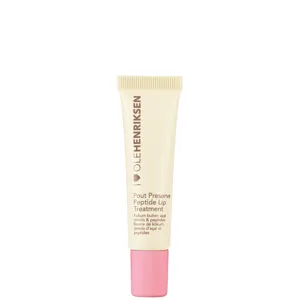
Plant butters add cushion. Shea, cocoa, mango and cupuaçu soften flakes and improve slip. Jojoba esters and hydrogenated polyisobutene give gloss and glide without heaviness. Squalane (olive- or sugarcane-derived) soaks in fast and feels undetectable after a minute. Ceramides and cholesterol support barrier repair over time. You’ll find these in lip treatments marketed as “barrier repair” or “night masks.”
If you like prestige textures, brands known for sensitive-skin formulas often run lighter on lanolin or skip it. Explore options from Clinique, MAC, Lancf4me, Este9e Lauder, and Sephora Collection. We track ranges across Australian stockists, so add your favourites to your wishlist. We’ll alert you when a colour or tube drops in price.
Prefer J-beauty or high-performance SPF hybrids? Check out lip care picks under Shiseido on GlamGeek. Their sunscreen expertise often carries into lip formats with elegant textures. Always check the INCI on our product pages to confirm lanolin status before you click buy.
{{IMAGE:lanolin-free lip balm flatlay}}SPF for lips in Australia: with or without lanolin
UV is fierce here, even on cloudy days. Lips burn fast because they lack melanin and a thick stratum corneum. That burn ages lips and sets up cold sore triggers for many women. Daily SPF on lips matters. Go for SPF 30+ if you’ll spend time outdoors, and reapply every two hours or after eating and drinking.
Lanolin and SPF can coexist. Some SPF lip balms use lanolin to hold filters in place. Others rely on petrolatum, waxes and silicones. If you avoid lanolin, you still have options. Zinc oxide-based sticks suit beach days and water sports. Chemical filter balms feel lighter for weekday commutes. Athletes often prefer balms with silicones for grip and sweat resistance.
Scan our curated SPF Protection Products page and filter to lip formats. You can compare textures, filter types and flavours. Add two: one clear daily SPF balm, one heavy-duty sport stick. We’ll keep watch across Priceline, Chemist Warehouse and the department stores, so you don’t need to.
Pro tip for lipstick fans: lay down a thin SPF balm, blot, then apply your colour. You’ll keep protection without breaking your bullet’s wear. If you need more shine, tap a tiny amount of clear balm or gloss on the centre only.
How to reduce chapping without relying on any one ingredient
Lanolin, petrolatum or plant waxes will only work if you set the stage. Hydrate. Aim for regular sips rather than big gulps. Run a humidifier if your reverse-cycle air-con dries the air. Don’t lick your lips. The saliva evaporates and takes more moisture with it. Skip matte liquid lipsticks during a flare. Switch to balmy bullets or a cushiony gloss and save the mattes for better days.
Gentle exfoliation helps, but go easy. Avoid physical scrubs with sugar or salt on sore lips. They create micro-tears. Instead, press a warm, damp cotton pad over your lips for a minute, then wipe softly. Do this twice a week. Add a creamy, fragrance-free moisturiser around the mouth at night. Your facial moisturiser can do the job. Scan our Night Face Moisturisers category for barrier-focused picks that won’t sting.
Build a simple lip-care rhythm that fits your day. Morning: SPF balm. Midday: reapply after meals. Evening: cleanse, then layer a hydrating lip serum or a drop of squalane, followed by your occlusive of choice. Rotate lanolin, petrolatum, or a silicone-rich balm depending on how your lips feel and the weather that week.
If lanolin stings but you still want the results
Try a different format. Pure, pharmacopoeial-grade lanolin can cause fewer issues than fragrant, flavoured blends. Look for simpler, fragrance-free labels with short INCI lists. Apply to fully dry lips. Damp skin increases penetration and can raise sting. Layer a thin petrolatum base first, then dab a small amount of lanolin on top as a seal. Many women tolerate that sandwich who can’t handle straight lanolin.
Patch test on your inner arm or just outside the lip line for two days. Check for redness or itch. If you react, stop. If you don’t, try a light application at night only. Morning sting usually means the formula or fragrance is wrong for you. Swap to a silicone-and-ester balm with ceramides and give your lips seven days to calm.
Keep flavours out until your lips heal. You can reintroduce vanillas and fruits later if you want scent. Peppermint and menthol feel fresh, but they often restart the flare. If you rely on tinted balms, keep a more pigmented lipstick in your bag from a line known for sensitive formulas, like Clinique or MAC. Apply over your non-lanolin balm to get colour without the sting.
What this means for your makeup bag
Lanolin earns its reputation. It seals, softens and lasts. It also irritates a minority of women and conflicts with vegan preferences. You don’t need to pick sides. Treat it like a tool. Keep one lanolin-rich balm for harsh days if you tolerate it. Keep a lanolin-free option for routine use and for any time your lip line feels testy.
Use GlamGeek to do the boring bit. We track stock and prices across Mecca, Priceline, Chemist Warehouse, Adore Beauty, Sephora Australia and MYER. Shortlist a couple of lanolin and lanolin-free balms on our Lip Balms & Creams page. Add them to your wishlist. We’ll alert you when they drop, so you can buy when it makes sense rather than when your lips crack.
If colour is your non-negotiable, compare balmy bullets and glosses under Lipsticks and Lip Glosses. Filter by finish and claims, then check INCI lists on the product pages to confirm whether they include lanolin or not. For beach days, add a lip-specific pick from SPF Protection Products, and reapply like you would sunscreen on your shoulders.
Tell us what you’re hunting for
Do you want a fragrance-free, lanolin-free balm that still lasts through a swim? Or a tinted SPF stick that won’t dry out your lips by lunch? Tell us which textures you love and which ones you avoid. Add a few options to your GlamGeek wishlist, and we’ll do the price watching while you get on with your week.
Our feed updates daily. If a cult-favourite sells out or returns in a new formula, you’ll see it first on the product page. What lanolin question should we answer next?