Primer confusion spikes every summer on GlamGeek. Searches for “pilling”, “sweat-proof”, and “silicone vs water” jump as temperatures rise and makeup slides. Australian heat stresses formulas. Humidity tests film-formers. Sunscreen throws one more layer into the mix. No wonder base layers misbehave.
Our price tracker shows steady growth in primer interest since 2020, with hold-focused options gaining the fastest. Water-grip gels surged after viral moments. Smoothing silicone classics still hold the top slots in baskets. The trick isn’t picking a team. The trick is pairing base chemistry with your skin, foundation, and climate.
If your primer pills or your foundation separates, you face a compatibility clash or a technique issue. Both fix with a few smart swaps. We break down what “silicone-based” and “water-based” actually mean, how to match primer to foundation, and how to set a base that survives 35°C and a midday SPF top-up.
Why this debate matters in Australia now
Australian UV stays high year-round. Daily sunscreen isn’t optional. That extra layer often turns a fine base into a flaky one. Add humidity in the north and dry heat inland, and primers earn their keep. Our shoppers add more Face Primers to wishlists from November to February than any other months. That aligns with the sweat and shine complaints in reviews.
Retailers keep pushing new grip gels and blur balms. We track most of them across Mecca, Sephora Australia, Adore Beauty, Priceline, Chemist Warehouse and MYER. RRP often lands higher here than in the US or UK. That “Australia tax” hits prestige most. Use our comparison before you check out. Add a primer to your wishlist and we’ll ping you when the price drops.
Silicone vs water doesn’t equal “good vs bad.” It signals how the product forms a film, fills texture, and holds pigment. That chemistry drives wear time and finish. The right match looks smooth and lasts. The wrong one rubs off or pills by morning tea.
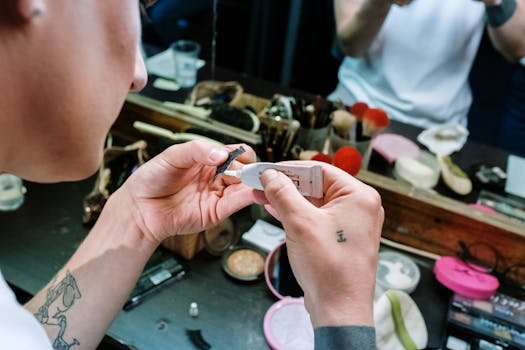
{{IMAGE:woman applying primer}}What makes a primer silicone-based or water-based
Brands rarely print “silicone-based” on the front. You read the INCI list instead. If you see dimethicone, cyclopentasiloxane, phenyl trimethicone, or “-siloxane/-silane” high up, you’ve got a silicone-led primer. These slip over skin, fill pores, and smooth texture. Many also use dimethicone crosspolymer to create a bouncy gel that blurs on contact.
Water-based primers list water (aqua) first and lean on humectants like glycerin and propanediol. They often add film-formers like PVP or acrylates to grip foundation. They can still include a little silicone lower in the list. That trace usually supports glide rather than run the show. Marketing calls these “grip”, “glaze”, or “hydrating”.
Don’t confuse silica with silicone. Silica is a mineral powder that absorbs oil and scatters light. It can mattify in both silicone-led and water-led formulas. Silicone is a family of synthetic polymers that give slip and smoothing. Both can blur. They do it in different ways and feel different on skin.
Texture tells a story. A whipped, mousse-like primer often leans silicone. A clear, bouncy gel often leans water with film-formers. Milky fluids usually hydrate, then lightly grip. Always scan the first five ingredients. They set the tone more than the claims on the front.
Matching primer to foundation: why base chemistry matters
Foundations mix water, oils, silicones, and powders. Many list water first, then load silicones. Others keep things light and rely on water, humectants, and a few acrylic polymers. That mix decides which primer plays nice. Like with like often works best. Silicone-led primers usually pair well with silicone-rich foundations. Water-led grip gels often suit lighter, water-leaning bases.
Look at the INCI on your bottle. If you see cyclopentasiloxane and dimethicone in the first five, you likely own a silicone-rich base. Think long-wear formats from brands like Estée Lauder, MAC, and L'Oréal. Smoothing silicone primers can lock those in and stop settling. If you love a flexible, skin-like base with fewer silicones, try a hydrating grip primer to anchor pigment without heavy blur.
Exceptions exist. Sheer tints with lots of emollients can slide on rich silicone balms. In that case, a thin water-based grip layer works better. On the flip side, a serum foundation can drag over a sticky gel. A light silicone primer can restore glide and even spread. You can also mix zones. Use a matte silicone blur on the T-zone and a hydrating gripper on cheeks. That combo controls shine and keeps glow.
Match the finish too. If you want a soft-focus matte base, pick a blur primer with silica and polymethylsilsesquioxane. If you prefer radiance, reach for a hydrating primer with glycerin and light-scattering pearls. Try options from Charlotte Tilbury, Clinique, and Shiseido for reliable finishes. We track frequent promos on these lines. Add them to your GlamGeek wishlist to catch a local markdown.
Pilling: what causes it and how to stop it in Aussie heat
Pilling happens when layers fight. You rub two films together and they roll up. Heavy silicones can ball if you stack too much. Thick gels can pill if you spread more than needed. Mineral sunscreens add friction and boost the risk. Sweat in heat rehydrates polymers and breaks films. You can stop most of this with sequence, timing, and pressure.
Keep layers thin. Use a pea-size primer for the whole face. Dot and press, don’t rub. Let skincare and sunscreen set. Many women rush here and see pilling later. Give sunscreen five to ten minutes. Then blot any excess. Now apply primer with light pressure. Tap with fingers or stamp with a dense sponge. Buffing brushes can lift films when it’s hot.
Match textures. If your SPF feels grippy, skip a sticky primer. Choose a light silicone layer to smooth that tack. If your SPF leaves a slip, go for a water grip to add hold. Watch known pillers. Long chains of dimethicone crosspolymer or high-load acrylates can ball if you stack them. A little goes far. If you top up SPF at lunch, press it over makeup, then smooth edges with a damp sponge. Don’t drag.
Heat adds oil. Oil weakens films. Carry blot papers or a microfibre cloth. Remove surface oil before touch-ups. Then reset with a tiny bit of primer on a cotton bud around the nose or crease lines. Finish with a fine loose powder. Use silica or talc blends. Avoid heavy baking in high humidity. That can cake and crack.
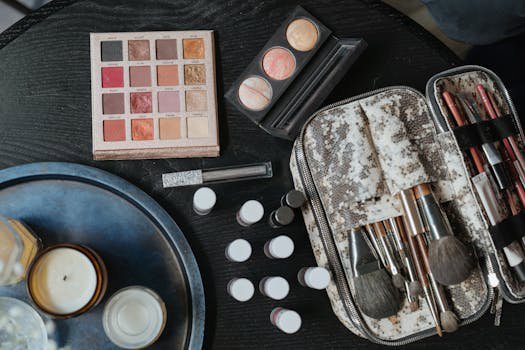
{{IMAGE:makeup flatlay primers foundations sunscreen}}Choose by skin type: oily, dry, and combination strategies
Oily skin needs control without suffocating pores. Look for primers with silica, starches, clay, or polymethylsilsesquioxane. These mop oil and keep texture even. Silicone-led blurs also help by filling uneven areas and slowing shine breakthrough. Focus on the T-zone and chin. Pair with long-wear foundations from lines like Estée Lauder or MAC. We see fewer transfer complaints in reviews when women combine oil control and film-formers.
Dry or dehydrated skin benefits from water-led primers with glycerin, panthenol, and low-weight hyaluronic acid. These hydrate the surface and hold makeup without dulling glow. A light silicone touch can still help smooth flake-prone patches. Avoid heavy mattifiers that accentuate texture. Think hydrating primers from Clinique or glow-boosters from Charlotte Tilbury. Set with a fine mist rather than a heavy powder if you see creping.
Combination skin does best with zoning. Use a matte blur down the centre, then a flexible, water-based grip on the perimeter. That combo saves product and keeps harmony. Layer order matters here. Apply the more fluid primer first, let it sit, then tap the blur where you shine. Try targeted options from Sephora Collection, Revolution, or Morphe if you want budget-friendly edits. Check our price tracker across Priceline and Chemist Warehouse before you buy. Stock rotates and discounts pop up fast.
Sensitive skin benefits from fewer fragrances and simpler textures. Scan for “parfum” or essential oils and skip if you react. Many primers add denatured alcohol for dry-down. That can work in heat but may sting. Consider gentle options from Clinique or smoothing gels from Shiseido. Always patch test on the jawline. Give it a day before a full-face wear.
SPF under makeup: order, filters, and primers that play well
Sunscreen sits after skincare and before primer. That order doesn’t change. Apply two generous lines per cheek. Let it set. The right primer then smooths and secures the base. Mineral SPF (zinc or titanium dioxide) can add drag and a whisper of texture. A thin silicone layer over mineral SPF restores glide and evens pores. Tap; don’t rub. Then lay down foundation.
Chemical SPF often feels more fluid and dries clear. A water-based gripping primer can add hold without weight. Look for glycerin, PVP, and acrylates. That combo keeps a tint steady in humidity. Many women top up SPF with a spray or stick at lunch. In that case, choose a foundation that tolerates light pressure. Avoid thick balms that lift when you reapply. You can also pick a tinted mineral SPF and skip heavy foundation on peak UV days.
We track strong performers in our SPF Protection Products category. Combine a sweat-resistant sunscreen with a primer that matches its texture. Your base stays smoother and you avoid chalky rub-off. If you wear a radiant base, set only where you need it. If you wear a matte base, set quickly before heat thins the film.
Reapplication matters more than perfection. Build a routine that you can repeat on the go. A small sponge, a travel blot cloth, and a compact powder give you options. You will keep layers intact and still meet your sun needs.
Heat-proofing your base: what holds when temps hit 35°C
Formulas with volatile silicones apply thinly, set fast, and resist sweat for longer. That includes many long-wear foundations and several smoothing primers. Film-formers like trimethylsiloxysilicate, acrylates copolymers, and VP/VA copolymer add grip and transfer resistance. Pair those with oil-absorbing powders and you build a base that endures heat.
Our reviews often praise long-wear lines from Estée Lauder, MAC, Shiseido, and L'Oréal. Women mention less creasing and fewer midday touch-ups when they combine a thin silicone blur with a sturdy foundation. If you prefer a water-led primer, choose one with strong film-formers and keep your layers thin. Top with a microfine powder. Press, don’t sweep.
Technique carries weight in heat. Cool your moisturiser in the fridge on extreme days. That calms skin and reduces early flush. Apply SPF and wait. Prime with taps. Lay down foundation in thin veils. Use a damp sponge to push pigment in. The sponge heat-sets the film without friction. Finish with a setting spray if you like it. Avoid heavy fragrances if your skin flares.
Pick strategic products for cheeks too. Cream blush under powder blush anchors colour. Use a small amount and set lightly. Skip heavy balms that slide. If you opt for glow, place it high and thin. Heat magnifies texture. Less gives more polish.
Ingredient clues: what to look for on the label
Scan the INCI and you will predict performance. Here are helpful cues:
- For smoothing blur: dimethicone, dimethicone crosspolymer, cyclopentasiloxane, polymethylsilsesquioxane, silica.
- For grip and wear: PVP, VP/VA copolymer, acrylates crosspolymer, trimethylsiloxysilicate.
- For oil control: silica, talc, starch, magnesium aluminum silicate, HDI/trimethylol hexyllactone crosspolymer.
- For hydration: glycerin, propanediol, panthenol, sodium hyaluronate, squalane.
Watch for strong fragrances high in the list if you react. Check for denatured alcohol. Small amounts can speed dry-down and improve wear in heat. High amounts can sting or dehydrate some skins. Balance matters. One feature rarely makes or breaks a primer. The full mix decides comfort and performance.
Spot likely pillers. If a serum, SPF, primer, and foundation all load acrylates or crosspolymers, you increase risk. Simplify one step. Switch the primer texture or choose a lighter moisturiser. You can also try a priming mist. That format adds grip with less film build-up. Browse upcoming sales on Sephora Collection and Revolution if you want to test without a big spend. Add to your GlamGeek wishlist for alerts.
Primer alternatives deserve a look too. Some women get enough smoothness from a silicone-rich sunscreen. Others rely on skincare, like a niacinamide serum for oil control or a lightweight Day Face Serum with glycerin for grip. If you keep layers light and compatible, you can skip a dedicated primer on cooler days.
Brand call-outs and smart pairings we rate
For pore-smoothing and hold, a classic silicone-led balm still works. Think smoothing pots and sticks from prestige lines and pro brands. Pair them with long-wear bases from MAC or Estée Lauder and keep application thin. Tap into the T-zone and around the nose only. You’ll keep texture soft without suffocating drier areas.
For grip without weight, try clear gels that list water, glycerin, and PVP up top. Options from Revolution and Sephora Collection often cost less and go on sale often. They pair well with flexible bases and skin tints from brands like Clinique or glow products from Charlotte Tilbury. Check our comparison before you buy. We track promos across Sephora Australia and Adore Beauty all week.
If you love Japanese textures, consider soft-blur primers and refined powders from Shiseido. They excel in humidity and handle sunscreen loads well. For high street wins, look at mattifying lines from L'Oréal. Their long-wear foundations pair smoothly with silicone-led primers and resist transfer in heat.
Prefer full-surface smoothing? Try a silicone balm first, then a light layer of a gripping gel on high-movement zones. That stack controls shine and anchors makeup through commutes and office air-con swings. Keep amounts tiny. Your base feels lighter and lasts longer. Explore our Face Primers and add a few to your wishlist. We’ll email you when a local retailer drops the price.
Application workflow: a no-pill, heat-safe routine
Use this sequence when the forecast hits 30°C and above:
Cleanse and hydrate with a light lotion. Let it sink. Apply sunscreen generously and wait at least five minutes. Blot excess. Choose your primer based on SPF feel. If SPF grips, apply a small silicone blur where texture shows. If SPF slips, press a water-based grip gel on the T-zone. Tap, don’t rub.
Apply foundation in thin layers. We rate flexible long-wear options from Estée Lauder, L'Oréal, and Clinique. Check our Liquid Foundations category for current stock and offers. Press product in with a damp sponge. Set creases with a touch of silica powder. Mist lightly if you like extra meld.
Carry a blotting aid. Remove oil before you stack more layers. For touch-ups, tap a rice-grain of primer on sides of the nose or smile lines. Then bounce a little foundation back in. You will refresh without bulk. Top up SPF with a stick or mist and press edges with a sponge. This workflow reduces pilling and keeps colour intact.
What this means
Primer choice isn’t a personality test. It’s a materials match. Scan your foundation’s first five ingredients. Then pick a primer that complements that chemistry and your skin type. Use thin layers. Tap, don’t rub. Wait between steps. Those small tweaks fix most pilling and separation complaints in our reviews.
Australian heat and daily SPF raise the bar. Build a base that accepts reapplication and resists sweat. Try zoning. Keep heavy textures away from cheeks if they crack there. Use our price tracker to avoid overpaying for repeats. Add your short list to a wishlist and watch for a drop. That approach saves money and stress when stock rotates or shades sell out.
Which primer formula gives you the smoothest wear in heat? Do you zone prime or go full-face? Tell us what pairs well with your SPF and foundation, and add your picks to a GlamGeek wishlist so we can alert you when prices move.