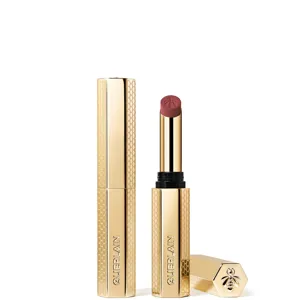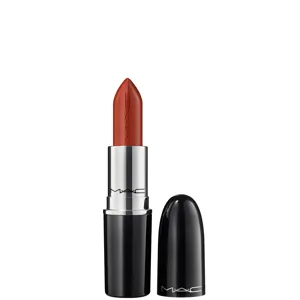
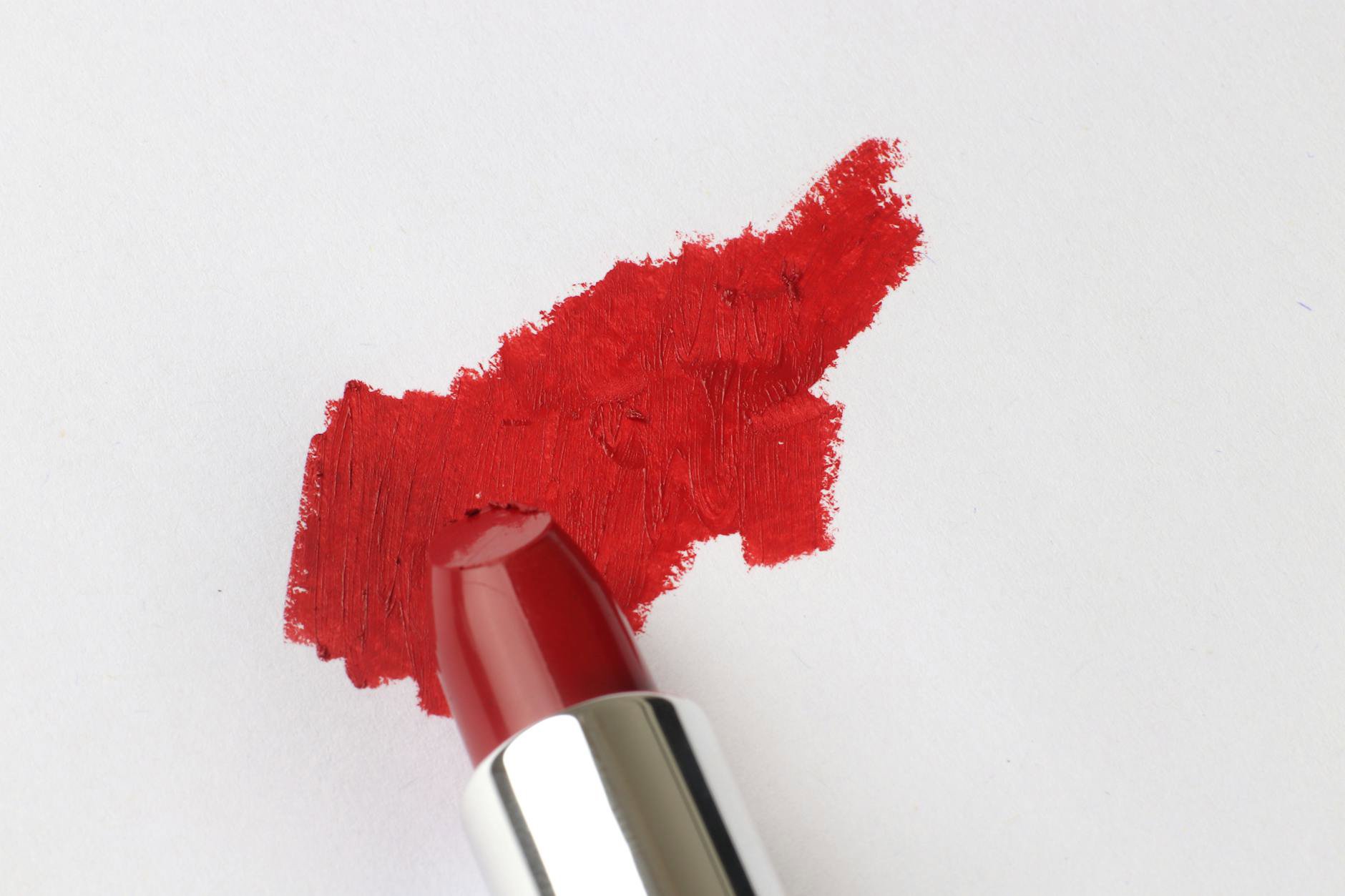
One reason nude lipsticks sit unused? The undertone misses the mark. Our price tracker has flagged repeat returns on popular nudes when brands swing too yellow or too grey. The fix rarely costs more. It just needs a better match between your skin undertone and the lipstick’s base tone.
Undertone sits under colour. It doesn’t change with summer or self-tan. When you get it right, classic reds look sharper, nudes stop washing you out, and pinks read polished instead of patchy. When you miss, even a premium formula looks wrong.
We’ve tracked lipstick launches, shade names and sell-outs since 2010. Shade ranges have grown, but shade descriptions haven’t kept pace. “Nude” can mean peach-beige in one brand and cool rose-beige in another. This guide cuts the noise, names the undertone cues that matter, and points you to shades that flatter in real life.
Context: why undertone matters in Australia
Australia runs high UV all year, with hot summers and humidity in the north. Many women tan or freckle fast, yet their undertone stays put. That is why an undertone match holds its value across seasons, even when your foundation depth shifts up or down.
Local retailers also shape choice. Sephora Australia, Mecca, Adore Beauty, Priceline, Chemist Warehouse and MYER share the load. Ranges update often, but not always at the same time as the US or UK. We still see import-only shades pop up months earlier offshore. That lag fuels shade FOMO and rushed buys that don’t match undertone.
Pricing adds friction. The “Australia tax” shows up on lipsticks too. We’ve logged notable gaps between global RRP and local tags, especially on luxury bullets. You can avoid an expensive mismatch by swatching smarter, using returns when they exist, or sampling formulas before you spring for the full size.
Since we launched price tracking in 2010, we’ve learned a blunt truth. Undertone accuracy beats hype. Shade naming helps, but base pigment tells the story. Learn to read it, and shopping gets simpler.
{{IMAGE:woman testing lipstick swatches on arm}}Undertone 101: cool, warm, neutral (and why it’s different from depth)
Undertone is the temperature of the colour beneath your skin’s surface. Think pink, peach, golden, olive or neutral-beige. Depth is how light or deep your complexion looks. They work together, but they are not the same thing. You can have very fair skin with a warm undertone, or deep skin with a cool undertone.
Lipsticks also carry undertones. The base pigments drive that. Blue-red, fuchsia, berry and mauve skew cool. Tomato red, coral, peach and terracotta skew warm. Beige-rose, brown-rose and balanced reds read neutral. You can spot this even in the bullet. A cherry red looks blue-leaning. A chilli red looks orange-leaning. A beige that leans grey or pink skews cool. A beige that leans peach or caramel skews warm.
Matching undertone usually flatters fast. Warm skin loves warm reds, peaches and golden-leaning nudes. Cool skin likes blue-reds, pinks and mauves. Neutral skin can swing either way. Contrast can work too. A cool red on warm skin looks crisp and editorial. A warm coral on cool skin brightens a winter face. The choice depends on the mood you want.
Here is the shortcut we use when we assess new ranges. If your foundation shade uses words like “golden”, “warm”, “olive” or “G”, start with warm-leaning lipsticks. If it says “pink”, “cool”, “rose” or “C”, start cool. If it says “neutral” or “N”, most balanced shades will work.
How to find your skin undertone without second-guessing
Use two or three checks together. One test can mislead, especially if you flush or if you have surface pigmentation.
- Vein check: Greenish veins often suggest warm or olive. Bluish or purple veins suggest cool. Mixed tones often land neutral.
- Jewellery check: Yellow gold tends to flatter warm undertones. Silver and white gold tend to flatter cool. If both look fine, you’re likely neutral.
- White tee test: Hold a bright white top near your face in daylight. If your skin looks grey or ruddy, you may be warm. If you look bright yet rosy, you may be cool. If both look fine, you may be neutral.
- Sun response: Do you tan quickly without burning? That leans warm or olive. Do you burn then slowly tan, or stay fair? That leans cool. This is only a clue. Always protect with SPF 50+ in Australia.
Olive undertones can trick every test. Olive sits warm in theory, but it often looks sallow next to peach. Many olive skins look best in neutral or slightly cool lip colours. Deep complexions can also skew cool and still tan richly. Don’t force a warm nude if it turns orange or ashy on your lips.
Carry your current foundation to the counter if you shop in person. Compare lip bullets to your foundation’s undertone cue. This keeps you anchored. If you shop online, use daylight selfies. Avoid filters. Place a warm and a cool swatch side by side on your wrist. The right undertone sits in harmony. The wrong undertone jumps forward or dulls your skin.
Still unsure? Start with balanced neutrals. Brands often label these “neutral rose”, “rosewood”, “soft brown rose” or “true red”. Balanced shades tolerate slight undertone shifts and tend to work across many faces.
Match or contrast: which approach suits your goal?
There is no rule that says you must match. Choose the effect you want.
Match undertone for polish. A warm nude on warm skin looks cohesive and low-effort. A cool berry on cool skin reads winter-chic. A neutral red on neutral skin lands classic. This path won’t fight your natural colouring, so it works for office looks or quick mornings.
Contrast undertone for impact. A blue-red on warm skin makes teeth look whiter and photos pop. An orange-red on cool skin brings heat and energy. A cool pink on golden skin gives a fresh hit, like blush on the lips. Keep the rest of the face simple when you contrast. That balance keeps the lip as the focus.
Use your outfit and lighting as your guide. Warm indoor lighting pushes warmth. A cool lip can counter that yellow cast. Harsh outdoor light can drain colour from cool complexions. A coral or brick lip restores life in midday sun. You set the tone, not the other way around.
Red lipsticks decoded: blue-red, true red, orange-red
Reds tell undertone stories clearly. That is why red is the best training ground.
Blue-reds flatter cool undertones and anyone chasing a crisp, white-tooth effect. Look for words like “blue red”, “cherry”, “scarlet”, “ruby” and “crimson”. On warm skin, blue-red brings drama and a slight contrast. On neutral skin, it reads classic. Explore legacy red ranges from brands like MAC for reliable undertone cues. Iconic house reds from Lancôme also map well across undertones.
True reds suit almost everyone. They sit near the centre, with neither heavy blue nor orange. Brands often call these “true red”, “classic red” or “neutral red”. If you want one red that works across seasons and outfits, start here. Shade families like Charlotte Tilbury’s balanced reds tend to land in this lane and suit many undertones.
Orange-reds flatter warm undertones and bring summer energy. Look for “tomato”, “chilli”, “vermilion” and “poppy”. On cool skin, they contrast. Pair with a clean base and a warm bronzer so the lip looks intentional. If you want a budget-friendly test run, check warm-leaning reds from L'Oréal before you commit to a luxury bullet.
Finish influences effect. Matte blue-reds look bolder and more graphic. Glossy orange-reds look lively and soft. We cover finish shifts below, because they often decide whether a red becomes your signature or stays in the drawer.
Nudes, pinks, berries and browns: undertone cues you can trust
Nude means “your lips but more polished”, not “concealer beige”. Aim for one to two shades deeper than your inner lip. Match or nudge undertone as needed.
Warm nudes: Think peach-beige, caramel, honey and toffee. These suit warm undertones and many tan complexions. Look for “peach”, “caramel”, “warm beige” or “terracotta” in the name. Layer a warm nude with a chestnut liner to avoid a flat finish.
Cool nudes: Think rose-beige, pinky taupe and mauve-beige. These suit cool undertones and many fair complexions. Look for “rose”, “mauve”, “dusty pink” and “pink beige”. Pair with a cool-toned blush so the face stays in the same temperature family.
Neutral nudes: Balanced beige-rose and soft brown-rose shades work well on neutral skin and on olive tones that reject peach. Classic “rosewood” sits here. Clinique’s sheer classics, like your-skin-but-better browns and berries, often behave like undertone blenders because they let your lip colour peek through.
Pinks: Cool blue-pinks flatter cool undertones and can brighten sallow days. Warm pinks lean coral or watermelon and flatter warm undertones. Neutral pinks often read “petal”, “blush” or “rosebud”. When in doubt, try a sheer pink first to judge temperature on your lips.
Berries: Cool berries (raspberry, plum) flatter cool and neutral undertones. Warm berries skew wine or brick and love warm complexions. Deep berry can drain fair skin. Balance it with a soft peach blush on warm skin or a cool rose blush on cool skin.
Browns: Warm browns skew chocolate, cinnamon and terracotta. Cool browns skew taupe and cocoa. Neutral browns land in “mocha” and “rose-brown” territory. Browns get tricky on cool fair skin because they can pull yellow. Try a rose-brown that keeps a hint of pink. If you want to test trends without spending, browse the Lipsticks category and add a few to your GlamGeek wishlist. We’ll ping you when we see a price dip.
Finish and formula: how sheen, matte and sheer change undertone
Two bullets can share a shade name and look different on the lip because of finish. Finish changes how much light the lip reflects. That alters how your eye reads undertone.
Matte concentrates pigment. It shows undertone with the most clarity. If you want precision, choose matte. That is why cult reds in matte finish earn their reputation. Brands like MAC build matte reds that map well to cool, warm or neutral.
Cream and satin blur edges and add hydration. They look more forgiving on lip lines. This softness also blends undertones. A slightly too-cool nude may work in satin when its matte twin looks chalky. If you’re neutral-undertone, satin formulas give you the widest usable range.
Gloss and sheer tints let your natural lip colour show through. Your lip’s own undertone pushes the final result. A warm gloss layered over a cool lip becomes balanced. A cool pink tint over warm lips reads neutral. Sheer formulas from Clinique and everyday basics from Sephora Collection make smart undertone testers.
Lip liners change undertone too. Use a neutral liner that matches your lip colour to anchor any lipstick. Or use a warm liner under a cool nude to add life. If a cool berry looks flat, add a soft brown liner to warm the edges and blend inward. A tiny tweak saves the purchase.
Undertone across skin tones: fair, olive, tan and deep
Fair and cool: Soft rose, blue-pink and blue-red flatter most. Warm peach nudes can turn orange. Choose rose-beige over peach-beige. Deep berries can overwhelm. Balance with a cool pink blush and tight mascara.
Fair and warm: Peach, coral and warm nudes sing. Blue-pinks can look stark. If you love them, choose sheer or glossy finishes. Warm reds and tomato reds look perfect in summer light.
Olive: Many olives test warm in undertone but go sallow with peach. Neutral rose-browns, balanced reds and cool berries work best. If “warm nude” fails you, try mauve-beige or rosewood. A neutral liner helps any lip sit right on olive skin.
Tan and warm: Terracotta, caramel nudes, orange-reds and warm berries look rich. Cool pinks can clash unless they are sheer. True reds and brick reds look strong in daylight and under warm indoor lights.
Tan and cool: Plum, cherry and rose-beige flatter. Avoid heavy yellow-brown nudes that can dull the face. Choose cocoa-rose, not caramel. A blue-red will make teeth pop.
Deep and warm: Cinnamon, chestnut, brick and wine shades look opulent. Warm berries carry well. Avoid pale beige nudes that can read grey. Choose caramel-rose or chocolate-rose for a balanced nude.
Deep and cool: Blackberry, plum, cherry and cool rose-browns flatter. True red reads powerful. Warm oranges can look loud. If you want warmth, try brick or mahogany rather than neon coral.
All tones: If your lips are much deeper than your face, blot with a touch of concealer around the edges. Then apply your lipstick. This prevents the base lip tone from shifting the shade too far from the bullet.
{{IMAGE:lipstick shade swatches on different skin tones}}Shopping and wearing lipstick in Australian conditions
Heat, sun and humidity change how lipsticks behave. They also change how undertone reads through the day.
Heat can soften bullets and boost transfer. Choose long-wear mattes or modern stains if you commute in summer. Many updated liquid mattes set without the tight feel of older formulas. A long-wear neutral red travels better in a hot handbag than a melty gloss.
Sun exposure fades bright pigments faster. A blue-red can shift to pink after a beach afternoon. Top up with a balm that includes SPF. See the Lip Balms & Creams and SPF Protection Products categories for options you can wear on top or under colour.
Humidity can blur edges. A crisp cool red needs a liner and a light blot in summer. Warm corals handle humidity better because the softer edge feels intentional. Carry tissues and blot once, then reapply a thin layer. Thin layers last longer and keep undertone true.
Australian retail quirks matter too. Mecca and Sephora Australia often hold exclusives. Adore Beauty and MYER carry different shade selections on legacy brands. Priceline and Chemist Warehouse deliver on budget nudes and reds. Check our comparison tool before you buy. Add a shade to your GlamGeek wishlist and we’ll alert you when it drops in price across major Aussie retailers.
Brand cues and shade names you can actually use
Shade names are marketing, but some patterns hold. Use them as clues, not gospel.
- Cool-leaning names: “rose”, “berry”, “plum”, “mauve”, “cherry”, “ruby”.
- Warm-leaning names: “peach”, “coral”, “terracotta”, “honey”, “caramel”, “spice”.
- Neutral-leaning names: “rosewood”, “mocha”, “nude”, “beige”, “soft brown”, “true red”.
Legacy red lines from MAC tend to label undertone cleanly. Balanced nudes from Charlotte Tilbury often sit in that neutral-rose pocket many women want. Everyday staples from L'Oréal and curated basics from Sephora Collection give inexpensive test beds for undertones.
If a hyped shade never lands here or arrives late, don’t rush to import. Check similar undertones from local lines. Use GlamGeek’s comparison pages to scan ingredients, undertone notes and user reviews in one place. We track local stock, so you don’t have to guess who has which shade this week.
Dry lips will skew your read on undertone. Prep first. Use a gentle scrub or a damp flannel, then a thin balm. Then line and apply. If you need makeup support, a touch of primer around the mouth smooths texture. The Face Primers category lists pore-blurring options that keep edges crisp in heat.
Test like a pro: swatches, photos and small tweaks
Arm swatches help, but your lips decide. Here’s how to test undertone without a counter visit.
- Daylight check: Apply on clean lips. Step near a window. Indoor warm light can shift a nude too peach or a pink too blue.
- White tee frame: Wear a bright white or black tee. It strips colour noise from your clothes and lets you read the lip true.
- Photo test: Take a photo with the back camera in daylight. Compare a cool and a warm option. One will look cleaner on your skin.
- Half-lip hack: Apply two shades split down the middle. Your eye will spot which side flatters.
- Liner rescue: If the bullet is close, use liner to steer. Warm chestnut under a cool nude. Rosy liner under a warm peach.
- Blot and layer: Thin layers help pigment set and stay true. Blot once on tissue. Add a second thin coat.
You can create a custom undertone with mixing. Tap a cool berry into the centre of a warm nude. Or warm a cool mauve with a golden gloss. Sheer products help you test changes without committing to a new bullet.
Store lipsticks away from direct sun and car heat. High heat warps texture and can separate oils and waxes. That shift can mute or muddy undertone. Keep a mini in your bag and the rest at home.
Building a small, hard-working lipstick wardrobe
Three to five shades can cover almost every scenario. Choose by undertone lane, then vary depth and finish.
- Everyday nude that matches your undertone. One satin, one matte if you want options.
- True red for events and quick polish. Neutral or matched to your undertone.
- Statement lip that contrasts your undertone. Blue-red for warm skins, coral or brick for cool skins.
- Seasonal bright or deep shade. Coral for summer, berry for winter.
- Adjusters: one neutral liner and one gloss that warms or cools.
Start with balanced shades if you feel unsure. Explore a cool and a warm option next. Use our compare tool to line up undertone notes and swatches across brands. When a luxury shade tempts you, park it on your GlamGeek wishlist so we can watch prices at Sephora Australia, Mecca, Adore Beauty, Priceline and MYER for you.
If you love classics, browse reds from MAC and neutral-rose nudes from Charlotte Tilbury. If you want a trend test, check browns, mauves and corals from L'Oréal and Sephora Collection. You can sort by finish and undertone cues within our Lipsticks category.
What this means: practical takeaways you can use today
Lock your skin undertone first. Use two checks, not one. Then decide the look you want. Match undertone for polish. Contrast for impact. Both paths work.
Pick your first test in a forgiving finish. Satin and sheer formulas give you more wiggle room. Move to matte once you love the undertone. Use liners and gloss to steer a near-miss. That saves money and reduces returns.
Consider Australian conditions. Choose long-wear and stain formulas for summer commutes. Keep an SPF lip product handy to protect and maintain colour. Heat and sun fade colour and shift undertones. Prep and reapply with thin layers.
Shop smarter. Check availability across Mecca, Sephora Australia, Adore Beauty, Priceline, Chemist Warehouse and MYER. Our tracker has followed pricing since 2010, and we still see gaps. Add your short-list to a GlamGeek wishlist. We’ll alert you when the price drops, so you can buy the right undertone at the right time.
Where do you land?
Do you prefer a matched undertone or a bold contrast? Which reds, nudes or berries flatter you most in real daylight? Tell us the undertone you reach for and the brands that nail it on your skin. Add your current favourites to your GlamGeek wishlist and we’ll keep an eye on prices across Australian retailers, so your next bullet looks right and costs less.