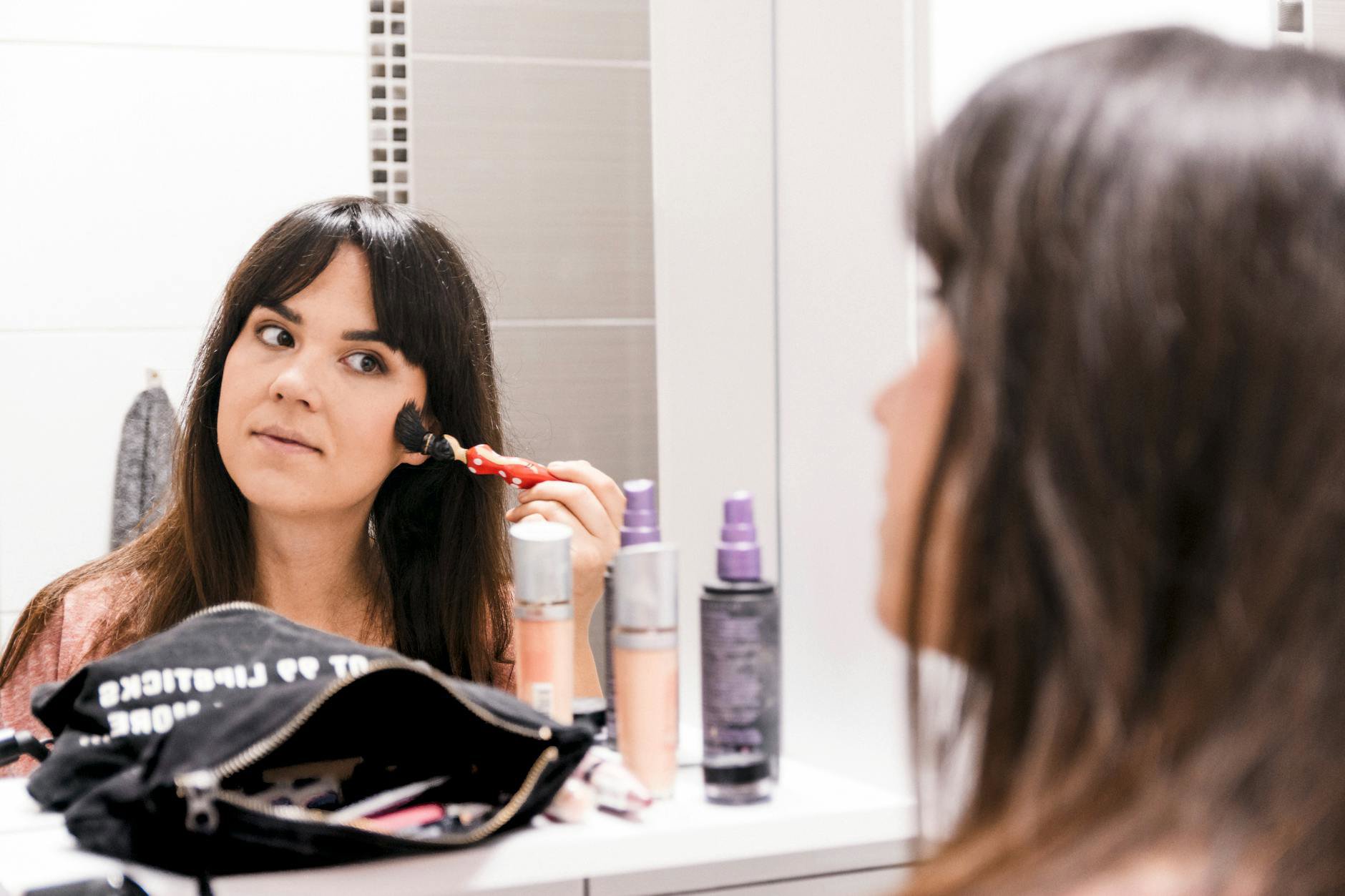
I watched a “morning shed” video last week and realised something: beauty content has started to look like a hardware store run.
Tape. Mouth strips. Heatless curl rods. Ten-step skin care. A drawer full of tools you “need” before coffee.
Meanwhile, Canadian derms keep saying most of us only need a fraction of what we buy. I believe them. I also know how tempting the scroll feels at 11:47 p.m.
Context: TikTok sells speed, but your skin lives on a calendar
Beauty headlines lately share one theme: acceleration. Trend trackers keep a running list of what goes viral, and it changes fast. That pace doesn’t match biology.
Skin turnover takes weeks. Barrier repair takes longer. Hair growth takes months. Yet the content cycle trains us to expect results in three sleeps and a haul.
Canadian coverage has also turned sharper. Reports about “Sephora kids” using anti-ageing creams, plus dermatologist pushback on overcomplicated routines, hit a nerve here because we shop across borders. A product can trend in the US on Monday, land at Sephora Canada later, and show up in a tween’s cart before a parent even knows what retinol does.
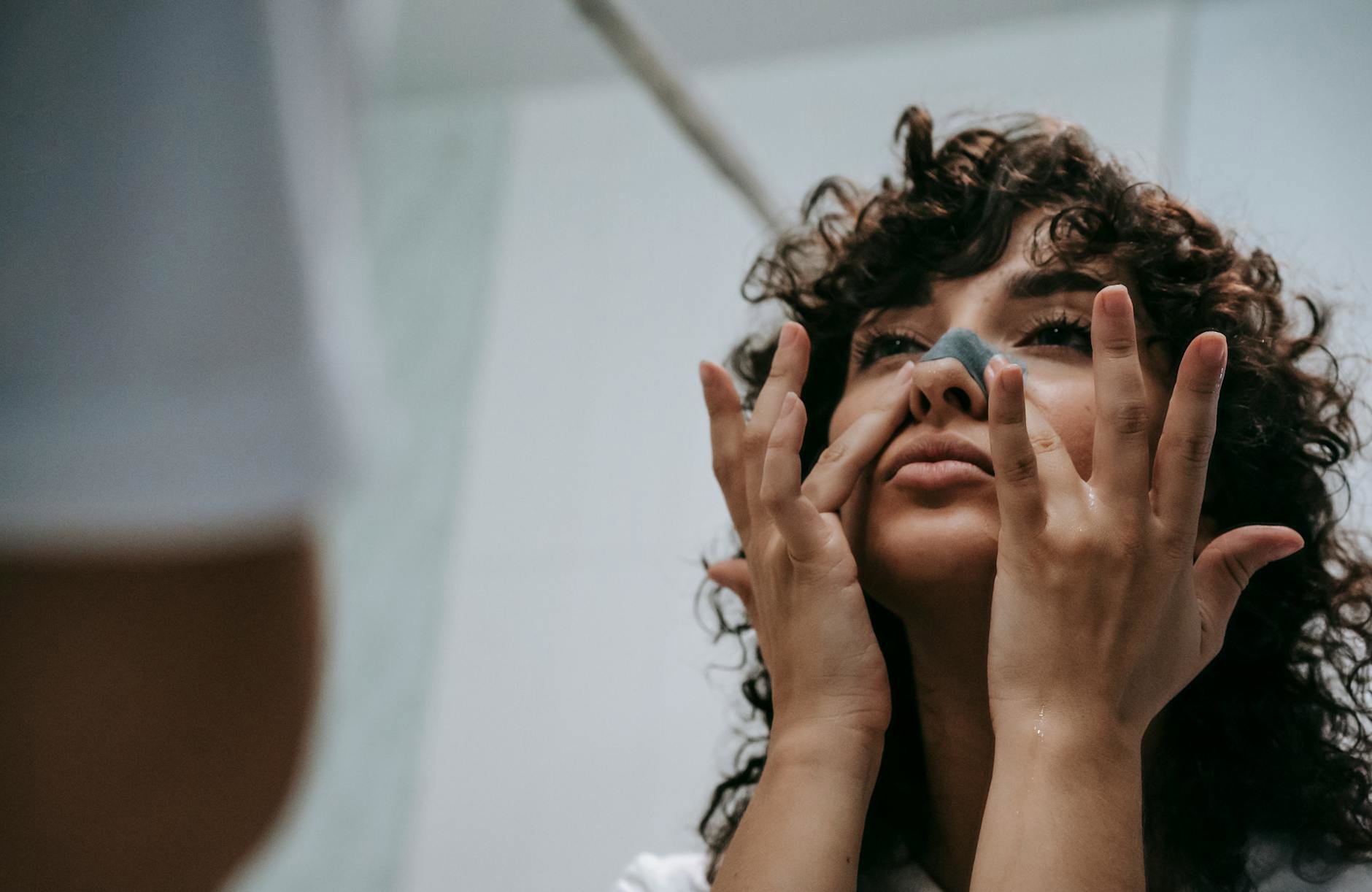
At the same time, sustainability talk has grown teeth. When a major company gets fined over environmental law violations, it changes how I read “clean” packaging claims. I still want better choices, but I now want proof, not vibes.
My 2026 rule: build a “two-lane” routine (daily lane + trend lane)
I don’t think you need to quit TikTok beauty. I think you need a structure that keeps trends from touching your baseline routine.
I call it a two-lane routine. The daily lane stays boring on purpose: cleanse, moisturise, sunscreen. The trend lane holds one experiment at a time, and it has rules.
Here’s how I set it up:
- Daily lane: gentle cleanser + moisturiser + SPF Protection Products every morning.
- Trend lane: one “extra” product, used 2–4 nights a week, for 4–6 weeks.
- Stop signs: stinging, new flaking, tightness by noon, or redness that lasts past your next wash.
- No stacking actives: if your trend is an exfoliant, you don’t also add a retinoid “because the comments said so.”
That structure sounds simple, but it fixes the most common problem I see in reviews: women don’t hate the product, they hate the pile-up.
If you want to browse products in a more organised way, I like starting with categories like skin care or makeup and filtering by your actual needs. GlamGeek’s price tracking shows when a product spikes or dips, which matters when trends inflate demand.
Anti-ageing panic is peaking early—so I’m reframing it as “barrier-first ageing well”
Let’s be blunt: anti-ageing content has started to target girls, not women. That creeps me out. It also confuses grown women who now think they need prescription-level irritation to “do it right.”
If you’re a woman who wants smoother texture, fewer fine lines, and brighter tone, I’d rather see you master two things before you chase the hard stuff: daily sunscreen and barrier support.
My barrier-first basics look like this:
- Gentle cleanse at night. If you wear heavy makeup, double cleanse with a balm then a wash.
- Moisturiser with lipids (ceramides, fatty acids, cholesterol) to reduce water loss.
- Targeted active only when your skin feels calm for two straight weeks.
- SPF every single morning, even on “office only” days.
When you’re ready for a targeted active, I’m comfortable recommending widely available, well-studied options Canadian women can actually buy without weird marketplace sellers. For example, Clinique makes dependable moisturisers for sensitive-leaning skin, and Shiseido tends to excel at elegant textures that encourage consistency.
If you’re shopping serums, I’d start with the category pages for Anti Ageing Face Serums and look for clear actives and straightforward packaging. Skip anything that promises “instant lifting” in 60 seconds. Skin doesn’t work like that.
Plant-based skincare: what I trust, what I side-eye, and how to shop it in Canada
Plant-based skincare keeps trending because it hits two emotional buttons: “natural” and “better for the planet.” I get the appeal. I also read ingredient lists for a living, and plants don’t automatically mean gentle or sustainable.
Here’s what I trust in plant-forward formulas: humectants (like glycerin), soothing agents (like oat), and well-formulated oils in products meant to lock in moisture. Here’s what I side-eye: essential oil-heavy blends marketed for “detox,” especially when they sit in leave-on products.
If you want a practical shopping checklist, use this:
- Look for the function: hydration, exfoliation, pigment support, acne support. Not “vibration” or “cleanse your aura.”
- Scan for fragrance triggers: citrus oils, lavender oil, “parfum” high up the list if you react easily.
- Pick stable packaging: pumps and opaque bottles beat open jars for sensitive actives.
- Buy from Canadian retailers: Sephora Canada, Shoppers Drug Mart, Well.ca, and The Bay make returns and authenticity less stressful.
I also think body care is where plant-based can feel the most satisfying with the least risk. If you love a sensorial shower, browse Shower Gels & Body Washes and then commit to one Body Lotions you’ll actually finish. Use-it-up beats “perfect” every time.
And yes, brands will keep selling “plant-based” as a badge. I want the proof to show up in responsible sourcing, manufacturing, and compliance—not just a green leaf icon.
Sustainability headlines made me change how I buy backups
When I see headlines about environmental law violations and fines, I don’t assume every brand lies. I do assume “sustainable” needs receipts.
So I changed one habit that quietly creates a lot of waste: backups. I used to buy a backup mascara and a backup cleanser whenever a sale hit. Then I’d forget what I owned, open too many things at once, and toss products half-used.
Now I use a simple system:
- No backups unless I’m within two weeks of running out.
- One open per category: one active serum, one exfoliant, one retinoid-style product, one mascara.
- Refill only when it’s real: I’ll choose a refill if it costs less and the packaging actually reduces material, not just adds a fancy pod.
- Track price swings: price tracking shows when a “deal” is just a return to normal pricing.
If you want to align your routine with lower waste without turning it into a personality, start with what you finish fastest: cleanser, body wash, and moisturiser. Those categories give you the biggest impact with the least experimenting.
One more thing. If you love luxury, I’m not here to shame it. I own my favourites too. I just want luxury brands like Guerlain or Clarins to earn the sustainability story with transparent reporting, not limited-edition “eco” launches.
Tools are trending again: the Dyson alternative debate, Canadian edition
The Dyson Airwrap alternative conversation keeps resurfacing because hair tools hit that sweet spot: visible results, fast gratification, high price tags that make “dupes” feel urgent.
I won’t pretend every alternative matches an Airwrap. The engineering differs. The attachments differ. The heat control differs. What I will say: most women don’t need a $600+ tool to get a smooth blowout look at home, especially if you nail prep.
My prep routine matters more than the tool:
- Wash smart: choose a moisturising shampoo and conditioner that don’t leave heavy residue. Start with Moisturising & Nourishing Shampoos and Moisturising & Nourishing Conditioners.
- Microfibre towel: reduce friction before you even plug something in.
- Rough dry first: get to 70–80% dry, then style. Less time under heat.
- Heat protectant: non-negotiable. Focus on mid-lengths and ends.
Then pick a tool based on your hair reality. Fine hair often needs lower heat and smaller sections. Thick hair needs airflow and patience. If you want bounce, you need tension and direction, not just a hot barrel.
For shopping in Canada, I always check return policies first. Tools can feel wildly different in your own bathroom than they do in a 30-second demo. Shoppers Drug Mart and The Bay often carry major hair tool brands, and Sephora Canada sometimes brings in trending tools later than the US. That timing gap matters if you’re watching American creators.
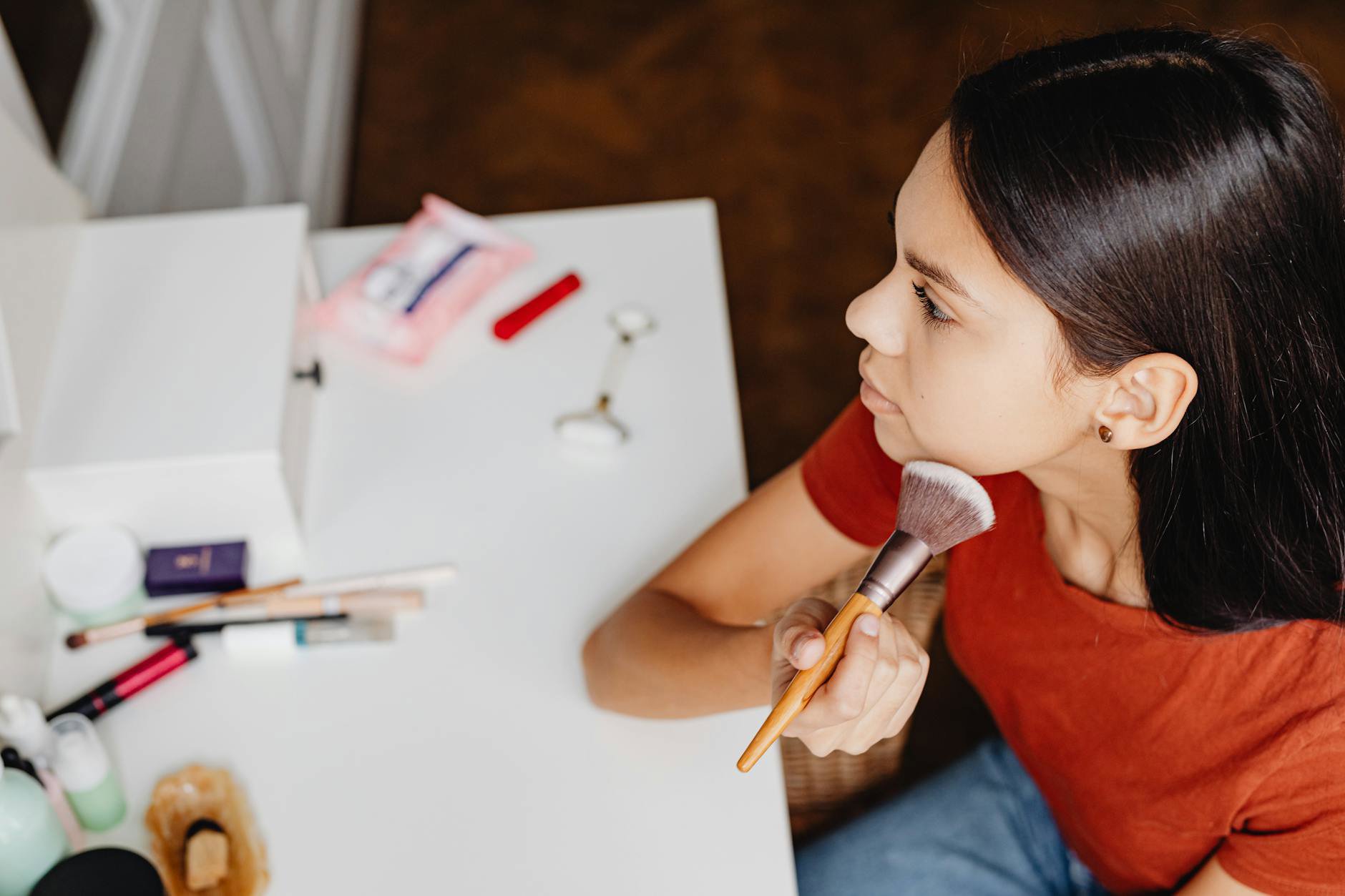
Makeup trends I’m actually buying into: soft-matte skin, blurred lips, and smarter brushes
Makeup has swung away from ultra-dewy “glass” in a way that feels more wearable in Canadian winter. Dry indoor heat makes heavy glow products cling to texture. Soft-matte finishes look calmer.
My favourite approach: keep the skin flexible, then add blur where you want it. That means hydrating base layers, then targeted powder, not a full-face bake.
If you’re rebuilding your kit, I’d prioritise tools before you buy another base product. A good brush changes the finish of what you already own. Start with Makeup Brushes & Applicators and look for a dense, soft foundation brush plus a smaller concealer brush.
For brands that deliver on trend shades without luxury pricing, I keep an eye on NYX for lips, Revolution for complexion experiments, and KIKO for that polished European colour story when it’s easy to access here.
My quick technique for a blurred lip that lasts through coffee:
- Apply balm, wait two minutes, blot once.
- Tap a lipstick into the centre and press outward with a fingertip.
- Add a whisper of powder around the edges with a small brush.
- If you want shine, add a dot of Lip Glosses only in the middle.
It reads modern, not fussy. And it doesn’t require a new launch every week.
My “viral product” test: four questions before I add to cart
I don’t hate viral lists. I use them like a starting point. But I run every trending product through the same four-question test, especially when the headline promises it’s “worth it.”
1) What problem does it solve?
If the answer sounds like a mood (“my skin feels off”), I pause. If it’s specific (“my sunscreen pills under makeup”), I keep going.
2) Can I buy it from a Canadian retailer?
If I can’t get it from Sephora Canada, Shoppers, Well.ca, or The Bay, I ask if the risk makes sense. Duties and returns can erase any “deal.”
3) Does it duplicate what I own?
If you already have three gentle cleansers, the fourth won’t fix your texture. A targeted active might. Or a better moisturiser might.
4) Can I commit to the method?
Some products only work if you apply enough, often enough. Sunscreen and lash serums fall into this camp. If you won’t do the routine, don’t buy the product.
When I do buy into a trend, I prefer categories where the downside stays low. A new Mascaras launch? Fun. A new acid peel you plan to use nightly because a creator did? That’s when people end up with a barrier meltdown and a drawer of regret.
What this means for Canadian women shopping 2026 beauty
Beauty will keep trending younger, faster, and louder. You don’t need to match that energy. You need a routine that holds steady when the algorithm changes its mind.
My practical takeaway: build the daily lane first, then give yourself one trend slot. If you feel bored, good. Boring skin care often looks the best because it stays consistent.
Second takeaway: shop Canada-first when you can. It reduces counterfeit risk, makes returns easier, and keeps your routine stable. If a US product hasn’t launched here yet, you can often find a comparable option from brands like Estée Lauder, Lancôme, or MAC that you can actually test and replace locally.
And if you want to spend less without feeling deprived, aim your budget at the “touch points”: cleanser, moisturiser, sunscreen, and the tool that styles your hair without frying it. Everything else becomes optional.
Sign-off: tell me what you’re not buying anymore
I want to know what trend you’re officially done with in 2026.
Are you quitting backups, skipping harsh actives, or refusing to buy a tool until you’ve mastered prep? Drop your line in the comments, and tell me what you want me to test next.