TikTok can move a moisturiser from shelf to sold out in an afternoon. We watch it happen. A product surges on For You Pages, then searches spike on GlamGeek, and Canadian retailers scramble for restock pages. Some of those viral picks earn a spot in a routine. Many don’t.
We cut through the noise. Here’s what the data, ingredient lists, and real retail patterns in Canada suggest you should actually buy from TikTok—and what you can skip without a second thought.
Context: when TikTok hits Canada, stock and prices react fast
Canadian shoppers meet TikTok trends with speed, but the supply chain lags. We track price and stock changes across Sephora Canada, Shoppers Drug Mart, The Bay, Nordstrom Canada, Murale, and Well.ca. When a product pops on TikTok, Canadian listings often flip to waitlists by the following weekend. Restocks arrive in waves, not all at once. If you want a viral launch, you often need alerts, not luck.
We also see the Canada premium. Even when exchange rates look friendly, list prices here sit higher than US tags. Shipping, duties, and boutique distribution add margin. That premium stings most on fragrance and imported luxury skincare. It eases with mass retailers and own-brand lines. Our price tracker flags meaningful dips during Friends & Family events and Boxing Week. Outside promotions, prices hold steady for months.
Trends travel north on a delay. A flavour-of-the-month serum can blanket US feeds for weeks before Sephora Canada opens orders. Some shades or minis don’t cross the border at all. We flag those gaps on product pages and nudge you towards local equivalents when the wait drags.
Finally, climate matters. Canada swings from dry, heated winters to short, humid summers. TikTok hacks from Los Angeles don’t always translate to Winnipeg in February. Barrier formulas and humidifier-friendly routines win here. Dewy mists in January often disappoint.
{{IMAGE:woman browsing skincare aisle Canada}}“Sephora kids”: the viral cart we’d actually build
Videos of tweens hauling retinol and fragrance mists rack up views. Parents and dermatologists push back in the comments. We track big swings in traffic on kid-adjacent skincare every school break. The interest isn’t a blip anymore. It’s a category conversation.
Here’s our position. Preteens don’t need actives. No retinol. No strong AHAs. No brightening peels. The early kit stays simple: a gentle cleanser, a bland moisturiser, and a broad-spectrum sunscreen. Save the budgets for SPF and a lip balm, not a 10-step routine with exfoliants. If a child wants makeup for play or events, focus on washable textures and soft colours, and skip long-wear formulas that cling.
We like two lanes for “Sephora kids” without the drama: basic skincare and low-stakes makeup. A fragrance-free gel or milk cleanser, a mid-weight moisturiser, and a mineral or hybrid SPF suit most young skin. For makeup, think sheers and tints. A soft blush stick, a transparent gloss, and a tubing mascara that removes with warm water. The wash-off factor matters when the bedtime schedule does.
Hype brands often cost more. You don’t need them for entry-level products. Check gentle options under retailer own brands and accessible lines. The Sephora Collection ecosystem covers tools and basics without premium pricing. Add the items you actually plan to buy to your GlamGeek wishlist and switch on price alerts. Canadian restocks land irregularly, and we ping when the in-stock toggle flips.
Slugging and barrier care: great in Canada, with two caveats
Slugging took off in late 2021 and never left Canadian routines. It fits our winters. Occlusives trap water and soften flakes when radiators run nonstop. We rate it, with two caveats. Don’t layer slugging over strong acids or retinoids. And skip heavy occlusives if you clog easily.
Build a barrier-first routine with a bland moisturiser at its centre. Look for ceramides, cholesterol, fatty alcohols, and glycerin. In the evening, top dry patches with a petrolatum-based balm. Keep it thin, not mask-like. In the morning, use a lighter lotion or gel cream that sits under sunscreen and makeup. If your skin leans oily, reserve slugging for corners—nostrils, mouth, and eyes—rather than the whole face.
We suggest a rotation that matches the thermostat: a richer night cream from October to April, and a lighter day cream year round. Browse Day Face Moisturisers for layers that fit under SPF, and save the dense textures for Night Face Moisturisers. Add your picks to your GlamGeek wishlist. Winter promotions in Canada drop sporadically. Our tracker catches the quiet markdowns that don’t headline a sale email.
One more climate note. A bedside humidifier makes slugging work harder. It feeds water to the skin so the occlusive can trap it. Without humidity, a heavy balm can feel like a blanket over dust. Pair the two for better mornings.
Retinol on TikTok: start low, go slow, skip the pile-on
Retinol content skews punchy: “peel night,” “glass skin,” and dramatic before-and-afters. That energy pushes shoppers to stack actives. We see carts that mix retinol, glycolic, salicylic, and vitamin C in the same session. That routine crashes in a Canadian winter. It often fails in summer too.
Retinoids work best with a calm barrier and time. Start with a low strength, two or three nights a week. Buffer with moisturiser, not more acids. Hold vitamin C for mornings if you use it at all. Build towards nightly use over months, not days. If your skin stings, scale back frequency before you swap formulas. Retinoid percentages help guide, but the base, encapsulation, and your tolerance rule the results.
TikTok loves “dupes” that undercut prestige packaging. Some smart alternatives exist. Others just swap the label. Read the INCI list. Ceramides and squalane near the top play well with retinoids. Pure fragrance near the top doesn’t. If retinol still irritates, trial granactive retinoid or a well-formulated bakuchiol at night. You won’t copy tretinoin, but you can support texture and tone without flakes.
We keep a close eye on retinoid stock swings from September to November, when shoppers refresh routines. Use GlamGeek alerts on the retinoid you want, then pull back on new exfoliants while your skin adjusts. Consistency wins here, not novelty.
SPF hacks we skip—and SPF habits we back
Shortcuts trend. “SPF contouring.” Mixing drops into foundation. Spraying over makeup as a sole step. We skip all of that. Sunscreen only protects when you apply enough, cover evenly, and reapply with adequate product. In Canada, Health Canada treats sunscreen as a drug. Look for a Drug Identification Number (DIN) and “broad spectrum” on the label. Those markers mean a lab verified UVB and UVA claims.
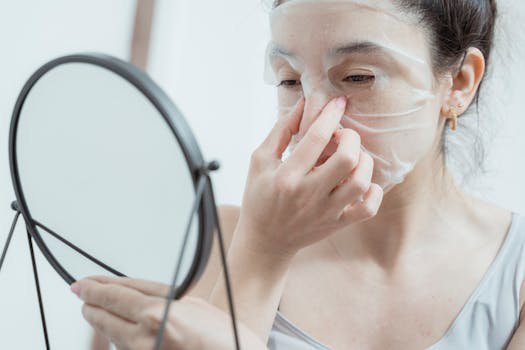
We support a simple process. Pick a daily SPF you like, then use it every morning. Aim for even coverage across the face, ears, and neck. Reapply when you stay outdoors for extended periods. If you wear makeup, consider a sunscreen stick or cushion for midday top-ups on high UV days. Don’t rely on setting sprays with sun filters as your only layer. They help, but they don’t replace a real application.
Filters matter less than texture. You will only reapply a sunscreen that feels fine on your skin. Try gels, milky lotions, and light creams until you land on a favourite. Mineral or hybrid formulas can suit sensitive skin or contact lens wearers. Explore our curated SPF Protection Products to compare textures across Canadian retailers. Add one or two to your wishlist, and we’ll flag when a Friends & Family code trims the total.
One last myth: SPF 30 vs 50. SPF 30 already blocks the large majority of UVB. SPF 50 blocks a bit more. Both fail if you apply a tiny amount. Focus on how much you use, not just the number on the tube.
{{IMAGE:young Canadian woman applying sunscreen}}Makeup microtrends that work in real life
TikTok makeup cycles shift weekly: latte makeup, underpainting, strawberry girl, cold girl. You don’t need a new kit every time. You need textures that let you adjust finish on the fly. Skin prep, thin base, and flexible colour do the work.
For a “your skin but better” base, start with a targeted primer on the zones that need it. Mattify only the T-zone. Keep the cheeks hydrated for that soft bounce. Apply a sheer foundation in a thin layer and spot-conceal where needed. You dodge the heavy look, and your skin survives the commute from heated bus to freezing street. Browse lightweight picks in Liquid Foundations and aim for medium flexibility over full opacity.
Underpainting lives on TikTok because it films well. It also saves time. Tap cream bronzer and blush under a thin base, then glaze a touch over the top if you want more. Sticks and creams blend faster than powders in winter air. Finish with a soft-focus powder on the centre of the face and leave the high points alone. That mix reads healthy, not greasy.
When creators cite exact products, hunt for the same texture first, not the exact brand. Sheer lip oils behave like sheer glosses. Tube tints act like stains. A peach cream blush performs the trend without the sold-out label. If you enjoy prestige colour, staples from Charlotte Tilbury hold their place in a kit for years. Use our price tracker to watch for Canadian promo windows. Luxury lip launches often dip during holiday sets rather than as singles.
Mascara stacking, tubing formulas, and the fake lash effect
“Mascara cocktailing” keeps trending because it works. Length first, separation second, volume last. You control clumps by the order and the angle of the wand. You don’t need three mascaras to get there, but you can layer two with different brushes to good effect.
We rate tubing mascaras for everyday wear in dry climates. Tiny polymers wrap each lash and release with warm water. That formula dodges mid-day flakes on dehydrated skin. For drama, add one coat of a fibre or volumising formula on the outer third of lashes. Keep it light. You frame the eye without spidery tips.
If you want the false-lash look without glue, build at the base. Wiggle the wand at the root, then sweep through to tips. Let the first coat set, then focus a second coat just on outer corners. Curl before, not after, and avoid waterproof daily. Waterproof holds, but it stresses lashes and takes effort to remove. Explore top-rated Mascaras and add a tubing option to your wishlist. We track promo bundles that pair two minis for less than a full-size. Those sets vanish fast during holidays.
Want more lift for an event? Consider half lashes or trios instead of full strips. They blend into your natural lash line and take less time to apply. If you go that route, buy a fresh tube of glue every season. Old glue causes more irritation than the lash itself.
Lip oils, plumpers, and the “my-lips-but-juicier” effect
Gloss came back with a rebrand. Lip oils and balmy tints dominate TikTok hauls because they look plush on camera. Many “oils” read as gloss with added emollients. That’s not a problem. It means you can shop finish and comfort over the label on the cap.
If you like the juicy look with minimal stick, choose a gel-oil hybrid with hydrogenated polyisobutene or diisostearyl malate high on the list. For winter, look for versions that add occlusives and shea butter. They cushion chapped lips better than thin oils. Capsaicin and menthol plumpers tingle and redden lips. Some sting more than they swell. You gain volume mostly from shine and a diffused outline.
We prefer a three-step lip wardrobe over a drawer full of near duplicates. A nourishing balm for night and no-makeup days. A comfortable gloss or oil for daytime. And a creamy bullet or satin liquid for meetings and dinners. Shop shine in Lip Glosses, and round things off with a staple shade from Lipsticks. Add your top two choices to GlamGeek and set alerts. Canadian holiday sets often undercut the per-millilitre price on singles.
One extra tip: pair plumpers with a clear lip liner. You contain the tingle to the lip and guard against feathering. It also stretches wear without making the finish heavy.
Exfoliation trends: toners, peels, and the weekly sweet spot
“Glass skin” pushes daily acid toning on TikTok. That routine can overstrip skin in a dry climate. We see patterns in reviews that line up with overuse: tightness, redness, and breakouts that look like acne but behave like irritation. You don’t need that to keep texture smooth.
Pick one lane and keep exfoliation modest. Try a BHA toner for congestion-prone skin or a low-strength AHA for dullness. Use it two or three times a week at night. Skip acids entirely on retinol nights. If you prefer masks, trade the daily toner for a once-a-week lactic or mandelic resurfacer. Enzymes from fruit extracts offer a gentle route when acids feel like too much.
We also like mechanical exfoliation in a smarter format: a soft cloth or konjac sponge with a non-foaming cleanser. Avoid gritty scrubs. Those particles create micro-tears and aggravate sensitive zones around the nose and cheeks. If you see “tingling” framed as proof in a TikTok, treat it as a warning sign instead. Comfort builds results here, not sting.
Hair hacks: bond builders, hair slugging, and winter frizz
Hair content thrives on quick fixes. “Bond builders” trend because they restore feel fast after heat or bleach. The right pick helps, but you still need a plan. Use a clarifying wash once every week or two if you layer leave-ins, then treat with a reparative mask. Rotate in a nourishing conditioner on regular wash days. You rebuild strength and softness without overdoing protein.
Hair slugging earns views, but you don’t need to marinate your head in oil overnight. That method can flatten roots and clog the hairline. We prefer targeted oiling: a few drops of a light oil on mid-lengths and ends, then a silk pillowcase. If you want a heavier hit, use a treatment before shampoo instead. It rinses cleaner.
Canadians fight static and frizz from November to March. Hydration solves more frizz than hold spray. Browse richer conditioners and masks in Moisturising & Nourishing Conditioners and weekly deep care in Hair Masks. Add your favourite to a GlamGeek wishlist. We track restocks at Shoppers and Well.ca closely; masks often sell out after a single influencer mention, then pop back quietly.
As with skin, texture wins. Lighter lotions and creams suit fine hair. Coarser curls drink butters and rich creams. Start small, then add more. You can’t un-oil a fringe during a workday.
Fragrance and body mists: fun, fleeting, and best in layers
“Perfume tok” loves body mists and layering hacks. Mists feel cheerful and budget-friendly, but they fade fast in winter air. They work best as a topper over a matching body cream or a close cousin note. That sandwich sticks around longer and avoids the sour turn some florals take on dry skin.
For office days, try a soft eau de toilette and save syrupy gourmands for evenings. If you enjoy mists, keep one in your bag and refresh after lunch. Avoid overloading on alcohol-heavy sprays if your skin cracks easily in cold weather. A richer body lotion under your scent helps both comfort and sillage.
Canadian shoppers face patchy stock on limited editions. If you fall for a seasonal mist on TikTok, add it to GlamGeek. Our alerts cover The Bay and Shoppers, where small batches land without fanfare. You can also explore classic anchors in Eau de Parfum or Eau de Toilette formats and treat mists as accessories rather than the whole wardrobe.
What this means: a smarter way to shop TikTok trends
You don’t need to outrun the algorithm. You need to outsmart your own impulse scroll. We suggest a simple filter for every trend you see: Will this product solve a problem I actually have? Does the texture suit my climate and skin type? Can I finish the bottle before my interest fades? If the answer is yes three times, add it to your GlamGeek wishlist and wait for a smart price. If not, keep scrolling.
Build a stable base routine and let trends decorate the edges. Keep your cleanser gentle, your moisturiser boring, and your SPF dependable. Layer in colour and scent for fun. Reach for actives with a plan. Check GlamGeek’s price comparison before you check out. We track prices across Sephora Canada, Shoppers Drug Mart, The Bay, Nordstrom Canada, Murale, and Well.ca so you don’t have to. Stock whiplash hits Canada hard on viral weeks. Alerts save you time, and sometimes they save you money.
Bottom line: the buys we back this year
From our vantage point, the most TikTok-proof Canadian kit looks like this: a gel cleanser that never squeaks, a ceramide-rich moisturiser, and a broad-spectrum SPF you like enough to repurchase. Add a low-strength retinoid for night if you chase long-term improvement. Round it off with a tubing mascara, a peach cream blush, and a hydrating gloss. Style hair with leave-in conditioner and a weekly mask. Spray a fragrance you love, not the one your For You Page shouts about most.
Everything else cycles in and out. You can enjoy the cycle without letting it drain your wallet or your barrier. Save the “urgent” buys for when they address a need in your routine. Use GlamGeek to compare prices and catch those quiet Canadian restocks before they vanish again.
What TikTok trend won you over this year—and what did you return the fastest? Tell us what you want us to track next, and we’ll watch the price and stock so you don’t have to.