
Canadian skin-care headlines keep circling the same idea: “back to basics” wins in 2026. Allure framed it as a trend, Cosmetics Business backed it with a report, and Canadian outlets keep dissecting which viral “hacks” help versus harm.
We agree with the direction, but not the vagueness. “Basics” only works when you define the basics for Canada: indoor heating that shreds your barrier for months, hard water in many cities, and a summer that flips from dewy to dehydrating the second you add air conditioning.
So here’s the take we’re committing to: if your routine needs a spreadsheet, it’s probably costing you money and
What follows focuses on technique and ingredient logic, plus smart shopping across Canadian retailers. We’ll name products we trust exist and that show up reliably in Canada, and we’ll flag when a “viral” US launch tends to lag here.
What “back to basics” actually means (and what it doesn’t)
Back to basics does not mean “do nothing.” It means you stop stacking actives that compete, you stop buying duplicates, and you make the skin barrier your non-negotiable.
In practice, a basics-first routine usually holds steady at five pillars: cleanser, moisturiser, sunscreen, one treatment, and one optional support step. That support step might be a hydrating toner, a spot treatment, or a gentle exfoliant used sparingly.
It also means you stop chasing micro-trends that ignore climate. Canada’s long dry season changes how quickly retinoids, acids, and even foaming cleansers can tip you into tightness and stinging. The “glass skin” aesthetic can look great online, but the methods behind it often assume humid air and frequent reapplication opportunities. Most Canadian women need a routine that holds up through commutes, office HVAC, and winter wind.
Finally, basics means you buy fewer products, but you buy them with intention. When we see “trend lists” that recommend 10–20 new steps, our scepticism spikes. The data across our merchant feeds over the years shows a predictable pattern: trend-driven surges push prices up and keep them there for a while, especially at major retailers like Sephora Canada.

Step 1: Cleanser rules for hard water, makeup, and winter tightness
Cleanser is where many Canadian routines quietly fail. Not because the product is “bad,” but because the format doesn’t match what your skin faces daily: long-wear makeup, sunscreen, and often hard water that leaves skin feeling squeaky even when it’s not clean.
If you wear makeup or water-resistant SPF, use a two-step cleanse at night. Start with an oil or balm cleanser, then follow with a gentle wash cleanser. This reduces the temptation to scrub, and it lowers irritation risk when you use actives later.
What to look for in your second cleanse: glycerin, mild surfactants, and a non-stripping finish. What to avoid in winter: overly foaming washes that leave you tight within minutes. That “tight clean” feeling usually signals barrier stress, not purity.
Canada-available cleanser picks that fit a basics routine:
- CeraVe Hydrating Cleanser (drugstore staple, widely available at Shoppers Drug Mart and Well.ca). Great for dry or sensitized skin.
- La Roche-Posay Toleriane Dermo-Cleanser (often at Shoppers and derm-focused retailers). Useful when you need minimalism.
- Clinique Take The Day Off Cleansing Balm (easy to find at Clinique counters and Sephora Canada). A reliable first cleanse for makeup and SPF.
- Garnier Micellar Water (pink cap) (widely stocked; best as a first step when you don’t want a balm). Pair it with a gentle wash cleanser for a true cleanse.
Technique matters as much as product. Use lukewarm water, cleanse for 30–45 seconds, and pat dry. In winter, leaving a little dampness before moisturiser helps reduce transepidermal water loss once you seal it in.
Step 2: Moisturiser in Canada needs a “texture wardrobe”
One moisturiser rarely covers January through August in Canada. The solution isn’t five creams; it’s a small “texture wardrobe” you rotate based on weather and irritation level.
Think in layers, not heaviness. A hydrating base (humectants like glycerin, hyaluronic acid, urea) plus a sealing layer (ceramides, squalane, petrolatum or dimethicone) gives you control. On the coldest weeks, a thin occlusive layer at night can prevent that morning tightness that makes makeup look rough.
What to buy depends on your skin type:
- Dry, tight, or reactive: look for ceramides + cholesterol + fatty acids (barrier-lipid mimicry). Fragrance-free helps when you’re sensitized.
- Combination: use a lighter gel-cream in the T-zone and a richer cream on cheeks. Yes, you can “zone moisturise.”
- Oily but dehydrated: don’t skip moisturiser. Pick lighter textures with glycerin and niacinamide, then seal only where needed.
- On retinoids/acids: favour bland, barrier-focused creams and avoid piling on fragranced “active” moisturisers.
Canada-friendly moisturiser brands that consistently show up across major retailers include Clarins for classic textures, Shiseido for premium options, and Sephora Collection for straightforward formulas at a lower buy-in. If you want to browse by format, our category pages for Day Face Moisturisers and Night Face Moisturisers help you compare what’s actually in stock in Canada.
One more Canadian reality: indoor heating drives facial dehydration even when your skin feels “oily.” If your foundation separates by noon, that’s often dehydration plus a too-matte base, not “more powder needed.”
Step 3: Sunscreen is your “basic” that makes every active safer
The back-to-basics trend often treats sunscreen as a footnote. We’d flip that. In Canada, sunscreen becomes the difference between an active that helps and an active that quietly irritates.
Here’s why: retinoids and acids can increase sensitivity and amplify redness when UV exposure stacks up. Even in winter, UVA still reaches you through clouds and windows. If you commute, sit near a window, or drive often, daily SPF makes sense year-round.
What to look for:
- Broad-spectrum protection and a texture you will wear daily.
- Cosmetic elegance if you wear makeup: minimal pilling, not too greasy, and plays well with primer.
- Barrier-friendly formulas when you’re dry: added glycerin, soothing ingredients, and less alcohol sting.
- Tint if you deal with visible light-triggered pigmentation. A tint can help for melasma-prone skin.
Canadian shopping note: some of the most viral Asian sunscreens take time to reach mainstream Canadian shelves, and third-party marketplace listings can raise authenticity questions. If you want lower-risk purchasing, stick to Sephora Canada, Shoppers Drug Mart, Well.ca, and brand-direct sites that ship within Canada.
If you want to compare formats and filters, our SPF Protection Products listings make it easier to sort by what’s available locally, not what’s trending in the US.
Step 4: Choose one “hero active” based on your main problem
Most routines go sideways when women add three actives at once. The skin barrier taps out, and then everything stings. Basics-first means you pick one hero active, use it consistently, and only add a second when your skin stays calm for weeks.
Match the active to the goal:
- Acne + clogged pores: salicylic acid (BHA) works inside pores. Start 2–3 nights per week, not daily.
- Texture + dullness: lactic acid or mandelic acid (gentler AHAs) can smooth without the same bite as stronger acids.
- Fine lines + uneven tone: retinoids remain the best-studied option. Start low, go slow, and buffer with moisturiser.
- Redness + oil imbalance: niacinamide helps many women, but high percentages can flush sensitive skin. Moderate formulas often work better.
- Stubborn pigmentation: consider vitamin C in the morning plus strict SPF. For advanced concerns, speak with a dermatologist.
Where to shop and what to browse: retinoids and corrective formulas often sit in Anti Ageing Face Serums and Day Face Serums. If you prefer prestige, brands like Estée Lauder and Lancôme offer multiple treatment options, but you don’t need a luxury label for results.
Our practical rules for actives in a Canadian winter:
- Start new actives in a “calm skin” week, not when you already feel dry.
- Use actives at night, then moisturise well.
- Take two nights off per week as recovery nights.
- If your skin stings with plain water, stop actives and rebuild barrier for 7–14 days.
Consistency beats intensity. We see it repeatedly in consumer behaviour data: women buy more products when they feel uncertain. Clear rules reduce that churn.
Step 5: Viral hacks that work (and the ones we’d skip)
Canadian headlines have called out viral hacks for good reason. Some hacks simply repackage old techniques, while others push risky behaviour for clicks.
Hacks we rate as useful when done carefully:
- “Moisturiser sandwich” for retinoids: moisturiser → retinoid → moisturiser. It can reduce irritation without killing results.
- Spot concealing vs full foundation: using a targeted concealer plus light base reduces cakiness in dry indoor air. Browse Liquid & Cream Concealers if your current one clings.
- Setting spray between layers: a light mist between base and powder can help makeup wear in winter dryness.
- Overnight lip masking: a thick balm layer prevents the cracked-lip cycle that starts in November and doesn’t quit.
Hacks we’d skip, especially in Canada’s dry season:
- Harsh physical exfoliation (scrubs, gritty DIY mixes) on already-dehydrated skin.
- High-percentage acid layering (AHA + BHA + retinoid) in the same routine.
- “Toothpaste on pimples” style DIY spot treatments. They irritate and can prolong marks.
- Over-cleansing to chase oil control. It often drives rebound oil and flaking.
One more thing: viral “K-beauty routine” lists often assume you can buy every product locally. In Canada, launches can lag, and shipping can add cost fast. If you love K-beauty textures, use the philosophy (hydration + gentle layers) and buy what you can source reliably at Canadian retailers.
Step 6: Packaging and “clean” claims—how to shop without getting played
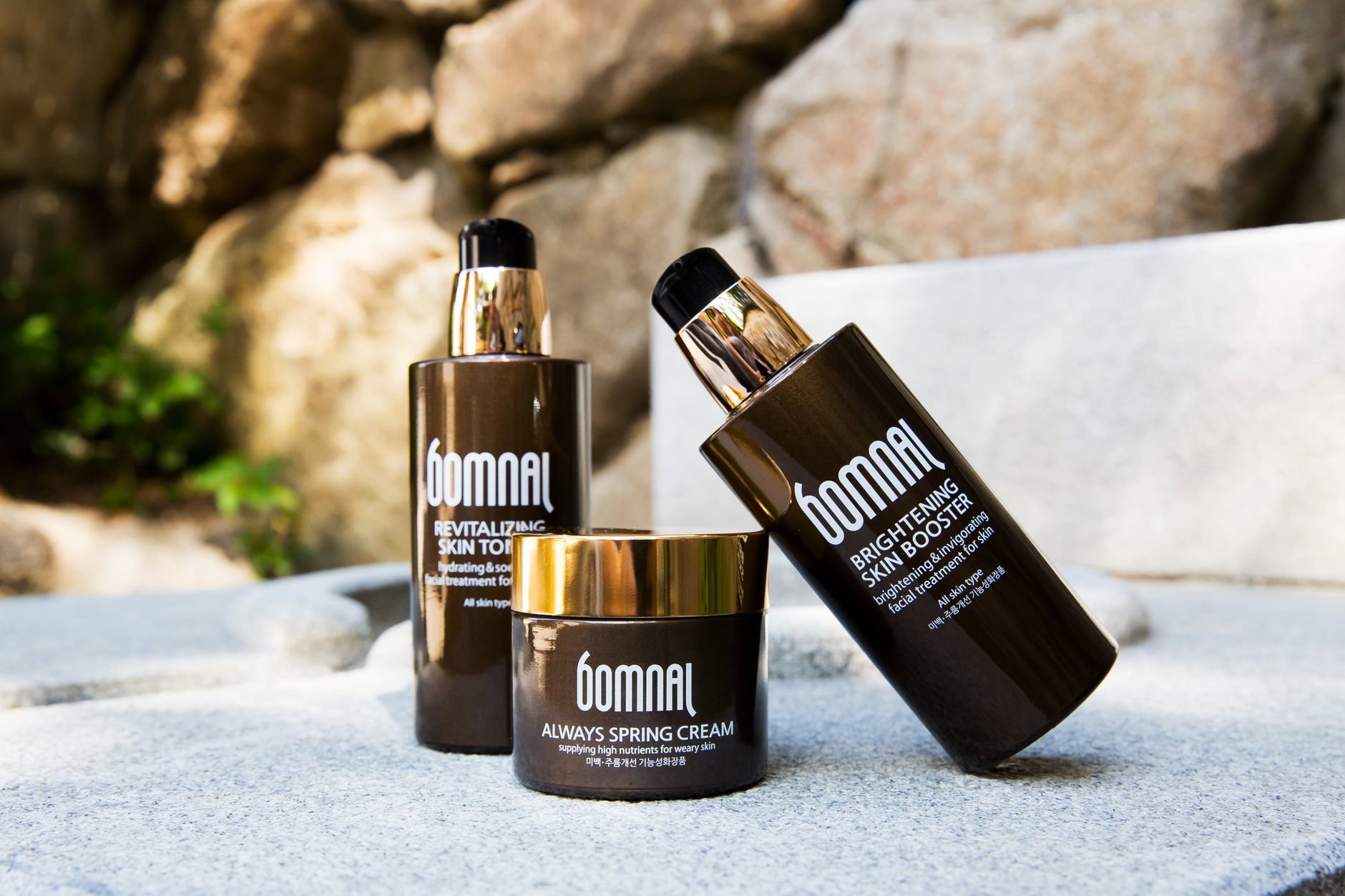
Packaging headlines matter because they affect price and performance. North American-made sustainable packaging continues to grow, and brands love to market it. We’re glad the industry focuses on waste, but we also watch how quickly packaging claims turn into price premiums.
Here’s the shopper logic we use: treat packaging as a tie-breaker, not the reason you buy a formula that doesn’t suit your skin. A gorgeous refill system won’t help if the product stings every night.
Practical checks that protect your money:
- Airless pumps help active stability (vitamin C, retinoids) and reduce contamination.
- Jars suit bland moisturisers, but they can frustrate you for unstable actives.
- Refills only save money if the refill costs meaningfully less and you can actually buy it in Canada.
- Fragrance often hides behind “natural” positioning. If you react easily, choose fragrance-free over vibes.
We also recommend keeping an eye on ingredient transparency and regulatory compliance. When major companies face penalties over restricted substances, it reminds shoppers to value clear labelling and reputable retailers. If you want to buy from a marketplace seller, pause and consider whether the discount offsets the risk.
Step 7: How to build a Canadian-proof routine (two templates)
A routine template helps you stop impulse buying. It also makes it easier to troubleshoot when something goes wrong.
Template A: Barrier-first, low irritation (great for winter)
- AM: gentle cleanse or rinse → moisturiser → sunscreen
- PM: balm/oil cleanse → gentle wash cleanser → moisturiser (optional thin occlusive on dry zones)
- 2–3 nights/week: swap in one active after cleansing, then moisturise
Template B: Acne-prone but dehydrated (common with indoor heating)
- AM: gentle cleanser → light moisturiser → sunscreen
- PM: double cleanse → BHA 2–3 nights/week → moisturiser
- Non-BHA nights: moisturiser only, or a calming serum if you tolerate it
- Optional: clay mask on T-zone once weekly, not all over
Where women get stuck: they treat every new blemish as proof they need a new product. Often, they need a simpler cadence. Give a routine four weeks before judging it, unless you see clear irritation.
Shopping tip: if you like trying formulas, buy minis or sets. Canadian retailers often stock curated Skin Care Sets around key seasonal periods, and they can reduce the cost of experimentation without leaving you with full-size clutter.
Indigenous-led beauty in Canada: support it with intention, not impulse
Two Canadian headlines stood out for us: Indigenous-led beauty and business continues to grow, and collaborations like Miik partnering with Cheekbone Beauty’s Jenn Harper draw mainstream attention. That matters because it changes who gets shelf space, press, and long-term retail support.
Our advice stays practical: support Indigenous-owned brands in a way that sustains them. That means buying hero products you will repurchase, not one-off “support” purchases that expire in a drawer.
If you want your spending to align with your values, build it into your basics. Swap one staple category—lip, blush, or skincare—once you find a product that fits your needs. Colour cosmetics often integrate more easily than treatment skincare, because the performance criteria feel clearer and the irritation risk drops.
Also, buy through official channels whenever possible. It protects brand margins and reduces the risk of outdated inventory. If you shop at larger retailers, keep an eye out for restocks and limited runs; Canadian distribution can look smaller than US rollouts, and popular shades can vanish fast.
What this means for your routine (and your budget)
Back-to-basics only counts if it reduces friction. Your routine should feel easier in February than it did last year, not harder. If you still dread cleansing because it makes you tight, or you still skip SPF because it pills, those are fixable problems, not character flaws.
The practical takeaway: pick a cleanser that doesn’t strip, a moisturiser you can adjust seasonally, and an SPF you’ll wear daily. Then pick one active that targets your main concern. Everything else becomes optional.
That structure also protects your budget. Trend lists can push you into buying three serums that do the same job. A basics plan helps you spot duplicates, wait for better pricing, and spend where performance actually changes your results.
Tell us what you’re trying to fix right now
Which issue are you building your basics routine around this season: dryness and tightness, acne and clogged pores, redness, or dark spots? And which Canadian retailer do you usually buy from—Sephora Canada, Shoppers Drug Mart, Well.ca, or elsewhere?