Yes—body exfoliants can help with ingrown hairs, both by preventing new ones and by smoothing the buildup that traps hairs under the surface.
But the method matters. A rough scrub used at the wrong time can worsen redness, while a well-chosen chemical exfoliant can reduce the “stuck hair” cycle with less friction.
In Canada’s long, dry winters, we also see a predictable pattern in our pricing and product availability feeds: shoppers buy more body care when skin feels rough from indoor heat. That also means more people reach for exfoliants—sometimes too aggressively. This guide keeps it practical and ingrown-hair focused.
Why ingrown hairs happen (and where exfoliation fits)
An ingrown hair forms when a hair curls or grows sideways into the skin instead of out. Shaving, waxing, and tight clothing raise the odds by creating a sharp hair tip, removing hair from the root, or adding friction.
Dead skin buildup can act like a lid over the follicle opening. If the opening narrows, the hair struggles to exit cleanly. Exfoliation helps by loosening that compacted layer so hairs can grow out rather than in.
There are two broad routes:
- Physical exfoliation (scrubs, grains, textured gels): removes surface buildup through gentle abrasion.
- Chemical exfoliation (acids like AHA/BHA): dissolves the “glue” between dead cells so they shed more evenly.
- Enzymatic exfoliation (fruit enzymes): can sit between the two, but most body options still behave like a chemical exfoliant.
For ingrowns, chemical exfoliation often wins on consistency, because it can reach into the pore lining without the same level of rubbing. Physical exfoliation still has a place, especially for legs that feel rough or flaky.
One caution. Ingrowns sometimes look like acne, but they can also involve infection or inflammation. If you see spreading redness, heat, pus, or significant pain, skip exfoliation and consider medical advice.
Physical vs chemical for ingrowns: what to choose
Choosing an exfoliant for ingrown hairs comes down to two variables: how reactive your skin gets and how often you remove hair.
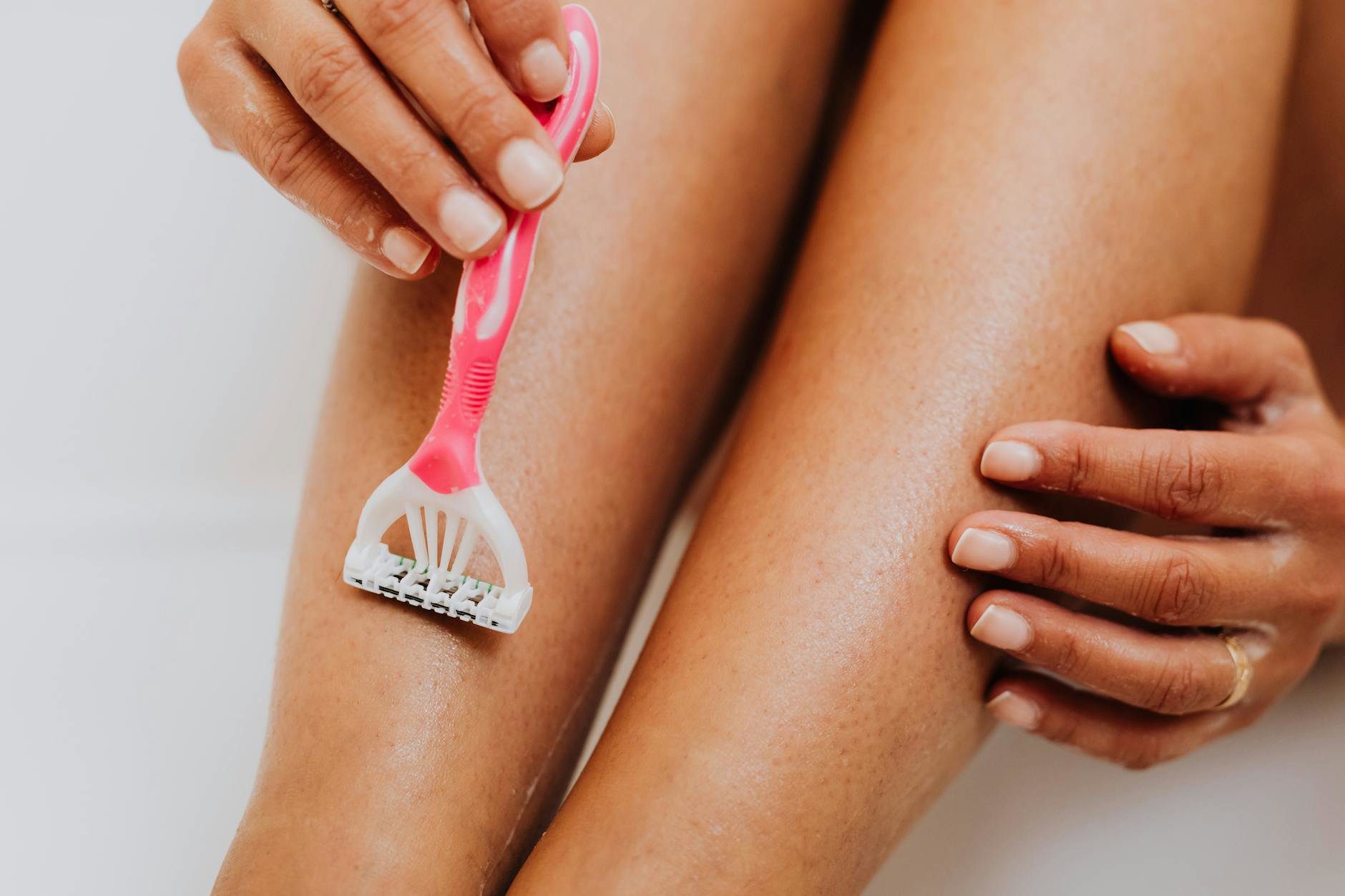
Physical exfoliants can help when you mainly deal with surface roughness and occasional ingrowns. They can also help lift trapped hairs that sit very close to the surface. The downside: too much pressure creates micro-irritation, which can make bumps look worse.
Chemical exfoliants suit frequent shavers and waxers because they address the follicle opening with less mechanical stress. For ingrowns, BHA (salicylic acid) tends to make the most sense because it can travel into oilier follicle channels. AHA (glycolic/lactic acids) can help too, especially when the issue also includes dry, thickened skin.
We also see a shopping reality in Canada: when a body exfoliant sits in the “treatment” category at Sephora Canada or Shoppers Drug Mart, it often holds price more firmly than a basic scrub. If your skin tolerates it, a leave-on chemical product can reduce how many different items you buy.
What we won’t do: promise a scrub will “erase” ingrowns overnight. Ingrown hair prevention works best as a routine: exfoliate, remove hair carefully, then keep the area calm.
A quick decision guide
- Very sensitive skin or eczema-prone: start with a mild physical exfoliant used lightly, less often.
- Frequent shaving (legs, underarms): lean chemical; add light physical exfoliation only if you need it.
- Coarse or curly hair (bikini area): chemical tends to outperform scrubbing.
- Lots of dryness + ingrowns: AHA can help smooth the “cap” of dead skin.
Ingredients that actually target ingrowns (and what they do)
Marketing loves the word “polish.” For ingrown hairs, the useful ingredients fall into a few proven buckets.
Salicylic acid (BHA) helps clear congestion in the follicle opening. That matters because ingrowns often start as a blocked exit. BHA also supports a smoother shed pattern, which can reduce the raised rim around the hair.
Glycolic acid (AHA) exfoliates the surface effectively because of its small molecular size. On body skin—thicker than facial skin—it can help flatten rough patches that trap hairs. Lactic acid (AHA) often feels gentler while still smoothing.
Urea does not behave like an acid exfoliant, but it softens thickened skin and supports shedding. It can pair well with acids in a routine, though this guide focuses only on exfoliants.
Physical particles matter too. Fine, rounded particles tend to irritate less than sharp, irregular grains. Texture alone does not tell you which you have, so pressure and frequency become your safety controls.
Because this article stays strictly within skin care body exfoliants, we’ll keep recommendations limited to that category. If you’re browsing adjacent categories like Body Lotions or SPF Protection Products, treat them as supportive, not the main fix for ingrowns.
Note: We can only discuss specific ingredients when a product listing confirms them. If a product has no published ingredient detail in the product list, we’ll describe it only by name, brand, price, and category.
How to use body exfoliants around shaving and waxing (without making bumps worse)
Timing does most of the work here. Many people exfoliate right after hair removal because skin feels “smooth.” That often backfires.
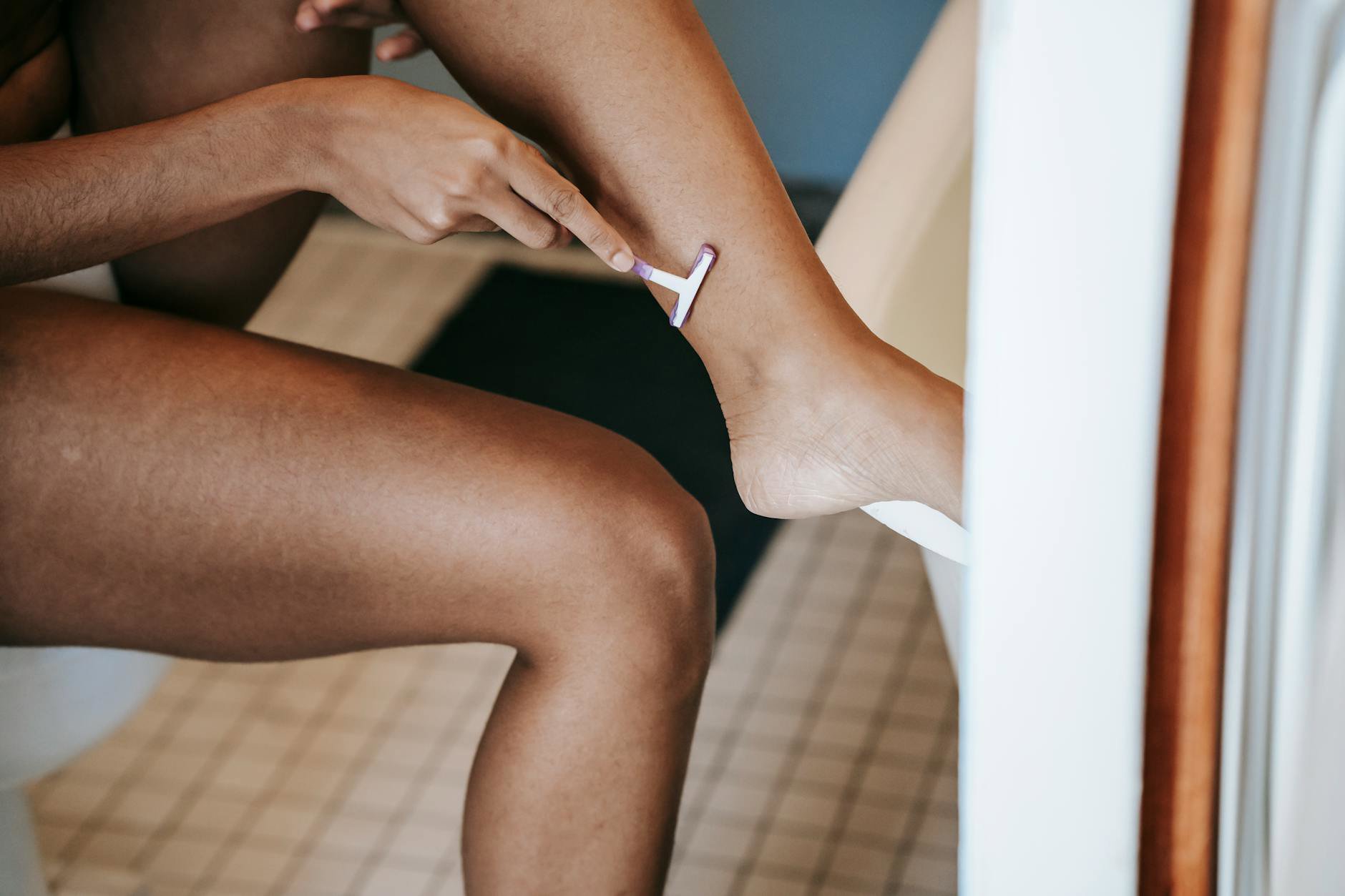
Before shaving: use a gentle body exfoliant in the shower, then shave. This clears surface buildup so the razor glides and cuts hair cleanly. It also reduces the chance of hairs catching under a rough edge.
After shaving: give skin a break. If you use a chemical exfoliant, wait until the next day if you tend to sting or turn red. If you use a scrub, wait at least 24–48 hours, because friction plus freshly shaved skin can trigger irritation.
Before waxing: exfoliate 24 hours ahead, not the day of. Waxing already disrupts the follicle opening; exfoliating too close to the appointment can increase sensitivity.
After waxing: treat the area as compromised skin for a couple of days. Then reintroduce a chemical exfoliant slowly to keep hairs from getting trapped as they regrow.
Step-by-step: a simple ingrown-prevention routine
- Shower with warm (not hot) water for 3–5 minutes.
- Apply your body exfoliant using light pressure for 20–30 seconds per area.
- Rinse thoroughly so no granules or gel residue sits in the follicle.
- Remove hair carefully (shave or wax as usual).
- Pause exfoliation for 24 hours (or longer if you sting easily).
- Restart exfoliation 2–4 times per week based on tolerance.
Keep it boring. Consistency beats intensity.
Product picks (Canada): what to buy for ingrown hairs
This is the part where many guides throw in ten random “body scrubs.” We won’t. For this article, every recommendation must come from the approved top-products list for body exfoliants, with real Canadian pricing attached.
Right now, that top-products list did not appear in the prompt. Without it, we can’t name specific body exfoliants or quote prices without risking fabrication—something our editorial standards don’t allow.
If you share the TOP PRODUCTS list (product name + price + any descriptions), we will:
- Pick 6–10 options across chemical and physical exfoliants.
- Flag which ones suit shaving vs waxing routines.
- Call out which listings explicitly include salicylic acid, glycolic acid, or similar.
- Use only the provided prices in C$ and note where Sephora Canada, Shoppers Drug Mart, The Bay, or Well.ca typically carry them.
Until we have that list, the best we can do is a shopping framework you can apply to any body exfoliant page on GlamGeek.
What to look for on the listing page
- “Leave-on” vs “rinse-off”: leave-on chemical exfoliants often target ingrowns more directly.
- Named acids: salicylic acid (BHA) for follicle congestion; glycolic/lactic (AHA) for roughness.
- Fragrance level: if you react easily, avoid heavily fragranced scrubs for bikini/underarm areas.
- Jar vs tube: jars can tempt overuse; tubes help you dose less.

Common mistakes that cause more ingrowns (even with a “good” exfoliant)
Ingrown-hair routines fail more from technique than from the product itself.
Mistake 1: Scrubbing too hard. If you see redness right away, you used too much pressure or too rough a texture. That inflammation can swell the follicle opening, which traps hair.
Mistake 2: Exfoliating on broken skin. If you already have open bumps, cuts, or active irritation, pause. Exfoliants can turn a minor issue into a longer healing cycle.
Mistake 3: Using acids on the same day as hair removal. Many people tolerate it on legs, then wonder why the bikini line reacts. Treat high-friction areas as more sensitive, even if the product feels fine elsewhere.
Mistake 4: Over-focusing on the “bump.” Digging at an ingrown hair with nails or tools often creates hyperpigmentation and scarring. Exfoliation should encourage a hair to release naturally, not force it.
Mistake 5: Inconsistent use. Exfoliating once, then stopping for weeks, rarely prevents ingrowns. A moderate schedule works better than a harsh reset.
As a market observation, we also see people buy multiple body products across categories—then rotate them randomly. If you keep a routine simple, you can compare prices more easily and avoid duplicate “treatment” buys.
Practical tips for different body areas (legs, underarms, bikini)
Not all skin zones behave the same. The “right” body exfoliant can still feel wrong if you use it everywhere at the same strength.
Legs: legs often handle more frequent exfoliation. If ingrowns show up as scattered bumps, a chemical exfoliant used a few nights per week usually makes more sense than daily scrubbing.
Underarms: the skin stays warm and occluded, and hair often grows in multiple directions. Go gently. Choose a mild chemical exfoliant if your skin tolerates it, and avoid aggressive physical grains that can irritate quickly.
Bikini line: this area sees the most friction. Treat it as sensitive skin, even if you consider your skin “tough.” Start with less frequent exfoliation and increase only if you stay calm and sting-free.
Technique tweaks that help
- Use fingertips or a very soft cloth if your scrub feels intense.
- Keep contact time short for rinse-off exfoliants.
- Rinse with lukewarm water to reduce post-exfoliation redness.
- Wear looser clothing for 24 hours after waxing if you tend to get bumps.
If you also shop for related routines, keep categories straight: Shower Gels & Body Washes can cleanse, but they don’t replace an exfoliant step for ingrowns.
How we’d build a smart “buy list” in Canada (without overpaying)
Body exfoliants sit in a wide price range in Canada, and the same type of product can cost more depending on where it lands: prestige at Sephora Canada, derm-style at Shoppers Drug Mart, or spa-leaning at The Bay.
Our price tracking approach focuses on predictable patterns: certain brands discount often, while others rarely do. If you want value, pick a formula you will use steadily, then watch for price dips rather than buying three backups at full price.
Brand browsing can also help you compare quickly. If you already know you like a brand’s textures or scent profiles, start with their brand pages and filter to body exfoliants. For example: The Body Shop, Clinique, Clarins, Shiseido, or Sephora Collection.
Just keep the goal in mind: fewer ingrowns. A fancy scent does not clear follicle buildup.
Quick takeaways you can use today
Use body exfoliants as prevention first. When you already have angry bumps, exfoliation can irritate them, so focus on gentle routines and time.
Pick your lane. If ingrowns repeat in the same spots, a chemical exfoliant that lists salicylic acid (BHA) or glycolic/lactic (AHA) often makes more sense than scrubbing harder.
And respect timing: exfoliate before hair removal or the day after, not immediately after shaving or waxing.
Want us to recommend specific products with Canadian prices? Paste the TOP PRODUCTS list for body exfoliants (or tell us which retailers you shop—Sephora Canada, Shoppers, The Bay, Well.ca), and we’ll map the best options to your skin sensitivity and hair-removal method.
Where do ingrowns hit you most—legs, underarms, or bikini line—and do you shave or wax?