
Across beauty headlines this year, one theme keeps repeating: women swapping prestige favourites for drugstore “rivals” and not looking back.
We agree with the premise, but not the hype. The win rarely comes from chasing a viral “exact dupe.” It comes from matching finish + undertone + wear needs—and buying at the right Canadian retailer, at the right time.
Our price tracker has followed this pattern since 2010: prestige prices in Canada climb faster than drugstore, and the gap widens most in complexion and cheek categories. That creates real value in drugstore makeup—if you shop it like a strategist, not a scavenger hunt.
What we’re committing to: a Canada-first guide to drugstore swaps that actually work, plus the techniques that make a $12 product wear like a $50 one. No fantasy pricing, no “tested for 300 hours” claims—just practical, repeatable decision rules.
The Canadian reality: “drugstore” doesn’t mean “cheap” anymore
Canadian beauty shoppers deal with three consistent constraints: smaller shade ranges at mass retailers, frequent out-of-stocks on viral items, and a real premium versus US pricing. Even when a product launches in the US, it often arrives here late—or in fewer shades.
That’s why we’d rather you shop by performance categories than by one exact product name. When one blush shade disappears from Shoppers Drug Mart, you still need a way to pick the next-best texture and undertone without starting over.
Retailer matters too. Shoppers Drug Mart often rotates “20x points” and bonus redemption events that can beat a straight discount. Well.ca tends to keep steadier pricing and cleaner browsing for specific formulas (especially fragrance-free or sensitive-skin adjacent). The Bay can surprise with brand promos, but selection varies by region and ship-to-home stock.
And climate matters. In Canada, winter indoor heating can turn a “soft matte” base into a patchy one by lunchtime, while humid summer days can make a dewy base slide. If you want drugstore to perform like prestige, you need a finish that matches your season—and a prep routine that respects barrier health.
How to spot a real “dupe” (without the marketing fog)
Most “dupe” claims confuse three different ideas: colour similarity, texture similarity, and wear similarity. A blush can look identical in a swatch photo and still wear completely differently on cheeks.
We use a simple checklist that works across blush, foundation, concealer, and even mascara:
- Finish: matte, satin, dewy, radiant, or “natural.” Finish drives how pores and dryness look in Canadian winters.
- Film formers: look for ingredients that help makeup grip and wear (common ones include acrylates copolymers). These often matter more than “skincare” claims.
- Slip vs set: silicones can smooth and blur; waxes can add hold; powders can add longevity but can emphasise flaking.
- Undertone: peach vs rose vs plum in blush; warm/olive/neutral in base. Undertone mismatch causes “why does this look off?” moments.
- Application window: some formulas must be blended fast; others stay workable. That changes how beginner-friendly a product feels.
One more rule that saves money: do not judge a product on day one. Many “this oxidised” complaints come from skincare underneath (especially rich SPF, face oils, or heavily occlusive moisturiser). If you’re tweaking a base, tweak your prep first.
If you want to browse category-wide options before picking, our makeup pages make it easier to compare finishes and retailers without getting trapped in one hype loop.
Blush swaps: the easiest place to save (if you pick the right undertone)
The headlines about swapping a pricey blush for a $7 alternative ring true because blush has one of the widest “good enough” zones in makeup. Cheeks don’t need the same pigment dispersion perfection as base products do. If the undertone works and the texture sits well, you’re set.
Drugstore blush families we’d shop in Canada: L'Oréal for dependable pigmentation and wear, Revolution for trendy shades and finishes, and KIKO when you want that slightly more “European” shade edit without going full prestige.
Here’s how to choose blush undertone like a pro, without overthinking:
- If your skin turns pink in cold weather: try peachy-rose or warm pinks. Cool baby-pinks can look abrupt against winter redness.
- If you lean olive or golden: apricot, terracotta, and muted coral look expensive fast. Blue-based pink often fights you.
- If you wear lots of bronzer: pick a blush with a touch of warmth so it doesn’t “float” above the rest of the face.
- If you love a sculpted cheek: try a muted mauve or rose-brown. It doubles as contour-lite.
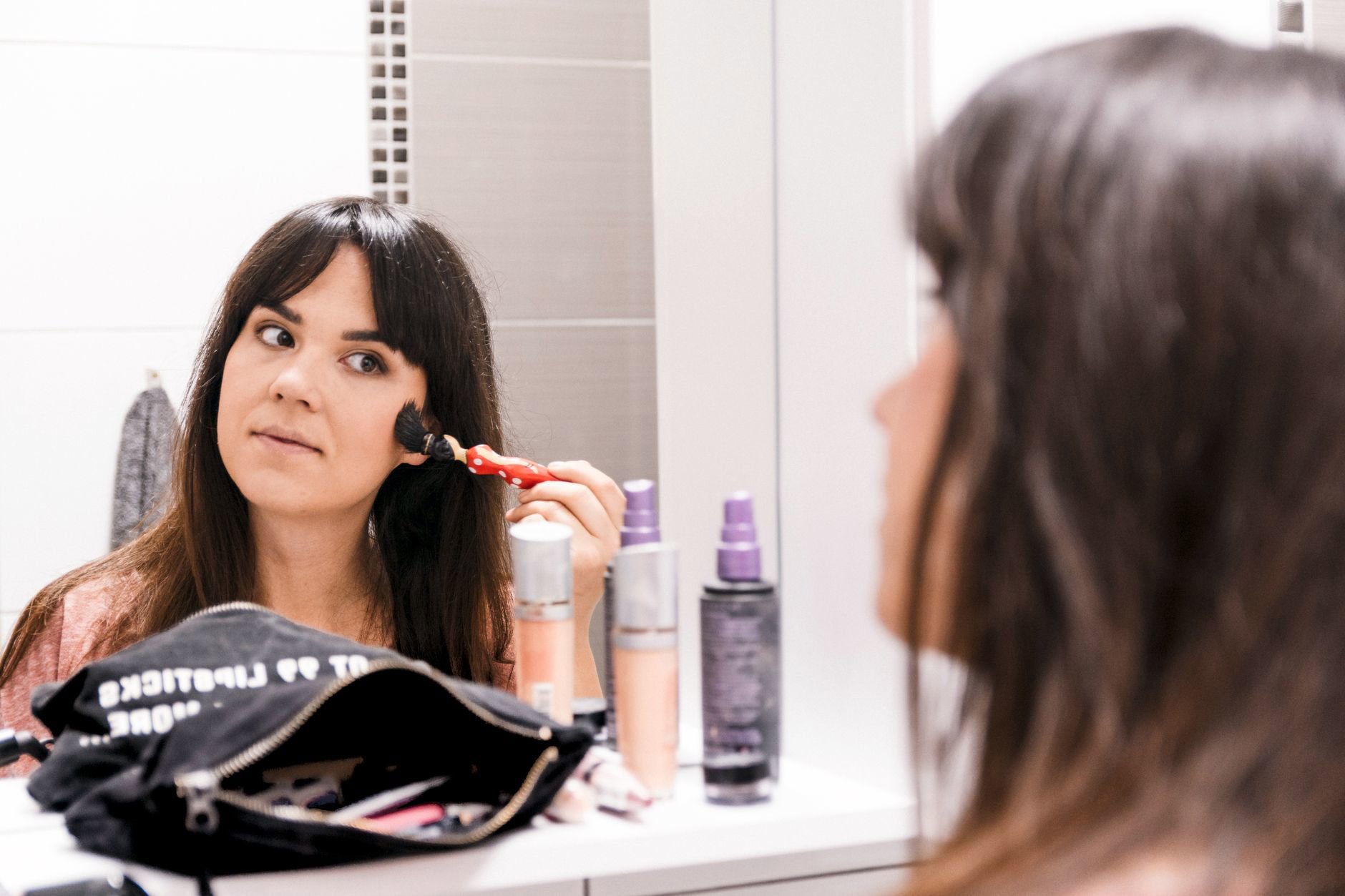
Technique that makes drugstore blush look high-end: apply thin layers and press in with a dense brush, then soften edges with a clean fluffy brush. If you prefer cream blush, set only the perimeter with a matching powder blush. That locks the shape but keeps the centre skin-like.
Tools matter here more than people want to admit. If your brushes are scratchy or floppy, even a luxury blush can look messy. It’s worth browsing Makeup Brushes & Applicators when you’re building a “dupe” routine that actually performs.
Foundation at the drugstore: where “rival” can be true—and where it fails
Foundation headlines love a simple claim: “this $18 base rivals luxury.” Sometimes yes. Often, the shade range and undertone nuance still lag behind prestige—especially in-store in Canada.
We’d approach drugstore foundation like this: decide your finish first, then match your skin behaviour (oil, dehydration, redness), then shop shade. If you do shade first, you end up forcing a formula that doesn’t suit your climate.
Canada-friendly strategy for matching shade without chaos:
- Swatch on the jawline, not the hand.
- Check it in natural light near a window.
- Give it 10 minutes before deciding. Oxidation, if it happens, usually shows quickly.
- If you sit between shades, choose the one that matches your neck and use bronzer/blush for warmth.
Our most useful “rival” tell: if a base pairs well with a wide range of SPFs and moisturisers, it’s a keeper. A foundation that only works with one specific primer costs you more in the long run.
If you want to compare formulas and finishes across retailers, start with Liquid Foundations and filter by the coverage level you actually wear day-to-day.
One Canadian winter note: if you get flaky around the nose and mouth, skip long-wear matte in January and switch to a satin base with targeted setting powder. You’ll look more polished and less “set.”
Concealer dupes: pick for under-eye anatomy, not trends
Concealer “dupes” go wrong when women try to use one product for two jobs: under-eye brightening and spot concealing. Those need different textures.
Under-eye: you want slip, thin layers, and some flexibility so it doesn’t crack. Look for words like “hydrating,” “serum,” or “radiant,” but stay sceptical of heavy shimmer. Reflective particles can make texture look worse in daylight.
Spots and redness: you want higher pigment, more set, and less shine. A “full coverage” label can help here, as long as it doesn’t dry down too fast to blend.
Application matters as much as formula. Try this under-eye method before you buy anything new:
- Use half the amount you think you need.
- Place it at the inner corner and along the shadow line, not across the whole under-eye.
- Tap with a fingertip to melt it into the skin, then lightly set only where you crease.
- Finish with a hydrating mist if your under-eye looks dry (mist away from the eyes, then press skin gently).
For browsing and comparing options across the mass-to-prestige range, our Liquid & Cream Concealers category helps you sanity-check finishes and availability in Canada before you commit.
Mascara and eyeliner: where drugstore often wins on formula cadence
Mass brands update mascara formulas constantly because they sell in huge volume. That speed shows up in wear tests: tubing mascaras, smudge-resistant polymers, and better brush designs often arrive at the drugstore quickly.
If you struggle with smudging in summer humidity or watery eyes in winter wind, consider a tubing-style mascara. It forms little “tubes” around lashes and removes with warm water and gentle pressure. It doesn’t rely on heavy oils for removal, which can help if you hate makeup remover rubbing.
Two Canadian caveats:
- Don’t stockpile mascara during points events unless you’ll open it soon. Freshness matters more than saving a few dollars.
- Waterproof isn’t always better. Some waterproof formulas feel stiff and can drop curl faster on straight lashes.
If you’re shopping by category, our Mascaras pages make it easier to compare what’s in stock at Canadian retailers without scrolling endless “best of” lists.
For eyeliner “dupes,” prioritise packaging. A $12 liner that dries out in six weeks costs more than a pricier pen that stays inky for months.
“Prestige glow” on a drugstore budget: primers, powders, and the order that matters
Most women try to buy glow. The smarter move involves building it with layers so it lasts through a workday, transit, and real weather.
Start with skin prep that fits the season. In winter, choose a barrier-supporting moisturiser and let it sit for a few minutes before base. If you jump straight into foundation over a tacky cream, you’ll get pilling and patching.
Next, treat primer like a tool, not a mandatory step:
- If you get oily: use a grip or smoothing primer in the T-zone only.
- If you get dry: skip primer or use a hydrating one on the perimeter of the face.
- If you get texture around pores: press a silicone-smoothing primer into pores, don’t smear it around.
- If you wear SPF daily: make sure your primer and SPF agree. Some combinations pill no matter how expensive they are.
Then set strategically. A full-face powder can erase your glow and make drugstore base look “flat.” Instead, set under eyes, sides of the nose, and centre forehead. Keep cheeks freer so blush and highlight look like skin.
If you want a place to start building that system, compare finishes in Face Primers and decide whether you need blur, grip, or oil control—because one product rarely excels at all three.
Skincare-adjacent hype: dark spots and “anti-ageing” claims to treat carefully
Several headlines in your list lean hard on dark-spot correctors and “Botox-level” serum claims. We’d approach both with the same Canadian reality check: hyperpigmentation work takes consistency, and winter dryness can limit how aggressively you can use actives.
If dark spots matter to you, build the boring backbone first:
- Daily sunscreen, even in winter.
- Gentle cleansing that doesn’t strip.
- A moisturiser that stops flaking before you add actives.
- One brightening active at a time (vitamin C, azelaic acid, tranexamic acid, or a retinoid), introduced slowly.
Canadian shoppers also run into a practical snag: not every trending US “corrector” sits on shelves at Sephora Canada or Shoppers. When it hasn’t launched here yet, the temptation is to order cross-border and pay the premium. We’d only do that when the ingredient profile offers something truly unique.
Want a simpler shopping lens? Treat “anti-ageing” serums as texture and hydration tools first, wrinkle tools second. If you’re browsing prestige options, brands like Clinique and Estée Lauder often offer formulas that sit well under makeup, which matters if you’re pairing skincare with a drugstore base.
For daytime spot-fading routines, keep your sunscreen non-negotiable. Our SPF Protection Products category helps you compare textures and prices across Canadian retailers without guessing.
Where to spend vs save in Canada: a practical cheat sheet
If you only remember one thing, remember this: spend where your skin is picky, save where colour does the heavy lifting.
Usually safe to save (drugstore wins often):
- Blush and bronzer (especially powder)
- Mascara (if you replace it regularly)
- Lip liner and everyday lip colour
- Brow gels and pencils
Consider spending more (or at least shop carefully):
- Foundation, if undertone matching is hard for you
- Under-eye concealer, if you crease easily
- Setting powder, if you photograph often or hate texture
- Skincare actives, if you need elegant textures you’ll use consistently
In Canada, sets can quietly offer the best cost per mL, especially around seasonal promos. If you like trying products without committing to full sizes, browse Makeup Sets and compare across retailers. The value often comes from minis you’ll actually finish.
Finally, don’t ignore returns policies and shipping thresholds. A “deal” that forces you into a shade gamble can cost more than buying once, correctly.
What this means for your routine (and your budget)
The drugstore-versus-prestige debate misses the real point: you don’t need a perfect one-to-one dupe to cut your makeup spend. You need a system that keeps your base stable, your colour flattering, and your purchases replaceable when Canadian stock shifts.
Start with one swap in the easiest category—blush or mascara—then evaluate wear across a full day. If the product holds up, move to the next category. If it fails, don’t assume “drugstore can’t compete.” Diagnose the failure: undertone, finish, prep, or setting strategy.
And if you’re building a winter-proof face, prioritise barrier comfort. Makeup looks more expensive on calm, hydrated skin than on irritated skin, no matter what you paid.
Which product are you most tempted to replace first: blush, foundation, concealer, or mascara—and what’s the one thing it has to do well for you to keep it?