Our price tracker lights up every October with a familiar surge: women across Canada start bulk-buying body moisturisers before the heating goes on. Demand spikes, jumbo sizes arrive, and gift sets crowd the shelves. Yet dry shins, tight elbows and flaky knees still dominate the season. The issue rarely sits with how much you slather on. It sits with what you put on.
The best body creams mix water-grabbing humectants, smoothing emollients and seal-the-deal occlusives. Then they add soothing extras that calm irritation. Get that balance right and skin stays soft through a -20°C commute and a day in recycled office air.
We built this guide to decode labels, match textures to Canada’s climate, and help you shop smarter across Sephora Canada, Shoppers Drug Mart, The Bay, Well.ca and beyond. We point you to ingredients that do the real work. We also flag the marketing fluff you can skip.
Context: why formulas matter more than marketing
Moisture loss climbs fast when furnaces roar and humidifiers struggle. Our data shows body moisturisers move into heavy promotion from October through February. Most retailers push jumbo formats and bundle sets during this window. That helps your wallet. It does not guarantee relief if the formula leans too watery or too perfumed.
Across our merchant feed, bestsellers cluster around the same core ingredients. Glycerin leads the list. Shea butter, petrolatum and dimethicone show up again and again. Brands tweak textures and scents, but the workhorses repeat. That is good news. You do not need niche actives to fix winter skin. You need the right mix of known performers.
Women here also pay a real premium compared with US pricing on the same SKUs. That premium often lands hardest on imported body butters and prestige creams. We track those gaps. When a Canadian promo hits, the gap can close fast, sometimes to parity. Add products you rate to your GlamGeek wishlist and we will ping you when the price drops so you can stock up at the right moment.
One more pattern holds. Fragrance-forward body care sells well through the holidays, but fragrance-free purchases climb in January. That matches customer reviews that mention irritation after weeks of dry indoor air. Ingredients that buffer the skin barrier quickly become the smarter buy.
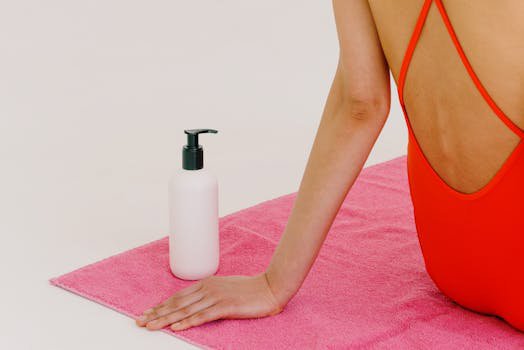
{{IMAGE:woman applying body cream in winter}}Humectants: the water magnets that stop tightness
Humectants pull water into the upper layers of skin. They give you that bouncy, comfortable feel within minutes. Look for glycerin high on the list. It works in a wide humidity range and costs little. You see it in both drugstore lotions and luxury butters. Brands may spotlight fancier friends like hyaluronic acid, but glycerin often carries most of the load.
Urea deserves special attention. At lower levels, it behaves like a powerful humectant and softener. At higher levels, it also loosens built-up flakes, which helps rough heels and scaly shins. If your legs drink lotion and still look ashy, a body cream that lists urea above the fragrance line often solves it faster than layering a thin lotion twice.
Other helpful names include sodium PCA, propanediol and lactic acid in gentle strengths. They keep water where you need it. Aloe can help as well, but only as part of a larger mix. If you see “aloe” front and centre but glycerin buried, the comfort may not last past lunchtime in a heated office.
Shopping tip: compare like-for-like textures on GlamGeek. Thicker creams with strong humectant backbones often sit in our Body Creams category. Lighter daily hydrators live under Body Lotions. Add favourites to your wishlist and we will alert you when Shoppers or Well.ca run a weekend promo.
Emollients: the smoothers that soften rough patches
Emollients fill the tiny cracks between skin cells. They make rough skin feel smoother and look more even. Shea butter anchors many cult body butters. We also rate caprylic/capric triglyceride for a weightless glide that never feels greasy. Squalane gives a refined slip as well, and it suits dry and sensitive skin.
Jojoba oil behaves like a wax ester, which aligns well with skin’s natural lipids. If you struggle with bumpy texture on arms, a cream that blends jojoba with ceramides can help smooth the look fast. Ceramides support the skin barrier. They partner well with cholesterol and fatty acids to rebuild comfort during a hard winter.
Want a plush texture without a heavy scent? Look for fragrance-free body butters from brands that know texture. The Body Shop built a following on rich butters. Clarins and Clinique both do elegant, softening creams that layer well with fragrance if you prefer to perfume separately. If you lean drugstore, Garnier and L'Oréal offer fast-absorbing emulsions that still feel cushy.
Texture test at home. Smooth a pea-sized amount on the back of one hand. Wait 10 minutes. If the skin still feels silky and comfortable, the emollients likely suit you. If it goes squeaky or tight, you need more cushion from butters or oils.
Occlusives: the seal that keeps hydration from escaping
Humectants add water. Emollients smooth. Occlusives seal. Petrolatum gives the strongest seal in mainstream skincare. It reduces water loss dramatically. Dimethicone and other silicones form a lighter, breathable film. Mineral oil sits in the middle and helps many dry legs feel normal again.
If your skin cracks in deep winter, use a cream that blends humectants with petrolatum or a higher level of dimethicone. Use a thinner lotion for daytime comfort. Then use the heavier occlusive overnight. You wake with softer skin and less morning itch.
Lanolin also seals well but can trigger a reaction for some. If you do not know how your skin behaves with it, patch test on a small area. If you see redness or feel prickling, switch to petrolatum or silicone-based occlusives instead.
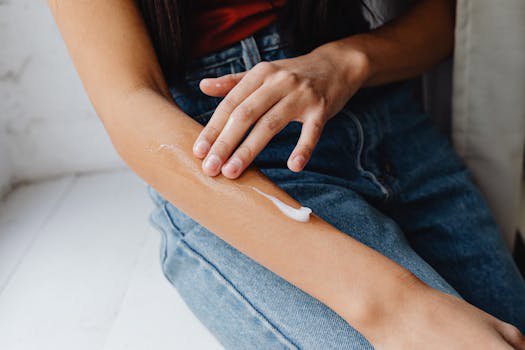
Layering tip: apply your body cream on slightly damp skin after the shower. Then spot-seal the driest zones with a dab of a thicker balm. The combo locks in water without coating your whole body. You use less product and get more comfort for the spend.
Soothing and barrier-support actives: calm first, then glow
Cold, dry air does not just dehydrate. It irritates. Soothing actives can stop that spiral. Colloidal oatmeal calms and softens at the same time. Panthenol (vitamin B5) pulls water in and helps comfort tender skin. Allantoin takes down that “itch to scratch” feeling. Bisabolol and centella asiatica also help reduce visible redness.
Look for these names high in the list if you feel sensitive or if you shave often. Fragrance-free options help even more in deep winter. Scents feel nice in-store. On a tight shin, they can sting. If you still want a scent, apply your perfume to clothing instead. Then use a fragrance-free body cream under it.
Barrier lipids matter here. Ceramides, cholesterol and fatty acids rebuild a tired barrier. They pair well with humectants such as glycerin and sodium PCA. Together they give comfort that lasts the workday, not just the first hour after a shower.
If you manage eczema or severe dermatitis, work with a physician. Cosmetics soothe mild dryness, but medical skin conditions need a plan. Choose fragrance-free, dye-free formulas and patch test new products on the inner arm for two days before full use.
Smart exfoliation for smoother legs and KP-prone arms
Flakes can block moisture. Gentle exfoliation clears the path. Lactic acid softens rough spots and supports hydration at the same time. Urea in higher strengths loosens stubborn build-up on elbows and heels. Salicylic acid can help with keratosis pilaris on arms and thighs. It breaks through oil and clears the surface of those little bumps.
Build a rhythm that respects winter skin. Exfoliate two or three nights a week, not daily. Follow with a fragrance-free cream that blends humectants, emollients and occlusives. Avoid mixing strong acids with retinoids on the same night. Skip shaving on exfoliation days if your skin complains.
Watch label language. “Smoothing” often signals an acid or urea. If the cream promises glow but lists only fruit extracts and perfume, it may rely on sheen, not treatment. You can still enjoy it. Just do not expect texture change without proven actives.
For a tidy routine, keep a gentle body wash that doesn’t strip in your shower caddy. You can filter our picks under Shower Gels & Body Washes. Then seal gains with a richer cream from Body Creams. Add both to your GlamGeek wishlist and catch the next multi-buy deal.
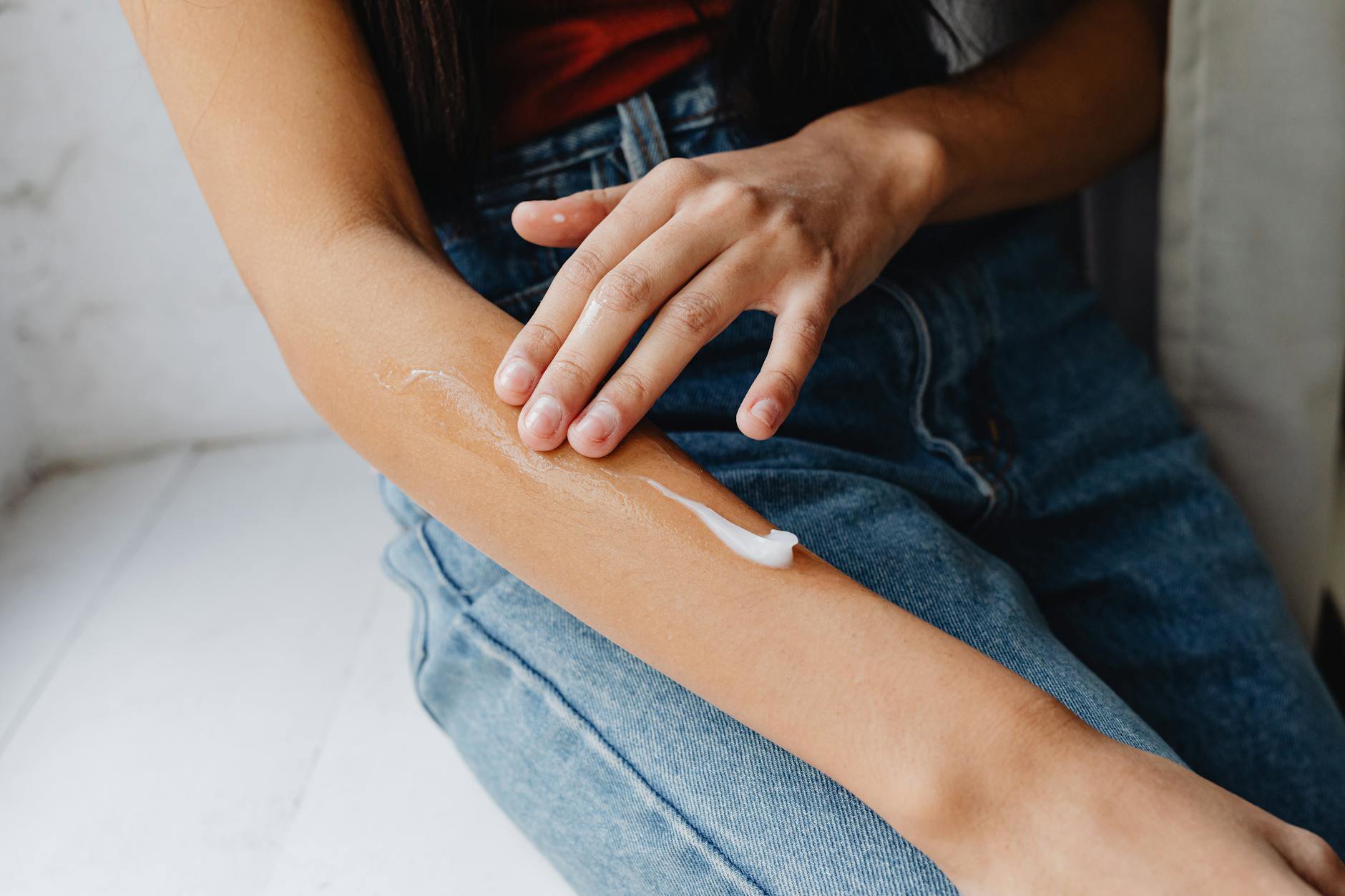
{{IMAGE:close-up of body lotion textures}}Do retinol, niacinamide and vitamin C belong in a body cream?
Short answer: they can. Retinol in body care targets crepey texture and photo-damage on arms and chest. It works slower on the body than on the face, but women who stick with it often see smoother skin by spring. Start two nights a week. Cushion with a bland cream on top if you feel tight.
Niacinamide supports barrier function, reduces the look of redness and can even the appearance of tone from neck to knees. It pairs well with glycerin and ceramides. Vitamin C derivatives can help brighten the look of sun-exposed zones like shoulders. Expect steady gains, not overnight shifts.
Daytime sunscreen makes these efforts count. UV erases hard-won progress. If your arms and chest see daylight, use a broad-spectrum SPF on top. Browse options under SPF Protection Products and set a price alert. We track price drops across Sephora Canada, Shoppers, The Bay and Well.ca so you do not miss a weekend flash sale.
Fragrance can fight with actives. If your retinol body cream tingles under a perfumed lotion, switch to fragrance-free for that layer. Keep the scent in your fragrance, not in your treatment step.
Fragrance, essential oils and dyes: when to enjoy and when to skip
Fragrance brings joy. It also risks irritation on winter-parched skin. Essential oils behave like fragrance. They smell botanical but still act like perfume for the skin. Dyes and mica add a glow in-store. On cracked elbows, they can distract from the basics you need.
Use scented formulas when your barrier feels strong. Save them for summer or for days you run a humidifier at home. Switch to fragrance-free when your legs itch or your hands crack. That swap alone often fixes the problem in a week.
If you still crave scent, apply perfume to clothing and hair brushes, not directly to skin. Or try a scented cream on arms only and keep shins and hands fragrance-free. Brands like Sephora Collection and The Body Shop release seasonal scents each year. Check our price comparison before you buy. We often see bundle deals in December that beat single-unit pricing.
Read for “parfum” or “fragrance” near the end of the list if you do not want scent. If it shows early, expect a stronger aroma. Keep an eye out for “fragrance-free” rather than “unscented.” Unscented products sometimes add masking fragrance. Fragrance-free means no perfume added.
Texture and climate: lotion, cream, butter or balm?
Pick texture by weather and skin type. Lotions work in humid July. Creams carry you through spring and fall. Butters and balms rescue deep winter legs that itch by 3 p.m. You can also mix and match. Use a lotion for arms and a balm for heels and elbows.
Packaging matters for how much you use. Pumps push you to apply enough for long limbs. Tubs encourage spot-treating. Tubes suit gym bags. If you struggle to keep up, pick a pump bottle that parks by the shower and a travel tube for your purse. The easier the reach, the more you will use it.
Apply to damp skin within three minutes of stepping out of the shower. That window makes humectants work harder. If you shower at night, wear cotton pyjamas to avoid overheating under occlusive creams. Overheated skin can itch. Soft cotton keeps the seal without the sweat.
If you want glow without stick, use a light lotion by day and a butter at night. This split routine often reads as “luxury” on skin with fewer product layers. Women who work in overheated offices prefer this approach. It looks polished but still relieves that afternoon tightness.
Budget, value sizes and when to go prestige
We see real value in big bottles and seasonal sets. Check our Skin Care Sets to catch holiday bundles that include full-size creams and matching washes. That format often beats single-item pricing once you factor in volume. If you like a prestige texture but not the sticker shock, wait for late November and early January. Our tracker shows frequent promos during those weeks.
Drugstore lines from Garnier and L'Oréal can carry you through winter if the formula hits the humectant-emollient-occlusive blend. Prestige brands such as Clarins and Clinique earn their space when you want a refined texture, fragrance-free precision, or a specific active profile. We recommend checking both tiers in our comparison tool. You may find a luxury texture for less during a sitewide event.
Do not chase price per millilitre alone. Cheap but thin formulas that need three coats waste time and money. A denser cream that solves tightness in one pass often costs less over a month. Test absorption and comfort over a week. If a jar lasts and your skin stays calm, you found your value sweet spot.
Final budget tip: add your shortlist to your GlamGeek wishlist. We monitor prices across major Canadian retailers and will flag the moment a favourite drops. You can then top up without guesswork.
Ingredients to bank on: a quick checklist
Shorten the shop with a tight checklist. Scan for at least one from each group below. If a cream ticks all three boxes, it will likely carry you through a Canadian winter.
- Humectants: glycerin, urea, sodium PCA, hyaluronic acid, propanediol
- Emollients: shea butter, squalane, jojoba oil, caprylic/capric triglyceride, ceramides
- Occlusives: petrolatum, dimethicone, mineral oil, lanolin (patch test first)
- Soothers: colloidal oatmeal, panthenol, allantoin, bisabolol, centella
- Optionals: niacinamide, retinol (night), vitamin C derivatives, lactic acid, salicylic acid (targeted)
Cross-check texture goals with the label. “Butter” should list butters and heavier oils high. “Lotion” should list water and humectants early with a silicone or light ester for slip. If the name says “repair” but only perfume and seed oils appear near the top, keep walking.
When in doubt, compare two or three formulas side by side on GlamGeek. Toggle to reviews, skim notes from women in cold provinces, and then check our retailer price feed. We track the deals so you do not have to refresh five tabs.
What this means for your routine
Build your body regimen around function. Use a gentle wash, apply a humectant-rich cream while skin is damp, and seal the driest zones with a heavier occlusive at night. Layer soothing actives when irritation shows up. Add retinol or niacinamide if you want extra smoothing over months, not days.
Buy with timing in mind. Canada often pays more than the US for the same jar. Promos narrow that gap. Add your picks to a GlamGeek wishlist, check our Body Creams and Body Lotions categories, and let us alert you when the price makes sense. Your skin will feel better. Your budget will breathe too.
Over to you
Which body cream ingredients actually keep your skin calm through February? Do humectants do the heavy lifting for you, or do you rely on a stronger occlusive at night? Tell us what works, then add your favourites to a GlamGeek wishlist so we can watch the prices for you.