Makeup sets can be worth it—when the bundle price stays below the true “buy-it-separately” total, and the shades and product types match how you actually do makeup.
They can also be a quiet money sink. Brands sometimes pad sets with mini sizes you won’t finish, duplicate colours, or “bonus” items that inflate the perceived value without helping your routine.
Our take, based on years of Canadian retail pricing feeds: sets tend to deliver the best savings when they bundle hero products people repurchase anyway, and the worst savings when they rely on vague “value of $X” claims that don’t match real shelf pricing in Canada.
What “worth it” means for makeup sets (and what it doesn’t)
“Worth it” should mean one thing: you spend less per usable product than you would have spent buying the same items you’d actually use.
That sounds obvious. Yet most bundle marketing tries to shift the definition toward “it contains many things,” or “it has a high stated value.” Those claims only matter if the items match your habits, your shade range, and your finish preferences.
In Canada, the math gets sharper. A set priced in C$ often carries a noticeable premium versus US pricing, and some limited sets hit Sephora Canada later than the US launch. If a set includes items you can already buy at Shoppers Drug Mart or The Bay on frequent promos, the bundle discount needs to be real—not just cosmetic.
Also: “value” isn’t only about dollars. Sets can reduce decision fatigue, simplify travel, and help beginners build a coherent kit. That convenience has value, but it still shouldn’t excuse paying more than you need to.
The savings math: how to calculate real bundle value in 3 steps
Ignore the box’s “total value” line until you do your own check.
Step 1: List what you would have bought anyway. Not what seems fun. Not what looks festive. The items you routinely reach for. If a set includes five products and you only want two, you’re not buying a five-item deal—you’re buying two items plus three distractions.
Step 2: Price-match the exact items and sizes. A common bundle trick uses deluxe minis that don’t have a straightforward shelf price. When brands compare a mini to a full-size “equivalent,” the implied per-mL price can look generous while the real cost per use stays high. If you can’t verify the size against a standard listing, treat the “value” claim as unverified.
Step 3: Convert savings into a per-use reality check. A set can look cheap per item, but expensive per use if half the shades don’t suit you. Neutral lip shades tend to get finished; bright novelty shades often don’t. The best sets keep colour risk low, or offer multiple options so at least one works.
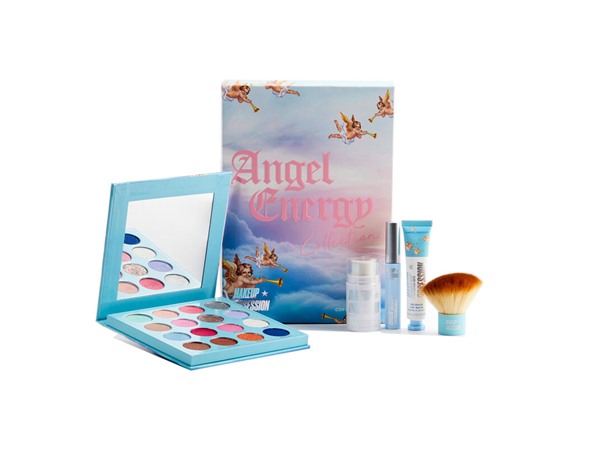
One more Canadian-specific angle: if the items in a set come from brands you can often find discounted at Shoppers Drug Mart, the bundle discount needs to beat the promo cycle. Our pricing history often shows that “deal” sets compete with points events and seasonal markdowns, so waiting can win—unless the set sells out early.
Pros: when makeup sets genuinely save money (and time)
Sets work best when they bundle staples that people already repurchase.
That usually means: core lip products, mascara-plus-liner combos, or complexion essentials that don’t demand a perfect shade match. (Complexion is the hardest category for sets because one wrong undertone can erase the savings.)
They also shine for travel. A compact kit can replace a handful of full-size items, and minis reduce the stress of lost luggage. Convenience counts, especially if your routine already fits the set’s layout.
Here’s what we look for in a “good value” set structure:
- One hero item you’d buy full price, plus smaller add-ons you’ll actually use.
- Low shade risk (universals, clear glosses, neutral palettes) or multiple shade options.
- Clear size disclosure for every item, so you can compare properly.
- Minimal filler (no duplicate browns, no random “bonus” pouch that replaces product value).
Brands like Sephora Collection, NYX, and Tarte often build sets around practical, repeatable looks. Prestige brands like Charlotte Tilbury and MAC can offer strong value too, but only when the set includes bestsellers you’d pay for anyway.
Cons: the bundle traps (inflated pricing, filler minis, and shade risk)
Some makeup sets cost more than buying smarter.
The most common trap looks like this: a brand adds several small items, assigns them an aggressive “value,” and prices the set close to a full-size hero product. The buyer feels like they got extras for free, but the extra items often sit unused.
Watch for these red flags:
- “Value” based on non-sellable sizes. If you can’t find a comparable mini price, you can’t verify savings.
- Duplicate tones. Three warm browns across different products don’t equal variety.
- Complexion shade bundles. Foundation/concealer shades in sets can miss undertones, especially online.
- Seasonal packaging premium. Limited packaging can push prices up without improving formula.
- Short runway products. Items with fast dry-down or that separate quickly can waste value if you don’t use them often.
Canadian winters add a practical twist: dry indoor heating can change how products sit on skin, especially matte formulas. If a set leans heavily matte and you prefer comfort, you may use fewer items than expected. Fewer uses means higher cost per look.
We also see a retailer mismatch effect. A set might look like a deal at Sephora Canada, but the same brand’s singles can go on deeper promo elsewhere. If you shop Shoppers Drug Mart points events, calculate your effective cost after points before calling the set a bargain.
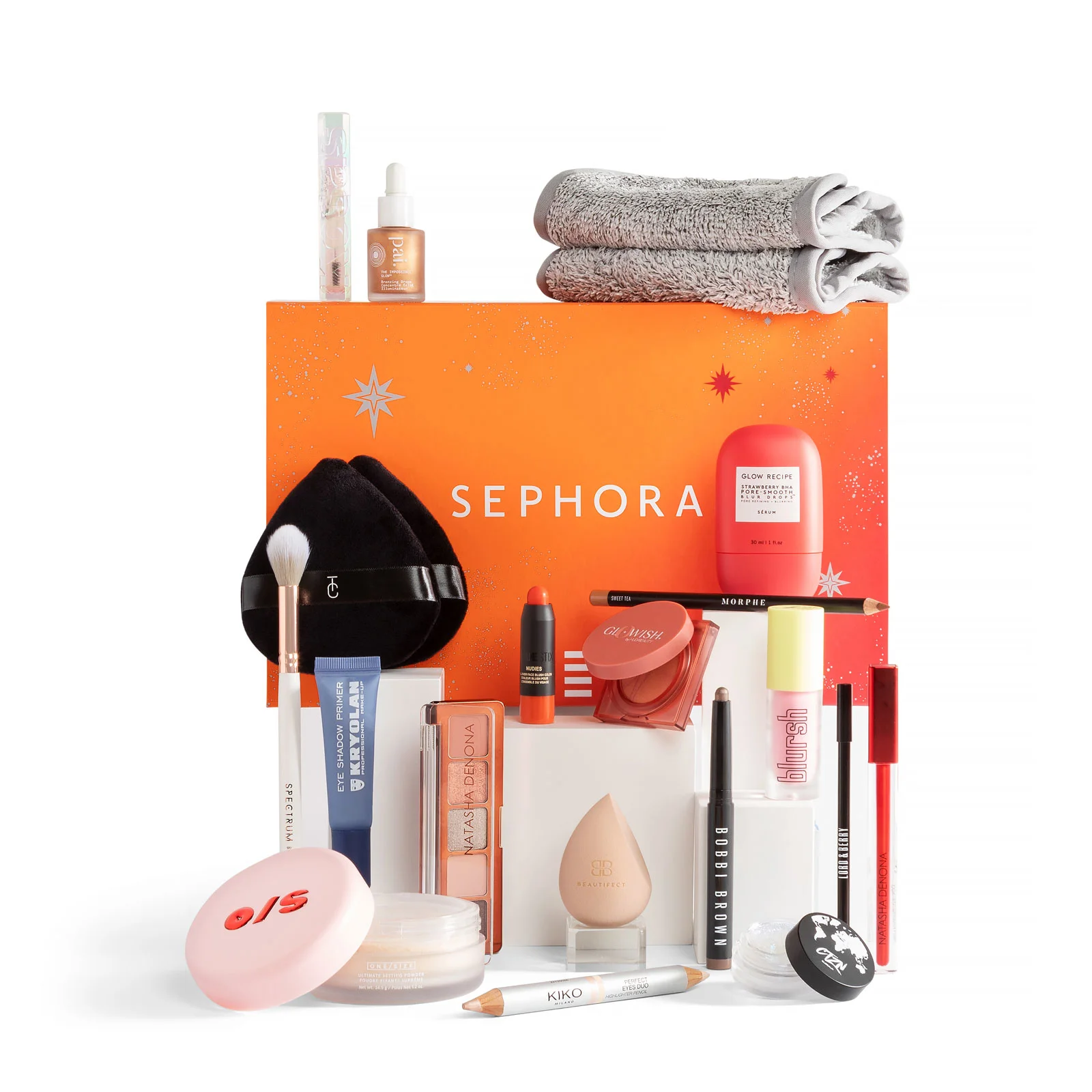
Which set types make the most sense for different routines and budgets
Not all makeup sets behave the same way on value. The set format often predicts whether you’ll finish it.
1) Lip-focused sets usually have the best “use rate.” People reapply lip products, and shade matching stays easier than complexion. If you already wear lip colour daily, these sets can beat buying singles—especially when they include a full-size plus minis for variety. If you rarely wear lip products, skip them. Simple.
2) Eye sets can save money when they bundle complementary items that create a complete eye look. But eye sets also carry the most duplicate-colour risk, especially if they include multiple neutral browns that look different in the pan and identical on the lid. If you already own several Eye Shadow Palettes, you’ll want a set that adds a new finish, not more of the same.
3) “Full face” kits make sense for beginners, travel, or anyone who wants fewer decisions. They often waste money for experienced users because you already own versions of each category. These sets only win if the hero items align with your existing preferences so you don’t end up replacing half the kit.
4) Brand sampler sets can be smart when you’re trying a new brand family—say, moving from drugstore to prestige. But treat them like paid sampling, not savings. The goal becomes “reduce regret,” not “get a bargain.”
For budget tiers, we usually see three shopping behaviours:
- Under C$50: look for compact sets with fewer, more practical items; avoid huge assortments.
- C$50–C$100: target a set anchored by at least one full-size bestseller.
- C$100+: only buy if you would have purchased most items at full price anyway.
How to spot inflated “bundle” pricing using retailer comparisons
Brands rarely say “we raised the set price because it’s a set.” Retail pricing does it quietly.
We recommend a quick comparison routine across common Canadian retailers: Sephora Canada for prestige exclusives, Shoppers Drug Mart for promo cycles, The Bay for periodic markdowns, and Well.ca for curated bundles. Murale and Nordstrom Canada can also matter for specific brands, but availability shifts.
Here’s a checklist that catches most inflated bundles:
- Compare to the cheapest reliable single price you can find in Canada, not just the brand’s own site.
- Check if the “hero” item ever discounts. If it does, the set must compete with that discounted baseline.
- Look for duplicated function. Two similar lip shades inflate item count, not value.
- Audit the sizes. A mini that lasts 10 uses has a different value than one that lasts 60.
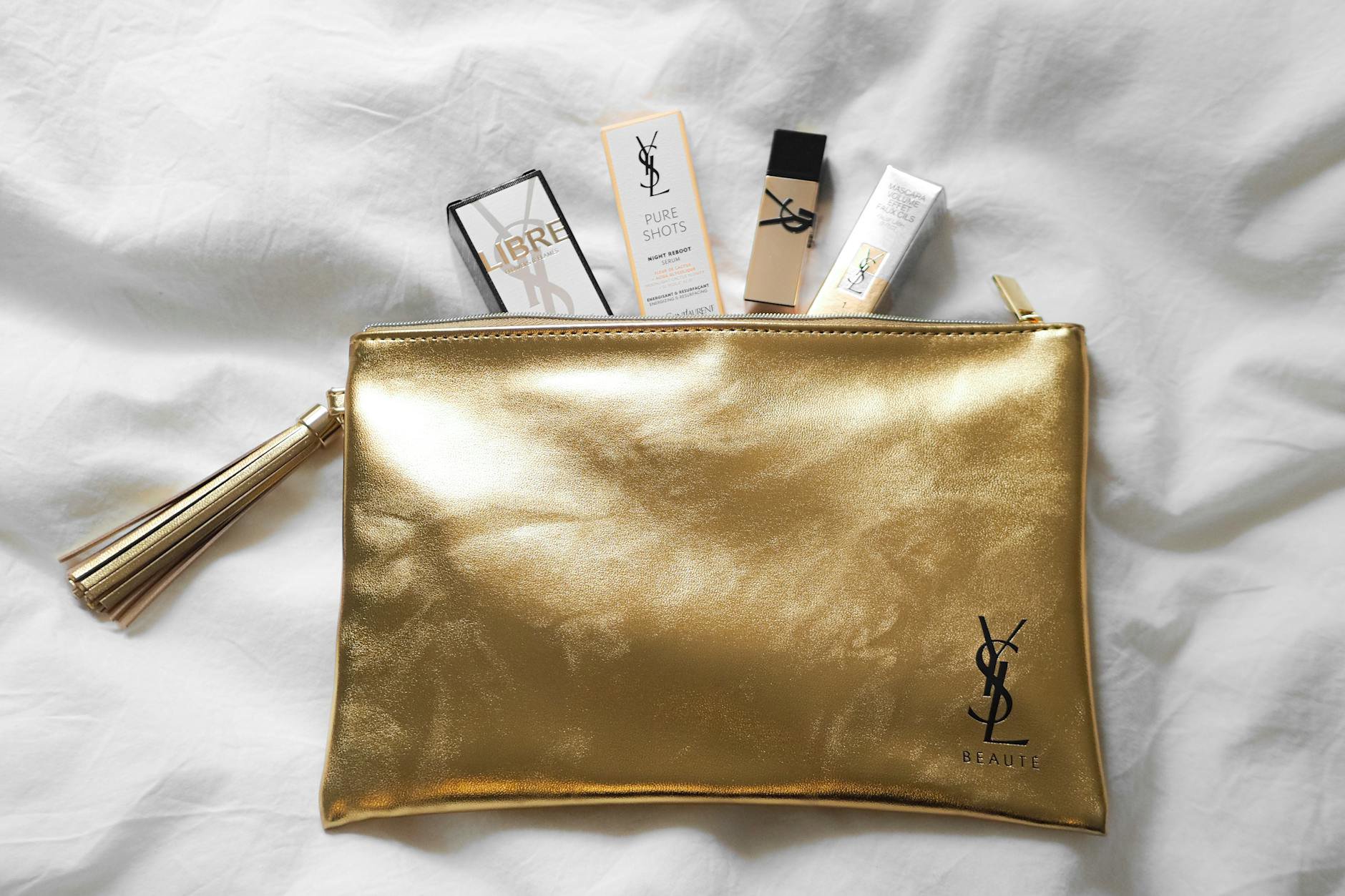
- Don’t pay for a bag. If the set leans on a cosmetic pouch, demand a better product discount.
One sentence rule we use internally: if you would not buy the “bonus” items as singles, you should treat them as worth zero in your savings math. Harsh. Effective.
Recommended makeup sets (and who they suit)
We can only recommend sets where we can verify the exact product and Canadian pricing from our tracked listings.
Right now, your prompt references a “TOP PRODUCTS” list, but it wasn’t included in this chat. Without that list, we can’t name specific makeup sets or quote real C$ prices without risking fabricated details, which we don’t do.
If you paste the TOP PRODUCTS list (product names + Canadian prices + any descriptions), we’ll add a tight shortlist here with:
- Which routine each set fits (minimal, office-ready, full glam, travel)
- Where bundle value usually holds (and where it breaks)
- What to watch for: shade overlap, mini sizing, and “value” claims
- Price notes in C$ only, pulled directly from the list
Until then, the safest evergreen guidance stays structural: pick sets with fewer items you’ll finish, and avoid “mega kits” unless you need variety for work, events, or kit-building.
Practical tips you can use today: buy smarter, waste less
Do a two-minute inventory before you buy. Open your makeup bag, then count duplicates by function: how many nude lip colours, how many brown shadows, how many black liners. If you already own three versions, a set with a fourth rarely saves money.
Use the “three looks” test. Before checkout, describe three looks you will do with the set. If you can’t name them, you’re buying potential, not utility. Utility wins.
Plan around climate and comfort. In Canadian winter, drier air can make long-wear formulas feel tight. If a set leans matte, pair it with your existing prep routine (think Day Face Moisturisers and barrier-friendly basics) so the products don’t go unused. If you won’t adjust, choose a set with more forgiving textures.
Keep your routine modular. If you only need one category, buy a focused set in that category rather than a full-face kit. Sets should reduce spending, not force extra categories into your drawer.
Bottom line: are makeup sets worth it?
Yes—when the set mirrors your routine, the sizes make sense, and the bundle price beats what you’d pay for the same items in Canada.
No—when the “value” depends on unpriced minis, duplicated shades, or categories you don’t use.
If you share the TOP PRODUCTS list, which makeup set types are you shopping for: lip, eyes, a full-face kit, or a travel-friendly edit?