I can tell when a beauty trend will stick by one tiny detail: how fast it shows up at Shoppers Drug Mart.
If it stays “TikTok-only,” it usually fades. If it hits Canadian shelves (or at least Sephora Canada) within a season, it starts shaping real routines.
Right now, we’re in a loop of viral hacks, comfort beauty, and sustainability headlines. I don’t hate it. I just refuse to buy everything.
Comfort beauty is back, and it’s changing what goes viral
ELLE Canada’s “Comfort Files” interviews keep landing for a reason. The vibe feels softer than the peak “glass skin at all costs” era. Women want products that feel good to use, look good on a vanity, and don’t punish skin.
I see that same mood in what actually trends in Canada. A calming mist goes viral faster than a 14-step exfoliation ladder. A sheer lip beats a drying matte. Even the “viral” picks that stick tend to have a comfort angle: barrier creams, hydrating tints, and plush textures.
It also explains why drugstore roundups keep performing. When budgets feel tight, comfort becomes practical. A gentle cleanser you’ll use twice a day matters more than a flashy active that scares you into skipping nights.
Here’s my working definition: comfort beauty earns repeat use. That means it needs to play well with skin care, sit nicely under makeup, and not set off a week-long irritation spiral.
And yes, I’ll still try the occasional spicy trend. I just filter it through comfort first.

The Canada timing gap: how to shop when the US has it first
Canadian beauty shopping comes with a built-in delay. US creators post a “holy grail” on Monday, and we spend weeks asking: “Is it at Sephora Canada yet?”
That lag changes how I recommend shopping. I look for three paths: (1) the product already exists here, (2) a close Canadian alternative, or (3) a trend you can recreate with what you own.
Sephora Canada often gets launches quickly, but not always at the same time as the US. Shoppers Drug Mart can be even more unpredictable, especially for shade expansions. The Bay sometimes surprises me with prestige skincare availability, while Well.ca wins for easy restocks on “boring but necessary” staples.
If you use GlamGeek, the price tracking shows when Canadian retailers quietly drop prices or run short promos. That matters more here because we don’t always get the same sale calendar as the US.
My rule: if a product isn’t officially sold in Canada, I don’t build a routine around it. I’ll test it, sure. But I won’t depend on it.
Viral hacks that work (and the ones I refuse to do)
Global News ran a segment on viral skincare and makeup hacks that actually work, and I agree with the premise. Some tricks succeed because they’re just good technique with a new name.
But I want to separate “effective” from “safe.” When a hack relies on irritation, it’s not clever. It’s roulette.
Hacks I’ll keep:
- Sandwiching retinoids with moisturiser if you’re sensitive. Start with a thin layer of moisturiser, then your retinoid, then moisturiser again.
- Blot-then-powder for oily T-zones. Use a tissue to lift oil, then a light dusting. It looks more natural than piling powder on shine.
- “Two blush” placement: a neutral blush near the hairline for structure, then a brighter pop on the apples. It reads fresh in Canadian winter lighting.
- Brush misting (with setting spray, not water) before applying shimmer shadow. It boosts payoff and reduces fallout.
Hacks I skip, every time:
- Toothpaste on pimples. It irritates skin. You get redness, not results.
- Undiluted essential oils on the face. Photosensitivity and dermatitis aren’t “detox.”
- DIY acid layering (AHA + BHA + retinoid in one night). That’s how you end up babying a damaged barrier.
- Overlining with matte liquid lipstick as “lip liner.” It cracks, and it makes touch-ups miserable.
If you want a practical “viral-proof” makeup kit, I’d focus on tools as much as products. A good angled blush brush and a small concealer brush do more than another palette. If you’re refreshing your stash, start with Makeup Brushes & Applicators before chasing a new base product.
Drugstore skincare that earns a spot in a Canadian routine
Glamour’s drugstore skincare lists always spark the same question in my DMs: “Okay, but which ones work if I live in Canada?”
Our winters punish barriers. Our indoor heating runs dry. And a lot of us bounce between freezing sidewalks and overheated offices. So I prioritise formulas that support the barrier first, then add actives.
My drugstore strategy looks like this: gentle cleanse, targeted active, serious moisturiser, daily sunscreen. Not glamorous. Very effective.
Here’s what I’d actually build around, using brands that Canadian shoppers can reliably find at Shoppers, Well.ca, or big-box retailers:
- CeraVe Hydrating Cleanser for dry or reactive skin types. It cleans without that squeaky feeling.
- La Roche-Posay Toleriane Dermo-Cleanser when everything stings and you need a reset.
- The Ordinary Niacinamide 10% + Zinc 1% if oil and visible pores bother you. Go slow if you’re sensitive, and don’t stack it with too many other strong steps.
- Vichy Minéral 89 as a hydrating layer under moisturiser when your skin feels tight.
- Avène Cicalfate+ Restorative Protective Cream for barrier support on rough patches.
Notice what I didn’t do: I didn’t recommend five different exfoliants. If you want one, pick a single lane. A gentle lactic acid a few nights a week, or a salicylic acid for congestion. Not both, not daily, not because a creator said so.
If you want to browse by step, GlamGeek’s category pages help you compare what’s in stock and what’s on promo, like Day Face Moisturisers and Foam & Wash Cleansers.
K-beauty trends in Canada: what’s real, what’s marketing
Premium Beauty News called out Korean skincare trends reshaping the Canadian market, and I’ve seen it firsthand. More K-beauty has moved from niche to normal here, especially in hydrating toners, gentle cleansers, and sunscreen textures.
The most useful K-beauty influence isn’t a specific “trend.” It’s the mindset: hydration layers, barrier-first routines, and formulas that feel elegant enough to use daily.
When I shop K-beauty-inspired routines, I look for ingredients that play well with Canadian weather:
- Glycerin for dependable hydration that doesn’t feel fussy.
- Panthenol for soothing and barrier support.
- Ceramides for that “my skin feels normal again” effect.
- Centella asiatica when redness flares up.
But I also watch for the trend trap: buying three watery steps because they look pretty on camera. If you already use a hydrating serum, you may not need a separate toner and essence. Choose one hydrating layer you’ll actually finish.
If you want a simple routine that nods to K-beauty without turning into a shelf project, try this:
AM: gentle cleanse (or rinse), hydrating layer, moisturiser, SPF Protection Products.
PM: cleanse, treatment (only one), moisturiser.
That’s it. Your skin should feel calmer in two weeks, not “purging” for two months.
Estée Lauder’s Canadian environmental fine: what I check now
When I saw coverage of The Estée Lauder Companies being fined C$750,000 by the Canadian government over environmental law violations, I felt two things at once. First: good. Enforcement matters. Second: I need more than PR statements to decide what I buy.
I’m not here to tell you to boycott or forgive. I’m here to tell you how I shop smarter when sustainability headlines hit.
I start with packaging and refill options, because that’s where we can see concrete change. Some prestige brands have leaned into refills and lighter packaging. Others still sell heavy, layered boxes that look luxe and ship terribly.
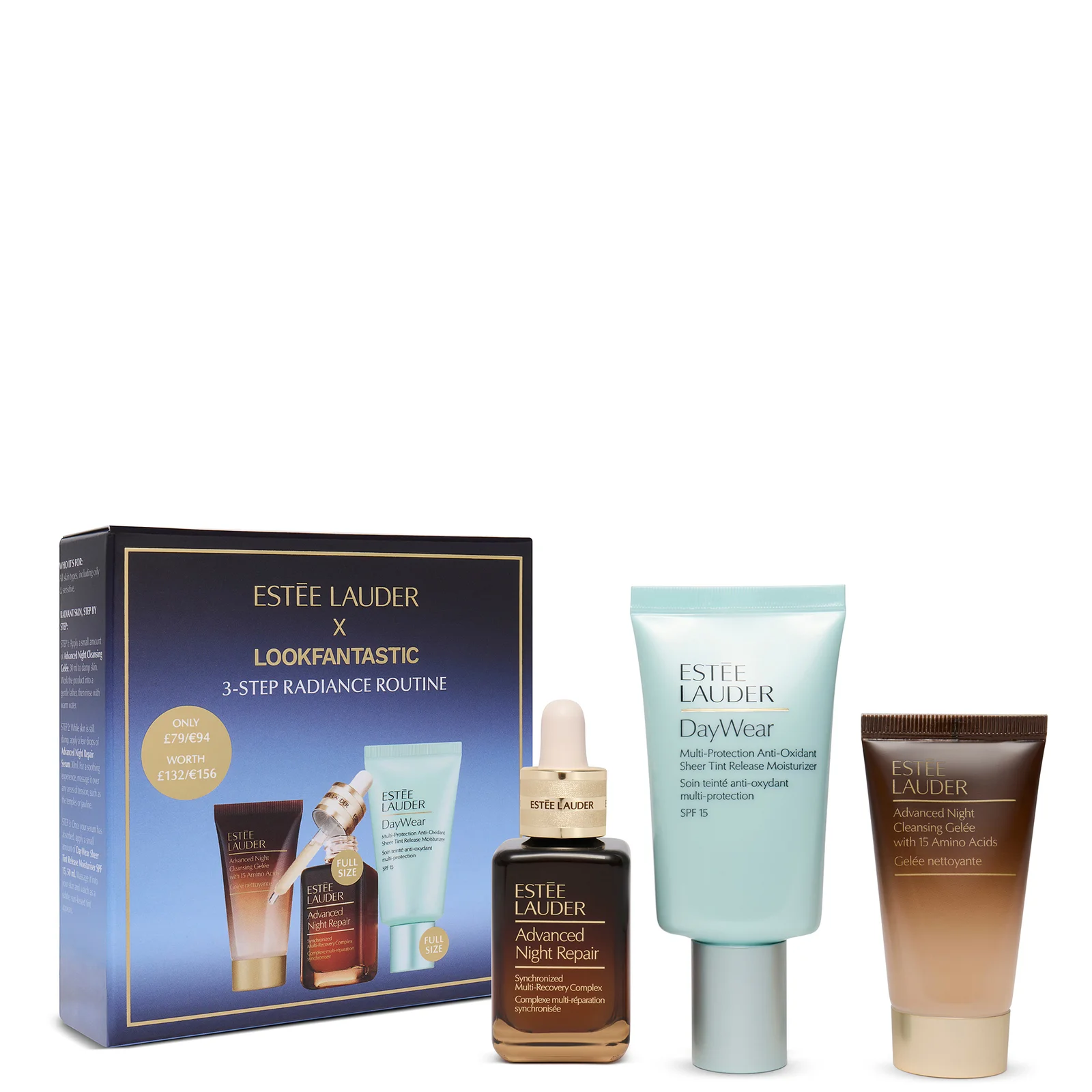
If you love prestige skincare and want to keep your routine, you can still make choices inside it. When I browse brands like Estée Lauder, I compare pack sizes, look for simplified packaging, and avoid impulse “collector” editions that exist to sit in a drawer.
I also pay attention to what companies do in Canada specifically. A global sustainability page means less if Canadian operations lag. This is where Canadian coverage matters, because it pushes local accountability.
One more thing: sustainability should never pressure you into unsafe DIY. Don’t decant sunscreen into random containers. Don’t store actives in clear travel jars. Reduce waste, yes. But keep products stable.
Quo turns 25: the Canadian drugstore makeup reality check
Quo Beauty turning 25 hit me with nostalgia. It also reminded me how specific Canadian drugstore makeup shopping feels. We don’t just want “affordable.” We want reliable, in-stock, and easy to shade match under fluorescent store lights.
Here’s what I think Canadian drugstore makeup does best right now: easy complexion, quick eyes, and lip comfort. The trend cycle pushes extremes, but most women still want makeup that survives a commute and looks normal at 4 p.m.
If you’re rebuilding a kit, I’d prioritise categories, not viral SKUs. Start with a base that matches your skin type, then add one fun item.
My practical shopping order:
- Liquid Foundations or a tint that doesn’t separate on dry patches
- Liquid & Cream Concealers that set without looking chalky
- Mascaras that don’t smudge in slush season
- Lipsticks or Lip Glosses you can reapply without a mirror
If you want specific brand directions, I keep seeing strong value in NYX for lip and brow, and L'Oréal for mascara and base. For trend shades on a budget, Revolution rotates colour stories quickly.
And when you want to scratch the “viral palette” itch, I’d rather you buy one solid neutral you’ll use than five loud ones you won’t. If you love options, browse Eye Shadow Palettes and filter by finishes you actually wear to work.
My “viral-proof” routine: build a core, then test trends safely
The easiest way to stop overbuying is to build a core routine you trust. Then you trial trends one at a time, like a controlled experiment. Not a free-for-all.
I use a simple rule: one new product per category at a time, and I don’t add a new active while my skin feels reactive.
My core routine template (Canadian weather edition):
- Cleanser: gentle, non-stripping. If you wear heavy makeup, double cleanse with a balm then a wash.
- Hydration layer: a simple serum or toner. If you already use one, don’t add two more.
- Treatment: pick one goal. Brightening, acne, texture, or fine lines. One lane.
- Moisturiser: day and night can differ. Use lighter in the day, richer at night if you’re dry.
- SPF: daily, even when it’s grey. Snow reflection counts.
If you want to shop by function, I like comparing Night Face Moisturisers versus Day Face Serums because it forces you to think about texture and timing.
For makeup, I keep one “comfort face” combo ready: a skin tint, a cream blush, and a mascara. Add a lip balm that feels like care, not punishment. If your lips stay dry, keep a proper Lip Balms & Creams in your bag and stop relying on matte formulas to do skincare’s job.
Then, and only then, I test the trend. I patch test skincare on the jawline for several days. I test complexion products in daylight. I treat TikTok like a tip line, not a prescription.
What this means for Canadian shoppers right now
Canadian beauty in 2026 feels split between “comfort” and “chaos.” Soft routines and soothing textures sit beside frantic sale hauls and risky hacks. You don’t need to pick a side. You just need a filter.
My practical takeaways: build a core routine that supports your barrier, then add one trend at a time. Shop Canadian availability first, because consistency beats novelty. And when sustainability headlines hit, respond with smarter buying and less packaging, not panic.
If you want one easy action today, do this: check your cabinet for duplicates. Two half-used cleansers and three almost-identical hydrating serums count as clutter and sunk cost. Finish what works, then replace with intention.
Tell me what you’re influenced by
What’s the last viral product you bought that actually earned a permanent spot on your vanity?
And which trend do you want me to test next, Canadian availability and all?