Viral beauty moves fast. Canadian stock moves slower. Our price tracker shows the gap between a trending product and an in-cart checkout can stretch from minutes to weeks, especially when the algorithm sends shoppers to one shade, one finish, one SKU. Viral does not always mean buy now. Some ideas stick for good reason. Others fall apart in a February windchill.
We built GlamGeek to help women sort the noise with data. A hack that racks up 20 million views might still fail in a Calgary cold snap or under Toronto’s summer humidity. Some launches never cross the border. Some do, but only through one retailer at a premium. Trends live on phones. Purchases live in a climate, a wallet, and a store with actual stock.
This guide flags what earned a place on Canadian bathroom shelves in 2026, what to wait on, and what to skip. We link to product pages so you can add favourites to a wishlist and catch quiet price dips across Sephora Canada, Shoppers Drug Mart, The Bay, and Well.ca. Viral hype is fleeting. Smart buys last.
Context: Viral cycles speed up, Canadian stock lags
Short video pushes beauty from zero to sold-out in hours. Canadian inventory rarely keeps pace. We see the spike first in clicks, then in searches for dupes, then in sell-through. The cycle repeats each quarter. A shade goes viral. Retailers scramble. Returns creep up when formulas do not match the phone camera fantasy.
International brands feed the loop. K-beauty drops hit Asia first. Europe rolls out next. Canada often follows the US. Health Canada keeps sunscreen filters aligned with the US list, so some newer UV filters still do not appear on shelves here in 2026. That delay shapes what “viral SPF” means north of the border. Retailers stock big brands that can clear compliance faster. Niche products often arrive through online-only channels.
Cold, dry winters shape results. A blurring silicone primer that looks airbrushed on a Miami feed can pill under a parka. Hydrocolloid pimples patches trend year-round. They work fine in Canada, but under makeup they still need smart placement. We rate trends by results, by climate fit, and by real availability. You rate them by how they sit on your skin by 4 p.m. in January.
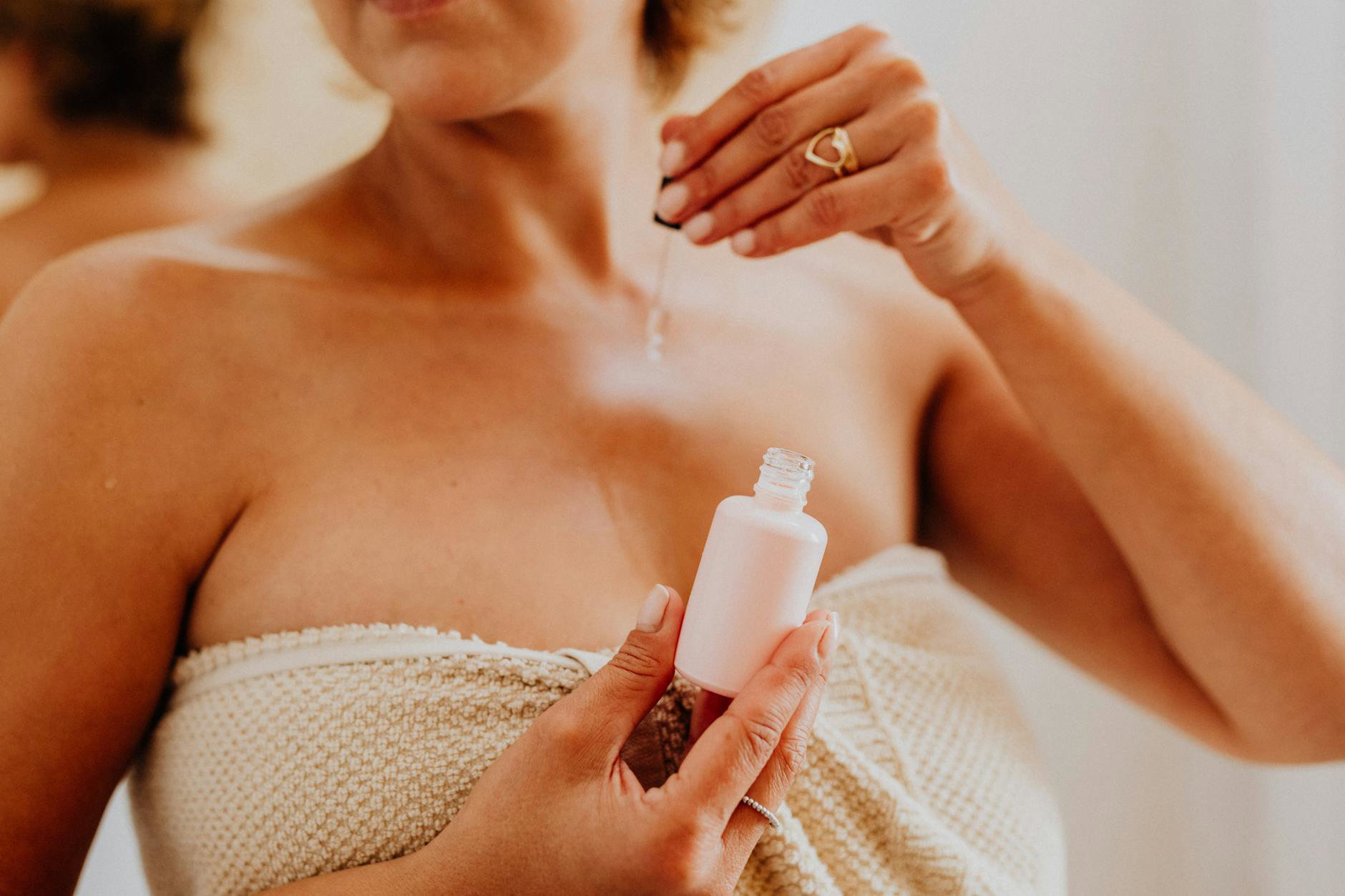
{{IMAGE:Canadian woman applying skincare in winter}}
TikTok hacks: green flags, red flags, and climate checks
Some hacks earn their keep. Colour-correcting under-eye circles with a tiny amount of orange or peach does help blue-toned darkness. TikTok made it loud. Makeup artists did it decades ago. The method holds if you use a sheer layer, then a concealer that sets without creasing. Our traffic spikes to Liquid & Cream Concealers each time this resurfaces. The products change. The logic stays sound.
“Underpainting” blush and contour before foundation still trends in 2026. In Canada’s dry months, cream textures sit nicer on skin than powders alone. Pick thin layers. Dot sparingly. Blend. Then use a light coverage base over the top. Heavy underpainting with a matte full-coverage base often cracks by midday heat indoors. The hack helps if you keep it light and lock it with a micro-mist, not a thick powder coat.
Hard skip: mixing sunscreen drops into foundation to “make your own SPF.” That dilutes protection. Canadian women need real SPF through winter glare and summer patios. Layer a tested sunscreen first. Then apply makeup. We watch returns for tinted SPFs spike every spring, often due to shade mismatch. The solution is shade-flexible tints or clear gels first, then foundation. That respects protection and tone.
Worth a try: powder puff lip blurs. A small velour puff makes any cream lipstick look plush without bleeding. The trick suits windy days when gloss grabs lint. Tap colour on. Press with the clean side of the puff. Done. We see steady interest in soft matte sticks from MAC and juicy balms from Clinique. The finish trends cycle, but that blurring method crosses seasons.
K-beauty 2026: what travels well to Canadian skin
K-beauty still sets pace on texture. Canadian shelves now carry more of it through mainstream channels. Lightweight gel creams with ceramides and fermented humectants stack nicely under makeup in heated rooms. Look for phrases like “barrier cream,” “essence toner,” and “ampoule” when your face feels tight before noon. You do not need ten steps. Two well-chosen layers beat five unfocused ones.
Essence-style toners offer thin hydration that sinks fast. They pair well with retinoids. We watch shoppers pair a hydrating toner at night with a gentle retinol or retinal serum three times a week. The combination supports smooth makeup days without raw patches. Many K-beauty brands add soothing agents like centella and mugwort. Those sit well with Canadian winter dryness.
Slugging got loud in 2022. The 2026 update uses buffer layers. Instead of plain petrolatum on bare skin, use a hydrating serum, then a ceramide cream, then a thin occlusive layer on the highest stress spots. Think cheekbones, nose, and mouth corners. That reduces morning puff and reduces pillow transfer. If you dislike petrolatum, look at balms with squalane and shea. They seal without the glassy film. We see seasonal purchases of occlusives spike each November and dip in April. Buffer slugging stretches comfort through that swing.
Sheet masks still trend in self-care TikToks. Biodegradable options now exist. For practical results, choose masks with glycerin, panthenol, and beta-glucan. Skip spicy actives before a cold walk. Save acids for the shower hour, not the bus stop. If you want the effect without waste, try a big tube of gel mask that you can rinse off. Our Face Masks category shows a clear shift to tubes over single-use packs in 2026.
SPF goes viral every spring. Canada still has rules.
SPF lives under strict claims. Canada aligns with the US monograph. That keeps some newer UVA filters out of Canadian shelves. Many viral Euro sunscreens still need imports. We suggest you stick to local stock for daily use, then sample buzzy formulas on trips. Viral claims like “no white cast” apply to a narrow skin tone range unless a tint flexes well. We flag broad shade claims with caution.
Hybrid sunscreens blend mineral and chemical filters to balance cast and feel. Tinted mineral options still win for sensitive eyes. Our data shows Canadian women buy clear gels for commutes and tinted creams for makeup days. We also see a late-summer run on travel-sized SPF. Add a full size to your wishlist in March. Our alerts catch early spring promotions before the April rush.
SPF reapplication trends include cushion compacts, sticks, and powders. Powders help reduce shine but do not give the full stated protection alone. Sticks work on high points and ears. Mists look convenient, but most miss spots indoors. We rate a pocket stick as the most practical reapply method in Canada. Cold hands still grip a stick. Winds still let you target without spray drift. Find a finish you will actually use twice between 10 and 4.
Brands with strong Canadian distribution include Japanese formulas. Texture-forward options from Shiseido lead our clickouts each May. They sit under makeup and resist sweat. If you wear longwear bases, mineral formulas can grip too hard. Use a thin hydrating layer first. Then the SPF. Then the base. It reduces patching around dry areas.
Makeup virals: lip oils, blush draping, and the skin-tint ceiling
Lip oils refuse to die off. They sit between balm and gloss and work in dry air. They also vary a lot. Some feel like thin gloss. Some feel like skincare. If you want shine without wind-stuck hair, try a cushy oil then a soft lip line blur at the edges. Our shoppers bounce between prestige and high street. We see Charlotte Tilbury launches spike fast, then dupe hunts land on Revolution and KIKO. Add options to a wishlist and wait for a quiet midweek promo.
“Cold girl” blush returned for a third winter. Blue-toned pinks can look fresh on cool undertones. They can also read streaky in harsh indoor lighting. Cream blush placed high and wide softens the effect. Blend toward the temple, not the nose. If the shade scares you, pick a neutral rose and let placement do the work. A clear balm over the top brings back life without glitter. Our Lip Glosses data shows clear and barely-tinted tubes now outsell heavy pigments in winter.
Skin tints hit saturation. Many women still want more even tone without a mask. The ceiling appears when a tint claims skincare results and airbrush coverage at once. It cannot. If you want the tint look, use a brightening serum, then a thin tint, then pinpoint concealer on redness. The blend looks fresher than one heavier layer. We see steady conversions from full coverage to medium coverage with smart prep. If you go dewy, balance with a longwear brow or mascara. Smudged eyes ruin the look fastest.
Where to shop? Sephora Canada stocks the buzzy shades first. Shoppers Drug Mart often posts surprise markdowns on last season’s colours. The Bay runs gift-with-purchase on heritage brands. We track them all. If you want a prestige base, compare our Liquid Foundations page before checkout. Viral or not, formula and shade range matter more than a clip.
HairTok in 2026: bond builders, glosses, and heatless wins
Bond-building masks still trend and still help processed hair. Results vary with starting damage. If your hair feels gummy when wet, you need protein support. If it feels straw-like, you need moisture and lipids. Alternate. Viral routines that use everything at once waste money and dull shine. We watch repurchase rates. Balanced routines earn second buys. All-in-one kits rarely do.
At-home glosses lift tone between salon visits. Cool brunette topcoats reduce brass. Copper rinses refresh vivid shades. This trend suits Canadian women who space out colour due to cost and winter travel. Choose deposit-only glosses that wash out softly. Avoid permanent dyes in “quick fix” kits. Check our Hair Masks category and add your picks to a wishlist. Price dips often hit on Sundays.
Heatless curls moved past socks and bathrobes. Flexible rods and satin ribbons now come with better clasps. The tip that matters in Canada: go to 90% dry before setting. Fully wet hair will freeze on a commute and set oddly overnight in a dry condo. Dampen, wrap, sleep, then gloss with a light serum in the morning. We see spike-in searches for “sat in ribbon curls” every holiday season. Buy early, not in December.
Scalp serums continue to grow. Focus on leave-ons with niacinamide and gentle exfoliants. Avoid harsh scrubs when the air dries out. Massage with slow pressure. Short nails help. If you use oil, emulsify with a conditioner before shampoo. Skipping this step leaves a film and kills volume. Our Moisturising & Nourishing Shampoos filters help you sort by hair type fast.
Sustainable swaps that stick in real routines
Viral eco swaps feel moral. They only stick when they also feel nice. Shampoo bars survive when they lather fast and rinse clean. Thick-walled tins protect them in a gym bag. Refillable lipsticks last when the case clicks shut in a winter coat. We favour brands that publish refill prices and commit to long-term capsule sizes.
Canadian retailers now give clearer recycling routes. Shoppers Drug Mart partners with take-back programs. The Bay lists refill-eligible items with tags. Our feed picks up price drops on refills more often than on full sets. That shift saves shelf space and waste. It also saves money across a year. Add refills to a wishlist and set an alert. Quiet sales beat loud launches.
Body care makes sustainable swaps easy. Large format body creams reduce plastic per millilitre. Look for pumps that you can twist-lock for travel. Brands with solid reputations in this space include The Body Shop and high-street ranges from Garnier. Prestige houses follow with refill pods for fragrance and lipstick. Luxury refills look nice, but check unit pricing. Sometimes a refill costs more than a fresh bullet. Our comparison tool puts them side by side so you can decide without guesswork.
Face care refills work best for moisturisers and cleansers. Serums shift fast, so pump compatibility matters. If a viral refill arrives only in one retailer, wait. Cross-retailer competition brings better promo cycles. A swap that saves packaging but wrecks your routine timing does not help. We flag stock consistency in our notes for repeat buys.
Fragrance virality: wear the mood, not the meme
Vanilla notes trend every winter. They spike on short video with cosy outfits and candle-lit edits. In 2026, the best flankers add salted caramel, woods, or citrus zests for balance. Sweet on sweet goes flat by hour three. Balanced gourmands last without cloying on a crowded subway. Test on skin, not just a card. Skin chemistry shifts in dry air, and scents lean sharper after a windy walk.
“Clean girl” perfumes claim shampoo vibes. These often rely on musks and soft florals. They sit close to the skin. They also vanish faster under a parka. A small rollerball helps you top up mid-day. We track steady sales of discovery sets each January and May. They save blind-buy regret when a viral note wears thin by week two.
If you chase a hard-to-get viral EDP that never lands in Canada, consider a similar note map from a brand with deep local stock. Heritage houses like Lancôme, Estée Lauder, and Guerlain offer flankers that echo the vibe. Use our Eau de Parfum Perfumes page to scan accords before you buy. Add two options to a wishlist and hold for a gift-with-purchase event. Retailers time them around Mother’s Day and the holidays.
Hair perfume also surges on TikTok. It gives a softer sillage and avoids alcohol overload on dry skin. Spray at arm’s length to prevent oil spots. Layer with a matching lotion to extend wear. Your scarf holds scent, so go easy. Viral overspray videos ignore winter elevators.
The winter barrier conversation: what actually helps
Barrier talk earned real traction for a reason. Dry air plus indoor heating strips lipids and water. Simple habits work. Cleanse once at night with a low-foam wash. Rinse in lukewarm water. Pat on a hydrating serum. Seal with a ceramide or cholesterol cream. In the morning, splash, then SPF. That routine works whether you buy pharmacy or prestige.
Choose fewer actives at once in January. Alternate acids and retinoids. Use peptides or panthenol on nights off. Viral “skin cycling” got repackaged every few months. The core idea stands. Your skin likes rhythm and rest. Our Foam & Wash Cleansers and Day Face Moisturisers filters let you sort by sensitivity and dryness. Build a small, boring routine that you will follow.
For makeup grip when skin runs flaky, go primer-light. Hydrate first. Let it sink. Use a small amount of primer only on high-movement zones. The rest of the face rarely needs it. Strong blur over dry cheeks looks worse by lunch. Map your face. Spend product where it earns the keep. Our editors see long-wear success from pairing skincare-first prep with strategic base, not layers on layers of silicone.
For lips, use emollients over humectants in deep winter. Humectant-heavy balms sometimes pull water out when the air lacks humidity. A waxy stick with oils and butters keeps colour on and vertical lines soft. Check our Lip Balms & Creams page and set a price alert before your usual reorder month. Small items go on promo often.
Makeup palettes and singles: viral colours vs daily rotation
Every winter, one eye shadow palette goes viral. It sells out. Many pans never get touched. In 2026, we rate edited quads and singles higher than mega books for most Canadian women. Work commutes, dry offices, and fast mornings reward simple colour stories. Warm taupe. Soft plum. Deep espresso. Done. If you want the viral sparkle, buy a single topper. It delivers the look without 14 extras.
Brand cycles continue. Launches from Morphe still ping hard on social. Heritage brands like Clarins and Avon move quieter in the background. We see solid repeat purchases from women who find a core palette and stick to it. Before a big spend, open our Eye Shadow Palettes page and scan reviews. Check stock at two retailers. Wait if a new release has only landed at one. Prices settle when the second store posts its batch.
For mascara, viral clips love tubing formulas and bottom-lash tricks. Tubing holds in cold wind and avoids smudge. The removal also helps lash health in dry months. We track seasonality in Mascaras. Tubing wins in winter. Volumising fibres spike in summer. Stock up ahead of season shifts with a wishlist alert, not a panic checkout when your current tube flakes.
{{IMAGE:woman testing viral makeup products}}
The smart shopper’s kit: wishlists, alerts, and honest dupes
Viral products invite panic. You do not need it today. Use data. Add the product to your GlamGeek wishlist. We track cross-retailer stock and promo patterns. Sephora Canada pushes sets and shade bundles. Shoppers Drug Mart drops points boosters. The Bay runs tiered gifts. Well.ca toggles flash sales and email codes. Alerts catch the first quiet markdown, not the loudest banner.
Dupes cut spend when done right. A dupe should match finish and wear, not just pan colour. If a viral blush fades fast, a longer-wear option is a better dupe even if the shade shifts by a hair. Check texture terms: gel-to-powder, serum blush, mousse. They behave differently on dry cheeks. We see strong dupe hunts in Tarte lip tints against high street balms, and in Charlotte Tilbury glow products matched to Revolution luminisers. Save both to a list. Let price and stock pick the winner.
Mind the exchange premium. US-only launches carry duty and shipping headaches. If a trend has no Canadian release date, pause. A near match from L’Oréal or Sephora Collection often lands within weeks. We track the first hint of a Canadian listing and send a ping. You save fees and get a return policy that works.
Stock churns fastest for viral shades, not full lines. If a specific colour sells out, check adjacent tones or a travel mini. Retailers restock core shades first. A mini often ships sooner and costs less per experiment. If you love it, buy full size on the next promotion. That flow beats buying a random reseller listing with a sketchy return window.
What this means: build a viral-proof routine
Use virality as discovery, not direction. Let the algorithm suggest, then let your climate, calendar, and budget decide. Keep a barrier-first routine under every viral base. Pick a sunscreen format you will reapply during a school run or office day. Choose colour in textures you enjoy using. Then treat trends as seasonings, not the meal.
Lean on tools that cut regret. Use GlamGeek’s price tracking and wishlist alerts. Compare product pages for texture, wear, and retailer stock. Flag US-only fads and wait for Canadian listings when fees pile up. Put your spend behind products with clear claims, steady distribution, and finishes that survive a windy commute.
Our 2026 shortlist: worth trying, worth waiting, worth skipping
Worth trying now: hydrating essence toners, hybrid or tinted mineral SPFs that match your tone, cream blush placed high and blended wide, tubing mascaras for winter, and bond-building masks if you colour your hair. From brands our readers love, check glow icons from Charlotte Tilbury, classic colour from MAC, and texture-smart SPF from Shiseido. Add them to a wishlist and wait for a mid-month promo.
Worth waiting on: US-only viral launches without a Canadian date, limited shades that ignore deeper or very fair tones, and refill systems without published refill pricing. If a viral palette has ten near-duplicates to what you own, buy a single topper instead. Check our Face Primers and Liquid Foundations filters to build a base you trust before you chase sparkles.
Worth skipping: sunscreen cocktails mixed into makeup, aggressive DIY exfoliation stacks in January, and overbuilt routines that add three serums when one will do. Viral does not mean mandatory. It means noisy. Your skin wants consistency more than novelty.
Seasonal notes: summer shortlists and winter fixes
Summer in Canada runs short and hot. Keep reapplication simple. A pocket stick SPF, a light gel moisturiser, a tubing mascara, and a sheer lip oil cover most days. Top with a blotting powder if shine bugs you. Keep fragrances airy and green, or add citrus to sweet notes. Sweat moves scents up fast.
Winter needs more structure. Swap in a ceramide cream at night. Add occlusive buffer to hot spots. Use a gentle exfoliant once or twice weekly, not daily. Reach for creamy cheek colours and satin lips. Tube your mascara. Choose hair masks with lipids, not just protein. Our filters for Night Face Moisturisers and Moisturising & Nourishing Conditioners sort reliable options fast.
Travel kits rise every holiday. Buy minis from brands with formulas you already like. Viral starter sets tempt, but they often include one or two misses. Build your own kit from the categories you actually finish. That habit beats a drawer of half-used trends.
Final checks before you tap buy
Scan retailer availability. If only one store lists it, wait a week unless it is a limited drop you truly want. Read three recent reviews, not just the top and bottom. Look for wear-time notes and climate mentions. Shade-match in daylight if you can. If not, pick the neutral option with a return policy.
Use GlamGeek tools. Add your shortlist to a wishlist. Turn on price alerts. Compare across Sephora Canada, Shoppers Drug Mart, The Bay, and Well.ca from one page. If a dupe gives you 90% of the look with better wear, buy the dupe. Spend saved cash on SPF and a good remover. Those boring buys lift everything else.
What this means for Canadian beauty in 2026
The algorithm rewards novelty. Canadian weather rewards consistency. The best routine mixes both. Keep a core that cares for your barrier and tone. Layer in one trend at a time. Let price alerts, not panic, choose your purchase date. Ask if the claim fits our climate, your skin, and your schedule.
Viral beauty helped many women try makeup again and find SPF that feels good. That is a net win. The smart move this year is not to chase every clip. It is to harness algorithms for discovery and rely on data for decisions. We built GlamGeek to do the dull work so you can keep the fun parts.
Tell us what you want tracked next
Which viral products do you want us to watch across Canadian retailers this month? Add them to your GlamGeek wishlist and drop a comment with the names. We’ll flag stock swings, promo patterns, and dupes worth a look. Your requests guide our tracker, and the next edit lands in your inbox before the trend peaks.
Seen a hack that looks promising but risky in a cold snap? Share it. We will test the logic, scan the retailers, and report back with a clear yes, no, or wait. Viral can be fun. Viral can also be smart.