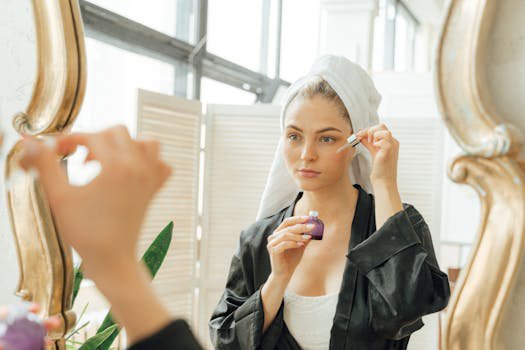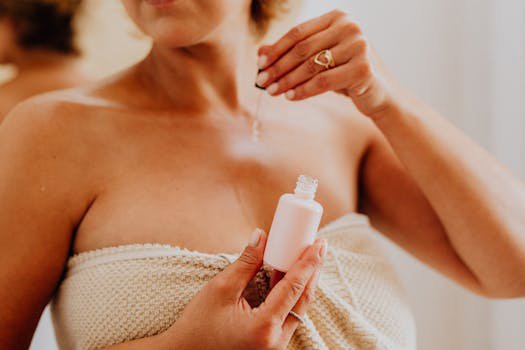
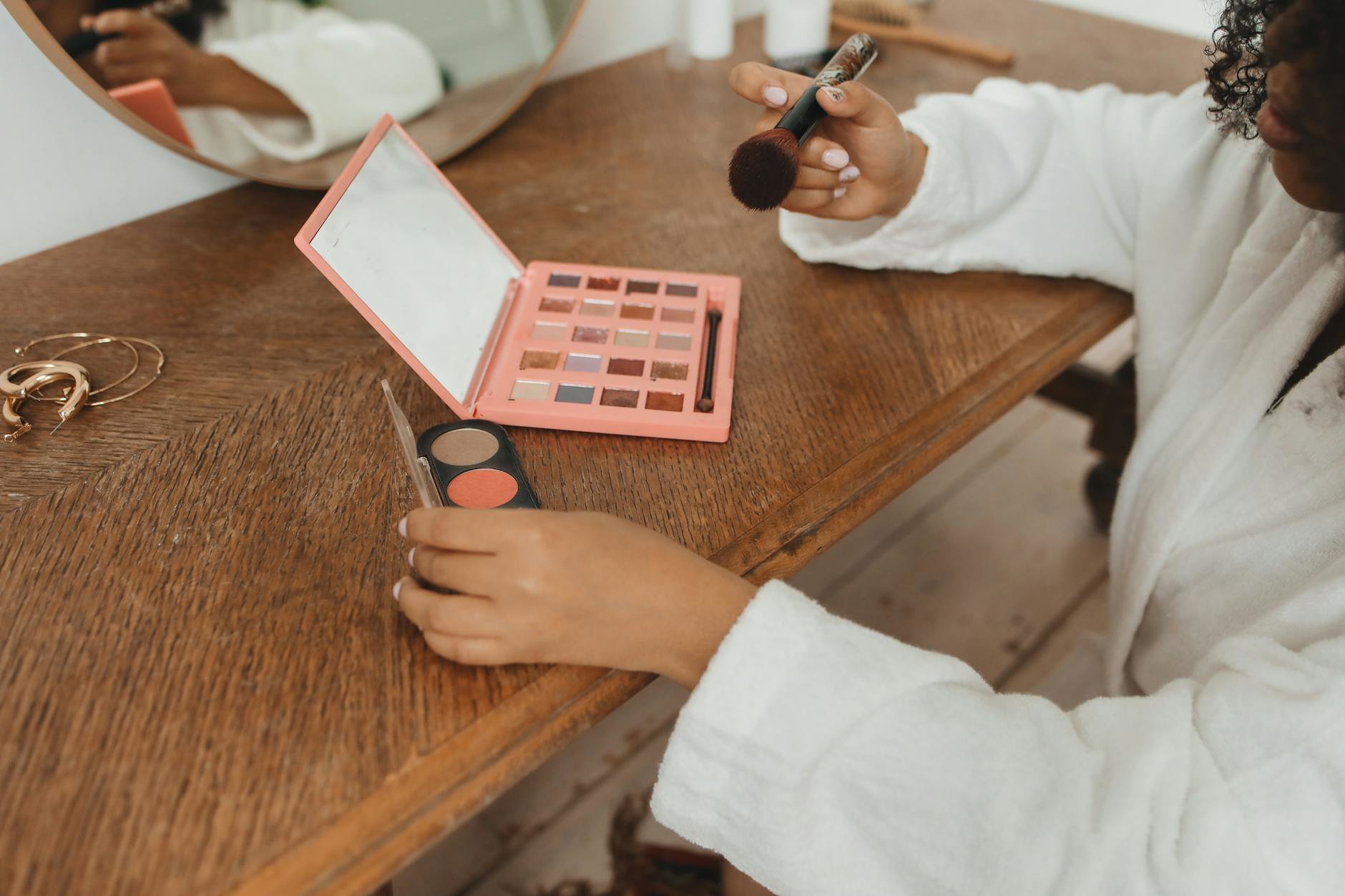
I can usually tell when a product will go viral before it lands in Canada.
The tell isn’t the formula. It’s the pace: the same 12-second “before/after” clip, the same three buzzwords, and the same comment section asking, “Is this at Sephora Canada yet?”
Here’s my take for 2026: the biggest trend isn’t a blush, a serum, or a K-beauty toner. It’s the way TikTok has trained us to shop like we’re speed-running a routine.
Context: the trend cycle got faster, and Canada feels the lag
By 2026, TikTok trend tracking has become its own beat. Vogue Business even runs a TikTok Trend Tracker, and you can see the pattern: one product hits, then three “dupes” follow, then Amazon links flood your feed.
Canadian shoppers feel this more than Americans do. A launch can trend in the US for weeks before it shows up at Sephora Canada, Shoppers Drug Mart, or The Bay. Sometimes it never arrives, and we end up paying more through resellers, exchange rates, and surprise duties.
Meanwhile, the market keeps growing. Industry reports keep pointing to skincare as a major growth engine through the next decade, which explains why every brand wants to be your “barrier” brand now. At the same time, Canadian coverage has highlighted something I think we all see in real life: we spend a lot, but we don’t need a 14-step cart to get good skin.
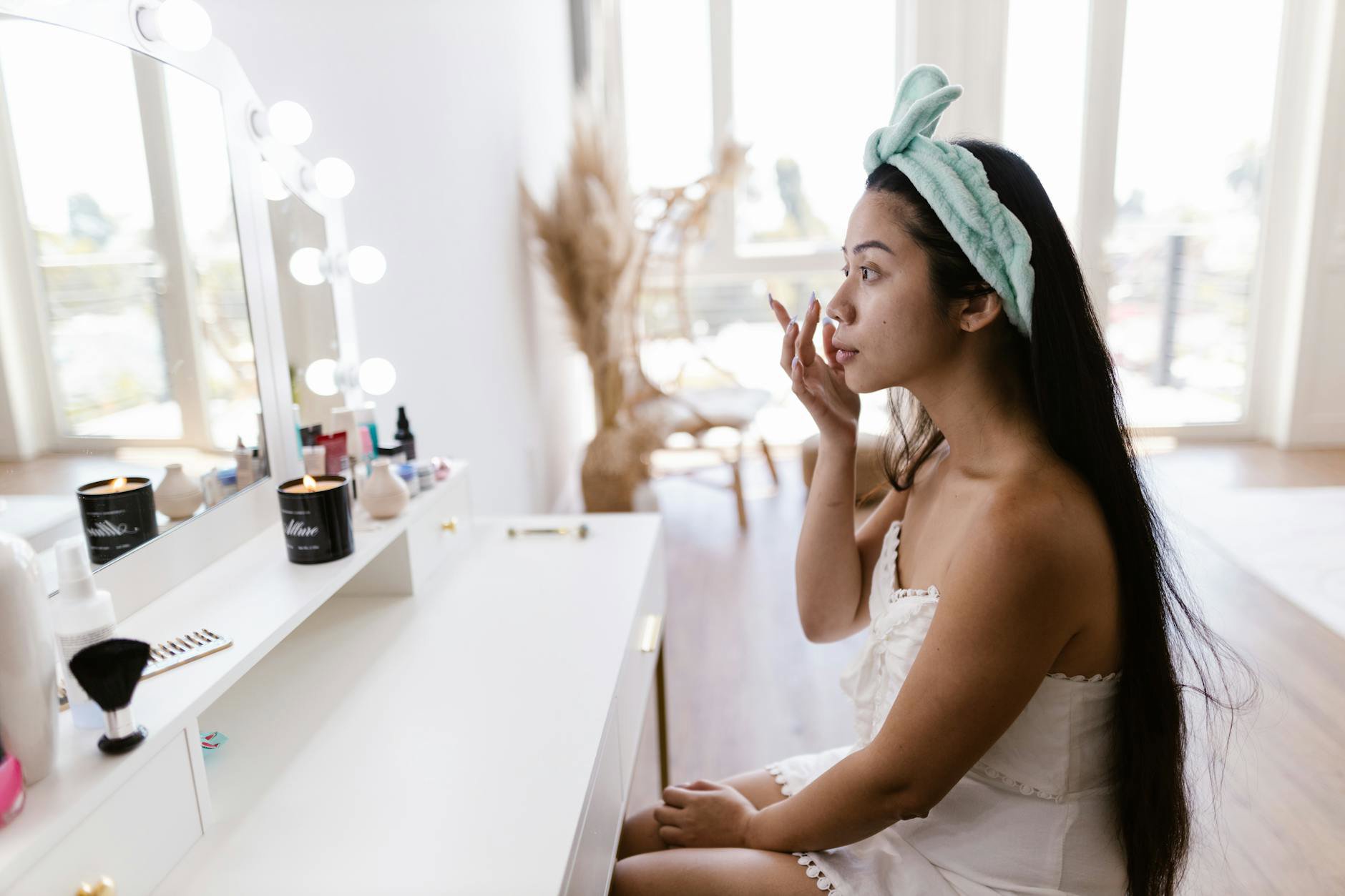
And then there’s the uncomfortable part. Canadian reporting has flagged how TikTok-driven brands target children. When “Sephora kid” content trends, it changes what sells, what gets stocked, and what gets pushed as must-have. I’m writing this for women, but I’m also writing it with the reality that many of us shop with younger relatives in mind, or we simply don’t want kid-bait marketing shaping the whole industry.
My 30-second “viral product” checklist (before I spend a dollar)
I use a simple screen before I buy anything that’s trending. It keeps me from impulse-checking out at 11:47 p.m. and regretting it at 11:49.
Step one: I identify the category. Is it skin care, makeup, hair care, or fragrance? If it’s skincare, I get stricter because irritation lasts longer than buyer’s remorse.
Step two: I check availability in Canada. If it’s at Sephora Canada, Shoppers, Well.ca, or The Bay, I feel better about returns and authenticity. If it’s “Amazon viral,” I slow down and check the seller, not just the listing.
Step three: I look for the mechanism. What makes it work? Not “glass skin.” Not “snatched.” I mean ingredients and how they behave on skin or hair.
Here’s the exact list I keep in my Notes app:
- Do I already own something that does the same job? (Be honest.)
- Does the brand show an INCI list and concentration cues? If not, I pass.
- Will it conflict with what I use nightly? Retinoids + strong acids + scrubs equals regret.
- Can I buy it from a Canadian retailer? If no, I wait two weeks.
- Do the “before/after” clips show lighting changes? Ring lights lie fast.
- Is the claim measurable? “Less greasy” is real. “Erases pores” is not.
Waiting two weeks sounds boring.
It also saves me money, and GlamGeek’s price tracking shows that a lot of hype products drop after the first wave anyway.
Back-to-basics skincare is trending for a reason: barrier math
One of the most consistent 2026 themes I’ve seen across trend reports and dermatologist commentary involves “going back to basics.” People got tired of stinging faces and mystery rashes. Same.
The skin barrier conversation can sound vague, so I like to make it practical. Your barrier stays happiest when you combine: gentle cleansing, hydration, moisturising lipids, and daily sunscreen. If a viral routine skips one of those, it usually relies on filters to sell the result.
My simple barrier-friendly routine template:
- Cleanser: keep it mild. Look for glycerin, coco-glucoside, or non-stripping surfactants. If you wear long-wear base makeup, double cleanse with an oil or balm first, then a Foam & Wash Cleanser.
- Hydration layer: a Face Toner or Day Face Serum with glycerin, panthenol, or hyaluronic acid.
- Moisturiser: ceramides + cholesterol + fatty acids work as a trio. Think “skin-like lipids,” not heavy perfume.
- Daily SPF: every morning, even in winter. Shop from SPF Protection Products and commit to the full amount.
If you want a Canadian-available “steady girlfriend” brand for this vibe, Clinique still does simple, low-drama formulas well. If you want more of a luxe texture without getting too fussy, Shiseido can scratch that itch.
Two small technique notes that change everything:
- Apply hydrators on damp skin. Not dripping. Just damp.
- Give each layer 30–60 seconds. If you rub, you pill.
K-beauty in Canada: what I buy, and what I skip
K-beauty coverage keeps swinging between “everything will change your routine” and “it’s all just marketing.” The truth sits in the middle. Korea does texture innovation and elegant layering really well, and Canadian retailers have expanded selection a lot. Still, not every viral essence deserves a spot on your counter.
What I like from K-beauty trends: hydrating toners, lightweight sunscreens, and soothing serums built around familiar barrier helpers like glycerin, panthenol, allantoin, and centella asiatica. These categories fit Canadian weather too, because indoor heat and outdoor cold can dry you out fast.
What I skip when it trends: aggressive “peeling” products that promise instant smoothness. If your feed shows sheets of skin coming off, that isn’t a flex. That’s irritation content.
When you shop, focus on function and finish. Ask yourself: do you want a dewy layer under makeup, or do you need something that sets down for oily skin? That answer matters more than the brand name.
If your routine already includes an Anti Ageing Face Serum like a retinoid at night, I keep K-beauty additions simple. Add one hydrating step, not three actives. Your face should feel calmer in a week, not more sensitive.
Natasha Denona at Sephora Canada: the adult way to buy palettes
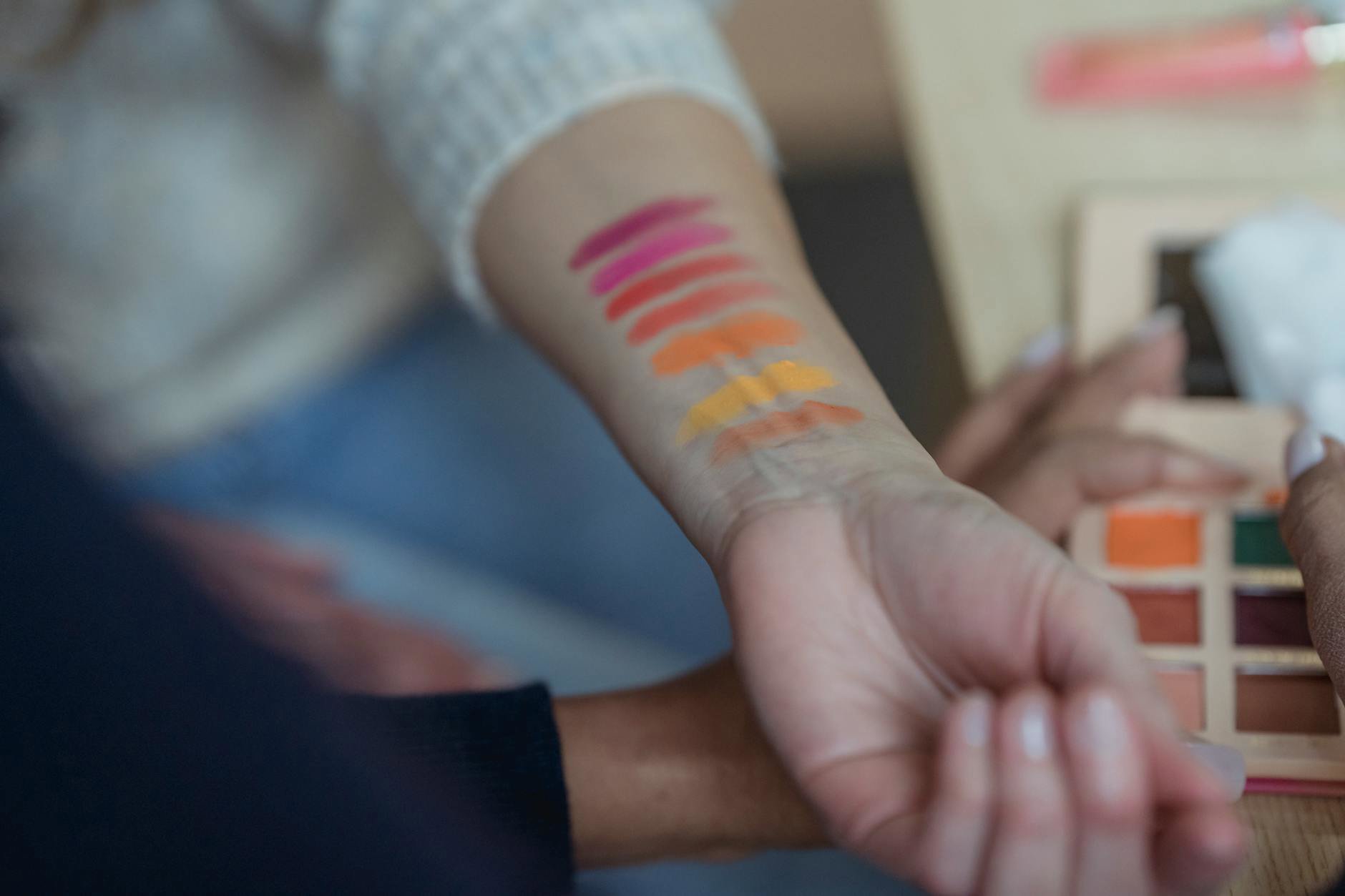
ELLE Canada called out that Natasha Denona feels “back” at Sephora Canada, and I get why people care. Her palettes sit in that sweet spot: pro-leaning formulas, wearable colour stories, and finishes that look expensive in real life.
But I also think palettes trigger the worst TikTok buying habits. One clip shows a sparkle shade under studio lights and suddenly we convince ourselves we need 15 pans for “everyday.” We don’t.
Here’s how I buy Eye Shadow Palettes without panic:
- I count the shades I will use weekly. If it’s fewer than five, I buy a smaller palette or a single.
- I check the mid-tone mattes. Those do the work. If they look dusty in swatches, I skip.
- I decide my “one sparkle” rule. One special topper shade can carry a whole look.
- I plan brushes. A soft blender and a flat shader matter more than another palette.
If you want alternatives that often show up at Canadian retailers, I keep an eye on KIKO for wearable neutrals and Morphe for big colour stories. When I want drugstore experimentation, NYX still makes it easy to play without commitment.
One sentence of real talk.
A palette can look “new” again if you change your placement: keep shimmer on the inner third, matte on the outer V, and lift the crease one millimetre higher than usual.
Viral Amazon deals: how I shop without getting duped
Cosmo-style “viral Amazon deals” lists can feel helpful, and sometimes they are. But the beauty side of Amazon requires a different brain. I treat it like a marketplace, not a retailer with one supply chain.
My rules: I only buy when the brand runs the storefront, or when the seller clearly lists as the brand itself. If I can’t confirm that, I don’t buy skincare there. I might buy tools, organisers, or non-skin-contact items, but even then I check reviews for consistent packaging and materials.
If you want a safer Canada-first approach, I’d rather see you buy from Shoppers Drug Mart, Well.ca, or Sephora Canada and wait for a points event. GlamGeek’s price tracking shows patterns around seasonal promos, which helps you time purchases without chasing a one-day TikTok “deal.”
Also, watch the product type. Makeup tools sit in a safer zone than actives. For example, restocking Makeup Brushes & Applicators from a known brand feels lower risk than buying a “10% acid peel” from a random storefront.
If you want a practical “swap list” for viral items, this is what I do:
- Viral lip oil: look at established Lip Glosses from brands you can return in Canada.
- Viral lash serum: I skip marketplace lash serums entirely and stick to trusted Mascaras or False Lashes for drama.
- Viral “pore eraser” primer: I test a mini size from Face Primers at Sephora Canada first.
- Viral LED mask dupe: I pause and research safety standards. If I can’t verify wavelengths and certifications, I pass.
Fewer parcels. More certainty.
The kid-targeting problem: how I shop without feeding it
Canadian headlines have been blunt about it: TikTok trends help brands target children. Even if you never shop for anyone but yourself, that pressure changes product design. It pushes candy scents, collectible packaging, and “starter routines” that act like toys.
I don’t think the answer involves shaming girls who like beauty. I think the answer involves women keeping our own standards high. We can refuse to buy products that market skincare like a toy, or that encourage overuse of strong actives as a rite of passage.
Here’s how I vote with my cart:
- I prioritise function-first packaging. Pumps and tubes beat jars for everyday hygiene.
- I avoid “mystery active” products. If a brand won’t clearly explain what’s inside, I won’t play detective.
- I buy fewer, better basics. A solid Day Face Moisturiser and a reliable SPF do more than a rainbow shelf.
- I choose fragrance with intention. If I want a treat, I buy a real Eau de Parfum Perfumes mini from a trusted counter, not a sugar-bomb body spray that encourages overspraying.
If you love a scented shower moment, I get it. Keep it in the shower. A nice Shower Gels & Body Washes feels indulgent without leaving fragrance on sensitive facial skin.
And if you need a gift idea that doesn’t feed the “collect them all” machine, I like curated Skin Care Sets from brands with clear instructions. You give the fun without the chaos.
My 2026 “buy less, look better” routine: makeup and skin together
One reason TikTok trends catch fire involves the promise of instant visible change. Makeup delivers that faster than skincare does, so I like to build a routine that makes both work harder with fewer products.
Step-by-step, this is my everyday base when I want skin to look like skin:
- Prep: a thin layer of moisturiser, then SPF. Wait five minutes.
- Correct only where needed: use Liquid & Cream Concealers around the nose and under-eye. Tap, don’t swipe.
- Foundation as a spot product: I use a small amount of Liquid Foundations only where redness shows. I sheer it out with a damp sponge.
- Powder strategically: press powder on the sides of the nose and centre forehead. Leave cheeks alone.
- Lips: a liner plus a comfortable Lipstick makes you look pulled together on Zoom in 10 seconds.
When I want a polished eye fast, I use one matte shadow in the crease and one shimmer on the lid. Then mascara. That’s it. I don’t need a 12-step eye look on a Tuesday.
If your skin runs dry, add a night routine that supports repair: gentle cleanse, hydrating layer, then a Night Face Moisturiser. If you want anti-ageing support, choose one active lane and stay in it. That might mean a retinoid plus a basic moisturiser, not five actives stacked because TikTok said so.
My favourite “less but better” brands to browse when I want reliable staples include Clarins for comfortable textures, Lancôme for classic makeup staples, and MAC when I want a shade range that doesn’t play games.
What this means for Canadian shoppers right now
You don’t need to quit TikTok to shop smarter. You need friction. A checklist. A two-week wait. A willingness to be “late” to a trend, especially when Canada gets launches later anyway.
If you take one practical thing from me, take this: build a core routine you can repeat for eight weeks. Then treat trends like accessories. Add one fun thing at a time, and only if it fits your skin and your budget.
And when you do want to indulge, I’d rather see you buy one beautiful product you’ll finish than five viral maybes. Your vanity will look calmer, and your skin usually follows.
Tell me what you’re seeing on your feed
Which product keeps stalking you on TikTok right now?
And do you want me to do a Canada-first “worth it or skip it” check on it, including where to buy it here without reseller drama?