Our take on this week’s hyperpigmentation chatter: most “dark-spot correctors” don’t fail because they’re useless. They fail because they’re used like a one-product miracle.
Across Canadian routines we see in our shopping data, the pattern looks the same: one brightening serum gets bought, sunscreen gets skipped on office days, and winter dryness triggers irritation that makes spots look worse. Then the product gets blamed.
If you want dark spots to fade in Canada’s climate, treat it like a system. You need pigment control and barrier control and daily UV discipline. Here’s the practical version that actually holds up through indoor heating, wind, and “it’s cloudy so I’m fine” season.
Hyperpigmentation sits at the intersection of three things: melanin production, inflammation, and exposure. In plain terms, your skin makes pigment after a pimple, after irritation, and after UV (even when you do not burn).
That means a “dark-spot serum” can only do so much if you keep triggering new pigment. Our price tracker also shows that women often buy brightening serums in bursts, then pause. Pigment care punishes inconsistency.
Timelines matter. With consistent SPF and a well-tolerated brightening active, many women see early changes in 6–8 weeks, with more meaningful shifts around 12–16 weeks. Faster claims exist, but they usually rely on aggressive exfoliation or higher irritation risk.
Canada adds two wrinkles. First, winter barrier stress can increase redness and post-blemish marks because skin reacts more easily. Second, UVA still reaches you through clouds and windows. That’s why “I’m indoors” can still keep spots stubborn.

Step one: decide what kind of “dark spot” you have
Not all discoloration behaves the same, and that changes what works. Most routines fail because they treat everything like the same problem.
Post-acne marks (PIH) look brown, tan, or grey-brown. They tend to respond well to pigment inhibitors like azelaic acid, tranexamic acid, and niacinamide, plus strict SPF.
Post-inflammatory redness (PIE) looks pink or red. It often improves with barrier support, gentle anti-inflammatories, and time. Heavy exfoliation can drag it out.
Sunspots and melasma often look patchy and recur fast if UVA protection slips. For melasma, we’d treat “maintenance SPF” as non-negotiable and keep irritation low, because irritation can deepen pigment.
Quick self-check: press a fingertip beside the mark. If the area looks redder and then returns, you’re likely dealing with vascular redness (PIE). If it stays brown and unchanged, you likely have PIH.
If your marks worsen with heat or show up symmetrically on cheeks and forehead, treat it like melasma until proven otherwise. That means slower, steadier actives and higher commitment to SPF Protection Products.
The Canadian non-negotiable: SPF that you will actually wear daily
Every headline about “fast fading” skips the part where UV keeps re-triggering pigment. In our view, SPF does more heavy lifting than your brightening serum.
For dark spots, look for a broad-spectrum SPF 30–50 that you can apply generously. Most women apply less than they think. If you hate the texture, you will under-apply. So choose based on finish first, then add bells and whistles.
Canada-specific friction points show up in our retailer feeds: winter dryness pushes many women toward richer SPFs, while humid summer days push the same women toward gel textures. We’d rather see you own two SPFs you love than one “perfect” one you avoid.
Application matters more than brand. Use the “two-finger” method for face and neck. Reapply when you spend time near windows, on patios, or running errands. If you wear makeup, reapplication can feel annoying, so we suggest a two-part strategy: a solid morning base layer, then a top-up method you’ll tolerate.
Practical top-ups that keep spots from lingering:
- SPF setting mist for mid-day refresh (works best over light makeup).
- SPF cushion when you need coverage plus reapplication.
- SPF stick for cheekbones and upper lip, where pigment loves to cling.
- A hat on high-UV days. Old-school works.
Also: UVA through windows counts. If you work beside a bright window, daily SPF still makes sense even in February.
Ingredient picks that earn their keep (and how to choose)
Dark-spot marketing loves one heroic ingredient. Real progress often comes from a small team of actives that you can tolerate for months.
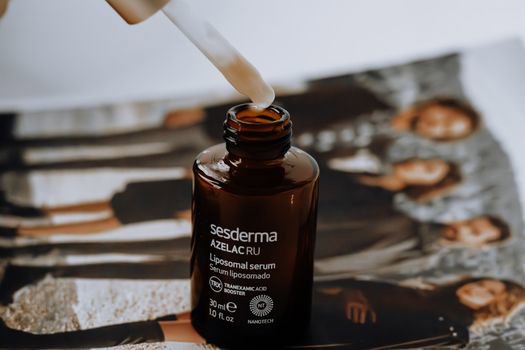
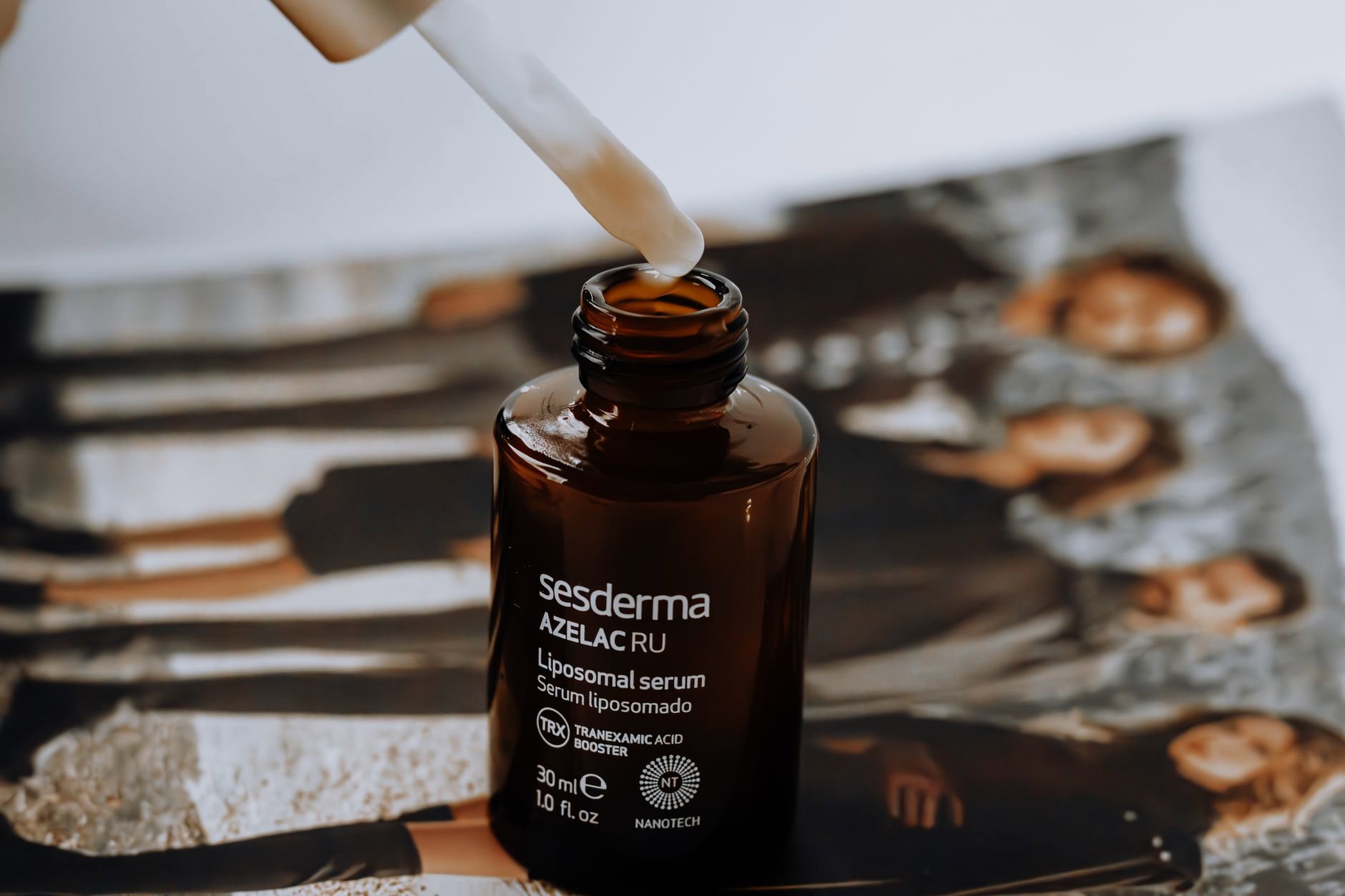
Tranexamic acid helps disrupt pigment signalling pathways. It often suits women who can’t tolerate strong acids. It also pairs well with niacinamide.
Azelaic acid tackles pigment and breakouts, which makes it a strong pick for post-acne marks. It can tingle at first, especially in winter, so start slowly.
Niacinamide supports barrier function and can reduce pigment transfer within the skin. It’s common in Canadian shelves at Sephora Canada and Shoppers Drug Mart, but higher percentages don’t always feel better on reactive skin.
Vitamin C can help brighten and protect against oxidative stress. The catch: many formulas oxidize, and some irritate. If you feel stinging, scale back and focus on azelaic or tranexamic instead.
Retinoids speed cell turnover and help fade marks over time. For women already using a retinoid, pigment care becomes easier. For women with barrier issues, retinoids can backfire if introduced too fast.
What we’d skip as your first-line “spot solution” in Canada’s winter: stacking multiple high-strength exfoliating acids. Over-exfoliation plus indoor heating often equals irritation, and irritation often equals more discoloration.
If you want to browse by function, our category pages can help you compare formats quickly, like Anti Ageing Face Serums (where many brightening serums get listed) or Day Face Moisturisers for pigment-friendly moisturizers with added actives.
A realistic 8–12 week routine (with Canada-friendly pacing)
Consistency beats aggression. This plan assumes you want visible change without wrecking your barrier.
Morning (daily):
- Gentle cleanse or just rinse if you wake up dry. Foaming too hard can amplify redness. If you shop by type, start with Foam & Wash Cleansers and filter for gentle, fragrance-light options.
- One brightening serum: vitamin C or tranexamic acid or niacinamide. Pick one to start.
- Moisturizer when needed, especially in winter heating.
- SPF 30–50 as your final step.
Night (most nights):
- Cleanse.
- Retinoid 2–4 nights a week to start, then increase if your skin stays calm.
- Moisturizer. In dry months, a thicker layer helps reduce irritation-triggered marks.
- On non-retinoid nights, use azelaic acid or a tranexamic product instead.
Where exfoliation fits: one gentle chemical exfoliant night per week can help with texture and dullness. More than that often causes trouble when the weather turns cold and windy.
If you want to keep makeup sitting smoothly while spots fade, focus on prep products that don’t pill. Primer can help, but heavy silicone layers sometimes interact badly with reapplication SPF. If you use one, browse Face Primers and keep the layer thin.
One more Canada note: humidity swings. In winter, you might need a richer moisturizer at night than you use in July. That isn’t “skin changing.” That’s weather.
Where most women waste money: spot treatments, not full-face treatment
We see the same buying pattern in our merchant feed: a small “spot corrector” gets added to cart, used like a dab-on fix, and replaced when results stall.
Here’s the issue. Pigment rarely sits in a neat dot. Even when you see a small mark, the surrounding area often holds subclinical pigment and inflammation. Treating only the visible centre can leave a “halo” effect where the mark softens but never blends.
We’d rather you apply your pigment-active across the whole face (or at least the whole area where you tend to mark), then spot-conceal with makeup while it fades. That approach also prevents the next breakout mark from setting up shop.
If you cover spots daily, technique makes a bigger difference than chasing the newest concealer launch. Use thin layers:
- Start with a flexible base (tinted moisturizer or light foundation).
- Tap concealer only where needed, then press with a small brush or fingertip.
- Set lightly, especially if you also reapply SPF.
- Choose colour correction only if the spot colour demands it (peach for blue-brown under-eyes, green for redness).
For shopping, it helps to compare undertones and finishes side-by-side. We keep it organised by product type, like Liquid & Cream Concealers and Liquid Foundations. That saves time when you need something that won’t cling to winter dryness.
Drugstore vs prestige in Canada: what’s worth paying for
Those “drugstore rivals high-end” headlines exist for a reason. In Canada, the price gap also stings more, so value matters.
From a performance standpoint, pigment care often splits into two buckets:
Bucket A: ingredients that drugstore does well. Niacinamide, gentle exfoliating acids, and many moisturizers deliver at sensible prices. This is where we’d look first at Shoppers Drug Mart and Well.ca, especially when you want a basic, non-irritating backbone for your routine.
Bucket B: formulas where texture and stability matter. Vitamin C stability, elegant high-protection SPF textures, and cosmetically pleasing pigment serums sometimes justify a higher price. That’s where Sephora Canada often wins, not because the ingredient is magic, but because the formula makes daily use easier.
If you want to browse Canadian staples by brand, we’d start with reliable, widely stocked lines like Clinique for barrier-friendly skincare, L'Oréal for accessible actives, and Shiseido for higher-end sunscreen and skincare textures. We also see steady interest in Sephora Collection when women want budget-friendly basics that don’t feel bargain-bin.
Our blunt rule: spend on the step you struggle to do daily. If you hate your SPF, upgrade that. If you avoid retinoids because they irritate, invest in a gentler retinoid format and a better moisturizer. If you love your current base routine, you can go cheaper on “supporting” steps.
Troubleshooting: when brightening makes spots look worse
Yes, it happens. And it often has a fix that doesn’t involve tossing everything.
Problem: stinging, tightness, and new redness. Cause: too many actives, too fast, plus Canadian winter dryness. Fix: pause exfoliation, reduce retinoid nights, and focus on moisturizer for 7–10 days. Then restart one active at a time.
Problem: spots look darker after a week. Cause: irritation or dehydration can make marks look sharper. Fix: increase hydration, reduce friction, and check your SPF consistency. Also confirm you didn’t add a sensitizing fragrance-heavy product.
Problem: pilling under makeup. Cause: incompatible layers (often serum + thick moisturizer + silicone primer + SPF). Fix: use fewer layers in the morning. Let each layer dry for a full minute. Keep sunscreen as the last skincare layer.
Problem: no change after 8–10 weeks. Cause: missed SPF days, under-application, or an active that doesn’t match the type of discoloration. Fix: tighten SPF habits first, then consider swapping your brightening active (for example, from vitamin C to tranexamic/azelaic).
And if the discoloration keeps spreading or looks unusual, treat it seriously and speak with a dermatologist. Skincare can support, but it can’t diagnose.
What this means (and how to shop smarter in Canada)
The headlines want one “best dark-spot corrector.” Our data-driven view says you’ll get better results from a routine that you can repeat daily through Canadian weather changes.
So the practical takeaways look like this: lock in a sunscreen you’ll wear even on indoor days, choose one pigment-active you can tolerate, and add retinoids slowly. Then protect your barrier like it’s part of your pigment plan, because it is.
When you shop, resist the urge to buy five brighteners at once. Put the budget into the step you skip or resent. That’s the step that blocks progress.
If you want one small “shopping cart checklist,” keep it boring:
- Broad-spectrum SPF 30–50 you like enough to use daily
- One brightening serum (tranexamic/azelaic/niacinamide or vitamin C)
- A barrier-friendly moisturizer for winter indoor heating
- An optional retinoid for nights, introduced slowly
Which dark spots are you trying to fade right now: post-acne marks, sunspots, or patchy melasma-style pigment? If you share the type and your current routine steps, we’ll suggest the most sensible way to adjust it for Canadian seasons.