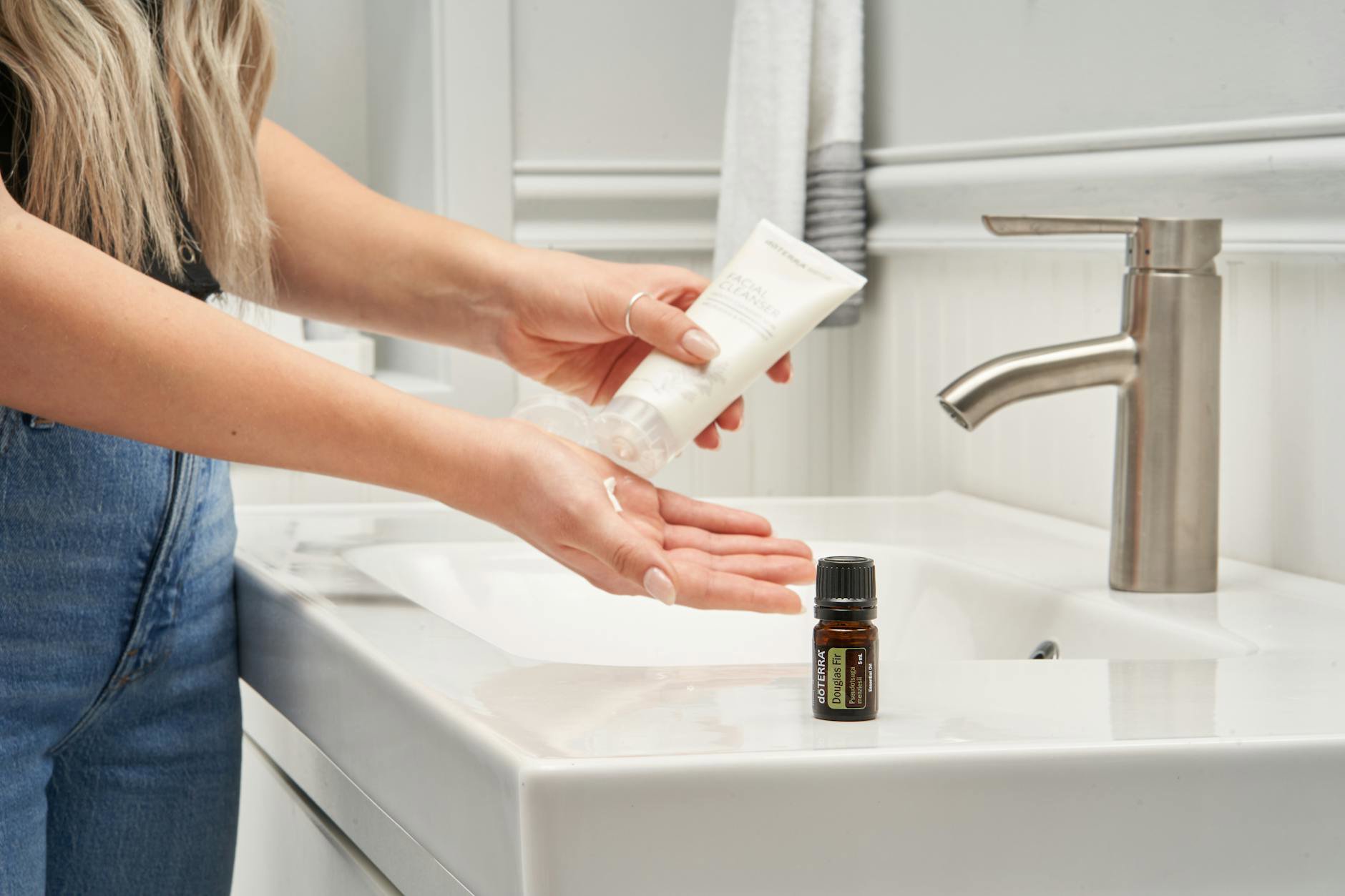
Our pricing data keeps flagging the same trend: bundled skincare sets outperform singles when you use them with a clear AM/PM split. The per-millilitre cost tends to drop, and the routine gets easier to stick with. The catch? Many sets mix actives that demand different timing. One vitamin C, one retinoid, one AHA, and three hydrators suddenly look less like a simple plan and more like a chemistry class.
We see the regret points show up in reviews. Pilling because two gels clash. Flare-ups because acid hit retinoid on the same night. Dullness because SPF only turned up on weekends. A set can serve you well if you map it to morning protection and night repair, then layer in a way your skin will accept.
This guide lays out a clean split. We’ll decode what’s in the box, assign each product to AM or PM, and set a week-by-week rhythm. No guesswork. No overloading. And no buying a second set to fix the first.
Context: why sets win on value but fail on instructions
Across our merchant feed for Canada, boxed skincare sets frequently undercut the cost of buying each item alone. Retailers time them around Mother’s Day, Black Friday, and Boxing Week. Our tracker also logs surprise dips in late January and mid-August, when inventory clears and new kits land. Good news for your wallet.
The weaker point lands in the inserts. Most kits ship with vague directions. “Use morning and night.” “Apply after cleansing.” That advice ignores vitamin C’s daylight edge and retinoids’ light sensitivity. It also skips texture rules that prevent pilling. We field the same questions during every promo surge. What goes on first? Can I stack niacinamide with vitamin C? Which serum belongs at night?
Canadian climate adds another variable. Cold, dry winters plus indoor heating strip hydration. Short, hot summers bring sweat, sebum, and sunscreen reapplication. A single set can handle both if you assign each item a job and flex the textures for the season. The routine stays stable; the amounts change.
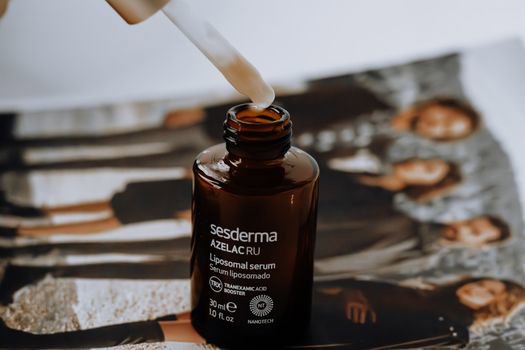
{{IMAGE:skincare set flatlay minimalist}}What’s in a skincare set, really? Read the lineup like a recipe
Brands bundle sets in three ways: hydrating basics, brightening kits, and anti-ageing collections. Each type hints at AM or PM use if you read the ingredient list.
Hydrating basics often include a gentle cleanser, a hydrating toner or essence, a hyaluronic acid or glycerin serum, and a light day cream. You might also see a richer night cream or sleeping mask. Look for ingredients like glycerin, hyaluronic acid, panthenol, squalane, ceramides, and urea. These play well both morning and night. You decide by texture. Lighter layers suit daytime under makeup. Richer creams suit night when you don’t need the slip under SPF.
Brightening kits usually centre on vitamin C, niacinamide, or exfoliating acids. An L-ascorbic acid serum leans AM because it supports sunscreen. Glycolic or lactic acid toners lean PM to avoid stacking irritation with sunscreen. Niacinamide flows both ways. A formula with zinc can help AM if oil shows up. Read the concentrations if supplied. If the kit features a low-pH vitamin C, place it early after cleansing in the morning. If it includes an AHA, plan one or two PM uses per week, not nightly out of the gate.
Anti-ageing sets often pair a retinol or retinal serum with a peptide serum and a heavier night cream. Daytime pieces in these sets include antioxidant serums and firming moisturisers with peptides. Retinoids live in your PM slot. Peptides stay flexible across both. When in doubt, place the stronger active (retinol, AHA, BHA) at night, and keep protective, brightening, and hydrating steps for morning.
If your box includes specific classics, you can map fast. Estée Lauder Advanced Night Repair belongs in PM repair. A brightening serum from Lancôme often fits AM. A smoothing moisturiser from Clinique lands either side depending on texture. A retinal serum from L'Oréal stays PM. A replenishing cream from Shiseido can cover night, then pull double duty on frigid days.
AM routine: protect skin and support SPF
Morning has one mission: defend. That means gentle cleanse, antioxidant support, balanced hydration, and broad-spectrum sunscreen. Everything else stays optional.
Start with a light cleanse if you produced oil or sweat overnight. If your skin woke up calm, rinse with lukewarm water. Over-cleansing at 7 a.m. often shows up as 3 p.m. tightness. Choose a non-stripping gel or milk from the Foam & Wash Cleansers category. The texture should rinse clean without squeak.
If your set includes a toner or essence, scan the ingredient list. A hydrating toner with glycerin, hyaluronic acid, or panthenol can cushion your next serum. See the Face Toners category for options that avoid alcohol-heavy formulas, which often feel harsh in winter. Skip any AHA toner in the morning to reduce sensitivity under sun.
Next, pick your AM serum. Vitamin C pairs best with daylight. For classic L-ascorbic acid, apply after toner and before moisturiser. Ethyl-ascorbic or magnesium ascorbyl phosphate formulas also fit here. If your set includes niacinamide, you can layer it with vitamin C in most modern formulas. Many brands stabilise both. If you prefer a simple path, alternate days. For firming support, peptide serums also do well in AM.
Lock with a moisturiser that fits your day. In a Canadian January, choose a cream with ceramides or squalane from the Day Face Moisturisers category. In July, a gel-cream often performs better under heat and humidity. If your set contains both, assign the richer one to PM unless windburn calls for it at breakfast.
Finish with sunscreen. This step matters more than any serum. Use at least a quarter teaspoon for face, more for face and neck. Reapply if you spend time outdoors, even in winter. Snow glare adds UVA. Browse the SPF Protection Products page if your kit lacks a dedicated SPF. Many Canadian kits still skip it. We would not.
Two more morning notes. If your set includes a brightening eye cream, pat a tiny amount before sunscreen. If fragrance or essential oils show up high on the list, test first on a small patch near the jawline for a few days.
PM routine: cleanse well, then repair and rebuild
Night supports turnover. You remove sunscreen, melt makeup, and feed skin what it needs for repair. That usually means retinoids, exfoliants on rotation, peptides, and a replenishing cream.
Start with a thorough cleanse. If sunscreen and makeup featured, double cleanse. An oil or balm breaks them down. A gentle gel finishes the job. Your skin should feel soft, not tight. This step prevents actives from fighting residue rather than reaching skin.
Now place your main PM active. If your set includes retinol or retinal, use that two to four nights per week to start. The molecule needs consistency more than bravado. Size matters less than tolerance. Smooth a pea-sized amount over dry skin. Wait a minute before your next layer. If you see redness or flakes, buffer with a light hydrator before and after. If your box swaps retinol for bakuchiol, you can use it more often, still at night.
Exfoliants deserve their own nights. Use glycolic or lactic acid once or twice per week, not on retinoid nights. Salicylic acid fits acne-prone skin and blackheads, again on its own evening. If your set includes both AHA and BHA, alternate them.
Follow actives with a peptide or barrier serum if the kit includes one. Peptides help with firmness and cushion. Niacinamide supports oil balance and pigment. Then close with your richest cream. A ceramide and cholesterol blend strengthens winter-worn skin. See options from Estée Lauder, Clarins, or The Body Shop. If you prefer a sleeping mask, use that as the final layer two or three times per week. Keep it light if breakouts visit.
If your set includes an oil, press two to three drops over moisturiser, not under it. Squalane, jojoba, and marula seal water in place. In peak winter, this small shift reduces morning tightness. In summer, skip the oil unless you sleep with strong air conditioning.
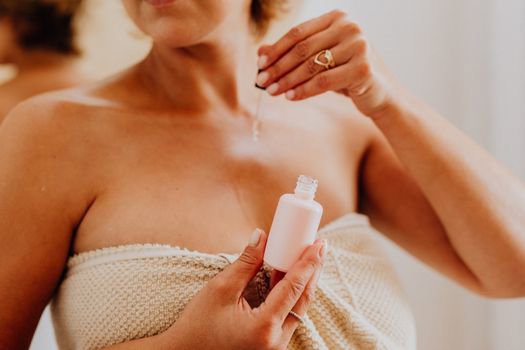
{{IMAGE:woman applying night cream bedside}}Layering order that stops pilling and boosts performance
Order makes or breaks how a set performs. Thin to thick is the rule. Water-based serums first, then creams, then oils if you use them. Sunscreen lands last in AM. Retinoids and acids land early in PM after cleansing and drying skin.
Here’s a simple AM flow. Cleanse. Toner or essence if hydrating. Vitamin C or antioxidant serum. Optional niacinamide or peptide serum if your skin tolerates two. Moisturiser. Sunscreen. Wait a few minutes before makeup to avoid slip. If you love primers, you can still add one. Many gel options cooperate with sunscreen and play well with Face Primers.
Here’s a simple PM flow. First cleanse, then second cleanse if you wore sunscreen or makeup. Pat dry. Apply retinoid or bakuchiol on clean skin. On alternate nights, apply an exfoliant, then wait a minute. Follow with a hydrating serum if needed. Seal with your night cream. Add oil last if it’s in your box.
Two texture guards help. If a serum feels sticky, give it 60 seconds before the next layer. If a cream pills, you may have over-applied the previous gel. Use a little less or switch the order if a formula sits better under another. Test changes for three days before you decide.
With pH-sensitive actives like L-ascorbic acid or glycolic acid, place them early on bare skin. Most peptide and hyaluronic serums tolerate a wait and a different pH. Don’t overthink the minutes. Consistency beats stopwatch precision.
Active clashes to avoid: the rules that save your barrier
We see the same red flags in customer service threads after holiday kit season. Too many strong actives on the same face, same night. Your barrier holds everything together in a Canadian winter. Protect it by separating the heavy-hitters.
Don’t stack retinoids with strong acids in one session. That double hit often reads as redness and flaking by Thursday. Use retinoids two to four nights per week. Use AHA or BHA on different nights. If your set includes an AHA toner and an AHA serum, treat them as one slot, not two.
Watch benzoyl peroxide with retinoids. They can reduce each other’s effect. Keep benzoyl peroxide, if included, for morning spot treatment or for evenings you skip retinoid. Many women do best with salicylic acid in the routine instead, which plays nicer.
Vitamin C with niacinamide used to raise eyebrows. Modern formulas usually get along. If your skin flushes, alternate mornings. Or use niacinamide at night after your main active on non-acid evenings. Peptides mix well with most things, but some copper peptides dislike low-pH acids. If your set includes a copper peptide, separate it from strong acids to be safe.
Fragrance-heavy serums often bundle with giftable sets. If you react to fragrance, patch test near your jawline for three nights before full-face use. If your skin tingles or burns, stop that product and keep the rest of the set. You can still reap value from the other steps.
Turn one set into a week-long plan
A box full of bottles becomes useful when you map it to your calendar. Use a steady AM routine daily. Rotate PM actives through the week. You’ll respect your barrier while you stack wins.
Here’s a sample map for a brightening and anti-ageing set with vitamin C, niacinamide, retinol, glycolic toner, hydrating serum, and two creams. AM every day: cleanse, hydrating toner, vitamin C, niacinamide, moisturiser, sunscreen. PM Monday: cleanse, retinol, hydrating serum, night cream. Tuesday: cleanse, glycolic toner, peptide or hydrating serum, night cream. Wednesday: cleanse, retinol, moisturiser. Thursday: cleanse, hydrating toner, moisturiser or sleeping mask. Friday: cleanse, retinol, night cream. Weekend: pick one night for exfoliant, one night for full rest.
For acne-control kits with salicylic acid and benzoyl peroxide, keep salicylic as a leave-on in PM on alternate nights. Use benzoyl peroxide as a spot treatment in AM or PM when needed. Don’t rub it over cheeks if your barrier feels thin.
If you run dry and sensitive, shift one more night to barrier focus. Use only hydrating serum and a creamy moisturiser. Sets that include ceramide-rich creams, like many from Clinique or Shiseido, support this move. If your kit includes a light gel moisturiser, keep that for daytime and pick the heavier cream for night.
Your skin will tell you when to adjust. More flakes? Remove one retinol night. Dullness? Swap a barrier-only night for an exfoliant night. Shine by noon? Reduce AM layers or choose a lighter day cream. The plan flexes; the rules don’t.
Adjust your set for Canadian seasons
Climate counts. January in Edmonton does not feel like July in Toronto. Use the same set, but tweak textures and timing.
Winter: favour cushion and barrier. Add a humidifier near your bed. Keep retinoid use steady but buffer more. Sandwich retinoid between two light hydrating layers on fragile areas. Choose creams with ceramides and cholesterol at night. Look at brands with strong barrier stories, including Clinique, Clarins, and The Body Shop. If your set includes an oil, press it over cream on cheekbones and around the mouth. Cut back on exfoliants when windchill bites.
Summer: prioritise lightweight hydration and diligent SPF. Switch to a gel-cream in the morning. Keep antioxidants in place. Reapply sunscreen if you’re outside at lunch. A hydrating mist can refresh without adding heaviness. If your set includes a clay mask, use it once weekly on the T-zone only. Don’t lift your retinoid frequency just because your skin feels less tight. Consistency still wins.
Transitional months need the fastest edits. As heating clicks on in October, bring back the richer night cream. As humidity spikes in June, shelve the facial oil unless you sleep under strong AC. Your kit can cover all four seasons when you shift amounts and swap which moisturiser you use at each end of the day.
Where eye creams, masks, and extras fit
Many sets sweeten the deal with an eye cream, a mask, or a mini face oil. These often create the confusion. Place them by function, not by box order.
Eye cream: treat it like a targeted moisturiser. If it includes caffeine or vitamin C, use it in the morning. If it includes peptides or retinol, use it at night, and only a tiny amount. Avoid placing strong acids near the orbital bone. If fragrance sits high on the list, patch test carefully.
Masks: hydrate or clarify once or twice per week. Sheet masks and gel masks fit on barrier-focused nights. Clay masks for pores suit summer Sundays. If your kit includes a lactic acid mask, slot it instead of your weekly AHA toner, not in addition.
Face oils: seal hydration, particularly in winter. Place over night cream as your final PM step. If your set features maracuja oil, as you might find from Tarte, keep it to two or three drops. Oils stretch your cream and curb TEWL, which helps in heated rooms. If congestion shows up, restrict oil to cheekbones and avoid the T-zone.
Don’t overlook lips and body if the set includes them. Balm goes last at night. Lotions and creams save winter legs from scaling. Explore Lip Balms & Creams and Body Creams to fill any gaps your kit leaves.
Shopping notes: sets, stock, and price drops in Canada
Our tracker sees bundles rise and fall across Sephora Canada, Shoppers Drug Mart, The Bay, Well.ca, Murale, and Nordstrom Canada. Giftable kits often sell out fast, then return in a slightly new configuration. US-exclusive sets can lag by weeks. If a US launch tempts you, set a watch on the nearest Canadian brand equivalent and wait for stock to catch up.
Use GlamGeek’s comparison pages before checkout. If you favour a retinol kit from L'Oréal or a brightening trio from Charlotte Tilbury, check the brand pages and the Anti Ageing Face Serums category. Add your pick to your wishlist. We’ll ping you when the price drops or stock returns. That beats refreshing retailer tabs.
Value also hides in smaller sets. Minis let you test tolerance without paying for full sizes. If you react to fragrance or acids, this path saves money and stress. Keep the travel sizes for weekends away even if you later buy full size. Many women keep a hydrating mini from Garnier or a rich night cream mini from Shiseido for winter trips.
What this means: a simple plan for any set
If you buy one rule from this, buy the split. Daytime protects with antioxidants, balanced hydration, and sunscreen. Nighttime repairs with retinoids or exfoliants on rotation, then cushions with a richer cream. Everything else folds into that rhythm.
Decoding a kit becomes quick when you read ingredients like a recipe. Put vitamin C, niacinamide, and peptides to work in the morning. Keep retinoids and acids at night, never together on the same evening in the early weeks. Layer thin to thick. Respect texture. And treat any extra—mask, eye cream, oil—as a tool, not a mandate.
Canada’s climate presses on your barrier. You can still get results if you tweak textures by season and buffer actives when wind and heating take their toll. A humble humidifier and a richer cream fix a surprising amount of mid-winter irritation.
Use GlamGeek to stretch your budget. Compare retailers before you commit. Add the set you’re eyeing to your wishlist so we can alert you when the deal lands. We track stock and prices so you don’t have to.
Over to you: What’s in the set on your shelf right now, and which step trips you up? Tell us which items need AM or PM clarity and we’ll map them for you—and flag the best place to buy when the next price drop hits.