Our price tracker shows a seasonal pattern. Retinol searches surge every autumn in Canada, just as indoor heating clicks on. Hyaluronic acid spikes mid-winter, when skin feels tight and makeup clings to dry patches. That timing tells a simple story: women want retinol’s smoothing results, but they also want comfort. The order you apply these two matters to both.
If you want the short answer, here it is: apply hyaluronic acid on damp skin, then retinol, then moisturiser. That order suits most routines. It boosts water content first, then brings in the active, and then seals everything in. But texture and formula type can flip the order. Encapsulated retinol in a water-light serum often goes before a thicker hyaluronic gel. We break down the exceptions below, so you can set a routine that works in a cold, dry Canadian winter and still behaves in July heat.
One more thing up front. Retinoids ask for patience. Hyaluronic acid gives quick comfort. Pair them with a plan and you get smoother, bouncier skin with fewer flare-ups. Rush the layers and you chase flakes and redness.
We’ve tracked beauty pricing and shopper interest since 2010. Over that time, two ingredients moved from specialist to standard: retinoids and hyaluronic acid. Dozens of Canadian retailers now carry both in every format. Serums, gel-creams, night creams, and eye masks. Supply sits high in Q4 each year and stays strong into spring. That matches the skin cycle most women report in colder climates: sensitivity peaks when furnaces dry the air and humidity drops.
Hyaluronic acid shows up in everything now, from toners to primers. It’s a humectant. It binds water and makes skin feel cushioned. Brands use several forms, like sodium hyaluronate and crosspolymers. You can spot them on labels in seconds. Retinoids play a longer game. Retinol and retinal (retinaldehyde) need conversions in skin before they work. Granactive retinoid (HPR) is another option. These formulas differ in speed, stability, and irritation potential.
Canada adds one more variable: climate. Long, dry winters challenge barrier function. Short summers can bring heat and oil. The right order for October in Calgary may feel wrong for a humid August in Toronto. You can adjust without tossing products. Small changes to application order, buffer steps, and frequency solve most issues.
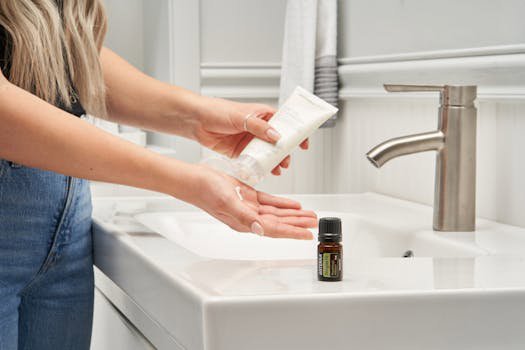
{{IMAGE:woman applying serum close-up}}The short answer: which serum first?
Start simple. After cleansing, pat until skin is no longer dripping. Mist or leave it slightly damp. Apply a hyaluronic acid serum. Smooth it on like a light drink for your skin. Follow with your retinol. Finish with a moisturiser that matches your skin type. That basic stack works for most formulas.
Now the nuance. Order products from thinnest to thickest. If your retinol comes as a very watery, fast-absorbing serum, and your hyaluronic acid looks like a bouncy gel, the retinol can go first. Wait a minute, then press on the hyaluronic gel, then your cream. This helps the active sit closest to skin while HA still boosts water and comfort.
If your skin reacts easily, use the “sandwich” method on retinol nights. Apply a light moisturiser, apply retinol, then add another thin layer of moisturiser. Where does hyaluronic acid fit? You can slot it under that first moisturiser or mix it with the moisturiser. This buffer style often lowers stinging and peeling without killing results.
One non-negotiable: sunscreen the next morning. Retinoids increase sun sensitivity. That applies in January as much as July. Add a broad-spectrum SPF every day. If you need suggestions, browse SPF Protection Products on GlamGeek and add a few to your wishlist. We’ll flag price drops across Sephora Canada, Shoppers Drug Mart, and The Bay.
Know your molecules: HA weights and retinoid types
Hyaluronic acid is a family, not a single thing. High molecular weight HA sits closer to the surface. It gives slip, bounce, and fast comfort. Low molecular weight or hydrolysed HA can sink a bit deeper. Brands often blend several sizes for a stacked effect. You’ll also see sodium hyaluronate and crosslinked polymers. Those boost water retention and reduce tack.
Retinoids also come in flavours. Retinol is common and accessible. Retinal, also called retinaldehyde, converts one step closer to retinoic acid, so it can work faster with a similar irritation profile. Granactive retinoid (HPR) binds to receptors directly in lab testing. Many women find it gentler, though results vary by formula. Encapsulation and stabilisers matter as well. They can slow release and reduce sharp spikes in activity, which helps comfort.
Why care? Your order can change based on format. A gel-cream hyaluronic acid under a light, encapsulated retinol serum can block nothing and still comfort skin. A thick retinol cream under a watery HA serum wastes the HA. The water-based serum will slide on but struggle to sink past that heavier layer. Read textures and plan the order around them.
Brands across our database mix these choices in many ways. Clinique packs hydrating HA into gel-cream formats that layer well. L’Oréal offers both retinol serums and HA serums in drugstore aisles. Shiseido uses pure retinol in targeted eye treatments. You can build a smooth stack without brand loyalty. Focus on textures and your tolerance.
pH, damp skin, and when to wait
Retinoids don’t need an acidic pH to work. They are not AHAs. You don’t need a long wait between layers for pH reasons. You can move through your routine at a steady pace. The only reason to pause is texture. Let a slippery serum sit for a minute if your next layer pills. If your moisturiser drags, warm it between your palms and pat it on.
Water matters. Hyaluronic acid loves damp skin. It binds water and holds it close. So spritz or leave a hint of moisture before you apply it. Then seal it with a moisturiser. In a dry apartment with forced air, HA can pull water from your skin if you skip that seal. That’s when people complain that HA feels drying. Pair it with a cream and that problem fades.
Retinoids often sting more on wet skin. If you feel that, dry your face fully before you apply retinol. You can also wait a few minutes after cleansing. Skin calms as water evaporates and pH drifts back to baseline. The product doesn’t lose power during that short pause. In winter, many women find this simple tweak cuts redness without changing results.
Humidifiers help as well. You raise room humidity, so HA works better and your barrier loses less water overnight. It’s not a lifestyle accessory in Canada. It’s a practical support for active routines.
Layering plans for different skin types
Dry or dehydrated skin needs buffers. Try this on retinol nights: cleanse, mist, apply hyaluronic acid, apply a ceramide-rich cream, wait two minutes, apply retinol, then add a pea of the same cream. This “cream-retinol-cream” stack feels safe when radiators run. Keep retinol use to two or three nights a week at first. On off nights, focus on Night Face Moisturisers and barrier care.
Oily or combination skin often prefers light textures. Go with a gel cleanser, a hyaluronic acid serum, a water-light retinol serum, and a gel moisturiser. If pores clog easily, keep the moisturiser thin and skip heavy occlusives. A few drops of squalane add slip without a waxy feel. If shine builds in summer, you can move HA to mornings under SPF and keep retinol solo at night.
Sensitive skin benefits from a slower ramp. Use a low-strength retinoid or a granactive retinoid first. Start one night a week. Add a second night after two weeks if things stay calm. Keep hyaluronic acid in the routine daily. Pair it with niacinamide and cholesterol-rich creams to support the barrier. Avoid strong exfoliants on retinol nights. If you love acids, place them on another night.
Targeting uneven tone or texture? Use vitamin C or niacinamide in the morning, retinoids at night. Hyaluronic acid bridges both sessions. It pairs well with either. You can find suitable day serums in our Day Face Serums category, then track prices across Sephora Canada and Shoppers without opening ten tabs.
Smart pairs and tricky combos
Some pairs make sense. Retinoids and niacinamide support each other. Niacinamide helps barrier function and calming. That synergy can soften the rough patch that many women hit at week two of retinol use. Ceramides, glycerin, squalane, and peptides also help comfort without muting results. You can slot them before or after retinol based on texture.
Some combos ask for care. Strong AHAs and BHAs can stack irritation fast. You may feel fine for a week and then wake up red and shiny. Keep acids on off nights until your skin shows tolerance. Benzoyl peroxide can reduce retinol potency in some contexts. Modern formulas may stabilise against that issue, but you still get less irritation if you separate them. Keep benzoyl peroxide in the morning or on non-retinoid nights.
Fragrance and drying alcohols can tip a routine over the edge when you add retinoids. Scan your labels. If more than one layer carries perfume or a high amount of alcohol denat., your skin may flare even if the active levels stay modest. Switch one of those layers to a fragrance-free hydrator.
Masks have a place. A bland, soothing mask on your non-retinol nights can speed recovery. See options in Face Masks, then use the wishlist icon to watch for promotions. We flag markdowns so you can restock without paying full price every time.
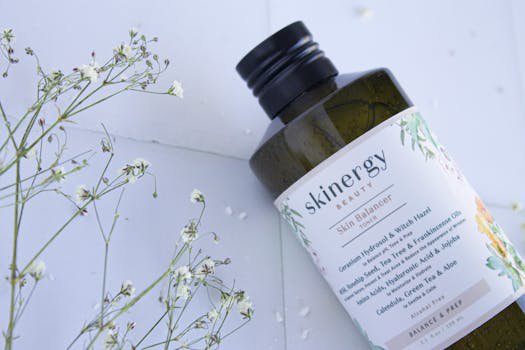
{{IMAGE:flatlay hyaluronic acid retinol serum}}Real formats you’ll see in Canada (and how to stack them)
Drugstore aisles carry solid pairs now. L’Oréal lists retinol serums and hyaluronic acid serums under its Revitalift lines. Start with the HA serum on damp skin. Follow with its retinol on nights you use it. Keep a simple, fragrance-free moisturiser on top. This pair offers a low-fuss routine that many women maintain through winter.
Department store counters add options. Clinique frames retinoids inside barrier-supporting bases in its Smart Clinical Repair franchise. Its hyaluronic acid sits in the Moisture Surge range as gel-creams that layer clean. Apply Moisture Surge on damp skin. Add the retinoid serum next. Top with a richer cream if indoor heat feels harsh this week.
Estée Lauder offers retinol within its treatment line as a night-focused step. You can pair that with a simple HA serum or a glycerin-rich toner. Then seal with a night cream you already love. Shiseido takes a more targeted route with pure retinol eye masks. Use those on clean, dry skin at night, and keep hyaluronic acid around the cheeks and forehead to prevent tightness. The same order logic applies: water-binding first where you need it, then the retinoid.
Value and trend brands also deliver. Revolution and Sephora Collection list hyaluronic acid serums that slot into any routine without fuss. Many women build a retinoid routine with those hydrators as the base layer. If you like to browse by texture, filter by gels and serums in Anti Ageing Face Serums and compare across The Bay and Well.ca in one view. Add picks to your wishlist and we’ll ping you when a sale hits.
Seasonal strategy for Canadian weather
In winter, keep more water and more cushion in your stack. Mist lightly. Apply hyaluronic acid. Add a mid-weight moisturiser. Then apply your retinol. Finish with a thicker cream if your cheeks still feel tight. Lower your retinol frequency if flakes build. Slightly increase it when spring arrives and your barrier calms down.
Summer invites lighter layers. Cleanse, apply a watery hyaluronic acid, apply a retinol serum, and finish with a gel-cream. If humidity rises, your HA works better. You might even move HA to morning under SPF for plump makeup days. The retinol stays at night all year.
Travel shifts the plan. Flying dehydrates skin fast. On landing night, skip retinol and flood with HA, ceramides, and a simple cream. Restart retinol the next night if your skin feels fine. Alpine trips or dry prairie air call for the sandwich method and less frequency. Coastal humidity allows lighter buffers.
Adjust without fear. Your skin changes week to week in Canada. Your order can change with it. That’s smart care, not inconsistency.
SPF, mornings, and makeup
Retinoids raise photosensitivity. That means sunscreen, every day, year-round. After your morning cleanse, apply hyaluronic acid on damp skin if you like a plump base. Add a day serum if you use one. Then apply moisturiser and a broad-spectrum SPF. Reapply if you spend time outdoors. Set a hat and sunglasses by the door if that helps you build the habit.
Makeup sits nicer when skin holds water. Hyaluronic acid helps foundation glide and reduces patchiness. If you use a primer, choose a formula that agrees with your SPF. You can find options in Face Primers and compare coverage claims and textures. We track availability across Sephora Canada and The Bay so you can spot stock issues early.
Retinol at night, sunscreen in the morning, and HA as the bridge between them. That triangle handles most goals: smoother texture, less visible lines, and makeup that looks fresher. Keep it steady for a month before you judge results. Skin timelines need weeks, not days.
Troubleshooting common problems
Peeling or flakes after week two? Back off retinol frequency and bulk up buffers. Add hyaluronic acid under and over a simple moisturiser on off nights. Consider a lipid-rich cream with ceramides. Keep acids away until skin calms. You can find gentle hydrators in Day Face Moisturisers as well; some double as night creams for oily skin.
Redness around the nose and mouth usually flags barrier stress. Skip retinol for three nights. Use HA, niacinamide, and petrolatum-based balms on the irritated areas. Restart with a tiny pea of retinol spread thin. You can also “microdose” by mixing one pump of moisturiser with one drop of retinol in your palm.
Purging vs irritation confuses many women. Purging shows up as small breakouts in the usual acne zones when you add a cell-turnover active. It tends to settle within several weeks. Broad redness, burning, and stinging signal irritation. That calls for a pause and more barrier care. If in doubt, reduce frequency. You lose nothing by stepping down for a week and re-assessing.
Pilling between layers signals texture clashes. Wait a minute between slippery serums and creams. Use less product. Skip silicone-heavy primers at night. Keep retinol in thin layers. If a gel-cream balls up over your retinol, swap the order on your next attempt: moisturiser, retinol, then a tiny pat of the gel-cream on top.
Practical shopping notes for Canadian readers
Formulas in Canada often cost more than US listings. That premium ebbs and flows with exchange rates and promotions. We track prices across Sephora Canada, Shoppers Drug Mart, The Bay, Well.ca, and more. Check GlamGeek’s product pages before you check out anywhere. You’ll often catch a better offer or a gift-with-purchase.
When you spot a retinol that suits your tolerance and a hyaluronic acid that fits your texture preference, add both to your GlamGeek wishlist. We’ll alert you when prices dip or when a shade or size returns to stock. That matters with popular lines from Clinique, Estée Lauder, and Shiseido, which can sell through during holiday sets.
Confused by category names? Browse Anti Ageing Face Creams for buffers, Face Toners for hydrating layers, and Foam & Wash Cleansers for a clean start. Keep the cart simple: one retinoid, one hyaluronic acid, one moisturiser, and one SPF. Fancy extras can wait until your skin settles.
What this means for your routine
Use a simple rule on most nights: hyaluronic acid first on damp skin, retinol second, moisturiser last. Flip the order only when textures demand it. Put thinner, faster formulas before thicker gels or creams. In cooler months, add buffers or use the sandwich method. In summer, go lighter and keep frequency steady. Always wear sunscreen the next morning.
Don’t chase every tip on social media. Read your skin, not a trend. If redness builds, slow down. If flakes appear, add more hydration and a richer seal. If your retinol sits in a cream, place hyaluronic acid before it. If your retinol is a thin serum and your hyaluronic acid is a jelly, retinol can go first. The logic holds and keeps guesswork low.
Finally, stick with one retinoid for at least a month before you judge it. Keep hyaluronic acid steady in the routine both morning and night. Shop smart with price tracking so you can maintain the routine for the long haul. Consistency wins in Canada’s dry air.
How do you stack yours on a cold, central-heated night versus a humid July evening? Tell us where hyaluronic acid and retinol land in your routine, and which textures help you keep irritation low. We’ll feature the most useful tips in an upcoming roundup and keep an eye on prices so you can restock without guessing.