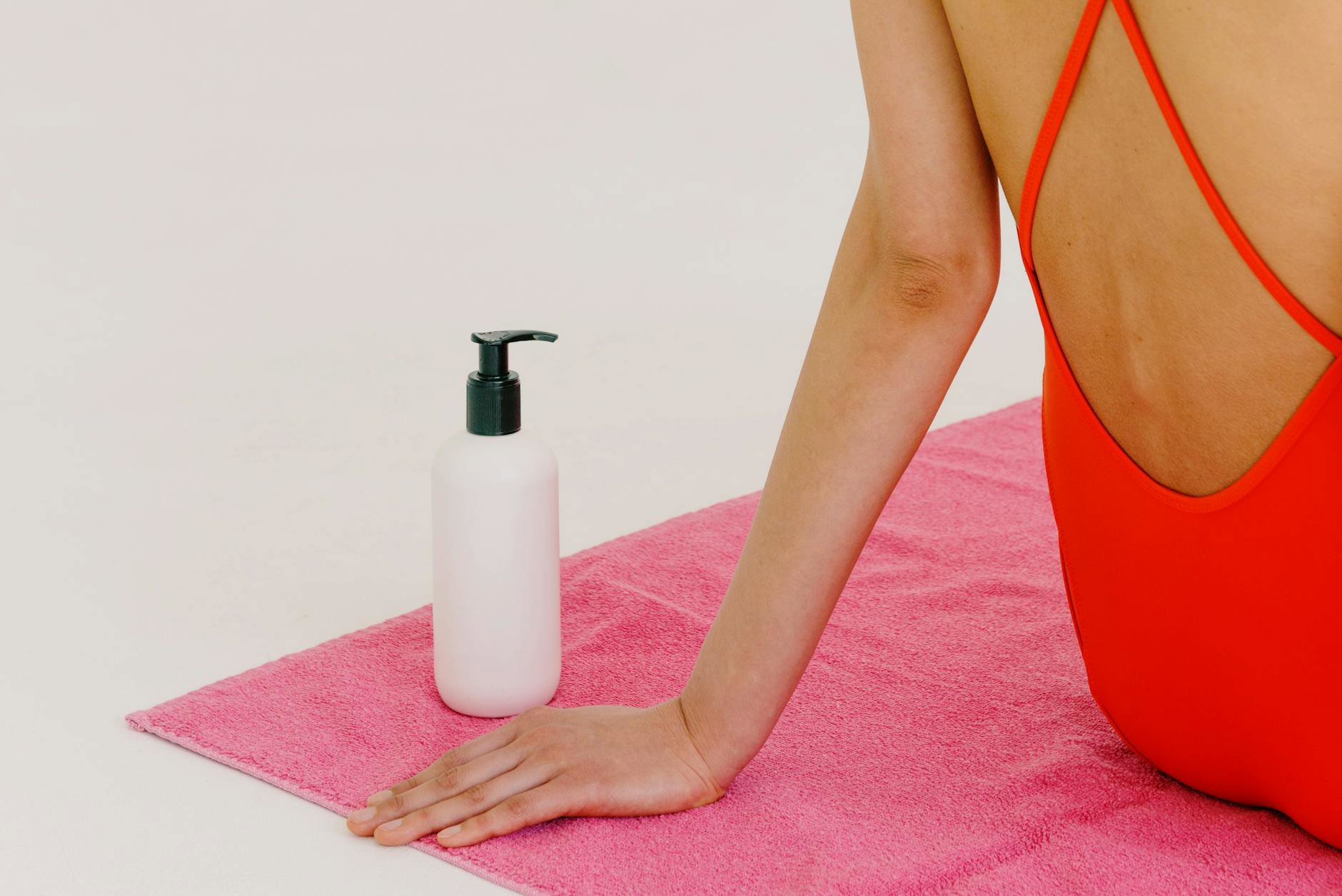
Body retinol has quietly become a best-seller category in Canada. Our price tracker flagged a steady rise through 2024 and 2025 as retailers expanded from face serums into chest, hands, and full-body formulas. Shoppers didn’t just ask for glowy skin. They wanted firmer-looking necks, smoother arms, and fewer sun spots on hands.
That demand meets a Canadian reality. Dry, heated air for half the year. Sudden humidity in summer. Long sleeves and gloves in January, then tank tops in July. Neck-down retinoids can work here, but they need smart pairing with moisture and sunscreen. Otherwise the barrier pays for it.
If you want the benefits without the flakes, timing and texture matter. So do the ingredients you pair with vitamin A below the jawline.
Why neck-down retinol now? Follow the numbers
Body retinoids went from niche to normal in five years. Between 2020 and 2025, our merchant feed logged a surge in body-focused vitamin A launches across North America. Canada received more options each quarter, with a lag of a few months behind some US drops. That lag still shows up. We still see US-first launches that hit Canadian shelves later, or not at all. When the delay passes a season, the wait can blunt results for winter dryness plans.
Marketing shifted too. Labels now call out “neck and décolleté” on the front. Hand creams list retinol or retinal as headline actives. Even mass brands speak to crepey skin on arms. These claims match the search trends across GlamGeek. Women look for texture help and tone evenness without prescription intensity.
Price pressure grew with the category. Premium formulas added encapsulation stories, ceramics in the pump, and claims around gentle release. Drugstore lines pushed bigger bottles and set-size savings. Our tracker shows wide price spreads by retailer, especially on bundles. If you love a formula, add it to your wishlist on GlamGeek and switch on price alerts. We’ll ping you when it dips across Sephora Canada, Shoppers Drug Mart, The Bay, Well.ca, and more.
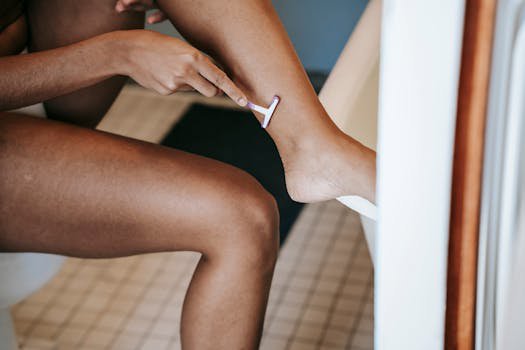
{{IMAGE:woman applying retinol body lotion to chest and neck}}What counts as a body retinoid in 2026
“Retinoid” is the family. “Retinol” sits inside that family. So does retinal (retinaldehyde), hydroxypinacolone retinoate (often listed as HPR or “Granactive Retinoid”), and prescription tretinoin. Canadian body products use cosmetic retinoids, not prescription tretinoin. Here’s how they differ on skin and shelf:
- Retinol: The classic. It converts in skin to the active acid. It works, but it can irritate and it moves slower than retinal. Encapsulation helps with comfort.
- Retinal: One step closer to the active acid. It tends to act faster at like-for-like percentages. It often needs careful packaging and a higher price.
- HPR: An ester that brands position as gentler. Many people tolerate it well. Data suggests it works, though retinol and retinal have the most history.
- Adapalene: An over-the-counter retinoid in Canada for acne, usually at 0.1%. Women sometimes apply it to body breakouts or texture, but it is an acne drug. Use it with care below the jawline, and separate it from rich occlusives.
Not a retinoid, but often on body labels: bakuchiol. It can support firmness and texture. It suits sensitive skin. It does not behave like tretinoin and it won’t drive acid-level results. We rate bakuchiol as a useful teammate, not a swap for vitamin A if you want stronger resurfacing.
Brands known for retinoid know-how in face care often extend those textures to the body. Keep an eye on lines from L'Oréal, Garnier, and Clinique. You’ll also see body-focused launches from bath and body houses, including The Body Shop, that pair mild vitamin A with shea and oils for comfort.
Where neck-down retinol actually helps
Retinoids support collagen, speed turnover, and even tone with steady use. On the body, that translates to three reliable wins when paired with sunscreen:
- Chest and neck: Smoother texture and fewer fine lines. Tone looks more even when you also protect from the sun each day.
- Hands and forearms: Brightens sun spots over months. Skin feels thicker. SPF every morning on hands keeps that work from sliding backwards.
- Upper arms and thighs: Helps crepey skin and roughness. Not a cure for keratosis pilaris, but it supports smoother texture when rotated with lactic acid.
Now the limits. Cellulite creams with retinol won’t rebuild fat architecture. Stretch marks improve a little with consistent retinoid plus moisturiser, but they rarely vanish. Body acne can clear with adapalene or benzoyl peroxide, yet irritation risk rises on the chest and back when you also add retinol. Pick one active lane at night, and use the other in the morning if your skin tolerates it.
Cold truth for Canada: you can’t skip sunscreen. Retinoids thin the top layer temporarily and reveal fresher skin. UV then stamps damage faster. Make SPF a habit on neck, chest, and hands all year. Find options you like in our SPF Protection Products category. The “best” sunscreen is the one you’ll use daily and reapply when you can.
Build a neck-down routine that won’t wreck your barrier
Start with moisture, not with actives. Barrier-first care plays better with Canadian winters and radiator air. Here’s a simple template that holds up:
- Night, Week 1–2: Moisturise alone. Use a rich but fast-absorbing body cream. Look for glycerin, ceramides, and fatty alcohols. Explore options in Body Creams and Body Lotions.
- Night, Week 3: Add retinol once per week on clean, dry skin. Wait ten minutes. Seal with moisturiser. If you sting, buffer first with a thin layer of cream, then retinol, then another whisper of cream.
- Night, Week 4–6: Step up to twice weekly. Then three nights if you have no redness or flaking. Hold there for winter. Increase in summer only if your skin stays calm.
Skip hot showers that strip your oils. Keep water warm, not hot. Use a gentle wash, not a harsh scrub. If you love a weekly polish, choose chemical over grit. Lactic acid beats sharp beads on body skin. You’ll find options under Face Exfoliants that many women use sparingly on the chest. Patch first.
In very dry weather, run a humidifier in your bedroom. Hydration in the air reduces trans-epidermal water loss, which reduces flaking. It sounds basic. It works.
Great teammates, bad couples: what to pair with vitamin A
Retinoids like company. They just need the right kind.
- Great teammates: glycerin, hyaluronic acid, ceramides, squalane, cholesterol, shea, and petrolatum. Urea at 5–10% helps texture on arms and legs. Niacinamide supports barrier and tone. These build comfort around the active.
- Careful combos: lactic acid and glycolic acid. Rotate nights at first. Alternate with retinol while your skin adjusts. Later, you can stack if your barrier behaves.
- Tricky with retinoids: benzoyl peroxide in the same routine. It can destabilise some forms of retinoid and spike irritation. Use BPO in the morning and retinoid at night, or split days.
- Fragrance and essentials oils on the chest: lots of women react here. If you must have scent, keep retinoid nights fragrance-free and add scent on off nights.
One more caution: body scrubs plus fresh retinoid equals sting. Save scrubs for non-retinoid days. Prefer soft cloths and rich cleansers over aggressive exfoliation if your skin looks angry.
How much to use, zone by zone
Quantity makes or breaks a retinoid plan. Too little, no payoff. Too much, barrier drama. Use small, consistent amounts:
- Neck and chest: one pea for the neck, one pea for the chest. Smooth from centre out. Avoid the immediate base of the throat if you get irritation there.
- Forearms and hands: one pea per forearm, then a rice grain for each hand top. Wash palms so you don’t rub eyes.
- Upper arms: one pea per arm. Focus on crepey zones, not inner elbows.
- Thighs: one pea per thigh. Add moisturiser after ten minutes.
- Butt and hips: one pea for the whole area. Avoid fresh razor burns.
Always apply to dry skin. Damp skin can pull more product in fast and raise sting. Give your retinoid a ten-minute head start, then add lotion. If you need major comfort, finish with a thin petrolatum layer on rough zones. Think elbows and tops of hands in January.
Slow and boring beats dramatic and red. You want a routine you can keep in February, not a sprint you abandon by week two.
Retinal vs retinol for the body
Women now ask for retinal in body care because face serums set that expectation. Here’s how we split the choice:
- Pick retinol if your skin runs dry, sensitive, or you live in a low-humidity home. Encapsulated retinol in a cream base often feels best on the chest and neck.
- Pick retinal if you want a faster brightening curve and you tolerate actives well. You’ll likely see speed on tone, but you must double down on moisture.
- Pick HPR if you stalled on retinol irritation. It can be the on-ramp for fragile, post-winter skin.
Texture matters too. Lotions spread fast and sink. Creams cushion better on the sternum and collarbones. Sprays cover large areas with less rubbing, but can feel light and may need a cream topper in winter. Jars look indulgent, but pumps protect unstable actives better. We rate pumps for vitamin A. Jars for body butters you layer on top.
As formats expand, branding gets louder. Look past the bottle. Scan the ingredient list for the form of vitamin A, the presence of barrier builders, and where fragrance sits. If “parfum” lands near the top, consider a fragrance-free alternative on retinoid nights.
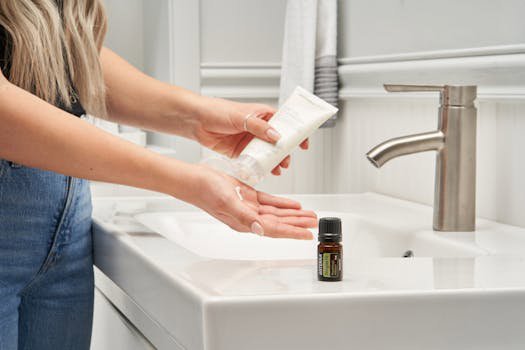
{{IMAGE:woman in sweater applying hand cream near window winter}}Shopping in Canada: where and when to buy
You’ll find the widest in-store body retinoid selection at Sephora Canada and Shoppers Drug Mart. The Bay brings in premium lines with firming claims that often include vitamin A. Well.ca stocks a mix of dermatologist-led brands and gentler body creams to pair with your retinoid.
We still see US-first launches arrive later here. The wait ranges from weeks to a full season. When that lag hits winter care, it matters. Our advice: plan your neck-down routine with what Canada already carries, and set alerts on the products you’re waiting for. Use GlamGeek’s wishlist. We track prices across the big Canadian retailers so you don’t have to hunt.
Watch bundle deals and jumbo sizes. Bundles can swing by retailer and week. Jumbo sizes help if you treat arms and legs, not just the chest. Check the unit cost per millilitre and compare on GlamGeek before you commit. If you like to shop by brand family, browse lines from Clarins, Shiseido, and Charlotte Tilbury for body-focused launches that pair actives with pampering textures.
Retinoids and sun: the neck, chest, and hands rulebook
This is the most boring section. It’s also the one that decides your results. You need sunscreen on neck, chest, and hands daily if you use retinoids there. This holds in January as much as July. UV passes through clouds. It reflects off snow. It reaches your hands on the steering wheel in traffic.
Use a broad-spectrum SPF 30 or higher. Reapply on hands after washing. Keep a tube by the sink. If you can’t reapply on your chest at lunch, use higher coverage in the morning. Test different finishes until you find one that doesn’t stain collars. You can compare textures and formats in SPF Protection Products.
Retinoids reveal progress most clearly when you protect the gains. Sunscreen makes the difference between fading spots and a cycle of re-darkening.
Seasonal strategy for Canadian skin
Two seasons, two speeds. In cold months, retinoids run best at lower frequency and richer texture. In warm months, you can lighten both.
- Winter: Two nights per week on chest and neck. Three if your barrier holds. Use a cream base and add a thick moisturiser on top. Consider a humidifier in your bedroom.
- Summer: Step to three or four nights if your skin behaves. Lotions feel better. You must protect every morning.
Air travel dries skin further. Skip retinoid the night before a flight and the night of. Go heavy on moisture. Restart gently once home. Outdoor sports also change the equation. If you spend long hours in sun, reduce frequency or pause. Return once your schedule moves back indoors.
Who should slow down or skip it
Retinoids are potent. Some women should go slow or not start without medical advice:
- Pregnancy and breastfeeding: many doctors advise avoiding retinoids. Speak to your clinician. Consider non-retinoid options while you wait, like niacinamide and urea.
- Eczema or psoriasis on the chest and arms: patch test for two weeks. Use buffers. Stop if you flare.
- Barrier already unhappy: if you feel tight or see flakes without actives, rebuild first. Then add retinoid later.
- Recent waxing, peels, or laser on the area: wait a week or as advised by your provider.
Prescription tretinoin can treat severe sun damage on forearms and hands. That sits with your doctor, not with a cosmetic shelf. Cosmetic retinoids help many women without that step. If you plateau, speak to a professional.
Smart shopping: labels, claims, and formats that matter
Claims get noisy. Focus on three things when you scan a body retinoid label:
- The vitamin A type and how it sits in the list. Retinal and retinol near the middle suggests meaningful inclusion. HPR appears under complex names. Search the ingredient if unsure.
- Barrier builders. Look for ceramide NP, AP, EOP, cholesterol, phytosphingosine, glycerin, and squalane. They tame the flakes before they start.
- Packaging. Opaque pumps guard your retinoid. Transparent jars look pretty and fade actives.
We also watch for helpful add-ons. Niacinamide supports tone and barrier. Shea and triglycerides cushion winter air. Urea adds smoothness to arms. Alpha arbutin can support spot work on forearms. If a product nails vitamin A and barrier care, it earns a spot on our shortlist. When you find a formula you like, add it to your GlamGeek wishlist. We’ll track prices so you catch the next promo without stalking multiple carts.
Put it together: a sample week that holds up in Canada
Here’s a practical map you can tweak:
- Monday: Gentle wash. Moisturiser only on body. Sunscreen on neck, chest, and hands during the day.
- Tuesday: Retinoid night for neck and chest. One pea per zone. Wait ten minutes. Cream on top.
- Wednesday: Moisturiser only. Consider urea lotion on upper arms. Sunscreen by day.
- Thursday: Lactic acid on upper arms or thighs. Skip chest. Moisturiser on top. No retinoid tonight.
- Friday: Retinoid night for hands and forearms. Keep quantity tiny. Wait ten minutes. Add a rich hand cream.
- Saturday: Moisturiser only. If you go outdoors, reapply sunscreen on hands often.
- Sunday: Optional third retinoid night if your skin behaved. If not, keep it off and moisturise.
Rotate as the weather shifts. In deep winter, cut the third night. In humid summer, you might add it back. Your skin sets the pace, not the calendar.
Brands and categories to watch on GlamGeek
We monitor launches and restocks from heritage and mass brands. Watch retinoid-heavy ranges from L'Oréal and Garnier. Both have strong vitamin A stories in face care and often port textures into body products. If you prefer a dermatologist-led vibe, keep an eye on Clinique. For richer textures and body-focused formulas, browse Clarins and Shiseido. If you want sensorial routines, The Body Shop tends to layer shea and oils around actives.
Shopping by category works well for experimentation. Pair your retinoid with fragrance-free options in Body Lotions or richer picks in Body Creams. If texture on arms drives you mad, add a weekly polish from Face Exfoliants used gently on the body. Always test first. Build daytime armour from SPF Protection Products to lock your gains.
Browse these on GlamGeek, add your shortlist to the wishlist, then sit back. We track prices at Sephora Canada, Shoppers Drug Mart, The Bay, Well.ca, and other Canadian retailers. Our alerts cut the noise so you buy when the maths suits you.
What this means for your neck-down routine in 2026
Retinoids can change the look of chest, hands, and arms. The change arrives with patience. Cosmetic vitamin A needs months, not weeks. Sunscreen protects the progress. Moisture protects your barrier so you keep going long enough to see results. That trio — retinoid, SPF, and barrier care — sets up a neck-down routine that survives a Canadian year.
Skip the stunt routines. Pick a retinoid you can use often, not a high-strength one you fear. Put boring moisturisers everywhere. Adjust by season. Add a gentle acid for arms or thighs if roughness hangs on. Park benzoyl peroxide away from your retinoid nights. Use your hands less as a test area at first; the skin there gets so much sun and washing that it protests fastest.
The market will keep adding formats and claims. You don’t need to chase them. Look for the vitamin A type, barrier support, and good packaging. Then let your routine run. We’ll keep tracking launches and prices so you can pounce at the right moment.
Tell us how your 2026 plan looks
Which areas are you treating first — chest, hands, or arms? What textures do you prefer in winter: lotion, cream, or balm over the top? Add your picks to a GlamGeek wishlist and set price alerts. We’ll keep an eye on the deals and restocks across Canadian retailers, and you can report back on what formats the market still owes Canadian women this year.