Our price tracker flagged a surge in retinol launches across Canadian retailers this year. New serums crowd the skincare aisles. Neck creams promise lift. Hand creams boast vitamin A power. Many of them carry premium pricing. The question follows every cart: do you need retinol in all those places?
Short answer: face and neck make sense for most women who tolerate it. Hands can benefit, but only with a strict SPF habit and a realistic plan. Chest and body use can help targeted concerns. Blanket application across every inch often wastes money and flirts with irritation.
We rate retinoids as high-value actives. We do not rate retinol inflation across ten product formats in the same routine. The gains taper. The risk of a cranky barrier does not.
Why retinol sits everywhere now
Retinoids sit on the short list of ingredients that change skin with consistent use. Clinicians have documented improvements in fine lines, uneven tone, and texture for decades. Brands read the same data. Marketing then pushes retinoids into every step of a routine. That expansion drives sales, but not always results.
Across our merchant feed, retinoid launches grew faster than vitamin C and niacinamide launches over the last two years. We also track more retinol products receiving limited-time discounts during big retail events. That tells us two things. Demand is real. Competition and price pressure are rising.
Canada adds a twist. Winters run long and dry. Indoor heating lowers humidity. Barrier repair and SPF discipline matter. Retinoids still work here. They just need smarter pairing with moisturisers and sunscreens. Summer use needs the same discipline, since UV exposure runs high on bright days.
{{IMAGE:woman applying retinol skincare on face at night}}The retinoid family, decoded
You see several forms on labels. Retinol, retinal (retinaldehyde), retinyl esters, hydroxypinacolone retinoate (HPR), and prescription retinoids. These convert to retinoic acid at different speeds in skin. Faster conversion often means stronger results, but also higher irritation risk.
Retinol offers a solid middle ground for many women. Retinal moves faster and may act stronger. Retinyl esters act milder. HPR sits in the conversation as a gentler option in many formulas. Prescription retinoids deliver the most change and the most rules. They also sit outside the beauty aisle.
Formulation matters more than the number on the box. Encapsulation, buffers, and soothing co-ingredients can shift the feel and the bite. Two products with the same listed percentage can perform very differently. We see this in review patterns and repeat-buy data across multiple merchants.
Check the full formula, not just the headline. Look for glycerin, squalane, ceramides, or oat derivatives if you run dry. If you run oily or breakout-prone, scan for lighter textures and avoid heavy fragrance loads.
Face: where retinol earns its keep
For most women, the face is the first and best place to use a retinol product. The goals line up well: texture, fine lines, pores that look tight, and a more even tone. You need a steady plan. Not a sprint.
Start slow. Once or twice a week at night makes sense for beginners. Use a pea-sized amount for the whole face. Avoid the corners of the nose and mouth at first. Add a bland moisturiser on top. Shop for gentle night creams in Night Face Moisturisers if your current one feels thin.
Work up to more nights only when skin looks calm. No flaking. No hot sting. If you live in a heated condo through January, resist the urge to push fast. You can stack benefits over quarters, not weeks.
We see stable sellers across mid and premium brands here. Retinol serums from Clinique, Estée Lauder, and L'Oréal draw high interest on our site. We also track bundles and gift sets that drop the per-millilitre cost. Add the product you want to your GlamGeek wishlist. We ping you when the price moves down.
Neck and chest: useful, but go lightly
The neck and chest tell time fast. Thin skin, fewer oil glands, frequent UV exposure. Retinoids can help. They also irritate these areas more than cheeks. That trade-off calls for a measured plan.
Use the leftover from face application rather than a full extra pump. Place it on the front of the neck and the upper chest only. Skip the sides and the thin creases at first. Follow with a richer cream. You can hunt for options in Day Face Moisturisers for daytime and in Night Face Moisturisers for evening.
Do you need a dedicated “neck retinol” cream? Usually not. Most neck creams lean on texture and fragrance. They charge more per gram. A well-formulated face retinol and a fragrance-free moisturiser often beat them on value. If perfume causes you to flush, avoid scented neck or chest formulas entirely.
SPF makes or breaks this plan. Retinoids can thin the top dead-layer feel for a time. The chest burns quickly. Use a broad-spectrum sunscreen every morning. Our users gravitate to lighter textures in SPF Protection Products for daily wear under clothing.
Hands: target age spots first, then decide
Hands age in two ways that retinoids touch: rough texture and dark spots. Retinoids can help both. The snag comes from frequent washing and constant UV exposure. Irritation runs high, and results stall without sunscreen.
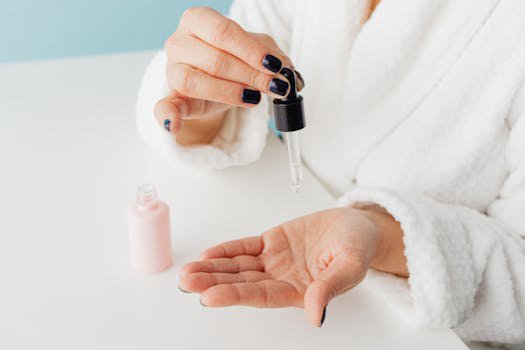
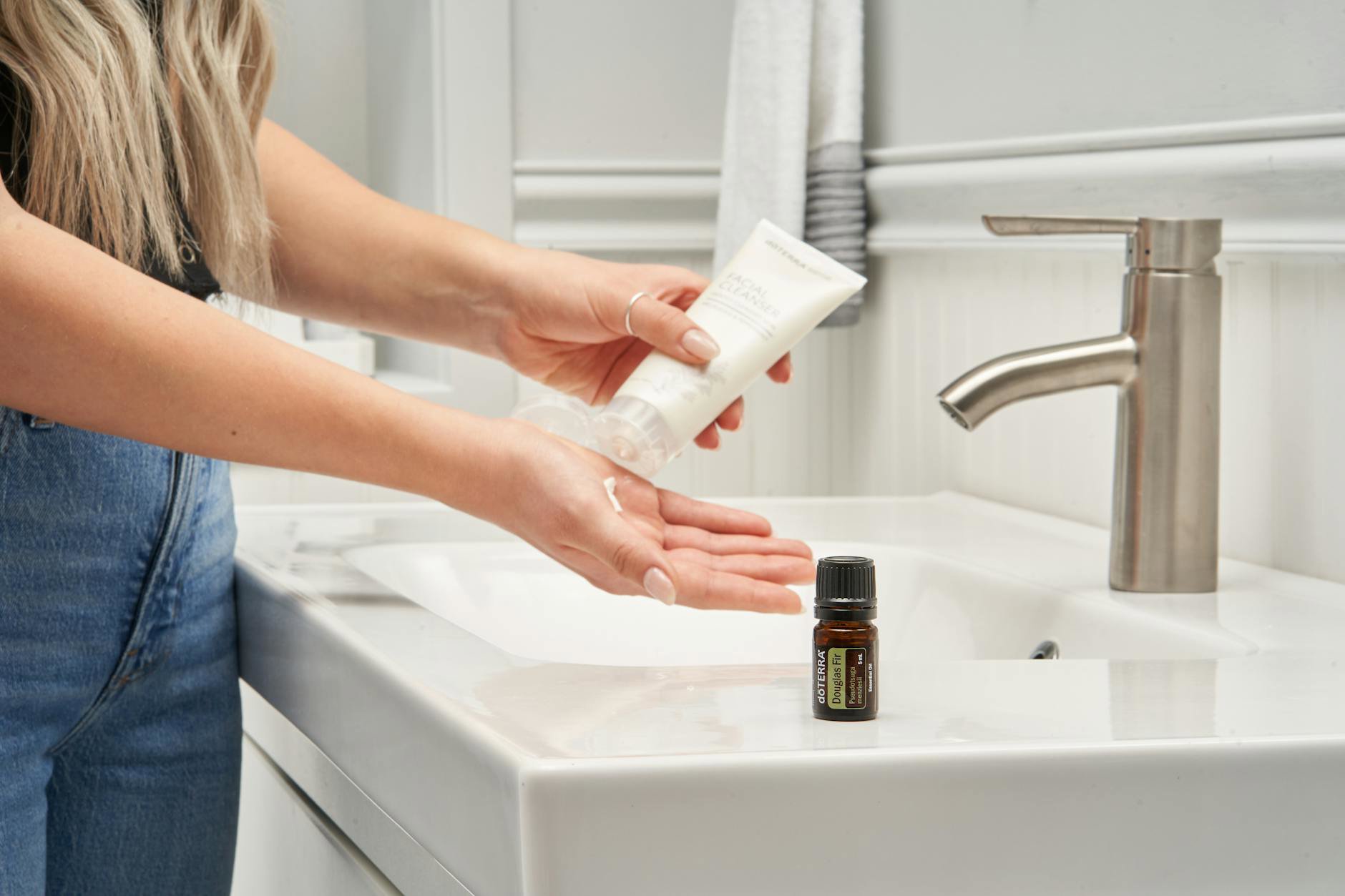
If your main complaint is dark spots, consider a targeted approach. Dab a retinoid over spots only at night. Cover with a bland hand cream. Keep this slow. Two or three nights a week can still move the needle. For all-over crepiness, retinoids can help a bit, but rich emollients and urea-based creams often fix comfort faster. Shop heavier textures in Body Creams and rotate a lighter lotion for the day.
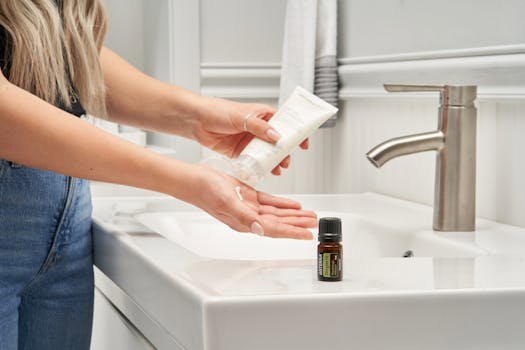
Morning sunscreen on the backs of hands matters. Keep a small tube in your bag or car. Reapply after washing. No sunscreen, no progress here. That rule stays firm in all seasons, since winter glare reflects from snow.
Formulas marketed as “retinol hand creams” charge a premium. You can use a face retinol serum on hands instead. Use a drop, not a pump, and buffer with cream. Our price tracker shows hand-specific retinol SKUs discount less often. Face serums run more promos. That shift can save you money.
{{IMAGE:close-up of a woman applying hand cream with SPF}}Eye area: micro-dose retinoids or skip
Some women want help with crow’s feet. Retinoids can help here, but the margin for error sits tight. The thinner the skin, the smaller the dose you should use. Look for encapsulated or “low and slow” formulas. Retinyl esters and low-dose retinol feel safer. Micro-dosed gels from brands like Shiseido often bundle soothing agents to offset the bite.
You can also skip a dedicated eye retinoid and use your face serum at the orbital bone only. Tap a tiny amount above the cheekbone. Never push it to the lash line. Seal with a simple moisturiser. If the area turns flaky, back off and add a barrier cream for a week.
Do not run acids on the same night. Do not chase every line. Retinoids work, but they work in months. Patience saves your barrier and your budget.
Body retinoids: KP, bacne, and when it pays off
Brands now sell body lotions with retinoids. The pitch sounds tempting. Smooth arms, refined pores, bright shoulders. The results can track, but only for targeted jobs.
Keratosis pilaris on arms and thighs responds well to exfoliation and moisture. Retinoids can help, but AHAs, BHAs, and urea tend to work faster. Try a lactic or urea cream first. If bumps and roughness hang on, add retinoid nights once or twice a week. Keep the rest of the week to gentle care and emollients.
Back and shoulder breakouts can benefit from retinoids. They also respond to salicylic acid cleansers and benzoyl peroxide leave-ons. Spots on large body areas need consistency more than expensive actives. You can scan budget-friendly options from Garnier and L'Oréal and then check our comparison tool for deals. Add your picks to a wishlist to catch a sale.
If you want retinoids for general body “glow,” we would skip it. Focus on moisturizing after showers, plus weekly gentle exfoliation. Browse hydrating formulas in Face Exfoliants for face and keep body scrubs very mild. Save your retinoid budget for face and neck.
Winter in Canada: pace yourself
Cold, wind, and dry indoor air test every barrier. Retinoids still help. They just need support. We suggest a “sandwich” method during the deepest winter weeks. Moisturiser, then retinoid, then more moisturiser on top. This buffers the hit while you keep your schedule.
Humidifiers help. Keep one in the bedroom. Aim for moderate humidity, not a jungle. Skin loses less water overnight. Your retinol then hits its targets with less sting. Use balms or ceramide creams if your cheeks sting after a long day outside.
Scale back frequency if you see stubborn flaking. That move beats quitting. You can return to a higher cadence in spring. Skip fragranced actives on windy days. Fragrance plus retinoids often means red patches by morning.
SPF every morning still matters in winter. UV reflects from snow. UVA exists year-round. We see Canadian shoppers re-buy sunscreens less in winter than summer. That drop does not reflect skin needs. Keep one on your sink and one in your tote.
Summer: sunscreen first, then retinoid
Summer brings longer days and more UV. Retinoids can stay in your routine. You must raise your sunscreen game. Apply a full, even layer. Reapply when outdoors. Keep wide-brim hats in rotation. Treat shade like an essential accessory.
Shift to lighter textures if your T-zone turns shiny. Gel moisturisers pair well with retinoids in hot months. Browse lighter day creams in Day Face Moisturisers. Look for humectants like glycerin and hyaluronic acid. These pair well with vitamin A without clogging pores.
Consider moving stronger retinoids to every other night in high-UV weeks. That change reduces irritation and keeps your skin happy under SPF and makeup. If you wear makeup, a smoothing primer helps the finish on nights after retinoids. Explore options in Face Primers if foundation catches on dry spots.
Layering without drama: buffers, buddies, and band-aids
Retinoids work best in a simple routine. Cleanse. Retinoid. Moisturiser. SPF in the morning. You can add more, but each add-on raises the chance of irritation. Keep a shortlist of buddies that play nice.
Niacinamide pairs well and calms the look of redness. Peptides sit fine with retinoids. So do most ceramide creams. Hyaluronic acid layers well under or over. AHAs and BHAs can stay, but not on the same night as a strong retinoid. Benzoyl peroxide can clash with some retinoids. Use it on alternate nights or in the morning if you need both.
Patch test changes. Introduce one new product at a time. Give it two weeks before you add another. Keep a barrier “band-aid” ready. Petrolatum-based ointments or rich creams can soothe a hotspot. Use them for a few nights if you push too hard and peel.
If you like makeup with a luminous finish, retinoids can help the canvas. They can also make flakiness stand out for a week during adjustment. Keep a gentle exfoliant once a week. Avoid gritty scrubs. Browse chemical options in Face Exfoliants and pick a mild one.
Do you need separate formulas for each area?
Most of the time, no. One well-formulated face retinol serum can cover face, neck, and chest. Use leftovers for the neck and chest. Use a dab for hands on spots. Save the money from duplicate “area-specific” creams for SPF and moisturiser refills.
When does a separate formula help? If the eye area reacts to everything. If fragrance stings your chest. If you want a thicker cream texture for neck comfort. In those cases, pick a gentler or fragrance-free version. Brands like Charlotte Tilbury and Clinique offer varied textures across their ranges. Use our comparison pages to see texture notes and ingredient callouts before you buy.
Scan reviews across merchants. Patterns beat one-off opinions. We show retailer and product history, so you can spot reformulations or size changes. Add items to your GlamGeek wishlist to track pricing across Sephora Canada, Shoppers Drug Mart, The Bay, and Well.ca.
Shopping smarter: where to spend, where to save
Spend on a stable, well-reviewed retinol or retinal serum. Spend on SPF and moisturiser support. Save by skipping niche “retinol for hands” and “retinol for neck” duplicates. Save by buying during major promo events. Our data shows frequent discounts around seasonal sales and gift events.
Premium lines sell cachet and often deliver elegant textures. We track strong loyalty for Estée Lauder and steady interest in Clinique. We also see high review volume on value-focused brands like L'Oréal. If you want luxury packaging, check our pages for Shiseido or even makeup-adjacent lines like Charlotte Tilbury. Compare ingredients before you pay the markup.
Want to trial first? Look for discovery sizes and kits. Head to Skin Care Sets and scan for retinol bundles. Sets often reduce your effective cost and help you pair with a matching moisturiser. Add favourites to your wishlist so we can alert you when stock and prices shift.
Example routines by concern
Use these as templates. Adjust frequency to your tolerance and the season.
Fine lines, normal-to-dry skin
- Night: gentle cleanser, retinol serum, rich moisturiser
- Twice weekly: swap retinol for a mild lactic acid
- Morning: hydrating serum, moisturiser, broad-spectrum SPF
Uneven tone, post-breakout marks
- Night: retinoid every other night, niacinamide on off nights
- Spot treat hands with a dab if you have sun spots
- Morning: vitamin C optional, moisturiser, SPF
Oily, congestion-prone skin
- Night: cleanse, retinoid, lightweight gel moisturiser
- Alternate nights: salicylic acid toner; not with the retinoid
- Morning: light moisturiser, SPF
Shop moisturisers by texture in Day Face Moisturisers and Night Face Moisturisers. If you need makeup to sit smoother on retinoid nights, a blurring base can help. Browse Face Primers for options with a soft-focus finish.
What this means for your routine
Retinoids earn their place on the face and neck for most women. They help hands if you commit to sunscreen and patience. They help the chest with caution and buffer creams. Body use pays off only for clear targets like bacne or stubborn KP. Most other “everywhere” plans drain your wallet and test your barrier.
Keep the routine simple. Use one retinoid at a time. Protect with SPF. Support with moisturisers that suit your season and your skin. Use our price comparison before you click checkout. We track stock and promos across major Canadian retailers. Add products to your wishlist to catch a drop. You do not need a retinol in every category. You need one good formula, used well, with the right support team.
Tell us where you stand
Do you run retinol on face only, or do you extend to neck and hands too? Which formulas treat you kindly through a Canadian winter? Share your picks on their GlamGeek product pages, and add them to your wishlist so we can alert you when the price goes down.