When a major beauty group gets fined in Canada over PFAS in cosmetics, it does more than dent a reputation.
It changes how we think about “long-wear,” “waterproof,” and “budge-proof.” Those claims often point to the exact product categories where PFAS risk tends to concentrate.
We’re not interested in panic. We’re interested in control: what to check, what to replace first, and how to keep performance without buying into chemistry you didn’t agree to.
That means reading labels with intent, picking the right retailers for transparency, and making a few formula-based swaps that suit Canada’s real-life conditions—dry winters, indoor heating, and humidity swings that punish makeup wear.
PFAS, in plain English: why beauty shoppers keep hearing about it
PFAS stands for per- and polyfluoroalkyl substances. In cosmetics, they usually show up as fluorinated ingredients used to improve slip, spread, wear time, and water resistance. Marketing loves those benefits.
Here’s the catch: PFAS chemistry raises environmental and health concerns, and regulators increasingly expect brands to keep them out of products where they don’t belong. The recent Canadian fine tied to PFAS cosmetics pushed this issue out of the niche “ingredient nerd” corner and into mainstream shopping decisions.
From a shopping standpoint, PFAS talk often gets messy because it mixes three different ideas:
- Intentionally added PFAS (brand uses a fluorinated ingredient for performance).
- Trace contamination (low-level presence from raw materials or manufacturing).
- “PFAS-free” marketing (claims that may vary in definition, testing, or scope).
Canadian consumers also face a practical constraint. We don’t always get the same reformulated versions as the US on the same timeline, and cross-border listings can confuse ingredient checks. If you shop at Sephora Canada, Shoppers Drug Mart, The Bay, or Well.ca, the most reliable approach stays the same: verify the ingredient list on the exact Canadian product page you’re buying from.

Where PFAS hide most often: shop by product type, not by fear
If we had to summarise PFAS risk in cosmetics in one line, it would be this: the more “extreme performance” the claim, the more you should scrutinise the ingredient list.
Not every long-wear product contains PFAS, and not every PFAS concern sits in makeup. Still, our reading across brand ingredient lists and retailer catalogues shows recurring hotspots. Start here, because it gives you the highest impact for the least effort.
Higher-scrutiny categories tend to include:
- Waterproof mascara and tubing-adjacent “24-hour” lash formulas.
- Liquid eyeliner, especially “waterproof” pen formats.
- Long-wear liquid lipstick and transfer-proof stains.
- Blurring primers and “soft-focus” complexion products.
- Setting sprays that promise extreme lock-in.
- Sunscreen-makeup hybrids that claim water resistance plus a makeup finish.
Why these? Because fluorinated ingredients can help with film formation, repellency, and texture. That’s exactly what “won’t budge” marketing sells.
Lower-scrutiny categories include basic powder blushes, traditional bullet lipsticks, and many non-waterproof brow pencils. That doesn’t guarantee anything, but it helps you prioritise.
We also see Canadians over-indexing on waterproof in winter because indoor heating dries out the eye area and can trigger watering. That’s understandable, but it’s also why waterproof formulas dominate many makeup bags here. If you want to reduce PFAS exposure potential without sacrificing wear, swap intelligently: move from waterproof to long-wear, from “24-hour” to “all-day,” and from glossy transfer-proof to comfortable satin.
How to spot PFAS on labels: the quick scan that actually works
Brands rarely write “contains PFAS” on the front of the box. You win this by scanning the ingredient list fast and knowing what you’re looking for.
Start with a simple rule: look for “fluoro”. Many fluorinated ingredients contain that root. Examples you may see include terms like “PTFE” or ingredients that start with “perfluoro-” or “polyfluoro-.” If you see “fluoro” in an ingredient name, pause and investigate.
Next, consider the product’s claim language. “Waterproof,” “sweat-proof,” “budge-proof,” and “transfer-proof” don’t prove anything on their own, but they do tell you where brands may reach for fluorinated ingredients to deliver the promise.
For Canadian shopping, here’s the most useful workflow we recommend:
- Check the Canadian retailer ingredient list first (Sephora Canada and Well.ca often display full INCI lists; Shoppers listings vary by brand).
- Cross-check on the brand’s Canadian site if the retailer list looks incomplete.
- Don’t trust product photos of boxes unless you can zoom and confirm the batch matches the listing.
- Save your own “green list” of products you’ve checked once, then repurchase only from listings with matching ingredients.
One more nuance: reformulations happen quietly. A product you checked last year can change this year. The safest habit involves re-checking the INCI at every repurchase, especially for mascara, liner, and liquid lipstick.
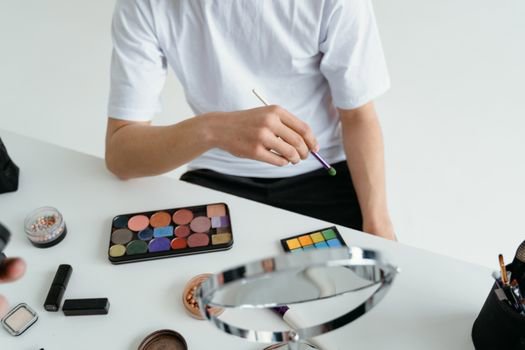
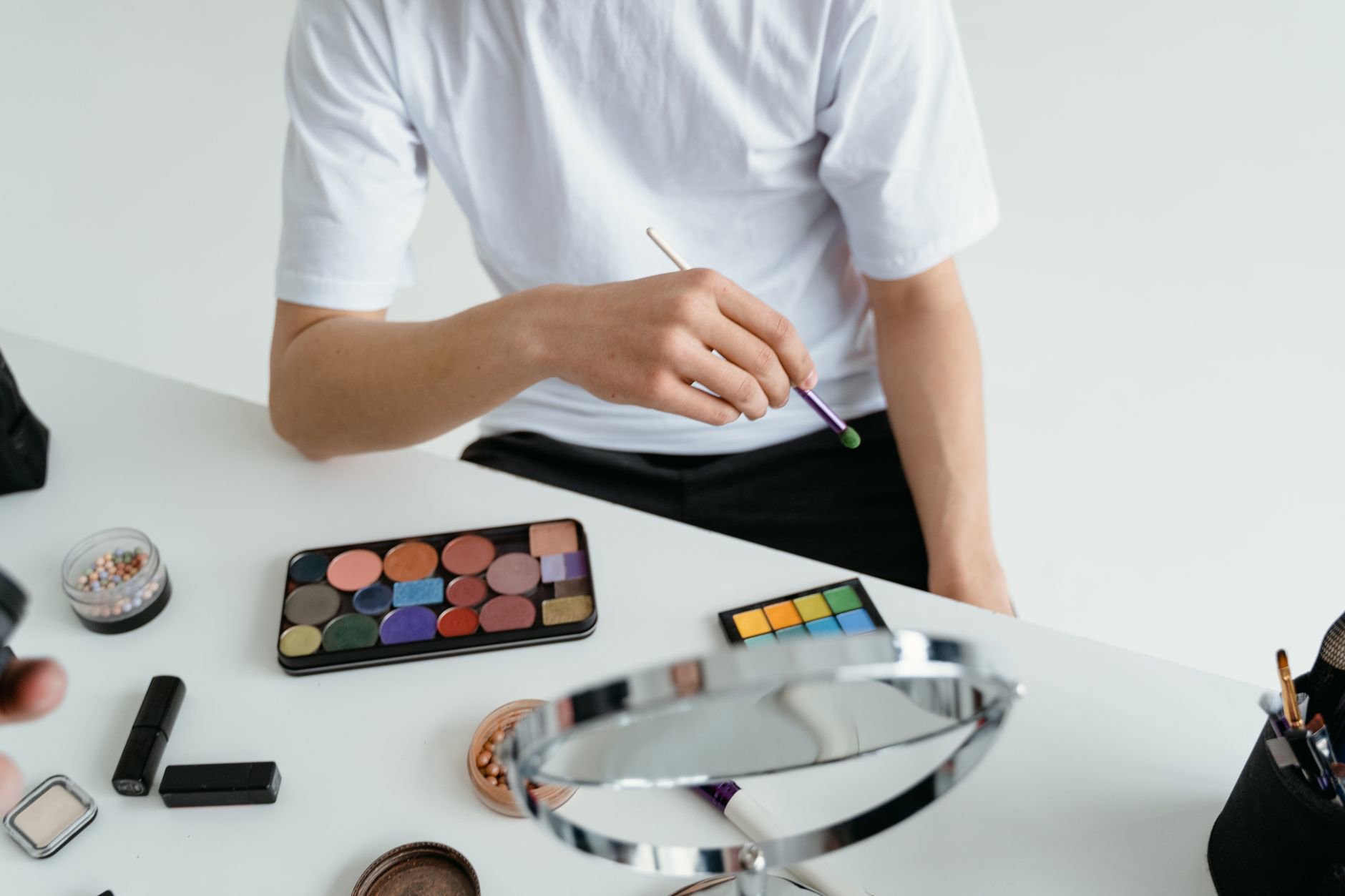
Want a shortcut for shopping? Browse within categories that already lean toward simpler formulas—classic Lipsticks, many Eye Shadow Palettes, and plenty of traditional powders—then reserve your “extreme wear” purchases for cases where you truly need them.
Performance swaps that still hold up in Canadian weather
Canadians don’t need less performance. We need different performance. Winter wind plus indoor heating makes skin drier, which makes makeup crack. Summer humidity makes makeup slide. Brands solve both problems with film-formers, silicones, and sometimes fluorinated ingredients.
So the goal becomes: keep the wear, ditch the unnecessary extras.
Swap 1: Waterproof mascara → washable long-wear + smarter setting
Instead of defaulting to waterproof, try a long-wear washable mascara and control smudging with technique. Start with a clean, oil-free under-eye, then press a tiny amount of translucent powder under the lower lashes. Finish with a light mist of setting spray aimed away from the lashes, so you don’t soak them. You’ll often get the “no panda” result without the hardest-core formula.
Swap 2: Transfer-proof liquid lipstick → bullet lipstick + liner anchoring
For a long-lasting lip in dry Canadian winters, the problem often isn’t “transfer.” It’s flaking. Use a hydrating balm, blot, then line the full lip with a pencil and apply a classic bullet lipstick. Blot once, then add a second thin layer. This locks colour in while staying comfortable.
Swap 3: Extreme blurring primer → targeted prep + lighter primer
Heavy blurring primers can feel great at first, then pill or separate on dry patches. Prep matters more. Use a simple moisturiser suited to your skin type, let it set for five minutes, then apply primer only where you see texture or enlarged pores. Canadians often over-prime the whole face, then wonder why foundation breaks up around the mouth.
For readers rebuilding their makeup basics, we’d also prioritise tools. A dense, well-shaped brush can improve wear and reduce product load. If you’re refreshing your kit, start in Makeup Brushes & Applicators and treat it as part of your “ingredient strategy.” Less product can mean less exposure to any ingredient you’d rather minimise.
Retail reality in Canada: transparency, reformulations, and the Rennaï effect
One of the most useful Canada-specific developments in the headlines involves luxury retailer Rennaï launching e-commerce across Canada. That matters because assortment drives behaviour. When Canadian shoppers gain easier access to niche and luxury brands domestically, they rely less on cross-border buys with confusing ingredient lists and inconsistent listings.
Canada still deals with staggered launches and slow reformulations. A US press release can promise a “cleaner” formula, while Canadian inventory sits in the channel for months. That lag can feel small, but it changes what’s actually on shelves at Sephora Canada or The Bay right now.
Our shopping advice for this moment looks blunt:
- Buy from Canadian listings with full INCI disclosure, even if the price stings.
- Stop impulse-buying “viral” products until you can verify ingredients on the Canadian SKU.
- Prefer retailers with good returns so you can reject a formula change fast.
- Watch for “new packaging” callouts; they often signal a formula update.
We also see more brands leaning into sustainability packaging headlines. Great. Still, packaging isn’t the product. You can care about refillables and still demand ingredient transparency. The two goals should travel together.
If you want to focus your browsing, pick a handful of brands that publish detailed ingredient lists consistently. Major legacy brands such as Estée Lauder and Clinique offer broad availability in Canada, which makes it easier to track changes and avoid sketchy third-party listings.

“Clean,” “PFAS-free,” “non-toxic”: how to read claims without getting played
Marketing loves a simple label. Chemistry rarely behaves that way.
“Clean” means different things at different retailers. “Non-toxic” has no single global standard in cosmetics marketing. Even “PFAS-free” can mean “no intentionally added PFAS” rather than “tested to non-detect.” None of that makes the claim useless, but you need to know what you’re buying.
Here’s how we suggest Canadian shoppers sanity-check claims quickly:
- Look for the definition on the brand or retailer site. If they don’t define it, treat it as vibes.
- Check whether the claim applies to the entire line or only a new shade range or updated batch.
- Prioritise brands that publish full ingredient lists for every shade and finish.
- Don’t confuse “fragrance-free” with “PFAS-free”; they solve different problems.
If you prefer to shop by retailer filters, use them as a first pass, then verify ingredients yourself. Filters help you reduce the universe. They don’t replace reading INCI.
We also want to call out a very Canadian pattern: shoppers often pay a premium here and expect that higher price equals “cleaner.” It doesn’t. Price correlates with packaging, branding, and distribution more than it correlates with the absence of any one ingredient class.
Build a “proof-based” approach instead. Pick one product category at a time. Verify. Replace. Repeat. That strategy costs less than a full bag overhaul that you later regret.
Practical replacement plan: what to swap first (and what to leave alone)
If you want to reduce PFAS exposure potential, you don’t need to toss everything you own. You need a rational order of operations.
Step 1: Replace the eye area first.
Mascara and eyeliner sit close to sensitive mucous membranes, and many women use them daily. Start there. If you wear waterproof mascara for smudging, try a washable long-wear formula plus under-eye powdering. If you use a waterproof liquid liner, consider a pencil or gel alternative for day-to-day wear.
Step 2: Replace daily lip colour second.
Transfer-proof liquids can feel efficient, but they often push you toward harsher film-formers and more aggressive removers. A classic bullet lipstick, used with a liner base, gives strong wear with easier removal. For browsing, start with established lines like MAC for shade range and consistent restocks in Canada, then compare finishes that suit your comfort needs.
Step 3: Audit primers and setting sprays.
If you use these daily, they can add an extra layer of chemistry that you may not need. Consider whether your makeup actually fails because it lacks primer, or because skin prep doesn’t match the season. In January, a richer moisturiser under makeup often beats more primer. In July, lighter moisturiser plus targeted primer on the T-zone usually wins.
Step 4: Leave powders and occasional products for last.
Powder blush, bronzer, and many eyeshadows often contain fewer “extreme wear” ingredients. If you use them occasionally, they don’t deserve the same urgency.
If you want to make this plan even easier, organise your stash by frequency: daily, weekly, special occasion. Replace daily items first, and keep your special-occasion waterproof products for the few times they genuinely matter.
What this means for your routine and your budget in Canada
PFAS headlines can trigger two unhelpful reactions: denial (“it’s fine, who cares”) or a purge (“throw it all out”). Canadian shoppers need a third option: targeted, evidence-based editing.
Start with your highest-contact, highest-frequency items. Learn the quick label scan. Buy from Canadian listings with complete ingredient disclosure. Then use technique to make “regular” formulas perform better in our climate.
Budget-wise, a smart swap plan also protects you from Canada’s price premium. You can keep your favourite foundation if it checks out, and redirect spending toward replacing mascara and liner first. You’ll feel the difference faster, and you’ll avoid buying a whole new face of makeup because a single headline spooked you.
If you’re also trying to keep your routine lower-waste, pair ingredient edits with empties programs and mindful replacement cycles. Focus on finishing products you feel comfortable keeping, and replace only what you need as you run out.
Tell us what you want audited next
Which product category do you want to clean up first—mascara, eyeliner, long-wear lips, primer, or setting spray?
If you share the exact product names you’re considering (and where you shop in Canada), we can suggest the best way to verify the Canadian ingredient list and identify lower-scrutiny alternatives in the same performance lane.