Luxury makeup has a funny habit: it looks “worth it” right up until you compare the finish on your face to what you can get on the high street.
Across beauty headlines this year, the loudest theme has not been a new texture or a new shade family. It’s the quiet confession that plenty of women swap a pricey staple for a cheap replacement and nobody notices. That’s a real consumer shift, and it shows up in our click and price data too.
We’re calling it: the strongest 2026 angle is not runway-inspired looks. It’s the surge in interest around drugstore dupes—and, crucially, how to shop them in the UK without wasting money on “close enough” products that sit in a drawer.
Context matters. A dupe is not a counterfeit and it’s not a magic match. In practice, women usually mean one of three things: the same colour family, the same finish, or the same wear time. Marketing loves to pretend one product can clone all three. Our view: you get a better outcome when you decide which feature you refuse to compromise on.
UK shopping adds extra wrinkles. Boots and Superdrug price-promo in cycles. Cult Beauty and Space NK skew premium but run tactical discounts. Lookfantastic and Sephora often undercut on specific lines for short windows. The result: sometimes the “dupe” isn’t even cheaper that week.
Our price tracker this week shows both ends of the spectrum at once. You can pick up the NYX Wedding Soft Matte Lip Cream at £5.25 at lookfantastic (a restock), while a luxury statement like Tom Ford Electric Cherry Eau De Parfum Spray sits at £90.00 at lookfantastic and also £90.00 at Sephora, both at a 12-month low. The message: shop the product, not the label.
What counts as a “dupe” (and what never does)
Most dupe talk skips the boring part: definitions. That’s why women end up disappointed. In our data, “dupe” searches spike around hero products, but returns and regret also spike when expectations stay vague.
We use a tighter framework. A dupe can match one or two of these elements well: shade, finish, wear, skin-feel, and packaging experience. The more boxes you demand, the more you drift back towards mid-range pricing.
Start by naming your non-negotiable. If your priority sits with wear time, you focus on film-formers, waxes, and pigment load. If your priority is a “lit from within” glow, you look for pearl type and particle size, not the brand story. If your priority is comfort, you pay attention to emollients and slip agents.
Here’s a quick decision guide that keeps dupe hunting sane:
- Colour match first when you dupe blush, bronzer, lipstick, and concealer. Undertone wins over intensity.
- Finish match first when you dupe highlighter, primer, and “glowy” base products.
- Wear match first when you dupe mascara, liquid liner, and long-wear foundation.
- Skin-feel match first when you dupe powders and matte base products, since texture shows in UK indoor heating months.
If someone claims a £6 product “beats” a £40 one, we’d still ask: on which of those features? Precision beats hype.
The UK price cycle: why your “cheap swap” sometimes costs more
Dupes feel straightforward until you meet the UK promo calendar. Boots and Superdrug run multi-buy, advantage-card boosts, and member pricing. Online players push flash discounts that drop and bounce within days.
Across our merchant feed, we see two recurring patterns. First, premium brands often hit temporary lows at large online retailers. This week’s clean example: T3 Volumising Hot Rollers Luxe at £15.00 at lookfantastic, currently the lowest in 12 months. That undercuts plenty of “budget” heated tools on normal weeks.
Second, restocks change the market. A product that went viral, vanished, and returns at a stable price often resets what women consider “worth it”. The NYX Wedding Soft Matte Lip Cream restock at lookfantastic at £5.25 is exactly that. When it’s in stock, it becomes the benchmark for comfortable matte colour in the high-street bracket.
So, before you dupe, do one boring check: is the premium item on a genuine low? Our tracker flags when a product hits a 12‑month low, which changes the value equation overnight. If you only ever buy premium at full price, dupes look better than they are.
This is also why we tell readers to compare like-for-like retailers. Boots and Superdrug excel for convenience and points, while Cult Beauty and Space NK often win on premium bundles, gift-with-purchase, and shade availability.
Blush dupes: match undertone, then decide cream vs powder
Blush sits at the centre of the current “swap” conversation for a reason. It’s visible, it’s trend-sensitive, and premium blush pricing has crept up. A good dupe saves real money because you usually own multiple shades.
Undertone is the dupe-maker. Two pinks can look identical in a pan, then read wildly different on the cheeks. Use this rule: if your skin pulls redness easily, peach-leaning pinks tend to look more natural; if your skin reads more olive or golden, rose-browns and muted berries look more seamless.
Then choose format with your lifestyle and UK weather in mind. Cream and balm blushes look fresher in damp, grey months, but they can slide if you run warm or wear a dewy base. Powder blushes wear longer and layer well over SPF, but they can emphasise texture when indoor heating dries skin.
Practical technique (and it matters more than the brand):
- For cream: apply a thin layer with fingers, then tap over with a dense brush from your Makeup Brushes & Applicators stash to diffuse edges.
- For powder: use a fluffy brush, build in two light passes, then press (don’t swipe) with a clean sponge to meld pigment into base.
- For longevity: set only the perimeter with translucent powder, leaving the centre of the cheek slightly dewier.
- For colour correction: if blush turns orange, your base runs too warm. Fix base undertone before blaming the blush.
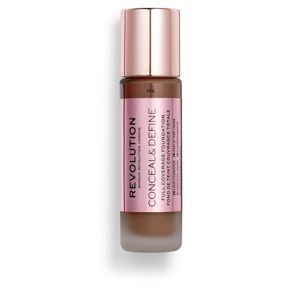
If you want a reliable place to start in the UK, brands like KIKO and Revolution keep shade ranges wide enough that you can actually find a true match, not just “a pink”.
Foundation and concealer dupes: the wear test you can do at home
Foundation “dupes” fail when women match coverage but ignore oxidation and separation. You don’t need a lab to catch both. You need daylight, a clean face, and a notebook.
Start with a half-face test for two days. Apply the “dupe” on one side and your usual base on the other. Use the same skincare underneath. If you change your moisturiser or SPF, you change the outcome.
Focus on three checkpoints:
- One hour: does it settle into pores or fine lines?
- Four hours: does it break around nose and mouth, or stay even?
- End of day: does it separate, cling to dry patches, or deepen in colour?
If your base keeps catching on dryness from October to March, look for a more forgiving base layer before you blame the formula. Many women do better with lighter Day Face Moisturisers under makeup in the morning, then add targeted hydration at night.
For concealer dupes, match undertone to your job. Under-eye brightening usually needs a touch of peach or pink. Spot concealing needs a true skin match. Mixing those goals creates that obvious “concealer triangle” effect, even with expensive products. For product browsing, it helps to separate your searches into Liquid & Cream Concealers by finish, then work backwards to shade.
Primers and “expensive skin” glow: look for texture, not sparkle
Many premium primers sell a vibe: smoother skin, softer focus, expensive glow. Dupes exist, but the trick is knowing what you’re actually chasing.
If you want blur, look for silicone-heavy formulas that fill micro-texture. If you want glow, look for fine pearl that reflects light without obvious shimmer. The cheapest “glow” primers often rely on larger mica particles, which can read sparkly in daylight.
Our tracker shows a timely premium restock worth noting: Guerlain Parure Gold Skin Double Veil rejuvenating Effect Skin-Caring Perfection Primer is back in stock at Cult Beauty at £52.80. That sits firmly in luxury territory, but it also sets the reference point for what “polished glow” feels like for many women.
If you plan to dupe a product like that, do it methodically. Apply a tiny amount over bare skin, then a tiny amount over moisturiser, then under foundation. Some primers only behave when they sit on hydrated skin. Others only work when they grip.
Also: don’t ignore SPF interaction. In the UK, a lot of women wear SPF daily in summer and sporadically in winter, which changes how a primer performs. If you need help selecting textures, browsing SPF Protection Products alongside your base products saves you from pilling surprises.
Lipstick and lip treatment swaps: choose comfort or staying power
Lip products dupe well because colour technology has filtered down. Where premium still holds an edge is in comfort-to-wear ratio, shade nuance, and packaging.
If you love the “soft matte, not tight” feel, the restock we mentioned matters. NYX Wedding Soft Matte Lip Cream at £5.25 at lookfantastic lands in that sweet spot where many women stop bothering with premium mattes for everyday wear.
For glossy comfort, our feed shows a standout under the low-price threshold: Ole Henriksen Pout Preserve Peptide Lip Treatment at £13.60 at Cult Beauty, rated 5.0/5. That sits above classic high-street balm pricing, but it often replaces the need for both balm and gloss. That’s how a “not cheap” product can still win value.
Technique makes a bigger difference than most women think:
- For sharper lipstick edges without lip liner: apply with a small concealer brush, then blot once.
- For longer wear: apply thin layer, blot, then apply again only at the centre.
- For comfort: add a peptide or balm layer after the first blot, then reapply colour lightly.
- For colour accuracy: check your lipstick in daylight before committing to a “dupe”. Indoor lighting lies.
When you browse, split your searches into Lipsticks versus treatments in Lip Balms & Creams. It stops you comparing products built for different jobs.
Skincare “dupes”: when to copy ingredients and when to pay
Skincare dupes can work brilliantly, but only when you respect formulation. Two products can share a hero ingredient and still feel different, because delivery systems and supporting ingredients change irritation risk and results.
Headlines this year have pushed “hero ingredients” hard—retinoids, peptides, acids. We agree with the principle, but we’d keep it practical: duplicate the function, not the marketing. If you already use a retinoid, you don’t need three more actives that do similar work.
Our tracker shows two No7 products that fit a sensible “dupe mindset” for hydration and barrier support: NO7 Good Intent Skin Sip Moisture Milk at £14.95 at no7 Beauty (rated 5.0/5) and NO7 Good Intent Dew Bank Water Cream at £14.95 at no7 Beauty (rated 5.0/5). Those prices sit in the accessible bracket, and the ratings suggest women respond well to the textures.
Then there’s SPF, where we rarely recommend cutting corners. Daily protection prevents the very issues most women try to “treat” later. If you want an affordable, easy step, our feed flags NO7 Good Intent Glow Guard Spf30 at £7.95 at no7 Beauty (rated 5.0/5) as a strong value option. Choose the finish that suits your base: dewy SPF under matte foundation can split, and matte SPF under dewy base can drag.
When does premium still make sense? Usually when you need a specific sensory profile you’ll actually use consistently, or when your skin reacts easily and you need fewer variables. If you’re shopping premium moisturisers, you can also keep an eye on luxury lows: 111SKIN Celestial Black Diamond Cream sits at £148.00 at lookfantastic at a 12‑month low, and Clé de Peau Beauté La Crème sits at £295.00 at lookfantastic, also at a 12‑month low. Those numbers won’t suit most budgets, but they show how far premium can drop when you time it right.
A UK dupe-shopping checklist that prevents regret buys
Most “dupe fails” share one cause: women buy on a single swatch photo. That’s not shopping, that’s gambling. A checklist sounds unglamorous, but it stops drawers filling up.
Use this before you hit checkout at Boots, Superdrug, or an online basket:
- Confirm the finish: matte, satin, radiant, or luminous. Words matter.
- Check the shade in multiple lights: daylight and indoor. If you can’t, buy from a retailer with easy returns.
- Read for wear clues: claims like “transfer-resistant” often correlate with higher film-former content and a drier feel.
- Compare volume: price-per-ml matters more in primers, foundations, and skincare than in colour cosmetics.
- Match to your base routine: if you wear SPF daily, prioritise compatibility over trend.
- Decide your “treat slot”: pick one category where you’ll pay for luxury packaging or scent, and dupe the rest.
If you want to keep browsing structured, start with the category pages and filter down. It’s faster than chasing viral lists. On GlamGeek, many readers begin with makeup for colour swaps, then move to skin care for function-led dupes.
One more practical move: track stock. Restocks often bring the best “known quantity” buys back into reach, which beats trying three random alternatives.
What this means for your makeup bag (and your budget)
Women don’t need a full high-street reset to save money. The smarter play is selective duplication: dupe the categories where the finish and shade technology has become widely available, and pay more only where you notice a real difference.
Based on what we see in UK pricing, the easiest wins usually sit in blush, lip colour, and everyday base products. Your “pay more” slots tend to be shade-perfect foundation matches, complex primers, and any skincare step you skip when the texture annoys you.
Use the data. This week, that looks like grabbing a reliable low-cost lip option (NYX at £5.25) and building comfort into your routine with a well-rated treatment (Ole Henriksen at £13.60). Then, if you’ve had your eye on a premium item for months, wait for a flagged low rather than paying full price out of frustration.
Which product are you most tempted to dupe next: blush, foundation, or lip colour—and what’s the one feature you refuse to compromise on?