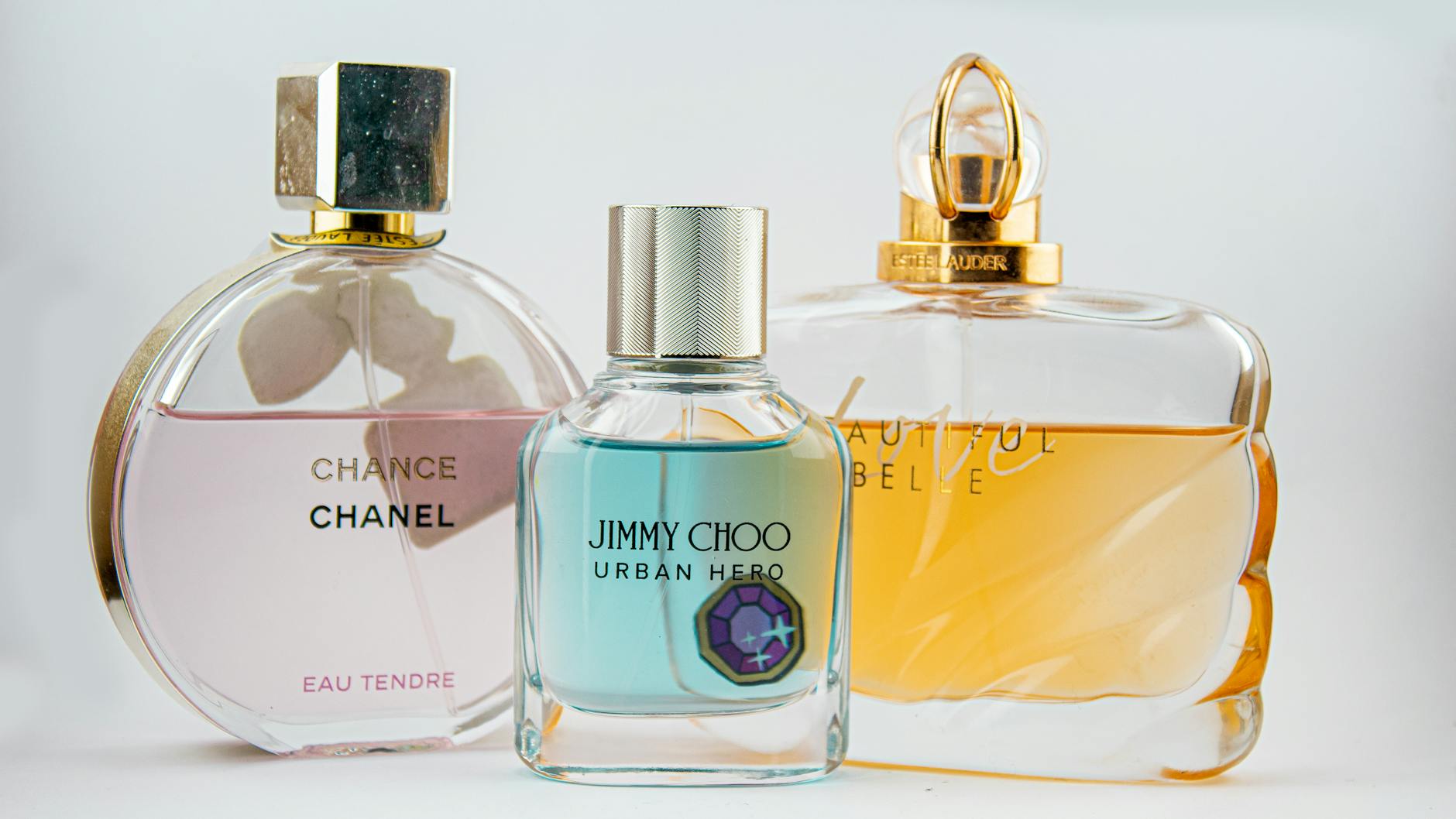
Our price tracker flags the same pattern every gifting season: women buy Eau de Parfum in greater numbers, yet retailers promote Eau de Toilette more often. Discounts move the dial, but concentration and wear matter more. If you want your scent to last through a workday, the bottle you pick will decide that.
Fragrance houses release both versions for a reason. Eau de Parfum (EDP) usually carries a richer mix that clings to skin longer. Eau de Toilette (EDT) feels lighter and suits quick spritzes, hot commutes, and office rules. That framing helps, but it skips nuance. Concentration, construction, climate, and skin all change the result. We cut through the noise with data, examples, and tactics you can use.
You will not find one right answer for every bottle. You will find a smarter way to choose.
Context: what changed and what still holds true
Since 2010, our feed across Boots, Superdrug, Space NK, John Lewis, Lookfantastic, and Beauty Bay shows a steady tilt toward EDP in hero launches. Brands lead with EDP when they want impact and build an EDT as a fresher flank. That does not make EDP “better” by default. It signals a different brief.
Discounting differs too. EDTs cycle through promotions more often, especially around Mother’s Day and Christmas sets. EDPs hold their RRP longer. Both formats still drop in seasonal events and clearance rounds, but EDPs tend to resist deeper cuts until a fragrance matures in the market.
Concentration ranges give the headline. Perfumers pack a higher percentage of aromatic compounds in EDP than in EDT. Broadly, EDP sits higher, EDT lower. Fixatives and the structure of notes then decide how that percentage performs. Your skin type and the weather finish the job.
{{IMAGE:woman applying perfume}}Concentration decoded: what sits inside the bottle
Fragrance concentration describes the percentage of aromatic materials in a blend of alcohol and water. EDP uses more of these materials than EDT. That extra load brings richer heart and base notes, more cling, and a slower fade. It does not always make the top notes stronger. Bright citrus can pop harder in EDT because the lighter base gives space for sparkle.
Perfumers design around evaporation. Top notes fly first. Heart notes carry the character. Base notes fix and linger. In EDP, heavier base materials like musks, woods, and resins push forward. In EDT, you get an airy feel because those same anchors sit lighter. That is why many EDTs read more casual and more daytime.
Concentration also governs how you read floral bouquets. A rose soliflore in EDP often feels velvety and tinted with patchouli or vanilla. The EDT might frame the same rose with citrus and green stems. Same theme, different lens. When you compare on counter, give each version 20 minutes to settle. The first five minutes tell only half the story.
Longevity and projection: not just hours, but reach
Longevity measures how long you smell a fragrance on skin. Projection measures how far that scent moves from you. People also call this sillage. EDP often wins on longevity and, in many cases, projection. The denser base slows evaporation and throws a wider scent field in the first hours.
Climate changes the result. UK winters with central heating favour EDP. Dry indoor air eats top notes, and heavier bases hold on better. Summer heat gives EDT an edge for comfort. Heat boosts projection, so a light EDT can feel present without choking a room. If you commute on the Tube in August, you will understand why a fresher take helps.
Skin decides more than you think. Dry skin “drinks” perfume faster. Apply an unscented body lotion first and spray on top to lock scent in. Oily skin tends to extend wear, especially for musks and woods. Hair also holds fragrance well, but avoid heavy spraying on processed hair. A light mist from arm’s length works better.
Price and value: what you pay versus what you get
Our price history shows EDP carries a higher ticket on average than EDT within the same line. You pay for concentration, complexity, and brand positioning. You can still buy smart. Promotion patterns favour EDT, so you may spot stronger percentage drops on that format. EDP discounts arrive less often, but you can still catch them in big retail events.
Think about cost per wear, not just cost per millilitre. If an EDP gives eight hours for two sprays, and an EDT gives three hours for four sprays, the EDP may work out better for your routine. Our product pages for Eau de Parfum Perfumes and Eau de Toilette Perfumes track prices across multiple retailers. Add the bottle to your wishlist and we will alert you when it drops.
Gift sets change the maths. Retailers often pair an EDT with a matching body lotion or a purse spray. An EDP set might include a travel size or a rollerball. Compare the contents, not just the bottle size. We see strong value in sets near peak gifting weeks, but stock moves fast. If you want a specific set, use our price alerts early.
Same name, different scent: how EDP and EDT diverge
Brands often build distinct formulas under the same name. The EDT might highlight citrus and herbs. The EDP might dial up vanilla, woods, or patchouli. The result can smell like cousins rather than twins.
Take Guerlain’s approach with feminine icons. The house treats concentration as a stylistic shift, not a single dial. Compare different versions on counter and you will spot it. If you love the woody-vanilla warmth in one blend, the EDT may push more lavender or citrus. Our Guerlain page gathers community feedback to help you spot these themes before you buy.
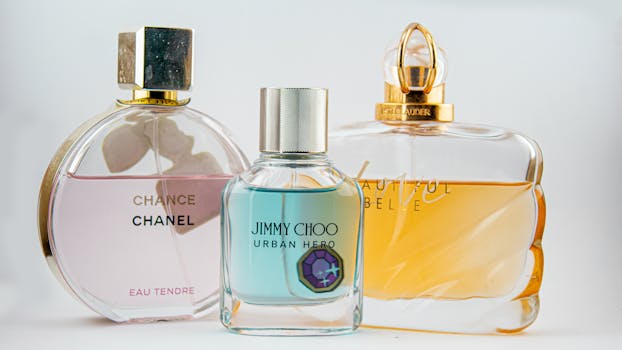
Many mainstream lines follow a similar pattern. Lancôme balances sparkle and sweetness in different concentrations. Fans of La Vie Est Belle often find the EDP richer, while the EDT wears easier for daytime. You can read user reviews and price swings for the house on our Lancôme hub. The same split shows at Estée Lauder with classics that lean richer as EDP and brighter as EDT.
Clinique and Shiseido keep cleaner, airier styles in many EDTs. Clinique Happy in lighter forms leans on citrus lift. A fuller concentration will pull the floral heart forward. Explore brand-level patterns and past reformulations on our pages for Clinique and Shiseido. If you like luminous musks, check houses that prize transparency. You can also scan Sisley and Avon for accessible EDTs that suit daytime wear.
When to choose EDP or EDT: match context to concentration
Workday in a shared office? Go EDT or a restrained EDP. You will still smell put-together, but you will not fill a meeting room. Two light sprays on the chest and one to the back of the neck give a pleasant aura that stays polite.
Date night or events that run late? Choose EDP. It clings through dinner, travel, and photos. Apply on pulse points and clothing for staying power. If your dress fabric marks, spray a light cloud in the air and walk through.
Summer city heat and travel favour EDT. Lighter materials feel cooler and rise off skin cleanly. UK humidity swings in August call for restraint. A spritz on hair and scarf can read fresher than loading wrists. In winter, heaters dry skin and flatten top notes. EDP shines in that season, especially if you love woods, amber, or vanilla.
If you get scent fatigue or migraines, pick EDT or look for gentle musks. Some houses use clean musks and iso-e type materials that hum at low volume and sit close. You will still smell good, but you will not overwhelm a small space.
{{IMAGE:perfume bottles flatlay}}Application that works: get the most from either format
Prep skin. Fragrance loves moisture. Use an unscented cream on chest and arms. Then spray. You will trap aromatic materials and extend wear without upping spray count. You can find options in our Body Creams and Body Lotions sections.
Target pulse points. Two sprays on chest, one on the back of neck, and one on hair from arm’s length cover most needs. For EDT, add one on the scarf or sleeve. Do not rub wrists. Friction warms and evaporates top notes faster. Let the mist settle.
Layer with care. If the brand offers a matching lotion or shower gel, you can extend wear without cranking volume. Check Shower Gels & Body Washes if you like a full routine. For hair, mist the air and move through. Oils and alcohol can stress processed hair if you spray close.
Ingredients that steer performance
Volatile citrus oils lift faster and fade faster. Think bergamot, lemon, grapefruit, and petitgrain. EDT versions often lean on that lift, which makes them sparkle, then soften quickly. EDP versions carry more heart and base materials which slow the fade and add warmth.
Musks choose how close the scent sits. Clean white musks hug skin and feel soft. Heavier musks expand projection. Woods and ambers extend wear and add weight. If you love a whisper-soft trail, look for white musks and airy woods in the note list. If you want presence, check for ambery woods, patchouli, and resin notes.
Modern aroma chemicals hold the scaffolding. Ambroxan, Iso E Super, cashmeran, and various captive molecules give lift and diffusion. EDP formats often include a larger dose of these fixatives. That choice drives the longer trail. It also sets the dry-down character, which you notice in hours five to eight more than the opening.
Reformulation, batches, and the reality of change
IFRA standards, sourcing, and brand strategy can shift a formula over time. You may notice an EDT that used to last longer now reads lighter, or an EDP that sits closer than memory suggests. Our community notes these shifts on brand pages. Scan recent reviews on Estée Lauder, Guerlain, and Clinique if you are restocking a signature and want a current take.
Batches vary. Natural materials swing with harvests. Age and storage also matter. Keep bottles cool and away from light. A drawer beats a sunny shelf. Avoid the bathroom in winter because heat and steam stress the juice. Close caps tightly to limit evaporation.
If you chase an older bottle, buy from trusted retailers. We monitor listings and show authorised stockists. Use our price comparison to spot a fair deal, then verify return terms before you check out.
How to test and shop smarter
Test both concentrations side by side on skin, not just paper. Spray one on each wrist. Wait 20 minutes. Then check again after two hours. The opening can mislead, especially with bright EDTs. The two-hour mark reveals the heart, which sells the story.
Wear through a full day. Many counters offer samples when stock allows. If not, look for discovery sizes or sets. Some brands, including Sephora Collection and The Body Shop, offer minis that help with trial. Sample smarter when you can. It saves money and regret.
Use GlamGeek to track pricing and reviews in one place. Add candidates to your wishlist. We track price moves across Boots, Superdrug, Space NK, John Lewis, Lookfantastic, and Beauty Bay. You get an email when a price drops or a set reappears. Compare EDP and EDT on the same page to see patterns in feedback and promotions.
EDP vs EDT in popular styles: florals, gourmands, and fresh
Florals behave differently by concentration. A bouquet with rose, jasmine, and patchouli can turn plush and glowing in EDP. The EDT may swap depth for petal brightness and green lift. That suits spring days, brunches, and office wear. The EDP steps in for evening and cold weather. If you love French houses, check brand pages for Lancôme and Guerlain for clear examples.
Gourmands and ambery scents thrive in EDP. Vanilla, tonka, praline, and amber last longer with extra fixatives. The EDT of the same theme may sit closer and read cleaner, which many women prefer for daytime. EDP often carries that dessert glow into night without heavy resprays.
Fresh citrus, green, and aquatic styles often excel in EDT. Those materials want air and lift. The EDP take on a fresh theme can feel denser, with musks and woods doing more work. If you want sparkling brightness that breathes, the EDT likely serves you better. If you need the same style to last through a shift, the EDP version might layer better over lotion and fabric.
Layering and wardrobe building: make both work for you
You can own both and use them differently. Wear the EDT to set a fresh base in the morning. Add two light sprays of EDP before an evening plan. That approach avoids overload because you target pulse points and keep counts low. You also enjoy the full arc of the scent from sparkle to warmth.
Build a small wardrobe in one family if you like cohesion. A clean musk EDT for gym and errands. A floral EDP for dinners. An amber EDP for winter. A citrus EDT for summer. Swap by season and plan, not mood alone. You will use bottles faster and waste less.
Travel sizes help with this plan. Many lines offer travel sprays or rollerballs. Some sit in Skin Care Sets or mixed fragrance sets during peak gifting. Add them to your wishlist and we will flag restocks and promos.
Price quirks across UK retailers
Boots and Superdrug run regular fragrance offers and points events. Department stores like John Lewis focus on bundles, exclusives, and classic counters. Space NK and Lookfantastic often host brand-led events and tiered discounts. Beauty Bay carries select niche and online exclusives. EDP sits firmer on price but still features in event weeks. EDT sees deeper promotional swings more often.
Our pages log these moves. Before you buy, check the product on GlamGeek. You may find one retailer that runs a weekend code while another sits at full RRP. The difference can decide whether you upsize to a larger bottle or grab a travel spray. If a bottle goes out of stock, set an alert. You will catch the next drop without refreshing pages.
Watch for refill options. Some houses offer refills in EDP formats. Refills change the cost picture over time, especially for daily wear. If you love a signature and finish bottles fast, a refill system pays off.
What this means: a smarter way to choose
Start with context. Think about your routine, your spaces, and your climate. Choose EDT when you want brightness and restraint. Pick EDP when you want depth and time. Compare the two on skin, not just in the air. Give them time to settle. Read reviews to spot brand patterns and reformulations.
Buy with data. Use our pages for Eau de Parfum Perfumes and Eau de Toilette Perfumes to see price history and retailer coverage. Add your shortlist to a wishlist and wait for a code, a bundle, or a restock. That small pause often saves you money or gets you a set with extras.
Treat concentration as a tool, not a rank. Both formats serve strong roles. EDP brings body and endurance. EDT brings air and lift. Build your wardrobe with that in mind and you will reach for each with confidence.
Tell us how you wear it
Do you prefer the sparkle of EDT or the staying power of EDP? Which bottles worked best in UK winters or on sticky summer commutes? Share your picks and add them to your GlamGeek wishlist. We will keep watch on prices and ping you when a deal lands.