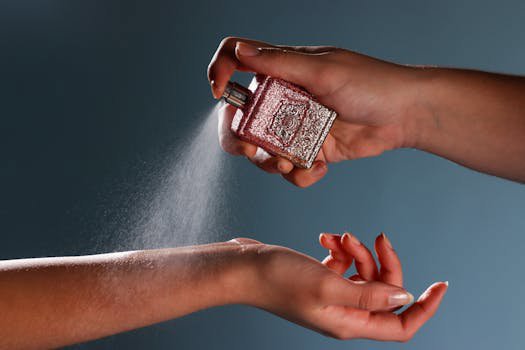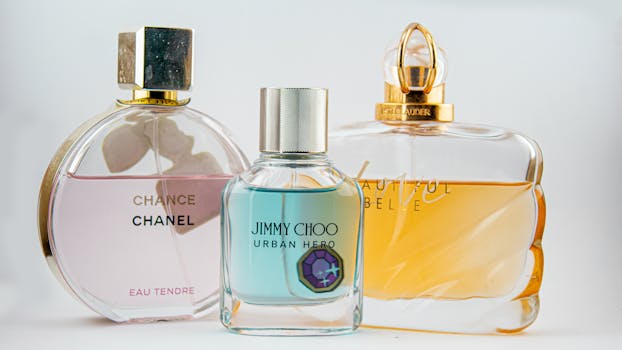

“Micro-batch summer perfumes” sounds like pure marketing until you look at what’s really happening: more brands now release scents in smaller runs, with faster sell-through, tighter restocks, and fewer discounts.
That shift changes how women in the UK should shop fragrance. If you wait for the usual end-of-season price drop at Boots, John Lewis, Space NK or Cult Beauty, the bottle you wanted may simply vanish. Not reduced. Gone.
We’ve tracked beauty pricing across major UK retailers since 2010, and the clearest pattern with newer, buzzier launches sits outside price. It sits in stock. Micro-batch launches behave more like limited makeup drops than classic fragrance rollouts, so your buying rules need an update.
Why micro-batch fragrance is trending (and why it feels different)
Trend Hunter’s “Micro-Batch Summer Perfumes” headline fits a wider mood in 2026: shoppers want scent that feels personal, not mass.
Micro-batch usually means a brand produces smaller quantities per production run. That can happen for practical reasons (smaller manufacturers, fewer supplier commitments, limited access to certain naturals) or for brand reasons (scarcity, a tighter edit, more “drop” energy). Either way, the consumer experience shifts.
Classic fragrance launches aim for long shelf life. You get testers for months. Department store counters keep the line visible. Discounting follows a predictable rhythm. Micro-batch scents often skip that rhythm. Retailers may stock fewer units, and the brand may not guarantee a long replenishment cycle.
For UK shoppers, that matters because we rely on trying before buying. We like a Boots spritz, a Space NK wander, a John Lewis counter moment. With micro-batch launches, you may have to decide from notes, reviews, and a sample set rather than repeated in-store wear tests.
Our view: micro-batch can be brilliant, but it’s not automatically “better”. Small-run does not equal higher quality. It often equals higher urgency.
What our price tracker suggests: scarcity beats discounts
When micro-batch scents rise, the biggest “deal” risk isn’t paying full price. It’s paying full price for a perfume you can’t return, because you rushed the decision.
Across our merchant feed, the most dramatic price action this week sits in haircare and tools, not fragrance. Alter/native By Suma shampoos and conditioners dropped from £52.00 to £5.99 at Natural Collection (88% off). That type of drop happens when stock needs to move. Micro-batch fragrance rarely ends up in that situation.
Instead, micro-batch perfume tends to do three things:
- It holds price for longer because there’s less inventory pressure.
- It pops in and out of stock, which pushes shoppers into panic-buying.
- It shifts value to minis and discovery sets because you need more “trial” per pound.
We still see luxury beauty hit 12-month lows, but that’s usually established, high-ticket skincare where retailers compete on margin. This week, for example, 111SKIN Celestial Black Diamond Cream sits at £148.00 at lookfantastic (lowest in 12 months), and Clé de Peau Beauté La Crème sits at £295.00 at lookfantastic (lowest in 12 months). Those are big numbers, but they also show how discounting behaves when supply stays steady and retailers fight for baskets.
Micro-batch perfume does not play by the same rules. So the smart approach focuses less on “waiting for a sale” and more on “buying the right format at the right time”.
How to “try” a micro-batch scent without wasting money
UK returns culture helps with many categories, but fragrance remains tricky. Once opened, many retailers won’t take it back. Micro-batch hype can turn that into an expensive mistake.
We’d use a three-step wear test. It sounds fussy. It saves money.
Step 1: Start with a discovery format if it exists. Some brands offer sample kits directly, and retailers sometimes bundle minis in Skin Care Sets-style edits, but for fragrance. If there’s no official sample, look for a mini size rather than a full bottle.
Step 2: Test on fabric and skin. Skin chemistry changes projection, but fabric reveals the true “backbone” of a scent. Spray a scarf or the inside of a cardigan. Then spray your wrist. Check both after 30 minutes and again after 4–6 hours.
Step 3: Heatwave-proof it. UK summers now swing between damp and suddenly sticky. A scent that feels clean in air-con can turn syrupy on a packed train. If it smells too sweet when you’re warm, it will bother you more than you think.
If you love the scent after this, then buy the bottle. If you only like the opening, keep your money. Micro-batch fragrances often market a dramatic top note to win the first sniff.
Reading notes like a grown-up: sweet-savoury, musks, and “skin scents”
Several of the headlines you shared lean into “summer scents” lists and the sweet-meets-savoury trend. That’s useful, because it maps neatly to what we see women actually finishing: easy musks, modern gourmands, and fresh-but-not-soapy florals.
Here’s how to decode common micro-batch note structures without falling for copywriting.
Sweet-meets-savoury often means a gourmand (vanilla, caramel, tonka) gets tension from salt, herbs, tea, or a woody amber base. It can smell addictive. It can also feel heavy in UK humidity. If the notes mention “salt”, “sesame”, “tea”, “thyme”, “saffron”, or “smoke”, expect a stronger base and test carefully on fabric.
Modern musks get described as “your skin but better”. That can mean clean laundry. It can also mean a sharp, peppery synthetic musk that clings to knitwear. If you get headaches from some Eau de Parfum Perfumes, musks deserve extra caution.
Solar florals sell the idea of sunshine. In practice, they often mix white florals with creamy coconut, ylang-ylang, and amber. Those can feel glamorous. They can also read “suntan” fast. If you already use coconutty body products, layer carefully to avoid overload.
We also see a lot of “molecular” language in newer launches. It usually means the brand uses aroma-chemicals that create airy diffusion. That can be beautiful. It can also smell flat if you want traditional rose, jasmine, or iris structure.
Buying rules for the UK: where to shop, and what to check
Micro-batch doesn’t always land on the high street first. It often appears via niche retailers, brand sites, and curated platforms. That can make price comparison harder, and it makes delivery and returns more important.
We’d check five things before clicking “buy”:
- Concentration and size. Eau de parfum vs extrait matters, but size matters more. Don’t buy 100ml blind.
- Shipping and storage. Fragrance hates heat. Check if your parcel may sit in a warm depot. If you can choose delivery days, avoid the hottest day of the week.
- Batch transparency. Micro-batch brands sometimes publish batch info. If they do, keep it. It helps if a formula shifts later.
- Return policy for opened fragrance. Many retailers refuse. Assume you can’t return it once sprayed.
- Availability of matching body products. A body lotion can extend wear, but it can also lock you into a scent you may tire of.
For women who prefer shopping with familiar customer service, Space NK and John Lewis can feel safer for premium fragrance. Boots can work well for mainstream scents, while Cult Beauty often carries trend-forward launches. If you want to compare more widely across categories while you shop, our category pages for Eau de Toilette Perfumes and EDP help you see how pricing clusters by retailer.
One more rule: don’t let “limited” override “like”. Scarcity often masks a scent that feels generic after the first week.
How to build a summer fragrance wardrobe without buying five bottles
Most women don’t need a shelf of full bottles for summer. You need coverage across situations. Micro-batch trends encourage collecting. We’d resist that.
Use a three-lane approach, then buy minis where possible.
Lane 1: Daytime clean. Look for citrus, watery florals, light woods, or gentle musks. These suit office days, errands, and close-contact spaces.
Lane 2: Evening glow. This is where sweet-meets-savoury works best. If you want a gourmand, choose one with a dry-down that feels woody rather than sugary.
Lane 3: Mood scent. Something a bit odd: green, smoky, tea-like, peppery, or skin-scent intimate. This lane scratches the “micro-batch” itch without becoming your daily default.
If you want to add “supporting players” without buying more perfume, use your body care. A neutral Body Lotions base helps fragrance sit more evenly, especially when indoor cooling dries your skin out. If you go scented, keep it in the same family as your perfume so they don’t fight.
We also see women leaning into lip products as “portable mood”. If you keep a signature lip in your bag, you can wear a simpler scent and still feel put-together. A peptide lip option can do double duty here: Ole Henriksen Pout Preserve Peptide Lip Treatment sits at £13.60 at Cult Beauty in our feed, which makes it a lower-risk add-on than blind-buying another bottle.
Don’t ignore skin and hair when you want your perfume to last
Perfume performance often gets blamed on the formula. In reality, skin condition and hair texture do a lot of the work.
Dry skin “drinks” top notes fast. In the UK, indoor heating from autumn to early spring dries skin out, and many women forget that summer air-con can do the same. A light moisturiser on pulse points helps scent last longer and smell smoother.
If you want a budget-friendly hydration step, our tracker shows two NO7 moisturisers with strong ratings right now: NO7 Good Intent Skin Sip Moisture Milk at £12.71 at no7 Beauty (rating 5.0/5), and NO7 Good Intent Dew Bank Water Cream at £12.71 at no7 Beauty (rating 5.0/5). We like the idea of using an unscented face moisturiser on the neck area if it suits your skin, rather than layering heavily scented body creams that distort the perfume.
Hair holds scent for longer than skin, but it also holds onto smoke, cooking smells, and city air. If you spray hair, spray a brush or mist into the air and walk through it. Direct spraying can dry hair if you overdo it.
This is also where deals in other categories can support your fragrance habits. The 88% off Alter/native By Suma shampoos and conditioners at Natural Collection (now £5.99 each, down from £51.99–£52.00) make it cheaper to keep hair feeling fresh, which makes your perfume smell cleaner for longer. If you shop those, match them with the right hair category: compare options in Moisturising & Nourishing Shampoos and Moisturising & Nourishing Conditioners when you’re building a basket.
When to buy now vs wait: a practical micro-batch calendar
With mainstream fragrance, waiting can pay. With micro-batch, waiting can backfire. The right answer depends on what kind of scent it is and how you plan to wear it.
Buy now if:
- You’ve sampled it twice and still want it.
- It’s clearly a seasonal release and you want it for the next 6–8 weeks.
- The brand signals limited restocks, or the retailer shows low stock.
- You only want a travel size and it’s already hard to find.
Wait if:
- You only like the opening.
- You’re chasing a trend note (salted vanilla, “skin musk”, solar coconut) rather than loving the composition.
- You already own something similar and you’re bored, not empty.
- You’d need to blind-buy a large bottle.
We’d also use a “basket test”. Add the perfume to your basket, then go price-check two staples you actually need. This week, Nuxe 3-In-1 Hydrating Micellar Water sits at £13.50 at lookfantastic (rating 5.0/5) in our feed, and NO7 Good Intent Glow Guard Spf30 sits at £6.76 at no7 Beauty (rating 5.0/5). If your essentials look pricey, the perfume may not be the smartest spend this month.
For women who enjoy tools, not just products, watch for rare value moments. T3 Volumising Hot Rollers Luxe sits at £15.00 at lookfantastic (lowest in 12 months) in our tracker right now. That kind of deal changes a routine more than a fifth new summer scent.
What this micro-batch trend means for UK shoppers
Micro-batch fragrance makes shopping feel exciting again, but it also pushes faster decisions. If you respond by buying full bottles quickly, you’ll spend more and finish less.
The practical answer: treat fragrance like makeup. Sample first. Buy smaller sizes. Keep one “clean”, one “evening”, and one “mood” scent, then stop. When you want novelty, swap a lip or a body product rather than another bottle.
From a pricing standpoint, our data suggests a simple rule: look for steep discounts in categories that discount steeply (haircare, tools, some skincare), and don’t expect micro-batch perfume to behave the same way. If you see a scent you love and you’ve tested it properly, the best price may be “available at all”.
Over to you
Are you drawn to micro-batch scents because you want something more personal, or because the drop-style marketing makes it feel urgent?
If you share the note families you usually wear (citrus, musks, gourmands, florals, woods), we can suggest a simple three-lane wardrobe plan that fits UK weather and avoids duplicate buys.