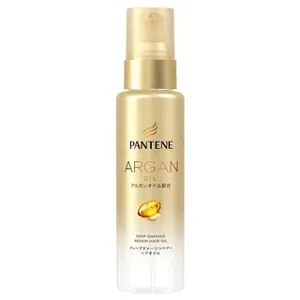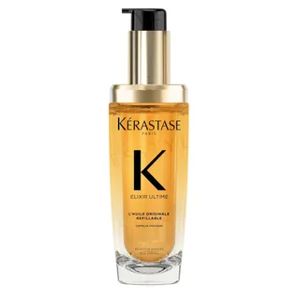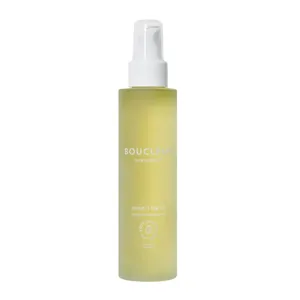
Hair oil and hair serum often get lumped together because they both promise shine and smoother lengths. The real difference sits in what they’re built from, how they behave on hair, and what problem they solve first.
Hair oils lean on oils (and oil-like emollients) to soften, lubricate and add gloss. Serums often lean on silicones and lightweight film-formers to smooth the cuticle, add slip and reduce frizz, sometimes with heat protection. Many modern “oils” blur the line, because they mix oils with serum-style smoothing agents.
This guide breaks down those differences in plain English, then shows how to choose a hair oil that gives you the “serum effect” without the wrong kind of weight.
The basics: what hair oils and hair serums actually are
Hair oil usually means a leave-in product where the main conditioning feel comes from oils (like argan) or oil-like emollients. Oils sit on the surface and in the cuticle layers, boosting shine and reducing friction. That friction point matters: less friction often means less breakage during brushing and styling.
Hair serum usually means a leave-in smoothing product built around silicones (or similar slip agents) and polymers. Those ingredients form a thin, even film that helps hair look sleeker and feel less rough. Many serums also act like a “top coat” against humidity.
In practice, shoppers see overlap. Plenty of hair oils now include smoothing agents for a lighter finish, and plenty of serums include a little oil for softness. The label helps, but the texture tells the truth.
One more key point: neither oil nor serum “repairs” hair back to virgin condition. They improve the look and feel, help prevent damage, and make styling easier. That’s still valuable.
Ingredients: oils, silicones, and why texture changes everything
When people say “oil feels heavy” or “serum feels slippery”, they’re describing ingredient families.
Oils (argan, coconut, etc.) bring richness and shine, but they can also build up if you over-apply. They work well on coarse, dry, or textured hair because those hair types often tolerate (and benefit from) more emollience.
Silicones and film-formers (common in serums) spread easily, coat evenly, and can deliver a strong smoothing effect with very little product. That’s why serums often suit fine hair or humidity-prone frizz. The trade-off: some people dislike the feel, and some routines need a stronger cleanse to avoid dulling over time.
Several hair oils in our tracked catalogue clearly sit on the “oil-meets-serum” spectrum. For example, Moroccanoil Treatment (from £12.25) markets itself as a styling, finishing and conditioning oil that absorbs quickly, eliminates frizz and detangles. That “styling + finishing” positioning often signals a lighter, more spreadable formula than a pure botanical oil.
Likewise, Moroccanoil Oil Treatment Light (from £12.30) targets fine and light-coloured hair and focuses on frizz reduction with a fast-absorbing feel. That’s essentially the serum shopper’s wish list, delivered in an “oil” format.
Then you have oils that lean into sensorial finish and shine. Kérastase Chronologiste L'Huile De Parfum (from £9.41) centres fragrance plus visible radiance, with myrrh extract mentioned in the brand description. It reads like a final-step gloss product.
Benefits compared: shine, frizz, and heat protection (what to expect)
Most shoppers buy oil or serum for one of three reasons: shine, frizz control, or protection during styling. You can get all three, but you rarely get them equally from one product.
Shine: Oils excel at “light-catching” gloss because they smooth the surface and add lubrication. If your hair looks dull, a small amount on mid-lengths and ends often gives the quickest cosmetic payoff. For colour-treated hair, shine can also make colour look fresher between appointments.
Frizz control: Serums often win in damp UK weather because film-formers help block humidity spikes that puff up hair. But certain oils deliver strong anti-frizz results too, especially when applied to damp hair and distributed evenly. Kérastase Discipline Oleo-Relax Oil (from £39.95) calls itself a “control-in-motion oil” for voluminous and unruly hair, with less frizz and increased smoothness after a few drops. That’s a classic frizz-first brief.
Heat protection: Many serums position themselves as heat protectants, and some oils do too. In our product list, the clearest heat claim comes from Bumble and bumble Hairdressers Invisible Oil Heat/UV Protective Primer (from £12.00). The description calls it a multitasking leave-in primer that hydrates, reduces frizz, softens and adds shine, while helping provide nourishment and smoothing.
If you want one step before blow-drying, that primer-style oil often makes more sense than a rich finishing oil. It behaves like a serum in routine placement, even though it sits in the hair oil category.
One more reality check: heat protection depends on using enough product and applying it evenly. A single drop on the ends won’t protect the rest of the hair you’re actually heating.
Hair type and texture: choosing an oil that behaves like you need
Most “oil vs serum” frustration comes from mismatch. Fine hair buys a rich oil and looks limp. Coarse hair buys a featherlight serum and still feels rough.
Fine hair: Look for lightweight, fast-absorbing oils and use tiny amounts. Moroccanoil Oil Treatment Light (from £12.30) explicitly targets fine hair. Also consider oils marketed as “lightweight” such as Kérastase Elixir Ultime L'Huile Legere Hair Oil (from £23.20), which the brand positions as a leave-in oil that delivers softness and nourishment for dull hair.
Medium to thick hair: You can usually handle richer textures and slightly higher dosing. If frizz dominates, Kérastase Discipline Oleo-Relax Oil (from £39.95) fits the “unruly hair” brief. If you want a versatile oil that covers detangling and finishing, Moroccanoil Treatment (from £12.25) states those benefits directly.
Curly and coily hair: Oils often work best when you apply them on damp hair to lock in moisture and reduce friction. For scalp-to-length routines, Mielle Organics Rosemary Mint Scalp & Hair Strengthening Oil (from £4.35) positions itself as a nutrient-rich, intensive formula that supports length retention and nourishing hair. That makes it a different tool than a pure “shine drop”.
Colour-treated hair: Oils that focus on shine and colour care fit well here. Kérastase Chroma Absolu Hair Oil Huile Chroma Éclat (from £29.00) explicitly targets coloured hair and mentions Centella Asiatica, with long-lasting shine and colour-preserving positioning.
Shopping tip: UK retailers often stock different sizes. Boots and Lookfantastic frequently carry travel sizes of popular oils, which lowers the risk if you’re unsure.
Routine logic: how to use hair oils like a serum (and when to layer)
Serums usually sit in a routine as a “before styling” smoother or a “finish” gloss. Hair oils can do both, but you need to pick the right oil and apply it with intention.
Use oil as a pre-styler (serum role): Apply to damp hair after washing. Start with 1–2 drops for fine hair, 2–4 for thicker hair. Rub palms together, then smooth from mid-lengths to ends. Comb through. Then blow-dry.
If heat and UV protection sits high on your list, Bumble and bumble Hairdressers Invisible Oil Heat/UV Protective Primer (from £12.00) matches that pre-styling slot. It also claims frizz reduction and shine, which helps you skip extra steps.
Use oil as a finisher (classic oil role): Apply on dry hair to tame flyaways and add gloss. This is where fragrance-forward oils shine. Kérastase Chronologiste L'Huile De Parfum (from £9.41) fits the “finishing touch” claim in its description, with a focus on visible radiance.
Layering oil with a serum: Many people layer serum then oil. This guide stays strictly in hair oils, but the routine principle still helps: treat your lightest texture like the base layer and your richest texture like the top coat. If your oil already behaves like a primer, don’t stack more on top unless your ends still feel rough.
Where do shampoos and conditioners come in? They set the baseline. If your hair feels dry all the time, look at your wash products under Moisturising & Nourishing Shampoos and Moisturising & Nourishing Conditioners, then use oil as the final polish.

Picking the right hair oil for your goal (with tracked UK starting prices)
If you came here for “oil vs serum”, you likely want one product that behaves predictably. These hair oils cover the most common goals, using only products we track in this category.
1) For frizz control that still feels like hair (not product)
Kérastase Discipline Oleo-Relax Oil (from £39.95) targets voluminous and unruly hair, and promises less frizz and increased smoothness after a few drops. The refillable angle also suggests it’s a long-term staple rather than a one-off.
Budget-aware alternative: Moroccanoil Treatment (from £12.25) calls out frizz reduction, detangling, and volumising. That multi-claim profile suits people who want fewer bottles.
2) For fine hair that gets greasy easily
Moroccanoil Oil Treatment Light (from £12.30) exists for this exact problem: fine and light-coloured hair, with an argan oil-rich formula that absorbs quickly and tackles frizz.
If you prefer the “luxury oil” route but still want lightweight feel, Kérastase Elixir Ultime L'Huile Legere Hair Oil (from £23.20) positions itself as a leave-in oil for dull hair, delivering softness and nourishment.
3) For colour-treated shine that doesn’t fade your look
Kérastase Chroma Absolu Hair Oil Huile Chroma Éclat (from £29.00) targets coloured hair and highlights long-lasting shine, with Centella Asiatica mentioned in the description.
4) For pre-styling protection and “primer” behaviour
Bumble and bumble Hairdressers Invisible Oil Heat/UV Protective Primer (from £12.00) sits closest to what many people mean by a serum: a multitasking leave-in that hydrates, reduces frizz, softens, adds shine, and supports smoothing during styling.
5) For scalp-to-length routines focused on strength and retention
Mielle Organics Rosemary Mint Scalp & Hair Strengthening Oil (from £4.35) frames itself around longer, stronger, healthier hair and length retention. That makes it a different category of “oil use” than a glossing finisher.
Price note: GlamGeek price tracking often shows wide swings by retailer and size, especially between high-street and salon channels. Checking Boots, Cult Beauty, Lookfantastic and Space NK on the same day can reveal meaningful gaps.
Application tactics that prevent the classic oil mistakes
Most oil disappointments come from two things: too much product, or the wrong placement.
Use the “two-zone” rule. Zone 1: mid-lengths and ends, where hair needs lubrication and shine. Zone 2: the very top layer and hairline flyaways, where you only use the residue left on your hands. That keeps hair glossy without collapsing volume.
Try “damp first, dry last”. If you want the serum-style smoothing effect, apply a small amount to damp hair before heat styling. If you want the oil-style shine, add half a drop to dry ends after styling. Split the dose instead of dumping it all at once.
Comb it through. Oils work best when they distribute evenly. A wide-tooth comb after application reduces patchy heaviness and increases shine consistency.
Adjust for UK weather. Indoor heating from autumn to early spring can make ends feel brittle, which tempts people to over-apply oil. Instead, apply a small amount more often, and prioritise pre-styling application so hair dries smoother.
Finally: if your hair starts to look dull, don’t keep adding oil. Reset with a thorough wash, then go back to smaller amounts.
Quick decision guide: oil, serum, or an “oil-serum hybrid”?
If you want a simple rule, use this: choose based on your main complaint, not the marketing name.
- You want glassy shine and softer ends: pick a finishing-friendly oil like Kérastase Chronologiste L'Huile De Parfum (from £9.41) or a versatile classic like Moroccanoil Treatment (from £12.25).
- You fight frizz in humidity: pick an anti-frizz focused oil like Kérastase Discipline Oleo-Relax Oil (from £39.95), and apply it to damp hair for better spread.
- You style with heat often: choose a primer-style oil like Bumble and bumble Hairdressers Invisible Oil Heat/UV Protective Primer (from £12.00) and treat it like your “serum step”.
- You have fine hair and fear grease: start with Moroccanoil Oil Treatment Light (from £12.30) and keep dosing microscopic.
- You focus on scalp and length retention: consider a targeted option like Mielle Organics Rosemary Mint Scalp & Hair Strengthening Oil (from £4.35), used with care to avoid overloading roots.
- You colour your hair and want shine that flatters colour: look at Kérastase Chroma Absolu Hair Oil Huile Chroma Éclat (from £29.00).
Where do other beauty categories fit? They don’t, day to day. But if you’re building a capsule routine, GlamGeek categories make it easier to keep shopping organised: hair care for essentials, then skin care and makeup when you need them.
Practical tips you can use today (no extra products required)
Do a one-wash “calibration”. Next wash day, apply your oil only to damp hair, then style. Don’t add any extra on dry hair. If hair still frizzes, you likely need a more primer-like oil (think Bumble and bumble). If hair looks limp, you used too much or you need a lighter oil (think Moroccanoil Light).
Measure in drops, not pumps. Drops force restraint, which fine hair needs. For thicker hair, you can scale up, but keep it controlled. If you can feel oil on your fingers after application, you probably applied more than your hair can absorb.
Use your hands like a tool. Warm oil between palms, then smooth downwards. Avoid scrunching it into the roots unless the product targets scalp use and you plan to wash it out.
Save a half-drop for the very end. After styling, touch the ends only. That last micro-layer often gives the “serum shine” effect without the serum feel.
Which camp do you fall into: team pre-styling primer, or team finishing gloss? And what’s your main issue right now—frizz, dullness, or heat damage?