Hair serums and hair oils often promise the same things—shine, smoothness, less frizz—so it makes sense that shoppers treat them as interchangeable.
They aren’t. In practice, a hair serum behaves more like a targeted “finish” or “treatment” layer (often lightweight, sometimes silicone-based, sometimes scalp-focused), while a hair oil usually behaves like an emollient lubricant and shine booster that can also reduce moisture loss. The results can look similar, but the route there (and the best use cases) differ.
This guide breaks down the ingredient logic, what each is best for, and how to choose—then we’ll map those needs to specific hair serums you can price-compare across UK retailers.
1) The basics: what counts as a hair serum (and what doesn’t)
In UK retail, “serum” usually means a leave-in product with a concentrated purpose. That purpose can be smoothing, heat protection support, scalp comfort, anti-dandruff action, or the look of thicker hair.
Some serums feel like a light gel. Others feel like a thin lotion. A few blur into “oil” territory in name, but they still sit in the serum category because they target a specific function and come with serum-style directions and dosing.
Hair oils, by contrast, typically centre on lipids (oils) as the main event. Oils excel at lubrication (less roughness), shine, and helping slow down moisture loss from the hair fibre. But oils don’t always play nicely with fine hair, and they don’t always solve humidity frizz on their own.
One useful way to think about it: serums often solve behaviour (flyaways, humidity response, fragile lengths, scalp imbalance). Oils often solve feel (dryness, roughness, lack of slip). Plenty of routines use both, but not always on the same day.
If you’re also shopping other categories, treat this like you would Anti Ageing Face Serums: concentrated, targeted, and best used with a clear goal. Just… for hair.
2) Ingredient differences: silicones, humectants, acids, and peptides
Marketing loves to keep this vague. Ingredient lists don’t.
Smoothing and humidity control in many classic serums often comes from film-formers and silicones. These sit on the hair surface, reduce friction, and slow water vapour movement. That matters in the UK, where damp air can turn “fine” into “fuzzy” in minutes.
Hydration-focused serums often lean on humectants such as hyaluronic acid (which binds water). These can help hair feel softer and look bouncier, but they also need smart styling: too much water-binding in high humidity can backfire for some hair types.
Scalp serums often include exfoliating or anti-flake actives (like salicylic acid) and microbiome-supporting ingredients (like bifidus). Oils can feel soothing on scalp, but they don’t target dandruff triggers in the same direct way.
Density and growth-look serums tend to use peptide complexes and blends designed to support the look of fuller hair. Oils can reduce breakage through lubrication, but they won’t usually target “density” claims.
- Peptides / complexes: seen in The Ordinary Multi-Peptide Serum For Hair Density (from £13.45), which includes REDENSYL™ complex in the described formula.
- Scalp exfoliation + anti-dandruff: Kérastase Symbiose Intensive Anti-Dandruff Cellular Night Serum (from £42.30) lists salicylic acid and piroctone olamine, plus bifidus.
- Humectant repair support: Kérastase 2% Pure Hyaluronic Acid Scalp & Hair Serum (from £45.33) focuses on hyaluronic acid at macro and micro sizes in the description.
Where does that leave “oil-serums”? A product can include oils and still behave like a serum if it spreads fast, doses small, and targets a specific outcome like anti-breakage or night repair.
3) Results in real life: frizz, shine, and heat—what performs best
Most people buy these for one of four reasons: frizz control, shine, heat styling, or damage repair.
Frizz control: serums often win when humidity triggers frizz, because many smoothing serums use technologies that repel moisture and reduce static. For thick or coarse hair types, Living proof. Living Proof No Frizz Smooth Styling Serum (from £30.74) sits squarely in that lane, with a highly concentrated smoothing focus and humidity-repelling claims in the description.
Shine: oils give instant gloss, but some serums also give a polished finish without the “oil weight”. If you want shine plus a sleeker surface, a serum designed for a sleek finish makes more sense than chasing gloss alone. Kérastase Sérum Chroma Thermique (from £27.24) comes in a set described as shine-enhancing and sleek-finish focused.
Heat styling: if you blow-dry or use irons, the goal isn’t only shine. You want slip (less friction) and a more controlled surface so you need fewer passes. For heat damage and split-end concerns, Kérastase Resistance Therapiste Serum (from £36.00) positions itself specifically for heat styling and drying-related dryness and coarseness in the description.
Damage repair: oils can make damage look better by smoothing, but they don’t “repair” in the way bond-focused treatments aim to support. If you want a weekly intensive treatment angle, Living proof. Triple Bond Complex (from £19.00) describes a weekly, intensive approach designed to repair damaged hair and protect against future damage.
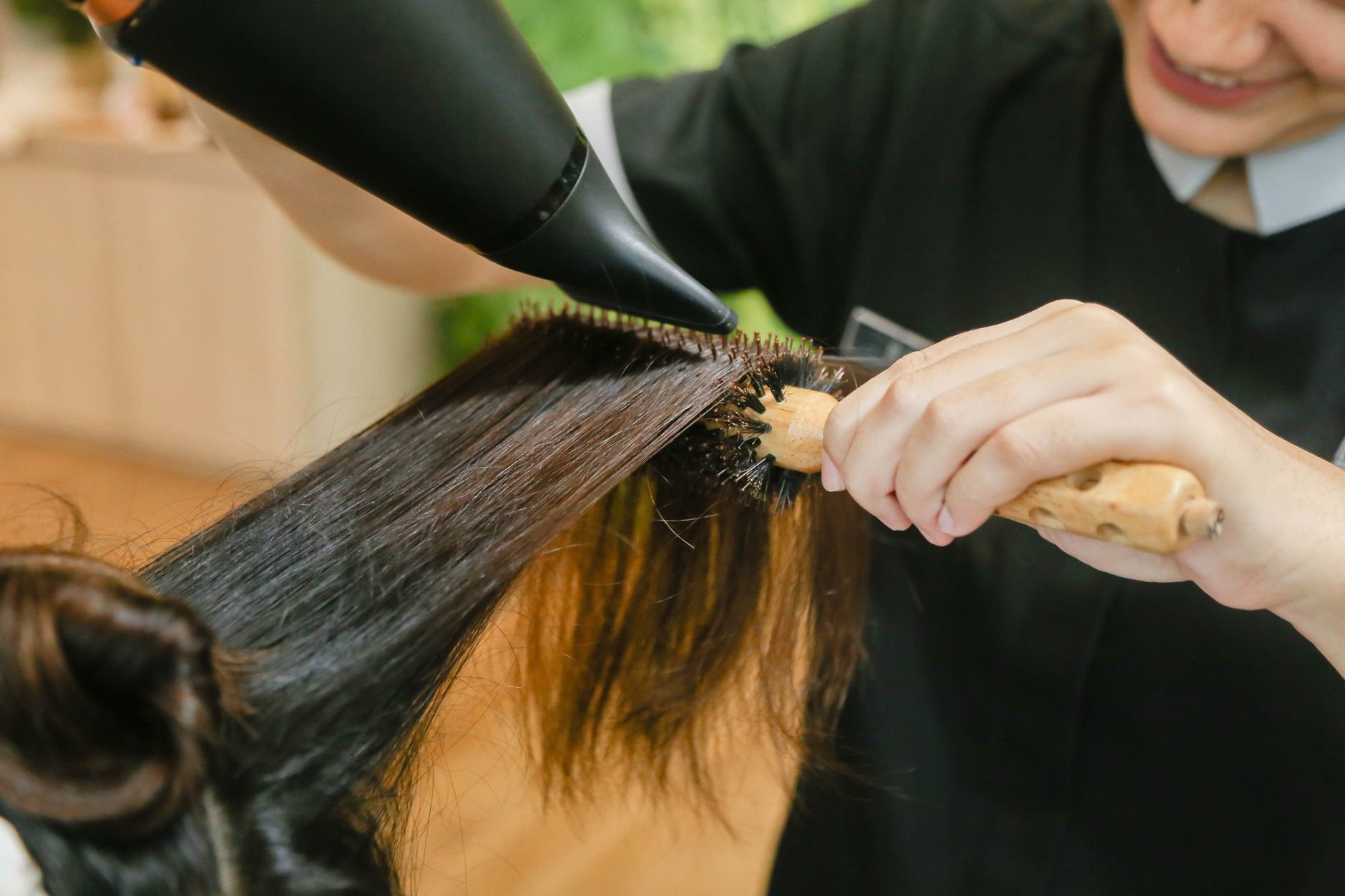
4) Scalp-first serums vs length serums: choose your target
One reason “serum vs oil” gets messy: shoppers often apply oils to lengths, while many modern serums target the scalp.
When the concern lives at the scalp—flakes, sensitivity, or general imbalance—an oil may soothe, but it can also feel heavy and harder to wash out. A scalp serum usually doses cleaner and targets the issue directly.
For dandruff-prone, sensitive scalps, Kérastase Symbiose Intensive Anti-Dandruff Cellular Night Serum (from £42.30) calls out a silicone- and sulphate-free night serum format and lists salicylic acid, piroctone olamine and bifidus in the formula description. That combination signals: exfoliation + anti-fungal style support + barrier/microbiome angle.
If the goal sits more in “keep the scalp environment calm and supported”, Philip Kingsley Overnight Scalp Barrier Serum With Triple Balancing Action (from £27.00) positions itself as fast-absorbing and barrier-supporting, with a circadian-rhythm overnight concept in the description.
For a broader scalp defence approach across hair types (including oily scalps), Kérastase Specifique Potentialiste Hair Serum (from £41.60) describes a defence serum with vitamin C and 10% bifidus prebiotic.
Meanwhile, if your issue lives on the lengths—roughness, split ends, colour-treated dullness—then you pick a length serum and treat it like a finishing layer, not a scalp product.
5) How to choose by hair type (fine, thick, curly, bleached, dry)
Hair type matters less than hair behaviour. Still, most people shop by type, so here’s the most practical mapping we can give.
Fine hair that goes flat: you usually want a serum that spreads easily and doses tiny. Heavy oils can collapse volume fast. If you want a density-focused option, The Ordinary Multi-Peptide Serum For Hair Density (from £13.45) aims at hair that looks thicker, denser, fuller and healthier, and it includes REDENSYL™ complex in the description. That “looks thicker” positioning tends to suit fine-hair shoppers.
Thick or coarse hair that frizzes: you can often tolerate richer textures and more coating. A smoothing serum designed for humidity makes sense here. Living proof. Living Proof No Frizz Smooth Styling Serum (from £30.74) explicitly targets thick or coarse hair types and humidity-related frizz control in the description.
Bleached or highlighted hair: look for hydration support and surface smoothing so hair feels less “straw-like”. Kérastase 2% Pure Hyaluronic Acid Scalp & Hair Serum (from £45.33) describes itself as a hydrating, repairing blonde hair and scalp serum for bleached blondes, built around macro and micro hyaluronic acid.
Heat-styled hair with split ends: choose a serum that frames itself around heat damage and prep. Kérastase Resistance Therapiste Serum (from £36.00) directly references split ends and heat styling and drying in the description.
Dry hair that feels worse overnight: night serums can help because they sit longer without heat or friction from styling. L'Oréal Elvive Extraordinary Oil Midnight Renourishing Hair Treatment Serum For Dry Hair (from £6.75) leans into the day-and-night routine idea for dry hair in the description, at a price point that suits experimentation.
Over-processed hair that snaps: consider a weekly intensive bond-style treatment serum. Living proof. Triple Bond Complex (from £19.00) positions itself as weekly and intensive, with repair and protection in the description.
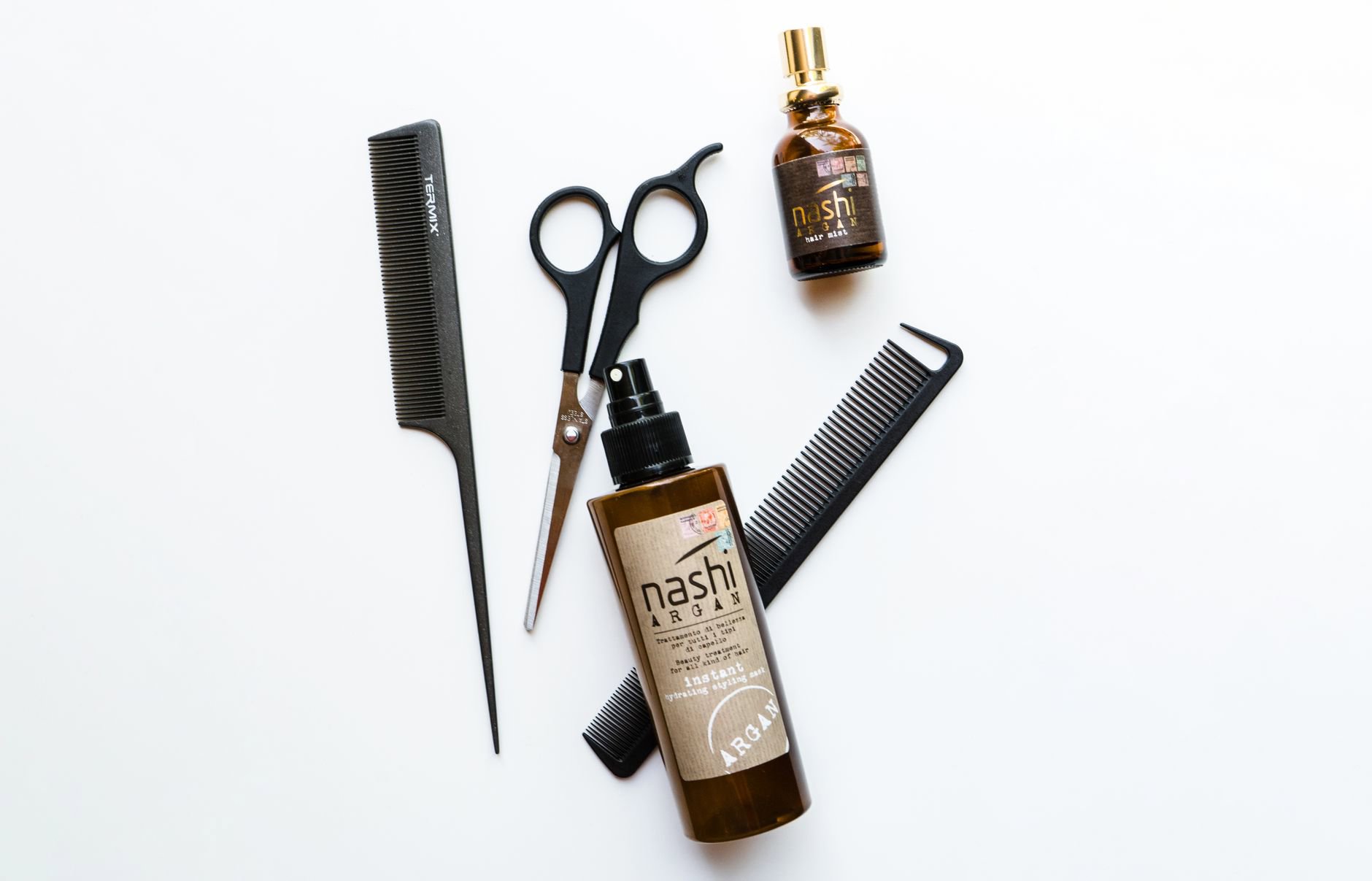
6) Serum “families” and what they’re for (with price anchors)
When you strip away branding, most hair serums fall into a few families. Knowing which family you need stops you buying the wrong texture and blaming the product.
Density and growth-look serums
These target the appearance of fullness, often by supporting hair and scalp conditions that can make hair look stronger or more abundant.
- The Ordinary Multi-Peptide Serum For Hair Density (from £13.45): described as a concentrated serum designed to support hair health so hair looks thicker and denser, with REDENSYL™ complex mentioned.
- uklash Hair Growth Serum (from £29.00): described as developed to help fight hair loss and boost hair density, with clinically proven ingredients noted (without listing them in the provided description).
- Briogeo Destined For Density Megastrength+ Caffeine And Biotin Peptide Density Serum (from £36.00): described as a density-boosting serum with caffeine and biotin peptide positioning, aimed at fuller-looking hair.
Scalp health and dandruff-focused serums
These suit people who find that “fixing the ends” never works because the scalp stays irritated or flaky.
- Kérastase Symbiose Intensive Anti-Dandruff Cellular Night Serum (from £42.30): salicylic acid + piroctone olamine + bifidus listed; silicone and sulphate-free in the description.
- Philip Kingsley Overnight Scalp Barrier Serum With Triple Balancing Action (from £27.00): barrier-support and overnight use highlighted.
- Kérastase Specifique Potentialiste Hair Serum (from £41.60): vitamin C and 10% bifidus prebiotic described for a defence approach across scalp types.
Smoothing, shine, and heat-support serums
These focus on hair surface behaviour: shine, sleekness, humidity response, and prep for styling.
- Living proof. Living Proof No Frizz Smooth Styling Serum (from £30.74): thick/coarse focus with humidity-repelling claims in the description.
- Kérastase Resistance Therapiste Serum (from £36.00): positioned for split ends and heat damage concerns from styling and drying.
- Kérastase Sérum Chroma Thermique (from £27.24): described as shine-enhancing and sleek-finish supporting within its set context.
Where to buy? UK stock often rotates between Boots, Space NK, John Lewis, Cult Beauty and Lookfantastic depending on brand. Our price tracking tends to show wider discount swings on high-street lines, while salon and luxury ranges hold steadier.
If you like browsing by brand, you can also use GlamGeek’s brand pages such as Kérastase and L'Oréal to compare which retailers undercut RRP most often.
7) Practical routines: how to use serums when you’d otherwise reach for oil
Most “serum vs oil” confusion comes from using the right product at the wrong moment.
Routine A: frizz control on wash day (lengths)
Apply a smoothing serum to towel-dried lengths, then blow-dry with tension. Keep the dose small; add more only after drying. For thick/coarse hair in humidity, Living proof. Living Proof No Frizz Smooth Styling Serum (from £30.74) fits this use case by design.
Routine B: heat-styled, split-end-prone hair (lengths)
Use a heat-support serum before any hot tool session, then keep your finishing product minimal. Kérastase Resistance Therapiste Serum (from £36.00) explicitly frames itself around heat styling and split ends in the description, so it suits this slot.
Routine C: overnight scalp reset (scalp)
Part hair into sections, apply a scalp serum in thin lines, then massage briefly. Sleep on it. If flakes drive the problem, Kérastase Symbiose Intensive Anti-Dandruff Cellular Night Serum (from £42.30) targets visible dandruff with salicylic acid and piroctone olamine in the described formula.
Routine D: bleached hair that feels dehydrated (scalp + lengths)
Use a hydrating serum that addresses both scalp comfort and hair feel, then style gently. Kérastase 2% Pure Hyaluronic Acid Scalp & Hair Serum (from £45.33) positions itself for bleached blondes, with macro and micro hyaluronic acid described.
Routine E: weekly repair cadence (lengths)
Pick one day a week for an intensive treatment serum and keep the rest of the week simple. Living proof. Triple Bond Complex (from £19.00) describes a weekly intensive treatment format, which makes it easier to keep consistent.
Two small rules help most people avoid disappointment:
- Don’t stack multiple “coating” products on the same day unless your hair stays rough without them.
- Pick one main goal per wash cycle: frizz control, repair, scalp care, or density. You can rotate goals across the week.
If you’re building a full routine, keep your other categories separate (shampoo, conditioner, masks). GlamGeek organises those under Moisturising & Nourishing Shampoos, Moisturising & Nourishing Conditioners and Hair Masks—but your serum choice should still map to a single clear outcome.
Practical tips you can use today (even before you buy anything)
Do the “slip test” after washing. If hair tangles instantly and feels rough, you need more surface slip. That often means a smoothing or repair-leaning serum on damp lengths, not more shampoo changes.
Match the serum to your climate, not just your hair. In damp UK weather, humidity control matters. In winter, indoor heating can make hair feel drier, so overnight or hydrating serums can earn their keep. If summer turns sticky, use less product and focus on controlled application rather than layering.
Use scalp serums like skincare. Apply in lines, then massage briefly. Don’t flood the scalp. If you want an overnight approach, choose a product designed for that format such as Philip Kingsley Overnight Scalp Barrier Serum With Triple Balancing Action (from £27.00).
Price-check before you commit. Our merchant feed often shows meaningful spreads between retailers on the same serum, especially when Boots or Lookfantastic runs category promotions. If you already know the product you want, it pays to compare before checkout.
Sign-off: what’s your hair actually doing?
If you had to pick one problem to solve first—humidity frizz, heat damage, flakes, or lack of density—what would it be? That answer usually points to the right serum family faster than any “serum vs oil” debate.
If you tell us your hair type, styling habits, and whether your scalp gets flaky or sensitive, we can suggest which of the serums above fits best (and which ones we’d skip).