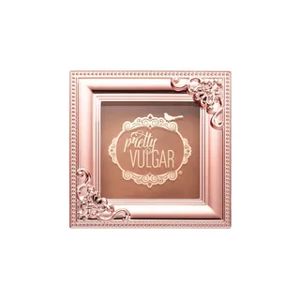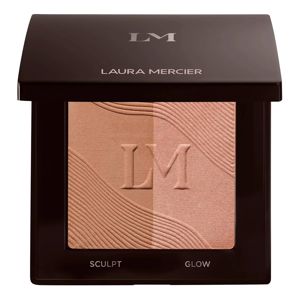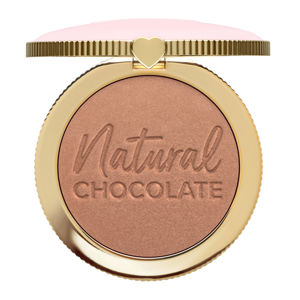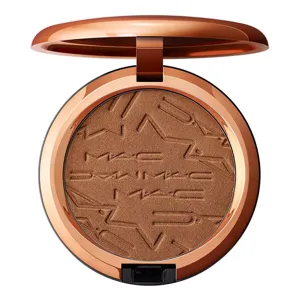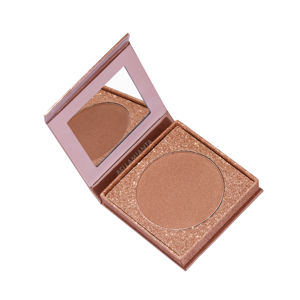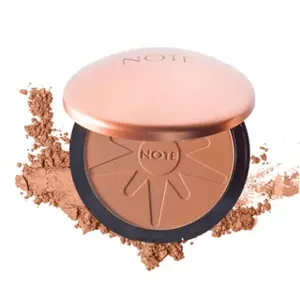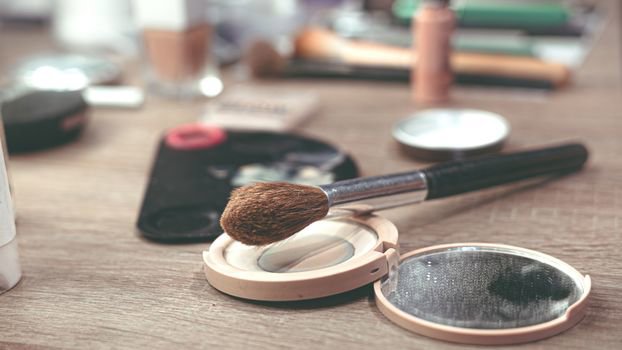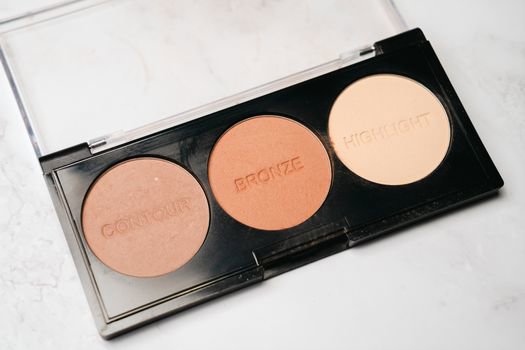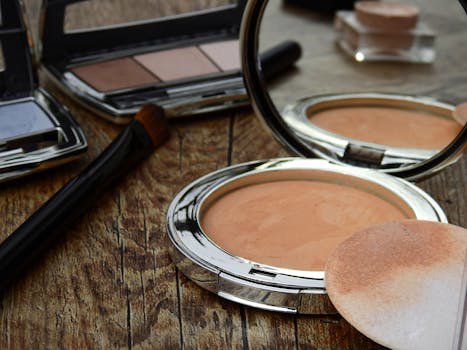
To apply powder bronzer for a natural glow, treat it like subtle warmth—not a stripe—then build in thin layers where the sun would hit first: perimeter of the face, tops of cheeks, and a light sweep across the nose.
Most “muddy” bronzer comes from three things our price-and-product data sees again and again in reviews: too much product on the brush, placement too low on the cheek, and not matching finish to skin texture (ultra-matte can grab on dry patches; shimmer can spotlight pores).
This guide keeps it practical: how to choose the right Makeup Brushes & Applicators, where to place bronzer for different face shapes, and how to blend so it looks like skin.
Start with the right tools (and why the brush matters more than you think)
A powder bronzer can look seamless with a basic routine, but the brush controls everything: how much product you pick up, how it disperses, and whether it sits in one spot.
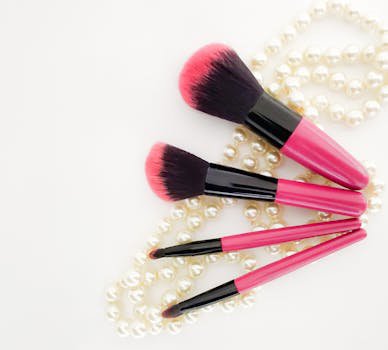
For a natural glow, aim for a medium-to-large fluffy brush with soft, flexible bristles. Dense brushes pack on pigment fast. That suits stronger sculpting, but it increases the risk of harsh edges.
One word: tap.
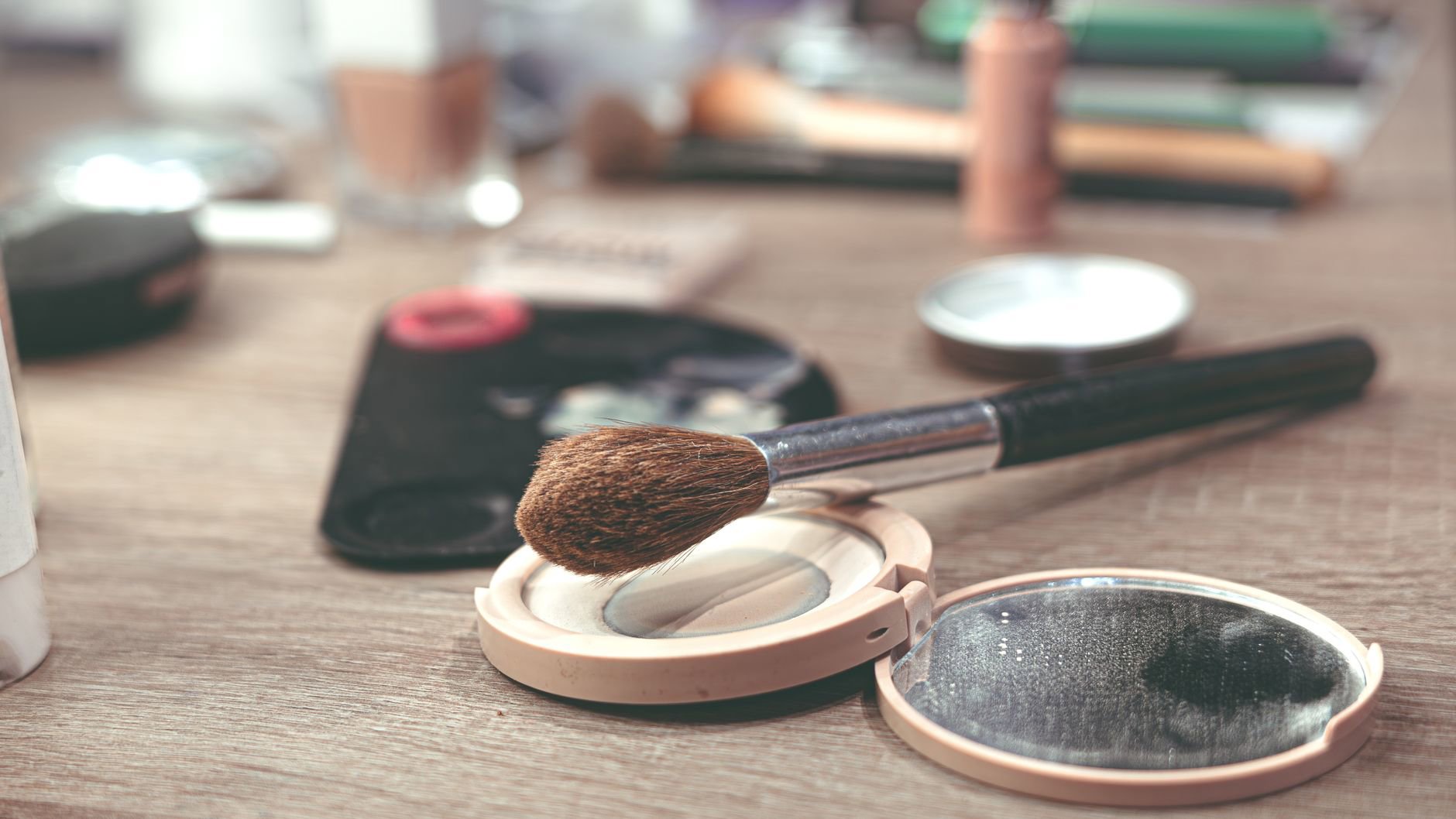
Whatever brush you use, tap off excess before your first touch to the face. Powder bronzer often contains treated pigments and emollient binders that help it glide, but that same slip can make a first stamp look darker than expected. Tapping keeps the first contact light.
- Fluffy, rounded brush: best for all-over warmth and a soft perimeter bronze.
- Tapered fluffy brush: better for cheekbone warmth when you want control without sharp lines.
- Small fluffy brush: ideal for nose warmth and blending around the hairline.
- Clean, dry brush: use it as an eraser to blur edges after you apply.
We also see application success change depending on base texture. If you wear complexion products from the Liquid Foundations category, make sure they set before bronzer. A slightly tacky base grips powder and can cause patchiness when you blend.
Prep for smooth blending: stop bronzer clinging to dry patches
Powder bronzer sits on top of everything. If your skin looks dry, your bronzer will look dry.
In the UK, indoor heating from October to March often leaves cheeks dehydrated while the T-zone stays shiny. That mix matters because powder bronzer can cling on the outer face but slide on the centre. The fix sits in prep and layering.
Start with hydrated skin, then let it settle. If you use Day Face Moisturisers or Night Face Moisturisers, allow a few minutes before makeup. If you rush, skincare can create slip and your bronzer may skip when you buff.
Next, decide how “set” your base should be:
- Dry or textured skin: set lightly (or only where you bronze) so you keep flexibility for blending.
- Oily skin: set more thoroughly so bronzer doesn’t break up.
- Combination skin: set the centre, keep the perimeter softer.
- Mature skin: avoid heavy setting powder on the outer cheek where lines show first.
Finish choice matters here. A matte bronzer can look clean and modern, but it can also emphasise flaking if the skin feels tight. If you want a more forgiving glow, look at formulas that mention shimmer or radiance in their description, then apply with a lighter hand.
Two good examples from our tracked listings: Guerlain Terracotta Bronzer Recarga (from £33.00) includes “luminescent shimmer” and Moroccan argan oil in the formula description, while Guerlain Terracotta Glow Powder (from £33.00) focuses on a “natural healthy glow” finish with luminescent shimmer.
The core technique: load, place, blend (in that order)
Here’s the method we recommend because it reduces the two biggest bronzer problems: over-application and uneven blending.
Step 1: Load lightly. Swirl your brush in the pan, then tap twice. If you see powder clouding off the brush, you picked up too much.
Step 2: Place where you want the most warmth. Start at the hairline or upper cheek, not the centre of the face. The first touch always deposits the most pigment.
Step 3: Blend outward and upward. Use small circles, then long feathering strokes. Keep the brush moving. If you buff in one spot, you create a dark patch.
Think “frame the face”.
A simple placement map that works on most people:
- Forehead: along the hairline, staying away from the brows.
- Cheeks: top of cheekbone area, above where you’d place contour.
- Jaw: a whisper along the back half of the jaw, then blend down slightly.
- Nose: a very light sweep across the bridge and tip for sun-kissed warmth.
- Neck: only if needed, and only to match face-to-neck tone.
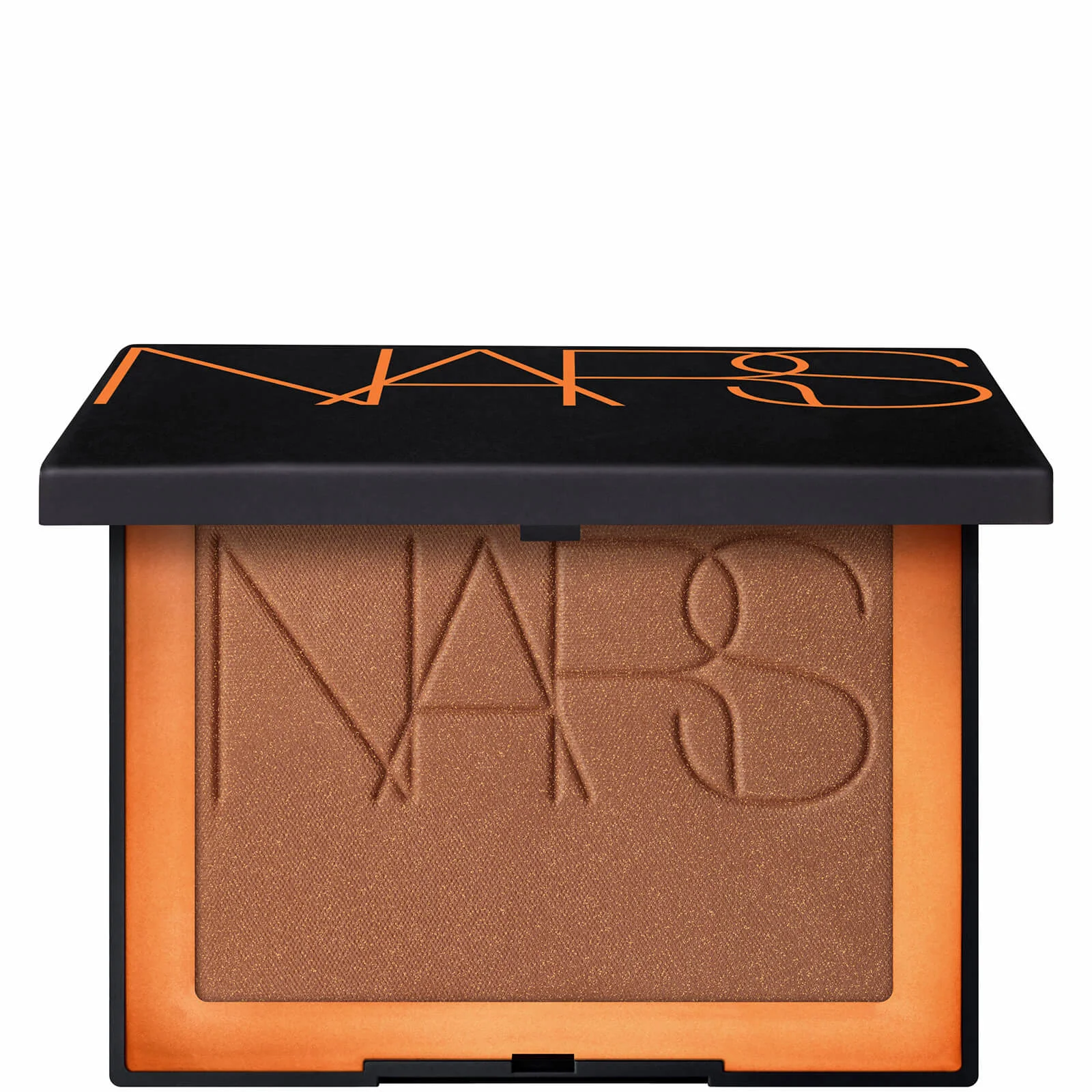
If you want maximum control, choose a bronzer described as ultra-fine or silky, because those textures tend to blend without “catching” mid-blend. Nars Laguna Bronzing Powder (from £21.00) describes an “ultra-fine powder that blends into the skin with just one swipe,” while Fenty Beauty Sun Stalk'r Instant Warmth Bronzer (from £22.50) positions itself as easy to use, with eight shades designed to work across skin tones.
For a flatter, more matte look (useful if you hate shine), Benefit Hoola (from £10.00) stays a classic matte option. It also suits a “sweater weather” bronze vibe, which matters when you want warmth without radiance.
Placement by face shape: keep it lifted, never muddy
Face-shape advice often gets overcomplicated. A natural glow needs one principle: place bronzer high enough that it reads as sunshine, not shadow.
Round faces: keep bronzer slightly higher on the cheek, sweeping from the top of the ear toward the outer cheekbone. Avoid bringing it too far into the centre. A matte formula like MAC Skinfinish Sunstruck Matte Bronzer (from £24.00) can add depth without extra shine, as long as you blend softly.
Long/oval faces: focus warmth more on the outer cheeks and a smaller amount on the forehead. Too much forehead bronzer can lengthen the face visually. Consider a soft-radiant option like Guerlain Terracotta Glow Powder (from £33.00) for a more “healthy glow” finish, then keep the jawline minimal.
Square faces: bronze the corners of the forehead and the outer jaw area, then blend toward the centre. Keep the cheek placement lifted to soften angles. If you prefer a natural matte, Anastasia Beverly Hills Smooth Blur Bronzer (from £18.50) describes a “blurring gel-powder hybrid formula” with “natural matte colour,” which suits this softening approach.
Heart-shaped faces: go easy on the forehead if it already feels prominent. Place more warmth on the outer cheekbone and slightly under it, but stop well before the mouth. A silky, comfortable matte like Nars Bronzing Powder (from £15.00) can work well here, since it aims for “sun sculpted definition” with a matte finish.
Fuller cheeks or prominent nasolabial folds: avoid bronzing too close to the nose. That placement can emphasise shadows. Keep warmth on the outer third of the face and blend up.
One more detail that helps: match bronzer placement to where you naturally flush or tan. If you usually tan on the forehead and upper cheeks, copy that pattern. If you tan more on cheeks and nose, keep the forehead lighter.
Finish and formula: matte vs radiant, and what “skincare-infused” really means
Marketing loves “skincare-infused” bronzers. Some formulas do include moisturising agents or oils, and that can change how powder sits on the skin.
Take Lancôme Teint Idole Ultra Wear Powder Bronzer (from £33.75). The description calls it a “24H serum-infused bronzer” enriched with a Vitamin C derivative, Vitamin E, and Moringa Oil. Those ingredients can support a smoother feel and help the powder look less dry, especially if you apply lightly and buff.
Guerlain takes a similar direction with Guerlain Terracotta Bronzer Recarga (from £33.00), which mentions Moroccan argan oil alongside pigments and luminescent shimmer. That combination often reads as “skin-perfecting warmth” rather than flat colour, which can look more natural in daylight.
On the other hand, strong mattes still have a place. Benefit Hoola (from £10.00) gives a classic matte bronzer look that many people prefer for office lighting and photos. It can also suit oilier skin, where shimmer might turn into extra shine by midday.
Radiant bronzers need restraint. If your skin shows visible pores on the inner cheek, keep shimmer products on the outer cheekbone area and perimeter. Avoid sweeping them across the centre of the face.
When you want blur, look for formulas that explicitly mention it. Yves Saint Laurent All Hours Hyperbronze Powder (from £36.00) claims it “blurs imperfections and minimizes appearance of pores, while smoothing skin,” with “90% natural-origin ingredients” and 24H wear. We’d still treat wear claims as aspirational, but the “blur” positioning tells you what the finish aims to do.
Fix common bronzer problems: patchiness, harsh lines, and “orange face”
Most bronzer mistakes look worse in natural daylight than in a bathroom mirror. That’s why the fixes need to be simple and repeatable.
Problem: patchy bronzer on cheeks.
Cause: bronzer grabbed onto a tacky base or dry texture.
Fix: use a clean fluffy brush to buff the edge first, then add a tiny amount of bronzer and blend again. If you keep layering on top of a patch, it gets darker and more obvious.
Problem: harsh stripe under the cheekbone.
Cause: placement too low, or you used a dense brush.
Fix: move placement up next time. For now, blend upward only. Don’t drag it down. A silky matte powder like MAC Skinfinish Sunstruck Matte Bronzer (from £24.00) helps here because it’s designed to add warmth and depth with a matte finish, but technique still does the heavy lifting.
Problem: bronzer looks orange.
Cause: too warm for your skin, or you applied too heavily where your face naturally stays lighter (centre cheeks).
Fix: use less product and keep it to the perimeter. If you want a more neutral “sun-sculpted” matte, Nars Bronzing Powder (from £15.00) focuses on definition and dimension with a matte finish, which many people find easier to keep natural.
Problem: bronzer looks dusty.
Cause: too much powder, or skin feels dry.
Fix: choose a more radiant formula, then apply in thinner layers. Guerlain Terracotta Glow Powder (from £33.00) aims for a radiant healthy-looking glow, which can reduce that dusty effect when used lightly.
Problem: bronzer disappears by lunchtime.
Cause: you didn’t set the base, or your skin oils break up the powder.
Fix: set the area lightly before bronzer if you run oily. Then choose a bronzer positioned for long wear, such as Yves Saint Laurent All Hours Hyperbronze Powder (from £36.00), and apply in light layers.
One more trick that works: apply bronzer, then step back and check symmetry. If one side looks deeper, don’t add more to “match” immediately. Blend first. Always.
Powder bronzer picks we rate for a natural glow (with tracked UK prices)
Application matters more than the compact, but formula can make the learning curve easier. These are powder bronzers from our tracked product set that suit a “natural glow” goal, with prices pulled from the listings provided.
For a soft matte warmth (easy to keep natural)
- Benefit Hoola — from £10.00. Iconic matte bronzer; best when you want warmth without shine.
- Nars Bronzing Powder — from £15.00. Matte finish for “sun sculpted definition”; good for controlled placement.
- Anastasia Beverly Hills Smooth Blur Bronzer — from £18.50. Gel-powder hybrid described as lightweight with a blurred natural matte look.
- MAC Skinfinish Sunstruck Matte Bronzer — from £24.00. Ultra-silky matte warmth and depth, positioned as suitable for all skin tones.
Matte bronzers suit humid commutes and oily T-zones. They also photograph cleanly, especially if you keep the edges diffused.
For glow that still looks like skin
- Guerlain Terracotta Bronzer Recarga — from £33.00. Pigments plus luminescent shimmer; infused with Moroccan argan oil.
- Guerlain Terracotta Glow Powder — from £33.00. “Natural healthy glow powder” with luminescent shimmer for radiance.
- Nars Laguna Bronzing Powder — from £21.00. Ultra-fine powder that blends easily; described as leaving a radiant glow.
Radiant bronzers look most believable when you keep them on the high points and perimeter. If you sweep them across the centre, they can read shiny rather than sun-kissed.
For a smoother, “polished” finish
- Lancôme Teint Idole Ultra Wear Powder Bronzer — from £33.75. Serum-infused bronzer with Vitamin C derivative, Vitamin E, and Moringa Oil; positioned for breathable, blendable wear.
- Yves Saint Laurent All Hours Hyperbronze Powder — from £36.00. Multi-use bronzing powder that claims pore-blurring and smoothing, with 24H wear positioning.
- Pat McGrath Skin Fetish Divine Bronzer — from £40.00. Velvety powder positioned for “sun-sculpting” and a bronzed look without UV exposure.
Where to shop in the UK depends on the brand. We often see these lines appear across retailers such as Boots, Space NK, John Lewis and Cult Beauty, with price swings driven by promotions and sets. GlamGeek price tracking helps spot when a bronzer drops, but the technique stays the same either way.
If you want to browse by brand while you compare, start with MAC, Guerlain, and Lancôme.
Practical routine: a 3-minute bronzer method you can use today
This is the simplest routine we’d give anyone who wants a natural glow and hates trial-and-error.
Minute 1: perimeter. With a fluffy brush, apply bronzer to the hairline and temples first. Keep pressure light. Blend toward the centre, but stop early.
Minute 2: cheeks. Smile lightly to find the cheekbone. Place bronzer above the hollow, then blend up and back. If you want extra lift, keep the deepest colour near the hairline and let it fade as it moves inward.
Minute 3: balance. Add a tiny sweep across the nose only if your overall look needs it. Then take your clean brush and blur every edge. If you can see where bronzer starts and ends, keep blending.
Two guardrails that prevent 90% of bronzer regrets:
- Stop applying when it looks “just enough” in the mirror, then check in daylight if you can.
- If you want more, add it in two light layers rather than one heavy layer.
If you’re building a wider routine, keep categories straight: bronzer sits in makeup, and skin prep sits in skin care. Mixing them works best when you let each layer settle before the next.
Which bronzer finish do you prefer for a natural glow—soft matte, or a gentle radiance—and where does bronzer usually go wrong for you: cheeks, forehead, or jawline?