
Bath oil can soften skin fast, especially when indoor heating and hard water leave it feeling tight. The downside stays obvious: too much oil, added at the wrong time, can turn a relaxing soak into a slip hazard.
The fix rarely involves giving up bath oil. It comes down to how you add it (dilution), when you add it (timing), and how much you use (dose). Get those three right and you can keep the moisturising feel without skating around the tub.
Below, we break down the safest methods, the mistakes that cause most slips, and the clean-up routine that keeps your bath usable for the next person.
Why bath oils make tubs slippery (and why some feel worse)
Oil and water do not mix well. When a bath oil sits on the surface, it forms a thin film that reduces friction underfoot. That film also clings to acrylic, enamel and tile, so the “slip” can last long after the water drains.
Most slip issues come from one of two patterns: adding oil directly under the tap in a big pour, or using a bath oil that stays as a surface layer rather than dispersing. You can’t always tell which will happen just by looking at the bottle, so technique matters more than marketing.
Some formulas include ingredients designed to support skin comfort and barrier feel. For example, Eucerin AtoControl Bath & Shower Oil (from £13.10) focuses on protecting the moisture barrier with omega-3 and omega-6 oils and targets dry, rough-feeling skin types. Oils like that can still cause slip if overdosed, but they tend to reward careful measuring because you do not need much to get the “less tight” after-feel.
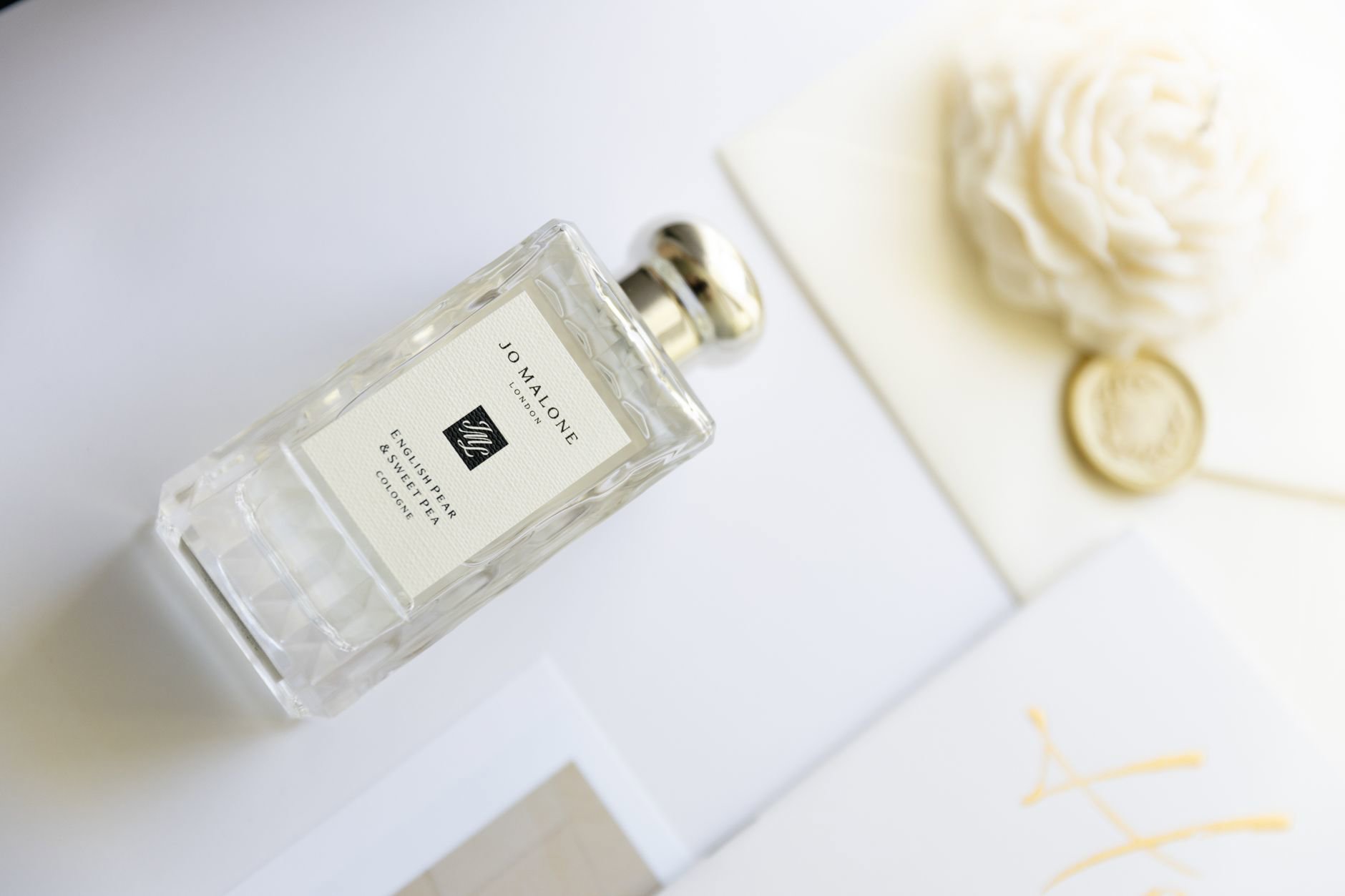
Fragrance-heavy oils can also tempt overuse, because people chase a stronger scent cloud. Jo Malone’s options, such as Jo Malone London English Pear & Freesia Bath Oil (from £22.00) or Jo Malone Bath Pomegranate Noir Bath Oil (from £22.00), sit firmly in the “luxury scent ritual” lane. That’s fine. It just means you should treat the dose like perfume: a little goes a long way.
One more thing: bath oils can transfer to your feet as you stand up. Even if the tub floor feels okay, the bathroom floor may not.
The safest timing: add oil late, not early
If you only change one habit, change this one. Add bath oil after the bath has mostly filled, not at the start.
When you pour oil into a fast-running stream early on, turbulence spreads it everywhere. That sounds helpful, but it also coats the tub surface for longer, and the water level rising can “paint” oil across the sides and base. Late addition keeps the oil exposure time shorter and reduces how much ends up on the tub itself.
We suggest this timing sequence:
- Run the bath to your preferred depth and temperature.
- Turn the tap down to a gentle flow (or off).
- Add a measured amount of oil (more on dose below).
- Swish the water with your hand to disperse it, focusing on the centre rather than the edges.
- Step in slowly, holding a stable surface.
That “turn the tap down” step matters. A hard jet can blast oil directly onto the tub base, which creates a slick patch right where you first place your foot.
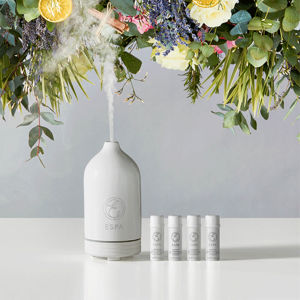
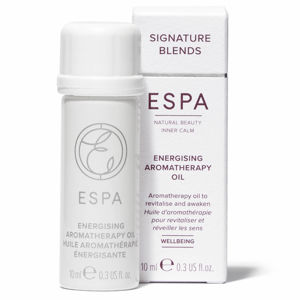
For aromatherapy-style oils, consider whether the product even belongs in the bath. ESPA Soothing Aromatherapy Single Oil (from £21.00) explicitly states use with the brand’s Diffuser Pod. We would not treat that as a default bath oil unless the brand instructs it.
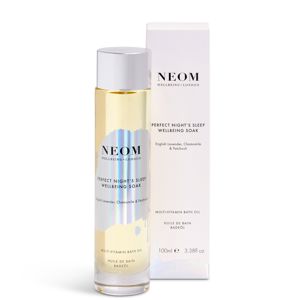
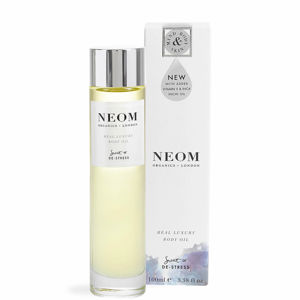
Instead, stick to products clearly positioned for bath use, like Neom Perfect Night'S Sleep Bath & Shower Oil (from £22.40) or ESPA Detoxifying Bath Oil (from £28.50). They’re designed for bath and body rituals, so a small amount should perform without needing a heavy-handed pour.
Dilution tricks that cut slip risk (without losing the moisturising feel)
Bath oil works best when it spreads thinly through the water. You want a light, even emulsion-like feel, not a shiny layer sitting on top.
Try one of these dilution methods. They keep the oil from landing as a concentrated slick on the base.
Method 1: The “cup pre-mix”
Add your measured oil to a small cup or jug first. Then add warm bath water to the cup, swirl, and pour the diluted mix into the bath. It won’t fully emulsify (oil still behaves like oil), but it reduces the “oil blob” effect.
Method 2: The “hands first” swish
Put the oil into your palms, rub hands together, and then swish your hands through the bath water in wide circles. This spreads the oil across a bigger surface area before it touches the tub.
Method 3: Use foam as a buffer (when you want bubbles)
If you like bubbles, a bath foam can help reduce the surface slick feel because it changes how the oil distributes. A good example is Neom Organics London Real Luxury Bath Foam (from £19.75), which contains 74% natural ingredients and includes marshmallow, aloe leaf, coconut and sweet almond to condition and soothe skin.
Do it in this order: create a small amount of foam first, then add a smaller dose of bath oil late. You still get the oil finish, but you avoid pouring it into an empty, dry tub.
This also helps if you share a household bathroom. Foam rinses away more easily than a pure oil film.
Not a bubble person? Fine. Skip it. The pre-mix method does most of the safety work.
How much bath oil to use: dosing rules that stop the “slick ring”
Most people use too much. That’s why the tub feels like it has been polished.
We can’t give millilitre-perfect instructions for every brand because usage directions vary by bottle. But we can give reliable dosing rules that reduce accidents.
Rule 1: Start with the minimum that gives slip on your skin, not slip in the tub. If you can feel softness after towel-drying, you used enough. If the bath feels greasy while you soak, you used too much.
Rule 2: Scale for tub size and water depth. A shallow bath needs less oil than a deep soak. The aim stays the same: a thin dispersion.
Rule 3: Go lighter with strongly scented luxury oils. With Jo Malone Bath Pomegranate Noir Bath Oil (from £22.00), you pay for the scent experience. Don’t treat it like a budget carrier oil where you keep pouring until you “see” it.
For barrier-supporting formulas that target dry skin, a small amount often feels effective. Eucerin AtoControl Bath & Shower Oil (from £13.10) fits this category, with omega-3 and omega-6 oils designed to help protect the moisture barrier from dryness.
On the other end, bath soaks can deliver comfort without the same oil-slick behaviour. Elemis Aching Muscle Super Soak (from £48.00) uses sea salt plus a blend of botanicals like birch, juniper, clove and lavender, and it targets overworked, tired muscles. It’s not a bath oil, so it won’t behave the same way underfoot.
That’s not a “better” option. It’s a different risk profile.

Picking the right product for your goal (and your slip tolerance)
Not all bath oil shopping starts with skin. Sometimes it starts with mood, scent, or the kind of bath you actually take on a Tuesday.
Here’s how we’d match products from our tracked list to common goals, while keeping slip risk in mind.
For dry, rough-feeling skin that needs barrier comfort
Eucerin AtoControl Bath & Shower Oil (from £13.10) positions itself as a bath and shower oil designed to protect the moisture barrier from dryness, using omega-3 and omega-6 oils. For many households, that “bath and shower” flexibility also makes it easier to justify the spend.
Neom Perfect Night'S Sleep Bath & Shower Oil (from £22.40) contains inca inchi, rosehip and chia seed organic oils, described as rich in vitamins A, B1, B2, B6 and E. That reads like a classic “nourishing oil blend” profile, so you can often keep the dose low and still get the skin feel.
For fragrance-first, giftable baths
Jo Malone London English Pear & Freesia Bath Oil (from £22.00) leans into notes of just-ripe pears and white freesia. Jo Malone Bath Pomegranate Noir Bath Oil (from £22.00) goes darker and more intense. Both suit the “small dose, big mood” approach.
If you already buy Eau de Parfum Perfumes, think of these as the bath equivalent: you want diffusion, not saturation.
For bubbles with a softer feel
Neom Organics London Real Luxury Bath Foam (from £19.75) gives you bubbles plus conditioning ingredients like aloe leaf and sweet almond. That can reduce how much oil you feel you need.
Another bubble-style option sits at a lower entry price: Neal's Yard Organic Aromatic Foaming Bath (from £8.00). Its essential oil blend includes lavender, Spanish marjoram and geranium, and it includes botanical oils designed to leave skin feeling nourished and fragrant.
For a rose-leaning, comforting soak
Dr. Hauschka Rose Nurturing Bath Essence (from £15.99) describes a comforting rose fragrance and a nourishing, skin-softening feel when combined with warm running water. If you want “bath oil vibes” with a more essence-style format, this sits in the sweet spot.
Where to buy? UK shoppers usually see these across retailers like Boots, Space NK, John Lewis, Cult Beauty and Lookfantastic. GlamGeek’s price tracking often shows that the same product swings in price depending on promotions and sets, so it pays to compare before you restock.
Step-by-step: a low-slip bath oil routine that still feels luxe
This is the routine we’d recommend to most people who want bath oil benefits without the drama.
1) Prep the exit. Put a towel within arm’s reach and lay a bath mat down. If you use a robe, have it ready too. You reduce fall risk when you avoid stepping onto cold tile with oily feet.
2) Fill the bath first. Warm water helps oils spread, but the key here stays timing. Keep the tap gentle at the end.
3) Measure the oil. Do not free-pour. For first use of any product, start small. This matters most with concentrated bath oils like Neom Perfect Night'S Sleep Bath & Shower Oil (from £22.40) or scent-forward options like Jo Malone London English Pear & Freesia Bath Oil (from £22.00).
4) Dilute before it hits the tub. Use the cup pre-mix method, then pour into the centre of the water. Swish with your hand.
5) Enter like you mean it. One hand on something stable, one foot testing the base. No sudden shifts.
6) Keep the soak short if you feel slickness building. If you see a visible oil ring around the sides, end early and reduce dose next time. Simple.
7) Stand up slowly. Sit for a moment on the tub edge before you step out. That pause prevents slips more than people expect.
If you want bubbles as part of the ritual, add a modest amount of Neom Organics London Real Luxury Bath Foam (from £19.75) early, then add oil late in a smaller dose. You get the scent and softness without turning the bath into a skating rink.
Clean-up that actually removes oil (and stops build-up over time)
Most people rinse and hope. Oil laughs at that plan.
You need two steps: lift the oil film, then rinse it away. Do it right and you protect the next bath, your shower tray, and your socks.
Right after draining: run warm water briefly and use your hand (or a dedicated cloth) to push water across the base and sides. You want to move any remaining film towards the drain. Do not wait until the tub dries. Dried oil feels stickier and attracts more grime.
Then do a quick second rinse: focus on the standing zones: where your feet land, where you sit, and the area near the tap where oil tends to splash. If you use fragrance-heavy oils like Jo Malone Bath Pomegranate Noir Bath Oil (from £22.00), a second rinse also reduces lingering scent for anyone sensitive to fragrance.
Once a week (if you use bath oil often), check for a dull, slightly tacky feel on the tub floor. That indicates build-up. Build-up increases slip risk even if you use a small dose each time.
One more practical tip: rinse the bath plug and chain area. Oil collects there and can re-spread next time you fill the bath.
Who should avoid bath oil (or use extra caution)
Bath oil sounds gentle. It still isn’t for everyone.
Anyone at higher fall risk should treat bath oils cautiously: older adults, people with balance issues, and anyone recovering from injury. In those cases, a non-oil soak like Elemis Aching Muscle Super Soak (from £48.00) may feel like a safer way to keep the bath ritual, because it does not rely on an oil film for comfort.
Households with shared baths also need stricter clean-up. One person’s “light oil” becomes another person’s slip patch.
People sensitive to fragrance should pay attention to aromatherapy-style blends. Neal's Yard Organic Aromatic Foaming Bath (from £8.00) includes lavender, Spanish marjoram and geranium essential oils. Dr. Hauschka Rose Nurturing Bath Essence (from £15.99) centres rose fragrance. Even when a product feels “natural”, fragrance can still irritate some skin types.
Parents bathing children should keep it simple. Kids move fast, stand up suddenly, and treat the bath like a gym. If you use oil, use a very small amount, add it late, and rinse the tub immediately after.
If your main goal involves moisturising, remember you can place bath oils within a broader routine. Many readers also compare routines across Body Lotions or Shower Gels & Body Washes, but the bath step should not create a safety problem.
Practical tips you can use tonight (quick checklist)
Keep this simple. Bath oil works best when you treat it like a concentrated product, not a “top up until it feels fancy” pour.
- Add oil late, once the bath has filled.
- Pre-dilute in a cup with warm water, then pour into the centre.
- Start small and reduce next time if you see a visible oil ring.
- Pause before stepping out and step onto a mat, not bare tile.
- Rinse immediately after draining, focusing on the floor zone.
- Choose the right format: if you want bubbles, use a bath foam like Neom Organics London Real Luxury Bath Foam (from £19.75) and keep oil dose lower.
For value, our price tracker often shows that everyday staples and derm-leaning options get discounted more predictably than luxury fragrance oils. That makes products like Eucerin AtoControl Bath & Shower Oil (from £13.10) worth watching if you use bath oil regularly and want a consistent barrier-supporting formula.
For gifting, it’s harder. Luxury bath oils like Jo Malone tend to hold price better, so it pays to compare across retailers before checkout.
Which bath oil are you using, and what’s the slipperiest part of your routine: the pour, the soak, or the step-out?