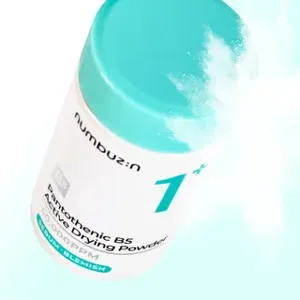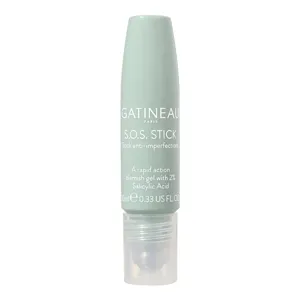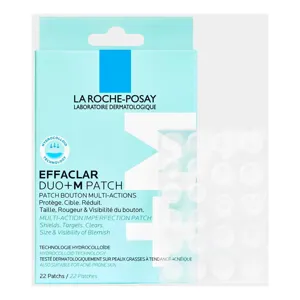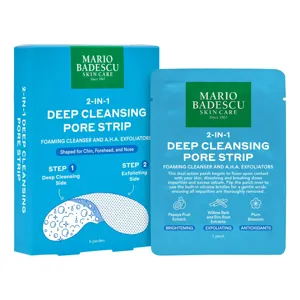
Spot treatments work best when they stay small, targeted, and boring.
If you spread them like moisturiser, stack too many actives, or treat every texture bump as a full breakout, you get the classic UK winter outcome: tightness, peeling, and red patches that look worse than the spot.
This guide breaks down how to use acne and spot treatments for results without barrier drama. We’ll focus on practical application rules, how to choose between acids, drying lotions, and hydrocolloid patches, and the mistakes that cause irritation. Every product recommendation comes from our tracked Acne & Spot Treatments listings, with UK “from” prices where provided.
The basics: why spot treatments dry you out (and how to stop it)
Most spot treatments irritate skin for one simple reason: they change how your outer layer behaves. Salicylic acid loosens dead skin cells and moves into oily pores. Drying lotions tend to “desiccate” the surface of a blemish. Hydrocolloid patches pull fluid and sebum into a gel-like matrix.
Those actions can help a spot resolve faster, but they also stress the skin barrier when you use too much, use them too often, or apply them onto already compromised skin. Indoor heating, long hot showers, and damp-to-dry weather swings can make that barrier less forgiving from October to March.
Here’s the key mindset shift: the goal isn’t “maximum strength”. The goal is “enough contact time” with the least amount of product.
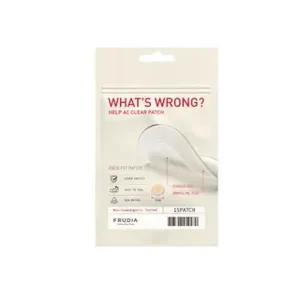
That’s why we often rate hydrocolloid patches as the lowest-risk starting point for most people. They act like a physical boundary, which also stops the picking that turns a one-day spot into a two-week mark.
Pick the right tool: acids vs drying lotions vs patches
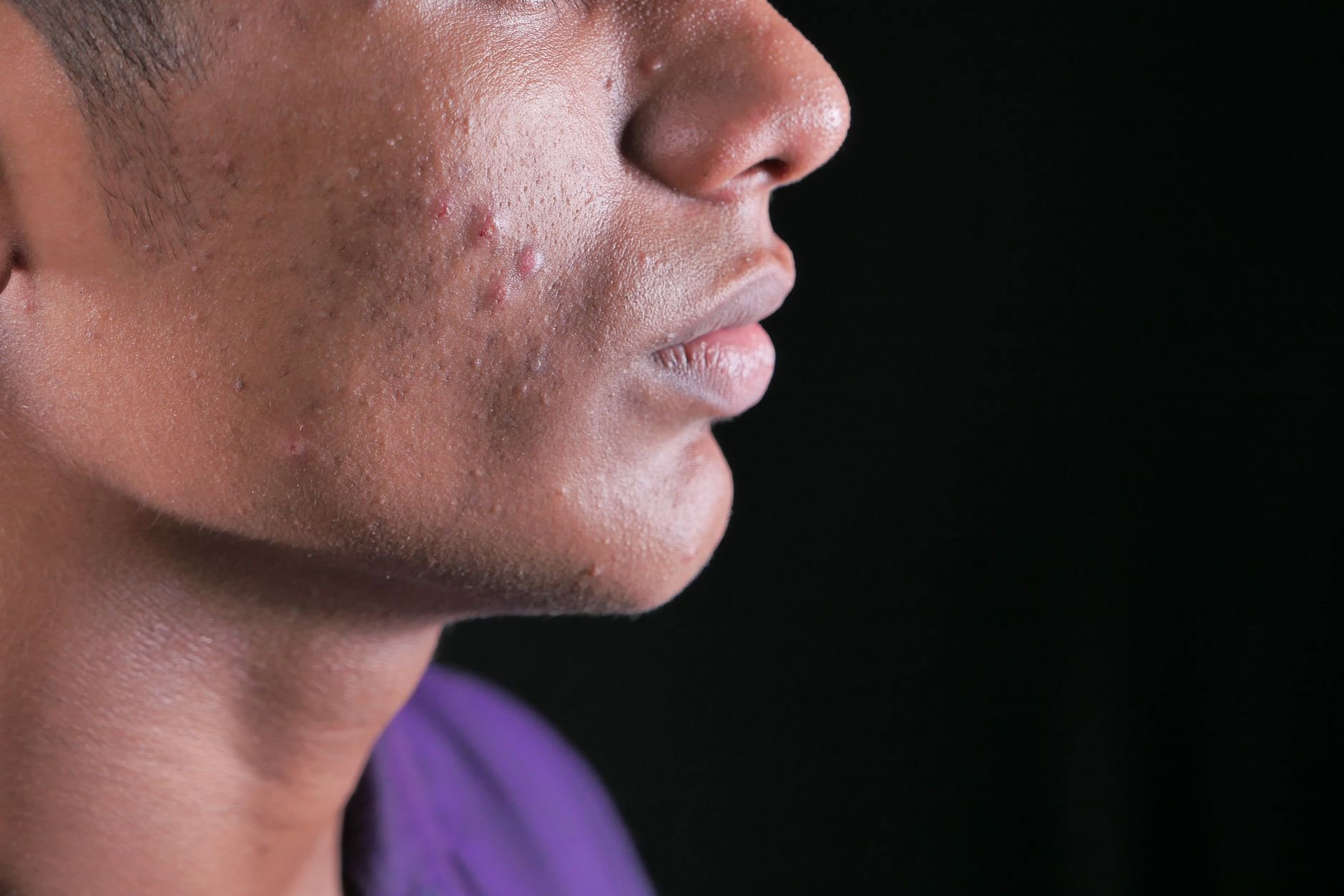
Spot treatments fall into a few useful buckets. If you match the bucket to the blemish stage, you use less product and you dry out less skin.
For clogged pores and early “under-the-skin” bumps, a leave-on salicylic acid can make sense. The Ordinary Salicylic Acid 2% Solution (from £6.00) uses 2% salicylic acid in a water-based serum designed for surface exfoliation and pore penetration. Because salicylic acid is lipophilic (oil-soluble), it can move into the pore lining where congestion starts. That’s useful. It also means you don’t need to smear it across half your face.
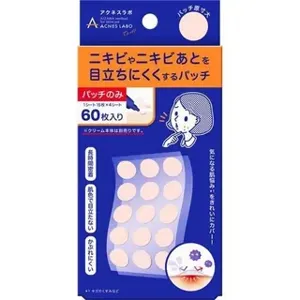
For a surface spot with a visible head, hydrocolloid patches usually give the best “results-to-irritation” ratio. Our merchant feed consistently shows patches as one of the most price-stable ways to treat individual blemishes, because you use one unit per spot and you don’t over-apply. Options include CosRx Acne Pimple Master Patch (from £2.16), CosRx Clear Fit Master Patch (from £2.16), and CosRx Master Patch Intensive (from £4.71). The COSRX patches use wound-healing hydrocolloid to absorb excess sebum, and some versions include tea tree in the blend per the listing description.
For an inflamed, angry spot that needs calming plus coverage, a patch still works, but choose one that stays discreet in daylight. Hero Mighty Patch Invisible+ 39 Pieces (from £7.99) focuses on an “invisible” finish with medical-grade hydrocolloid. For a more basic barrier patch, Hero Mighty Patch The Original 24 Pieces costs from £6.39.
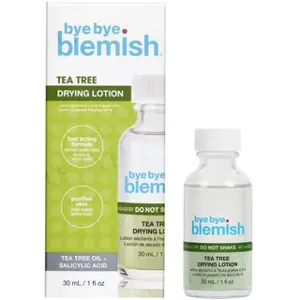
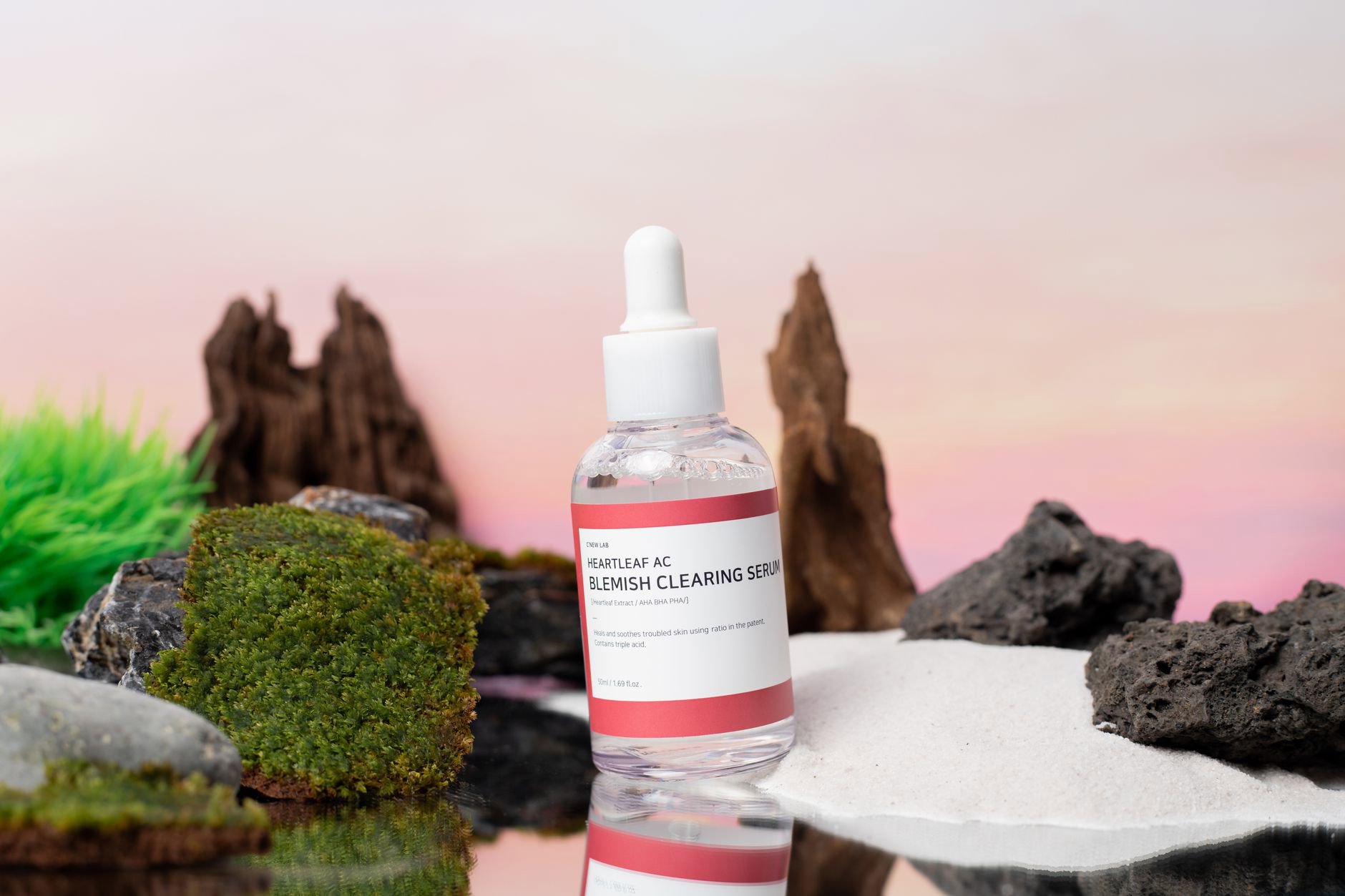
For a classic overnight “dry it out” approach, lotions and correctors can help — but they carry the biggest dryness risk. Mario Badescu Drying Lotion (from £13.00) sits in that category, and it has a long-standing reputation for drying surface blemishes overnight. Use it like a pin, not a paint roller.
For targeted SOS correctors, there are tinted or paste-style treatments designed for localised use. Dr.Jart+ Teatreement Soothing Spot Corrector (from £11.46) is described as a pink, chalky liquid that offers almost-instant relief for blemishes. It’s the kind of product where dot size matters more than frequency.
The golden rules of application (so you don’t peel)
Most irritation comes from three avoidable errors: too much product, too large an area, and too many repeat applications in a day.
We use a simple framework.
- Rule 1: Treat the spot, not the whole zone. If the blemish is 4mm wide, your product dot should be about that size. Not a 20p coin.
- Rule 2: Start once daily. Even if the label implies more, your skin often needs a week to show whether it tolerates daily use.
- Rule 3: Choose either an acid or a drying lotion on the same spot. Stacking a salicylic acid serum and then a drying lotion is a fast route to flaking.
- Rule 4: Stop when the spot stops. The moment a blemish looks flat and closed, switch to “hands-off” mode. Over-treating a healed spot drives post-blemish irritation and marks.
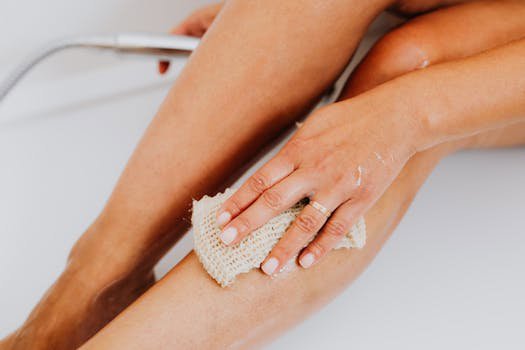
Hydrocolloid patches follow slightly different logic. They work best when you keep them on long enough to absorb fluid. That usually means several hours, not twenty minutes before leaving the house.
THE INKEY LIST Hydrocolloid Pimple Patches (from £7.20) claims visible reduction in 4 hours, which is a helpful benchmark for timing. If you remove a patch too soon, you tend to replace it, and that “constant lifting” can aggravate the skin edge around the blemish.
One more rule. A strict one.
Never apply spot treatments onto broken skin. If you’ve picked, scratched, or you have a raw surface, use a patch only. No acids. No drying lotions. You’re not “treating acne” at that stage; you’re managing a wound.
Layering and timing: where spot treatments sit in a routine
Layering causes confusion because people try to treat spot products like serums. They aren’t. They behave better as “local finishing steps”.
For salicylic acid solutions such as The Ordinary Salicylic Acid 2% Solution (from £6.00), apply to clean, dry skin on the blemish-prone area. Dry matters. Damp skin can increase penetration and make stinging more likely. Wait a couple of minutes before you add anything else to that area.
For drying lotions and chalky correctors like Mario Badescu Drying Lotion (from £13.00) or Dr.Jart+ Teatreement Soothing Spot Corrector (from £11.46), place them last in your evening routine. They need to sit undisturbed. If you layer other products on top, you dilute them and you spread them beyond the spot edge.
For patches (COSRX, Hero, or The INKEY List), you have two good options:
- Option A: Patch on clean, dry skin. Best for a spot with a head or any area you tend to touch.
- Option B: Patch after a tiny amount of localised treatment has fully dried. This can work, but only if the treatment stays within the blemish border. If product sits on surrounding skin, the patch can trap it and increase irritation.
Daytime use matters too. Patches like CosRx Clear Fit Master Patch (from £2.16) aim for daytime wear and quick shrinkage. A patch also reduces “friction breakouts” from scarves, masks, or collar rubbing — a common problem in UK commutes.
If you plan to cover the spot, the patch becomes your barrier layer. That often means less rubbing and less temptation to reapply spot gel at lunch.
One caution: don’t rotate products every day “just because”. If you used an acid last night and you feel dry today, switch to a patch for 24–48 hours. Your skin tends to reward consistency, not constant novelty.
How to minimise irritation with salicylic acid (without losing results)
Salicylic acid earns its reputation because it addresses the gunk inside pores. It also earns its reputation for dryness when people overuse it.
The Ordinary Salicylic Acid 2% Solution (from £6.00) sits at a common effective strength: 2%. That number tempts people into thinking “more nights = faster clearing”. But irritation doesn’t scale linearly. It can spike suddenly after a few good days, especially if your skin barrier runs dry.
We suggest a ramp that looks like this:
- Week 1: Use it 2–3 nights per week, only on active blemishes or congested areas.
- Week 2: Increase to every other night if you see no stinging or flaking.
- Week 3+: Go to nightly use only if you genuinely need it.
- Any time: If you see peeling, step back to patches for a few days.
Application technique reduces risk more than people think. Use a cotton bud or clean fingertip, then press the product into the spot area. Don’t rub it in circles. Rubbing spreads acid onto the surrounding skin and increases micro-irritation.
Also: don’t chase “tingle”. Salicylic acid can work with zero sensation. If you feel burning, you used too much or your skin isn’t ready.
If you want a salicylic option that also flags calming support in its description, Caudalie Vinopure Salicylic Spot Solution (from £11.20) uses 100% natural salicylic acid to unclog pores and includes niacinamide to reduce inflammation plus tea tree essential oil. Essential oils can irritate some skin types, so keep the dot tiny and don’t use it on broken skin.
Patch strategy: the lowest-dryness way to treat a spot
If you only adopt one habit from this guide, make it this: when a spot comes to a head, switch to a hydrocolloid patch.
Hydrocolloid creates a moist healing environment while absorbing fluid and excess sebum. The COSRX patches specifically describe hydrocolloid as “wound-healing” and designed to ward against infection while battling blemishes. That matters because infection risk rises when you touch and pick.
Here’s the method we keep coming back to:
- Cleanse, then wait until the skin feels fully dry.
- Choose a patch size that fully covers the blemish with a small margin.
- Press firmly for 10–15 seconds so the edges seal.
- Leave it alone for at least 4 hours (use the INKEY List timing claim as a practical minimum).
- Replace only when the patch turns opaque or lifts at the edge.
Which patch should you pick?
For value and day-to-day use, CosRx Acne Pimple Master Patch (from £2.16) or CosRx Clear Fit Master Patch (from £2.16) often come in as the lowest entry price in our feeds. For bulk, CosRx Master Patch Intensive (from £4.71) gives you 90 patches, which can reduce cost per spot if you break out often.
For discretion, Hero Mighty Patch Invisible+ 39 Pieces (from £7.99) focuses on an invisible look. If you want a simpler patch with fewer pieces, Hero Mighty Patch The Original 24 Pieces starts from £6.39.
Patches also prevent “product creep”. That’s the silent cause of dryness, where spot gel migrates onto normal skin during sleep. A patch stays put.
Targeted correctors: when you need SOS help (and how not to overdo it)
Some spot products sit between skincare and first aid. They often look chalky, tinted, or paste-like, and they aim to calm while they correct.
La Roche-Posay Effaclar A.I. Breakout Corrector (from £12.00) positions as a targeted SOS treatment for localised imperfections, designed for oily, blemish-prone skin and to help prevent residual marks. That “localised” part matters. Keep it localised, and you usually keep your barrier intact.
Dr.Jart+ Teatreement Soothing Spot Corrector (from £11.46) comes described as a pink, chalky liquid with near-instant relief. Products like this tempt people to dot multiple times a day. Resist. Twice daily on the same spot can be too much if your skin already feels tight.
Mario Badescu Drying Lotion (from £13.00) stays a classic “overnight” pick because it aims to purge pores and dry up surface blemishes. The common mistake: shaking it and swiping it broadly. If you use it, use a cotton bud, pick up a small amount, and place it directly onto the blemish head.
One more product worth calling out for a different reason: Eucerin Anti-Pigment Spot Corrector For All Skin Types (from £16.00) targets hyperpigmentation using Thiamidol and a precision applicator for small areas. It doesn’t treat active acne in the description we have, but it can suit the “spot aftermath” phase if marks bother you. Treat marks as marks, and treat acne as acne. Mixing the two stages often leads to overuse.
If you buy spot treatments at retailers like Boots, Superdrug, Space NK, John Lewis, or Cult Beauty, check return policies and mini sizes where possible. Our price tracking shows that “from” prices can shift by retailer and pack size, especially for patch multipacks.
Common mistakes that cause barrier damage (and what to do instead)
Most people don’t need a new product. They need a new rule.
These are the patterns we see again and again in reviews and shopping behaviour.
- Mistake: Treating every bump as acne. If the skin feels rough but not inflamed, reaching for a drying lotion often creates scaling. Do instead: use a conservative dot of The Ordinary Salicylic Acid 2% Solution (from £6.00) only on true clogged areas, or choose a patch only when a spot forms.
- Mistake: Reapplying all day. “Just in case” applications stack irritation. Do instead: pick one daytime intervention: a patch like CosRx Clear Fit Master Patch (from £2.16) or Hero Mighty Patch Invisible+ 39 Pieces (from £7.99).
- Mistake: Combining multiple spot products on the same blemish. Acid + drying lotion + patch can become a mini chemical burn. Do instead: choose one approach for 24 hours, then reassess.
- Mistake: Applying onto damp skin after washing. This can amplify sting. Do instead: wait until the skin fully dries, then apply.
- Mistake: Picking, then treating aggressively. This turns a spot into a wound. Do instead: patch immediately with hydrocolloid and leave it covered for several hours.
- Mistake: Treating “invisible” spots forever. Over-treatment causes lingering redness and flake. Do instead: stop active treatment once the area lies flat, then only use a patch if you need protection from touch.
If you suspect barrier damage (tightness, shine-but-dry feel, stinging with plain water), take a 3-night break from acids and drying lotions. Keep it simple: hydrocolloid patches only on any open or active areas.
And if you want more browsing context on GlamGeek without changing your product type, you can explore broader skin care or jump to adjacent routine steps like Face Toners and Foam & Wash Cleansers as reference points. Just keep your “active” treatment choices targeted.
Practical cheat-sheet: what to do today (morning, evening, and emergencies)
Morning plan (if you wake up with a spot): If the spot has a head, apply a hydrocolloid patch and leave it for at least 4 hours. THE INKEY LIST Hydrocolloid Pimple Patches (from £7.20) gives a clear timing target, but COSRX and Hero work the same way. If you need discreet wear, pick Hero Mighty Patch Invisible+ 39 Pieces (from £7.99) or CosRx Clear Fit Master Patch (from £2.16).
Evening plan (if you want the lowest dryness risk): Patch again on clean, fully dry skin. If you prefer a liquid spot product, choose only one: either La Roche-Posay Effaclar A.I. Breakout Corrector (from £12.00) or Mario Badescu Drying Lotion (from £13.00), applied as a tiny dot at the end of the routine.
Evening plan (if the spot is more “clogged pore” than “whitehead”): Use The Ordinary Salicylic Acid 2% Solution (from £6.00) as a micro-layer on the area, not as a full-face step. If you feel dryness by day three, reduce frequency.
Emergency rule (big event tomorrow): Don’t introduce a new active. This is where patches win because they cover and protect without a high irritation downside. If you need a calming, visible corrector, Dr.Jart+ Teatreement Soothing Spot Corrector (from £11.46) sits in that SOS category, but keep the dot tiny and don’t apply repeatedly.
Finally, remember the economics of spot treating. Our price tracker shows that “cheap per pack” doesn’t always mean “cheap per spot”. A larger patch count like CosRx Master Patch Intensive (from £4.71 for 90 patches) can cost less per blemish than smaller packs, even if the upfront price looks higher.
Want us to turn this into a simple decision tree for your exact skin situation (oily, dry, or combo, plus the kind of spots you get)? Tell us which product type you prefer — acid, drying lotion, or patch — and where you usually shop (Boots, Superdrug, Space NK, John Lewis, Cult Beauty, Lookfantastic).
We’ll map the lowest-dryness options first.