Our price tracker flags clay mask discounts every season, yet the most common feedback in our reviews feed still mentions tightness. Clearer pores should not mean a squeaky, uncomfortable face. You can keep the purifying benefits and skip the sandpaper finish.
Clay works because it absorbs oil and binds debris. That same pull can strip moisture if you push the timing or pick the wrong formula. The fix does not require a bathroom science degree. It needs smart product choice, short wear, and proper buffering.
Use clay as a targeted tool, not a weekly punishment. Skin will look calmer and smoother. Makeup sits better. Pores appear cleaner without that dry, drawn look.
Context: clay, timing, and the UK climate
We have tracked beauty pricing since 2010, across Boots, Superdrug, Space NK, John Lewis, Cult Beauty, Lookfantastic, and Beauty Bay. Clay masks surge in interest before big events and during seasonal sales. Discounts help, but method still decides your result.
British winters run damp but central heating dries skin from October to March. Summer heatwaves come and go. Sebum peaks on warm days, then drops when radiators kick in. Clay feels tempting all year, yet the same routine will not fit every month.
Most ready-made clay masks pack kaolin or bentonite near the top of the INCI list. They land in 50 to 100 ml jars or tubes. Wear time usually sits between 5 and 10 minutes. Push past the sweet spot and you strip lipids. Short contact cleans; long contact dehydrates.
Frequency also matters. Oily skin often tolerates two short sessions per week. Dry or sensitised skin may only want one short session every 10 to 14 days. Those numbers change with weather, hormones, and your cleanser choice that day.
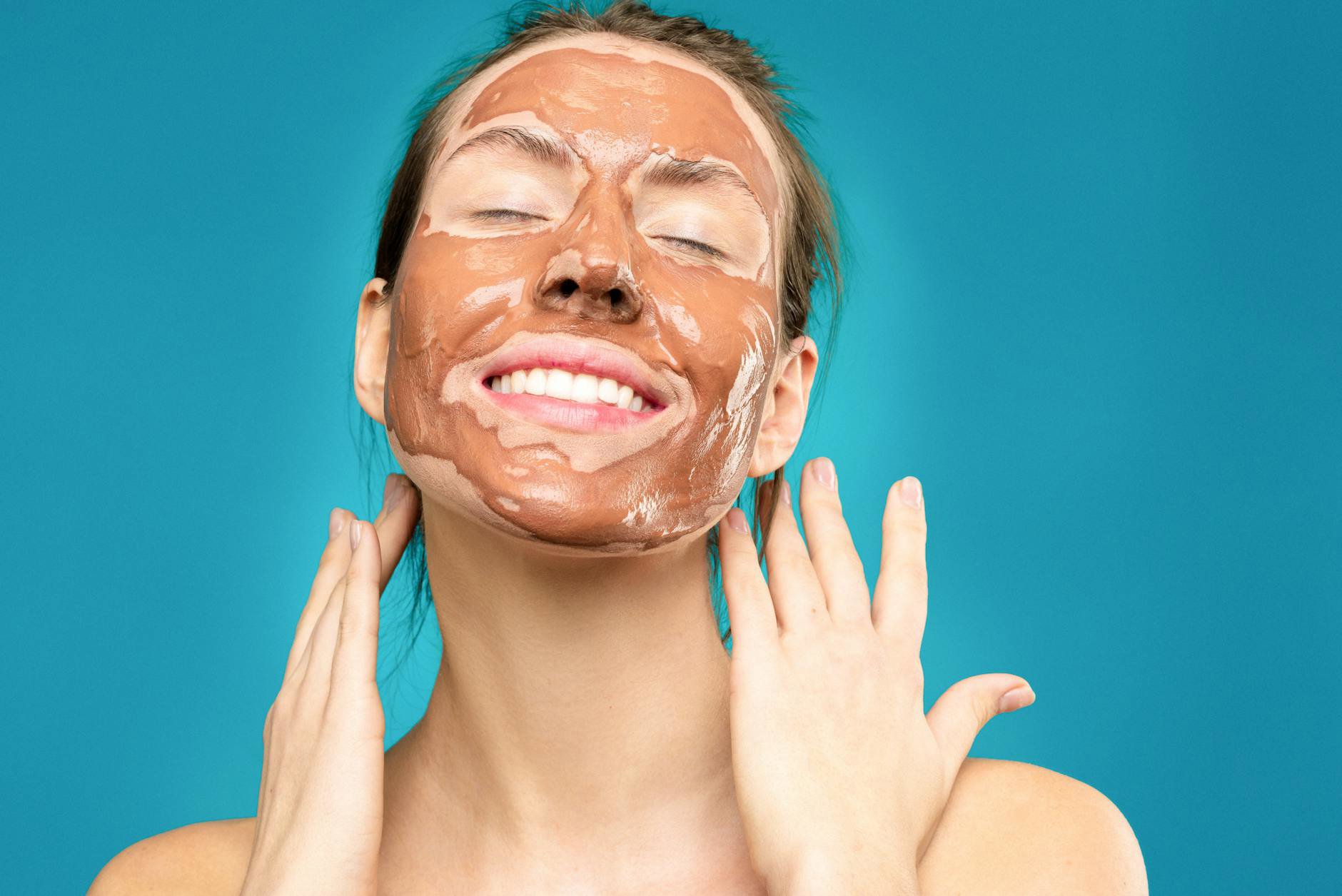
{{IMAGE:woman applying clay mask at home}}Pick the right clay for your skin, not the internet
Not all clays behave the same. Choose the texture and absorbency that matches your skin, then look at extras like acids or charcoal.
- Kaolin: the softest option. It suits normal, dry, and sensitive skin. It lifts light oil and grime without an aggressive pull.
- Illite or French green clay: stronger oil-absorbing power. It works for oily T‑zones and summer shine. Keep the wear short.
- Bentonite: high swell and strong absorption. Use it as a spot treat on blackheads, not full face unless you stay strict with time.
- Rhassoul: silky and mineral rich. Many women with combination skin enjoy its smoother feel and faster rinse.
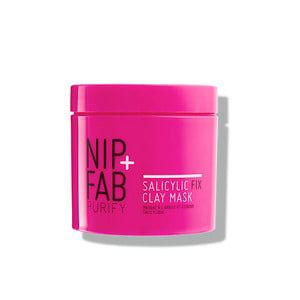
Brands package these clays with helpful extras. The Body Shop often uses charcoal to boost the decongesting feel in its purifying options. The Body Shop masks target oily areas well when you restrict them to the T‑zone. L'Oréal Pure Clay lines sit on the high street at Boots and Superdrug, with blends for glow, purity, or detox. You can check our Face Masks category to compare textures and reviews side by side.
For department store options, Clinique and Clarins both sell clay-based purifiers. Clinique leans fragrance free. Clarins adds plant extracts and a comfortable slip. Shiseido often blends clay with skin conditioners for a less harsh rinse. If you want a budget-friendly pink clay, check Revolution. We track prices across retailers so you can pick the one that fits your skin and your spend.
Short-contact masking beats the dry-and-crack approach
Clay does the most useful work while it stays damp. The minute it turns chalky and starts cracking, it pulls water from your skin. That dry phase gives that tight, uncomfortable feel. You do not need it.
Use a timer. Five to eight minutes suits most faces. Go three to five minutes on drier areas or with bentonite-heavy blends. Focus on the T‑zone for longer, and remove the mask from cheeks earlier. Staggered removal reduces tightness without losing pore clarity.
Spritz the mask lightly if your bathroom air runs dry. A fine mist slows the chalk stage and gives the clay more time to bind oil, not water. Do not drench it. Two or three sprays keep the surface flexible.
Remove with lukewarm water and a soft cloth. Avoid hot water, which strips lipids after you just lifted sebum. Rinse until no residue remains, then pat dry. That last step matters. Rubbing with a towel after clay work can leave cheeks pink and irritable.
Buffer first, cushion after: the no‑tightness routine
Buffering sets your skin up for comfort. Apply a hydrating serum on damp skin before the mask. Pick humectants such as glycerin, hyaluronic acid, or polyglutamic acid. This layer gives the clay less reason to pull from your barrier.
Try one pump from our Day Face Serums category, then spread a thin layer of clay where you need it. After removal, follow with a moisturiser that blends ceramides, cholesterol, and fatty acids. Our Day Face Moisturisers and Night Face Moisturisers sections make it easy to filter by skin type and texture.
Finish with sunscreen in the morning. Clay can leave skin a touch more exposed to the elements. A broad-spectrum SPF protects the fresh surface. Browse our SPF Protection Products for textures that sit well over hydrating layers.
On very dry days, add a final drop of squalane or a light occlusive on the cheeks. Keep oils away from the nose if you fight persistent blackheads. Split the face by needs and your skin will thank you.
Multi‑mask with intention: oil zones here, comfort zones there
Use clay where you need oil control. Use cream or gel masks where you need water and calm. That simple split changes results fast.
Map your face:
- T‑zone: clay for five to eight minutes.
- Cheeks: hydrating mask for ten to fifteen minutes.
- Jawline: spot treat any congestion with a fingertip of clay.
Pair a clay like a L'Oréal blend on the nose and chin with a soothing gel on the cheeks. Keep the products from mixing. Rinse the cheeks first, then the T‑zone. If you prefer one‑and‑done formulas, look for clays cushioned with glycerin and panthenol. The Body Shop, Clarins, and Clinique all sell options that strike this balance. Compare textures in our Face Masks listings and add contenders to your wishlist. We will ping you when the price drops.
A quick word on eyes and lips. Keep clay away from both. The skin there runs thin and dries fast. Use an eye gel or just your normal moisturiser on the orbital bone while the mask sits elsewhere.
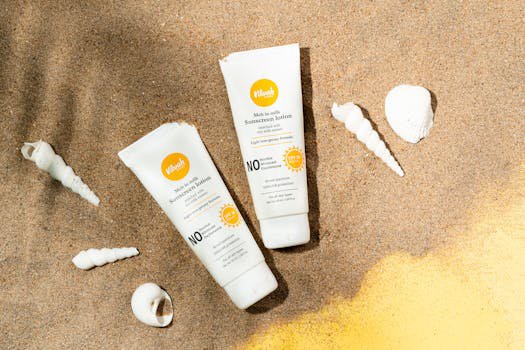
{{IMAGE:flatlay of clay masks and hydrating serums}}Prep and aftercare: the 24‑hour window that decides comfort
You win or lose comfort in the day around the mask. Gentle steps before and after matter more than any trend on social media.
Before you mask:
- Cleanse once with a mild wash. Our Foam & Wash Cleansers list filters by “gentle” and “sulphate free”. Pick one that does not leave you squeaky.
- Optional: sweep on a hydrating Face Toner. Avoid strong alcohol toners, which double down on dryness.
- Do not exfoliate with acids or scrubs before masking. Save those for another night.
After you mask:
- Rinse thoroughly and pat dry.
- Apply a hydrating serum or essence.
- Seal with a moisturiser. Add a drop of oil only on dry patches.
- Use sunscreen in the morning if you masked at night. Protect the fresh, clean skin from UV and wind.
Skip retinoids, strong AHAs, or scrubs on the same day if your skin runs sensitive. If your barrier already feels compromised, press pause on clay for a week. Soothe first. You can restart with a short-contact session when skin looks calmer.
Powder clays vs. ready‑made: how to mix without mishaps
Powder clays give control and long shelf life. They also demand good mixing habits. You decide the strength and slip, so build in hydration from the start.
How to mix one teaspoon of powder clay:
- Add enough water, hydrosol, or aloe juice to form a yoghurt-like paste.
- Blend in two to three drops of glycerin per teaspoon of clay. This step adds glide and reduces tightness.
- Optional: add one drop of squalane if your cheeks run dry. Do not add fragrance oils.
- Make only what you will use. Do not store your mix. Water invites microbes.
You may read warnings about metal spoons and bentonite. A clean metal spoon will not ruin your mask. Focus on hygiene and texture instead. Avoid strong acids like apple cider vinegar if your skin reddens easily. Water gives you enough slip. You can always top up hydration after the rinse.
Ready-made masks cut the faff. They also offer buffers like panthenol, allantoin, and humectants. If your skin dries out easily, a pre-formulated option from Clinique, Clarins, or Shiseido often feels kinder than a raw powder. Check our Face Masks page, then add your picks to your GlamGeek wishlist. We track prices across Boots, Superdrug, Space NK, John Lewis, Lookfantastic, and Beauty Bay, so you do not need to keep checking tabs.
Frequency that fits your skin and the British calendar
Match your schedule to your oil levels and the season. That approach works better than a fixed “Sunday reset”.
- Oily or acne‑prone: mask two short sessions per week in summer. Drop to one in winter if radiators dry you out.
- Combination: mask the T‑zone once or twice weekly. Cheeks may only need a fortnightly session.
- Dry or sensitive: mask once every 10 to 14 days. Keep sessions to three to five minutes and buffer well.
Consider your cycle. Many women notice extra oil in the week before a period. Add one short T‑zone mask that week. Heatwaves can trigger oil and sweat too. Bring in an extra short session, then strip it back once the weather cools.
Do not chase a glass-smooth look with daily clay. You will train your skin to overproduce oil while your barrier breaks down. Measured use leaves you clearer, calmer, and more even.
Pair clay with smart actives, not clashes
Clay plays well with niacinamide, panthenol, and soothing botanicals. It can clash with strong acids on the same day. Build a weekly plan that avoids spike days.
- Good pairings: a niacinamide serum under the mask, then a ceramide cream after. You support pores and barrier in one go.
- Cautious pairings: salicylic acid and clay can over‑dry if you stack them. Keep salicylic to non‑mask days or use a mild BHA toner in the morning and a short clay session at night.
- Avoid on the same night if sensitive: retinoids, high‑strength AHAs, or a rough scrub. Spread them through the week.
Our Face Exfoliants section lets you balance your routine. Add a gentle PHA for smoothness on non‑mask days. Keep your weekly total simple and your skin will respond better.
Spot treat blackheads and breakouts without drying the whole face
You do not need a full‑face mask to clear one stubborn patch. Spot treating saves water and skin comfort.
Steps for smart spot treatment:
- Apply a dab of clay to the nose, chin, or any clogged patch.
- Leave for five to eight minutes. Keep the rest of the face cushioned with serum and moisturiser.
- Rinse and follow with a soothing cream. Skip harsh toners afterwards.
For blackheads, a consistent cleanse matters more than a marathon mask. Pick a gentle daily wash and avoid grimy pillowcases. Our Foam & Wash Cleansers page shows low‑foaming options that still remove sunscreen and city grime.
Shop with your skin in mind: where to buy and how to save
You can find clay masks across the UK market at a wide span of prices. High‑street buys sit at Boots and Superdrug. Department store and niche picks show up at Space NK, John Lewis, and Lookfantastic. Beauty Bay often carries trending blends and indie launches.
Examples many women search for:
- L'Oréal Pure Clay masks for quick T‑zone work. Frequent multi‑buy offers at high‑street chains make these a wallet‑friendly start.
- Clinique clay for fragrance‑free comfort. You can compare prices at Boots and department stores.
- Clarins SOS Purify style masks for oily days, with a smoother slip than many green clays.
- The Body Shop purifying charcoal for targeted decongestion.
- Shiseido for a cushioned clay experience that many find gentler in winter.
- Revolution pink clay options when you want a budget jar for occasional spot‑treating.
Use our comparison pages to check current stock and offers. Add your picks to your GlamGeek wishlist and turn on alerts. We will message you when the price moves, so you can buy during a genuine saving rather than a random scroll.
What this means for your routine
Clay works when you treat it as a precision tool. Pick the right texture for your oil level. Wear it while damp. Buffer before and cushion after. Rinse with care. That routine cleans pores and leaves your barrier intact.
Do not set clay on a weekly autopilot. Adjust with seasons, central heating, and life. Warm week ahead? Add a short T‑zone session. Radiators on full blast? Cut back and focus on hydrating serums and richer creams. Our category pages for Day Face Serums and Night Face Moisturisers make those swaps simple when weather flips.
Sign‑off: your turn
Which clay mask routine keeps your pores clear without that dry, tight finish? Do you run a five‑minute T‑zone or a multi‑mask split? Tell us, and share the products on your GlamGeek wishlist. We track the prices across Boots, Superdrug, Space NK, John Lewis, Lookfantastic, and Beauty Bay, so you can time your next restock well.