Use a hair mask (or conditioning treatment) as often as your hair actually needs it: anywhere from once every 10–14 days for low-damage hair to 2–3 times a week for very dry, fragile, colour-processed lengths.
The trick lies in matching frequency to damage level, porosity, scalp condition, and your goal (softness, frizz control, colour shine, or repair). Too little and hair stays rough. Too much and it turns limp, coated, or weirdly sticky.
Below, we lay out a simple, UK-friendly schedule, the signs you should adjust, and the treatments worth price-watching across retailers like Boots, Space NK, Cult Beauty, John Lewis, and Lookfantastic.
The quick answer: a frequency guide you can follow
If you want a baseline, start with once a week on mid-lengths and ends, then adjust from there.
Our price tracking across UK merchants shows hair treatments swing in cost more than everyday Moisturising & Nourishing Conditioners, so it pays to buy when your preferred one dips. Frequency matters for your budget as much as your hair.
Choose the row that matches you best
- Fine hair, minimal heat/bleach: every 10–14 days. Keep application light and ends-focused.
- Normal hair, some heat or colour: once weekly. Increase to twice weekly in winter if indoor heating dries you out.
- Curly/coily, dry, or high-porosity: 1–2 times weekly. Pre-shampoo treatments often feel easier to rinse clean.
- Bleached, highlighted, or very damaged: 2 times weekly. Add a targeted repair step and shorten shampoo time.
- Swimmers or hard-water stress: 1–2 times weekly, plus a protective mask before exposure.
Need a plug-and-play pick? Olaplex No. 3 Hair Perfector starts from £6.09 and sits well in a weekly routine for hair that feels rough from chemical processing.
For very dry, fragile lengths, Philip Kingsley Elasticizer Extreme starts from £21.00 and targets deep conditioning in higher doses than the original Elasticizer.

Hair type and damage level: how to set your “mask cadence”
Frequency should follow damage, not vibes.
Bleach, permanent dye, relaxing, and frequent heat styling create more porous, thirsty lengths. Those lengths lose moisture faster, so they tolerate (and often need) more frequent conditioning treatments. In contrast, virgin hair with minimal heat often gets weighed down if you mask too often.
If you colour your hair and want shine without heaviness, treatments that focus on hydration and surface smoothness can slot in weekly. Kérastase Soin Acide Chroma Gloss starts from £35.25 and sits within a colour-care routine aimed at shine and a healthier-looking finish for fine to medium hair types.
For hair that feels crunchy or snaps at the ends, consider alternating between a repair-focused treatment and a deep conditioner. Olaplex No. 3 Hair Perfector gets positioned as a weekly at-home treatment that strengthens and smooths, and it often appears in routines built around chemical damage.
Three common profiles (and what usually works)
- Fine, straight, oily roots: mask every 10–14 days; keep product below ear level. If you need more softness, increase contact time, not frequency.
- Thick, wavy, frizzy: once weekly, then add a second treatment only when humidity spikes or ends feel rough.
- Coily, tight curls, high manipulation: 1–2 times weekly, often as a pre-shampoo step to reduce tangling and dryness.
- Swimmers: use a protective treatment before you get in the pool. Philip Kingsley Swimcap Water-Resistant Mask starts from £25.00 and was developed for swimmers to help protect against drying effects.
One more UK-specific reality: damp winters plus indoor heating can make ends feel dry while roots stay fine. In that situation, a two-zone routine helps: treat lengths weekly, and keep the scalp on a separate schedule (more on that below).
Porosity and goals: moisture, frizz, shine, or repair?
Porosity predicts how quickly hair takes in water and how fast it loses it.
High-porosity hair (often bleached, highlighted, or heavily heat-styled) tends to drink up product and then feel dry again quickly. It usually benefits from more frequent conditioning treatments, plus consistent application technique. Low-porosity hair often struggles with buildup, so it does better with less frequent masking and lighter application.
Your goal also changes the schedule. If you want frizz control and manageability, you may do better with shorter, more regular sessions. If you want repair support, a weekly cadence with careful rinse-out can feel more predictable.

Match the goal to the treatment style
- Repair and strength feel: Olaplex No. 3 Hair Perfector (from £6.09) often anchors “once weekly” routines for chemically stressed hair.
- Deep moisture for very dry, fragile hair: Philip Kingsley Elasticizer Extreme (from £21.00) targets very dry and thirsty hair with higher doses of deep conditioning ingredients.
- Classic pre-shampoo conditioning: Philip Kingsley Elasticizer (from £30.00) sits in the “pre-shampoo” camp, which many people find easier to rinse clean than in-shower masks.
- Colour shine and smoother finish: Kérastase Soin Acide Chroma Gloss (from £35.25) fits a shine-first routine for colour-treated hair.
- Humidity and flyaways: amika Frizz-Me-Not Hydrating Anti-Frizz Treatment (from £10.00) sits in the anti-frizz lane and often makes sense when you don’t want an every-wash heavy mask.
Don’t ignore your styling habits. If you blow-dry or straighten several times a week, treat more often. If you air-dry and rarely use heat, you can usually treat less often and still get shine.
And if you keep slipping into product overload, switch to shorter sessions instead of stacking more masks. Ten minutes, properly applied, beats an hour of “hope” on the wrong area.
Scalp-first conditioning treatments: when the roots need help
Many “hair mask” routines fail because the scalp gets ignored.
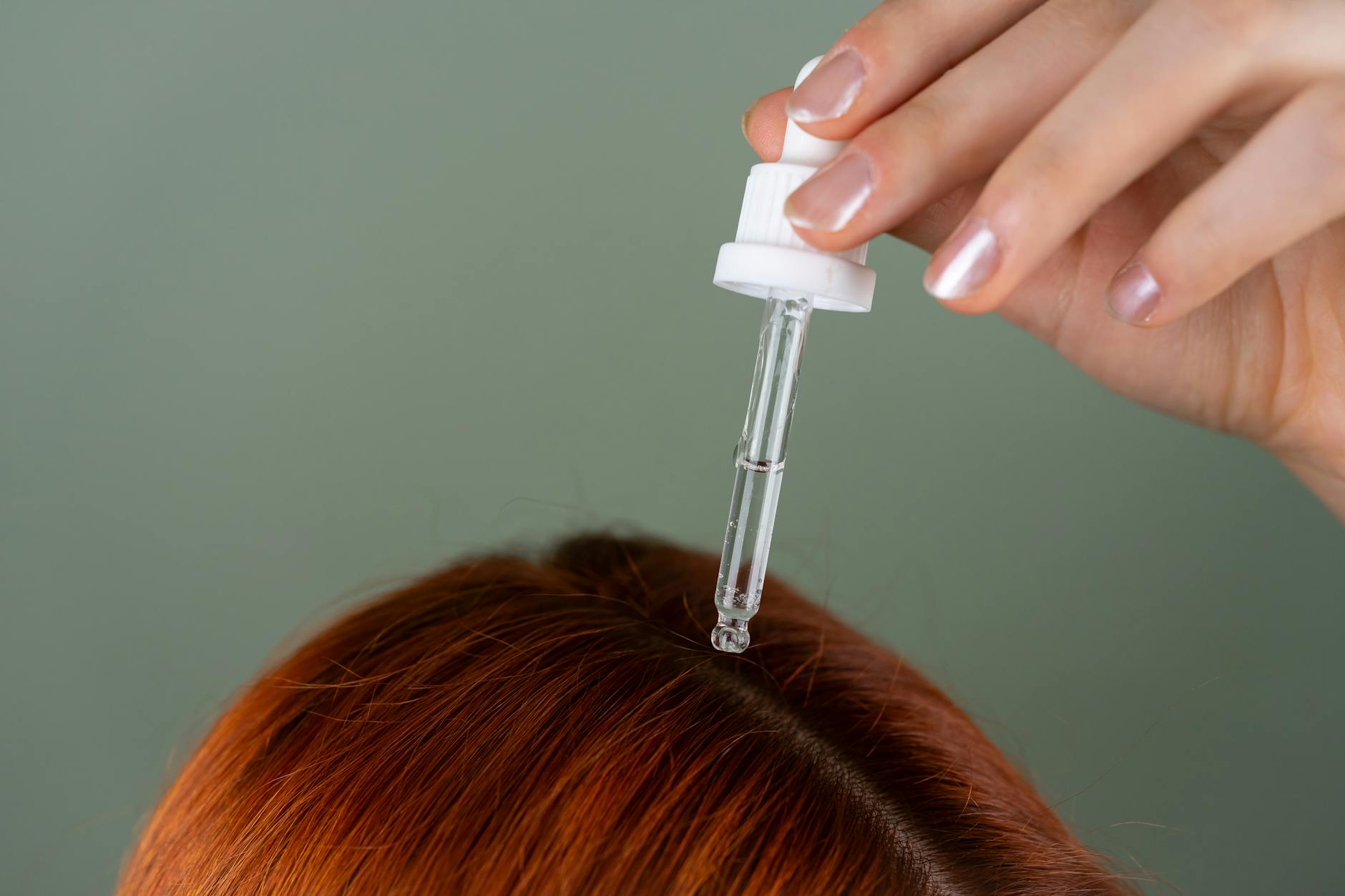
A flaky or itchy scalp can make hair feel drier than it is. Buildup can also stop your conditioner from spreading evenly, so ends stay rough while roots go flat. If you struggle with flakes, oiliness, or redness, set a scalp schedule that supports your length schedule.
THE INKEY LIST Salicylic Acid Exfoliating Scalp Treatment starts from £13.35 and gets described as a lightweight serum that helps remove flakes and itchiness by gently exfoliating, while also balancing oil production and reducing redness.
If you want scalp hydration rather than exfoliation, The Ordinary Natural Moisturizing Factors + Ha For Scalp starts from £11.20 and focuses on scalp hydration and easing discomfort caused by dryness, using ingredients that mimic natural moisturising factors plus hyaluronic acid.
How often should you treat the scalp?
- Oily, flaky, or itchy: start once weekly with a scalp exfoliating treatment, then adjust up or down based on comfort.
- Dry, tight scalp: 2–4 times weekly with a hydration-focused scalp treatment can make sense, because it does not rely on heavy oils.
- Combination scalp: alternate weeks: exfoliate one week, hydrate the next, then reassess.
- Persistent dandruff signs: consider a scalp exfoliating pre-shampoo step like Kérastase Symbiose Micro-Exfoliating Cellular Treatment (from £35.50), which sits in an anti-dandruff exfoliate-and-cleanse routine.
Keep scalp treatments and length masks separate when you can. Your roots rarely need the same richness as your ends.
Signs you’re over-conditioning (and what to change fast)
Over-conditioning looks like “soft” hair that behaves badly.
It can show up as limpness, dullness, or strands that feel coated and take ages to dry. Some people describe a stretchy, gummy feel when wet. Others notice curls lose their spring. None of these signs mean you should quit treatments forever. They mean your frequency or placement needs a reset.
Common over-conditioning signs
- Hair feels flat at the roots within hours.
- Lengths feel slippery but not smooth, like product sits on top.
- Hair looks duller even after styling.
- Ends feel too soft and won’t hold shape.
- Scalp feels itchy or congested after rich masks.
First fix: reduce frequency by half for two weeks. If you mask twice weekly, drop to once weekly. If you mask weekly, go every 10–14 days.
Second fix: change where you apply. Keep rich treatments from the scalp, and focus from mid-length to ends. Pre-shampoo treatments can also rinse cleaner for some routines. Philip Kingsley Elasticizer Deep-Conditioning Treatment (from £13.00) and Philip Kingsley Elasticizer (from £30.00) both sit in the pre-shampoo conditioning category.
Third fix: add a scalp reset day. A gentle exfoliating step like Ameliorate Clarifying Scalp Exfoliant (from £8.00) targets flaky, itchy, dry scalp by gently exfoliating, with lactic acid supporting the scalp’s natural exfoliation process.
Signs you’re under-conditioning (and how to build a simple routine)
Under-conditioning looks and feels obvious, but it often gets misread as “I need a haircut”.
Yes, trims help. Still, many people simply need a steadier conditioning schedule. Under-conditioned hair tends to snag, frizz, and feel rough at the ends. Colour-treated hair can look faded faster because shine drops when the cuticle feels raised.
Common under-conditioning signs
- Ends feel dry within a day of washing.
- Hair tangles easily and breaks during detangling.
- Frizz returns even in low humidity.
- Hair looks puffy rather than glossy.
- Bleached sections feel rough compared with new growth.
- You need more heat to style it smooth.
In that case, increase one variable at a time: either add one extra treatment session per week, or extend contact time by five minutes. If you change both, you won’t know what helped.
For dry, brittle ends, a leave-on style treatment can support overnight conditioning. Kérastase Nutritive 8H Magic Night Serum starts from £23.50 and gets positioned to help plump moisture back into fine, brittle ends in a nourishment-focused duo.
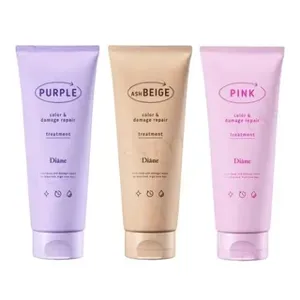
If you want a straightforward “mask day” for colour and damage, NatureLab TOKYO Perfect Beauty Color & Damage Repair Treatment starts from £17.06 and gets described as designed to nourish dry, damaged hair with split ends and maintain colour-treated hair, with a deeply restorative approach.
How to apply a hair conditioning treatment so it works (and rinses well)
Technique controls results as much as the product.
Most complaints we see in reviews boil down to one of three things: too much product, wrong placement, or not enough water during rinse-out. Fix those and you often need fewer masks overall.
A simple step-by-step method (works for most treatments)
- 1) Start with damp hair. Squeeze out excess water. Hair should feel wet, not dripping.
- 2) Section quickly. Two to four sections help you apply evenly without overloading the top layer.
- 3) Apply mid-lengths to ends first. Use what’s left on your hands for the outer layer only.
- 4) Add slip with water. A small splash helps spread product and reduces the urge to add more.
- 5) Time it. Keep it consistent for two weeks so you can judge results.
- 6) Rinse longer than you think. Spend an extra 30–60 seconds rinsing the nape and behind ears, where residue hides.
Pre-shampoo treatments deserve their own note. You apply them before cleansing, then shampoo and condition as normal. That format often suits hair that gets weighed down easily. Philip Kingsley Elasticizer and Philip Kingsley Elasticizer Deep-Conditioning Treatment both sit in that pre-shampoo lane.
For swimmers, apply a protective layer before the pool. Philip Kingsley Swimcap Water-Resistant Mask fits that use case and can reduce the “straw” feeling that shows up after repeated exposure.
Build your weekly plan: three routines that cover most people
Routines should feel boring. That’s how you stick to them.
Below are three schedules that work as templates. They stay within Hair Conditioning Treatments, and they keep scalp and lengths on different tracks. Adjust after two weeks, not two washes.
Routine A: fine hair or low damage (every 10–14 days)
- Wash day: normal wash and condition.
- Every 10–14 days: apply Olaplex No. 3 Hair Perfector (from £6.09) or a light ends-only conditioning session.
- Scalp support as needed: The Ordinary Natural Moisturizing Factors + Ha For Scalp (from £11.20) on dry-feeling weeks.
Routine B: colour-treated or heat-styled (once weekly)
- Weekly shine day: Kérastase Soin Acide Chroma Gloss (from £35.25) if shine and smoothness sit top of your list.
- Alternate weeks: swap in NatureLab TOKYO Perfect Beauty Color & Damage Repair Treatment (from £17.06) when ends feel rough.
- Scalp reset once weekly if needed: THE INKEY LIST Salicylic Acid Exfoliating Scalp Treatment (from £13.35).
Routine C: very dry, curly, or heavily processed (2 times weekly)
- Session 1 (pre-shampoo moisture): Philip Kingsley Elasticizer Extreme (from £21.00) on damp lengths.
- Session 2 (repair support): Olaplex No. 3 Hair Perfector (from £6.09) weekly.
- Optional overnight boost: Kérastase Nutritive 8H Magic Night Serum (from £23.50) on ends when they feel brittle.
- Scalp care: hydrate with The Ordinary Natural Moisturizing Factors + Ha For Scalp (from £11.20), and exfoliate only when flakes return.
Where to buy depends on deals. Our merchant feeds often show these treatments rotating between specialist beauty retailers and department stores, while high-street options appear more during promo cycles. Price-watch before you restock.
Practical tips you can use today (and mistakes to skip)
Tip 1: Treat your hair like two materials: scalp skin and fibre lengths. Use scalp treatments on the scalp, and rich masks on the ends. Mixing them causes most “greasy but dry” complaints.
Tip 2: If you feel stuck, run a two-week experiment. Keep your shampoo and styling the same. Change only mask frequency. Track three things: detangling time, frizz by day two, and how hair feels when wet.
Tip 3: Don’t stack every category in one wash. If you use a scalp exfoliant like Ameliorate Clarifying Scalp Exfoliant (from £8.00), keep your length mask simple that day. Your hair does not need a marathon.
Tip 4: Buy size based on frequency. If you mask twice a week, a pricier option can still make sense when it delivers predictable results. If you mask once a fortnight, you might prefer a smaller buy and spend more on tools or trims instead. (And if you want to browse beyond haircare, GlamGeek also tracks categories like skin care, makeup, and gift, but keep your routine planning separate.)
One last check: if your hair feels better for one day and worse on day two, you likely need more consistent conditioning, not a heavier single mask day.
What’s your hair profile right now: fine and flat, dry and frizzy, or damaged and snappy? If you share your hair type and how often you wash, we can point you to the most sensible frequency from the routines above.