Niacinamide has gone from niche B-vitamin to aisle-dominating staple. Our retailer feed now shows more daily moisturisers and serums listing niacinamide than retinol. That shift matters. It reflects what many women want in 2026: visible results without constant peeling or sting.
We rate niacinamide for dark spots, redness and bumpy texture. It slots into routines without drama. It makes sunscreen wear nicer. It plays well with others if you introduce it with a plan. Yet the flood of 10% bottles and shouty claims creates confusion. More strength does not always mean more results.
Here’s a clean, realistic way to use niacinamide now. No burning. No pilling. No myths. Just a smart build that fits a UK winter radiator and a July heatwave alike.
Why niacinamide surged — and what the data suggests
Brands leaned hard into niacinamide after 2020. Our price tracker logged a steady rise in launches through 2023–2025, from high-street toners to luxury serums. Retailers placed it in brightening, barrier and oil-control lines. Shoppers clicked. Repeat purchases held up even when actives fatigue set in elsewhere.
Behind the hype, the science stayed steady. Dermatology journals have discussed niacinamide for years, mainly at 2–5%. Studies linked it with lower sebum, reduced redness, tighter-looking pores and fewer dark marks from breakouts. You do not need double-digit percentages to see these shifts. Formulation quality and patience drive outcomes.
The UK climate helps the case. Central heating dries skin from October to March. Summer brings sweat and makeup melt. Niacinamide supports ceramides, which help the barrier handle both swings. We see brands fold it into sunscreens and daily creams for that reason. It’s one of the few actives that behaves in morning and evening without fuss.
Our merchants list huge price gaps across retailers for niacinamide-led products. We’ve tracked the same item at full price in one store and much lower in another during a flash promo. Use the GlamGeek price comparison before you check out. Add products to your wishlist and we’ll alert you when the price drops.
{{IMAGE:woman applying serum}}How niacinamide actually works on spots, redness and texture
Niacinamide stands on four practical pillars. First, barrier support. It signals skin to make more ceramides and free fatty acids. That reduces transepidermal water loss. Hydrated skin looks calmer and less blotchy. Makeup sits better. Rebound oil can ease when the barrier holds.
Second, pigment transfer. Niacinamide slows the handover of melanin from pigment cells to surrounding skin cells. That helps post-spot marks soften with regular use. It won’t bleach skin. It nudges an uneven patch back towards your baseline tone. Pair it with daily SPF for best results. UVA will undo gains if you skip protection.
Third, oil balance and pore appearance. Niacinamide can reduce excess sebum with routine use. Lower oil and better hydration make pores look smaller. Pores don’t open or close. They appear larger when clogged or dry. Fewer blockages and less shine help texture look refined.
Fourth, redness and sensitivity. It calms visible redness by lowering inflammatory signals. Rosacea-prone skin often handles niacinamide, especially in a moisturiser base. Always patch test. Keep fragrance low. Avoid mixing four actives on the same night if your cheeks flush easily.
None of this works overnight. You need four to eight weeks for tone and texture, and longer for stubborn marks. The wins arrive in small, steady steps. That’s fine. Skin that improves without flare-ups beats a quick flip followed by backtracking.
Pick the right strength and the right format
We see two traps in 2026: chasing a 10–15% number and layering niacinamide from four bottles. You do not need that. Start with 2–5% in a serum or moisturiser. Sensitive skin often prefers the moisturiser route. Oilier skin often enjoys a watery serum under SPF.
How do you spot the percentage? Some labels state it. Many do not. If the INCI places niacinamide within the first third of ingredients, expect a meaningful level. If it sits near the end, think support, not star. Both can help. A gentle cream with niacinamide still supports your barrier during retinoid use.
Formats to consider:
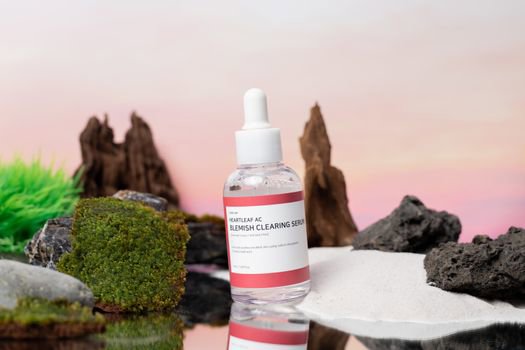
- Serum: direct, fast, easy to slot between toner and cream. Search our Anti Ageing Face Serums and Day Face Serums for options across budgets.
- Moisturiser: cushioned delivery for reactive skin. Browse Day Face Moisturisers and Night Face Moisturisers.
- Toner/essence: light layer for oilier skin. Keep fragrance low. Check our Face Toners.
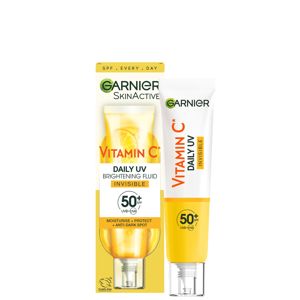
- SPF: brands now blend niacinamide into sunscreen. You get calm, matte skin and protection in one. Compare in SPF Protection Products.
For autumn and winter, we lean moisturiser or serum plus moisturiser. Radiators pull water out of skin. You need cushion. For spring and summer, a serum under SPF keeps shine down without a heavy base. UK heatwaves arrive fast and leave quickly. Keep a flexible format and adjust with weather.
We also watch for texture quirks. Some high-percentage serums pill with sunscreen. If you see rub-off, switch to a lighter serum or a niacinamide moisturiser. Brands like Garnier, L'Oréal and Clinique offer cushioned options that sit well under makeup.
Niacinamide with retinol, acids and vitamin C — smart pairings
Niacinamide plays well with many actives when you structure the routine. It buffers retinoids. It balances acid nights. It supports brightening alongside vitamin C. The trick lies in order, spacing and frequency.
With retinol or retinal: apply niacinamide first or use a moisturiser containing it. You can also sandwich your retinoid with a light layer of niacinamide moisturiser before and after. That reduces sting and improves tolerance. Build retinoids slowly. Keep niacinamide steady through the week.
With acids (AHA/BHA/PHA): niacinamide calms the day after a strong exfoliation. You can use both on the same night if your skin handles it, but most women get better outcomes spacing them. Try acids two nights a week and niacinamide most nights. Check our Face Exfoliants to compare acid formats.
With vitamin C: the old internet myth said “don’t mix them”. Modern formulas sit fine together. Pure ascorbic acid wants a low pH and can feel spicy. Many women prefer vitamin C in the morning and niacinamide morning and evening, or vitamin C in the morning and niacinamide at night. If you want both in one routine, place a vitamin C serum on clean skin, let it settle, then layer a niacinamide moisturiser.
With azelaic acid and arbutin: these partners support pigment and redness. Use azelaic acid on alternate nights if you flush. Layer niacinamide as moisture support. Targeted brightening serums from Clarins, Lancôme and Estée Lauder often blend these families. Check our comparison tool to avoid duplicate actives across products.
What to avoid? Not much, but do not stack four stinging steps in one go. Skip a strong peel, retinoid, vitamin C and a 10% niacinamide back-to-back on the same night. That pattern breeds irritation, not results. Spread the load. Your skin prefers consistency.
Build a realistic 2026 routine for three common goals
Dark spots and post-acne marks:
- AM: cleanse with a gentle gel from our Foam & Wash Cleansers. Apply vitamin C if you use it. Layer a 2–5% niacinamide serum. Seal with a hydrating cream and broad-spectrum SPF. Reapply SPF if you spend hours outside.
- PM: cleanse. Use niacinamide again. Add a retinoid two to four nights per week. Keep two nights free with just moisturiser to protect your barrier.
- Optional: add azelaic acid on alternate nights. Watch for dryness. Patch test first.
Redness-prone or reactive skin:
- AM: rinse or use a creamy cleanser. Apply a niacinamide moisturiser rather than a serum. Keep fragrance minimal. Use a soothing SPF from our SPF Protection Products.
- PM: cleanse. Apply niacinamide moisturiser again. Add a gentle retinoid only after four calm weeks if you want extra texture support. Keep acid use light or rare.
- Optional: try a barrier serum with ceramides and cholesterol. Check Day Face Serums for barrier-focused picks.
Oily, congestion-prone skin:
- AM: cleanse. Use a lightweight niacinamide serum. Top with a matte SPF. Pair with blotting down the T-zone at lunch if needed.
- PM: double cleanse if you wear makeup. Use niacinamide. Add a BHA one to three nights per week. Slot a retinoid two nights if breakouts persist.
- Optional: a clay mask once a week. Browse Face Masks for oil-control picks.
Keep it boring and consistent. You want a stable baseline. Add one change at a time. Track your skin with photos under the same bathroom light once a fortnight. Little gains add up.
{{IMAGE:niacinamide skincare flatlay}}Reduce irritation: three habits that make the difference
Patch test on your jawline for three nights. That tiny square of skin tells you if a formula stings or goes red. If it does, stop. Try a different base or a lower-percentage serum. Many women tolerate niacinamide in cream when serum causes itch.
Apply on damp-not-dripping skin for glide, then seal with moisturiser. If your retinoid tingles, buffer it. Put on a thin layer of moisturiser, then your retinoid, then a niacinamide cream. This sandwich lowers sting without blocking action. It also improves comfort during winter heating and after plane travel.
Manage frequency like a pro. You can use niacinamide twice daily. But you might not need to. If you also use acids and a retinoid, keep niacinamide once daily and a moisturiser-based second hit if you want the comfort. Drop to alternate days if you get warmth or tightness.
Check the rest of your routine for duplicates. Many SPFs and cleansers now include niacinamide. If your serum, moisturiser and SPF all carry it high on the INCI, you may overload. One high-exposure step plus supportive steps works better than three high-exposure layers.
Finally, keep fragrance and alcohol low if your cheeks flush. Scan our brand pages for fragrance-light ranges from Clinique and The Body Shop. You can filter by product type and then compare prices across Boots, Superdrug, Space NK and Lookfantastic in one place on GlamGeek.
Shopping smarter in 2026: formulations, formats and fair prices
Formulation matters more than the number on the label. A silky serum with 4% niacinamide and good humectants often beats a gritty 10% that pills. Scan for glycerin, panthenol and beta-glucan. These support the calming effect. Look for light polymers that help layer under SPF without rub-off.
Choose packaging that keeps air and light out. Opaque bottles and pumps keep formulas stable. Brands from high street to luxury meet this now. We see strong niacinamide-led products from Garnier, L'Oréal, Clinique, Clarins and Shiseido. Different textures suit different skin types. Use samples where retailers offer them.
Mind the mix in sets and kits. Gift sets can double up on niacinamide. That can help, but it can also crowd your routine. Check ingredient lists, then decide whether to use both or park one. Our product pages list key ingredients and user reviews, so you can plan before you buy. Explore value in Skin Care Sets.
Prices move more than you think. Our tracker often spots a brand-led promo at one retailer and a sitewide code at another. The same serum can swing widely across Boots, Superdrug, Space NK, Cult Beauty and Lookfantastic in the same week. Save it to your GlamGeek wishlist and we’ll ping you when a better price appears.
Do not overpay for a percentage number. Pay for feel, wear, consistency and the rest of the formula. A mid-strength niacinamide that vanishes under makeup usually beats a harsh hit that pills with your SPF and Liquid Foundations.
Myths we still hear in 2026 — and what actually helps
“Niacinamide causes purging.” It doesn’t work like retinoids or exfoliating acids. If spots pop up, the formula may include other actives, or the base might not suit you. Check the label for acids or fragrance. Reduce use and patch test another option.
“You can’t mix niacinamide with vitamin C.” Modern chemists solved stability issues long ago. You can layer them. If your skin stings with pure ascorbic acid, space them by time of day. Use vitamin C in the morning, niacinamide at night. Or pick a derivative vitamin C if you want one-step comfort.
“Higher percentage equals faster results.” Not necessarily. Many studies used 2–5%. Some women find 10% fine. Others flush. Start lower. Increase only if you need more. If a 4% serum plus consistent SPF fades marks, you do not need to push higher.
“Niacinamide shrinks pores.” Pores do not tighten like a cord. Skin can look smoother when oil drops and clogs clear. Niacinamide helps that picture. Add a BHA a few nights a week for best effect. Keep hydration strong so pore edges do not look rough.
“It replaces sunscreen for hyperpigmentation.” No active replaces sunscreen. Niacinamide helps even tone, but UVA exposure keeps brown marks hanging on. Use SPF daily. Consider a hat on bright days. Top up if you sit near big office windows.
How to fit niacinamide around makeup without pilling
Pilling kills compliance. Fix it by simplifying layers and choosing compatible textures. Use a light niacinamide serum. Let it settle for a full minute. Follow with a fluid moisturiser. Then apply SPF. Finish with a thin layer of primer if you use one. Browse Face Primers that sit well over skincare.
Skip heavy silicone in every step. One silicone-rich product often plays better than three. If your SPF has a grippy finish, choose a water-gel moisturiser under it. If your moisturiser feels rich, choose a satin SPF. Adjust one variable at a time.
Keep actives gentle in the morning if you do a full face for work. Use your stronger retinoid or acid nights before quieter mornings. Niacinamide slots into both plans. It gives skin a calm, hydrated base. That makes foundation spread evenly and cling less to dry patches.
We also see success when women fold niacinamide into SPF itself. Many modern SPFs include it. That streamlines the stack. Check our SPF Protection Products and compare textures. Add your preferred SPF to a GlamGeek wishlist so we can alert you when retailers mark it down.
What this means — simple rules that deliver in real life
Keep the routine tight. Choose one main niacinamide step. Build around it with SPF by day and a retinoid a few nights a week if you want extra texture help. If you flush or itch, move niacinamide into your moisturiser step or reduce frequency. Small changes bring back comfort fast.
Pair cleverly, not loudly. Vitamin C works with niacinamide in the morning. Acids sit better on alternate nights. Retinoids behave with a niacinamide buffer. Do not stack everything together. Track outcomes with fortnightly photos and your notes. Adjust only one lever at a time.
Shop with data. Check GlamGeek’s price comparison across Boots, Superdrug, Space NK, Cult Beauty and Lookfantastic before you buy. Use wishlists and price alerts so you catch promos without doom-scrolling. Read reviews on our product pages, then pick the texture that suits your skin and your makeup routine.
Finally, keep SPF non-negotiable. Niacinamide helps tone and redness. Sunscreen protects those gains. The two work as a pair. If your SPF also includes niacinamide, that’s a bonus, not a requirement.
Tell us what you want to fix next
Do you want a calm routine for redness, or a pigment plan you can keep past week three? Which niacinamide formulas sit best under your favourite base? Add your short list to a GlamGeek wishlist, and we’ll watch prices for you. Tell us what you want us to compare next.