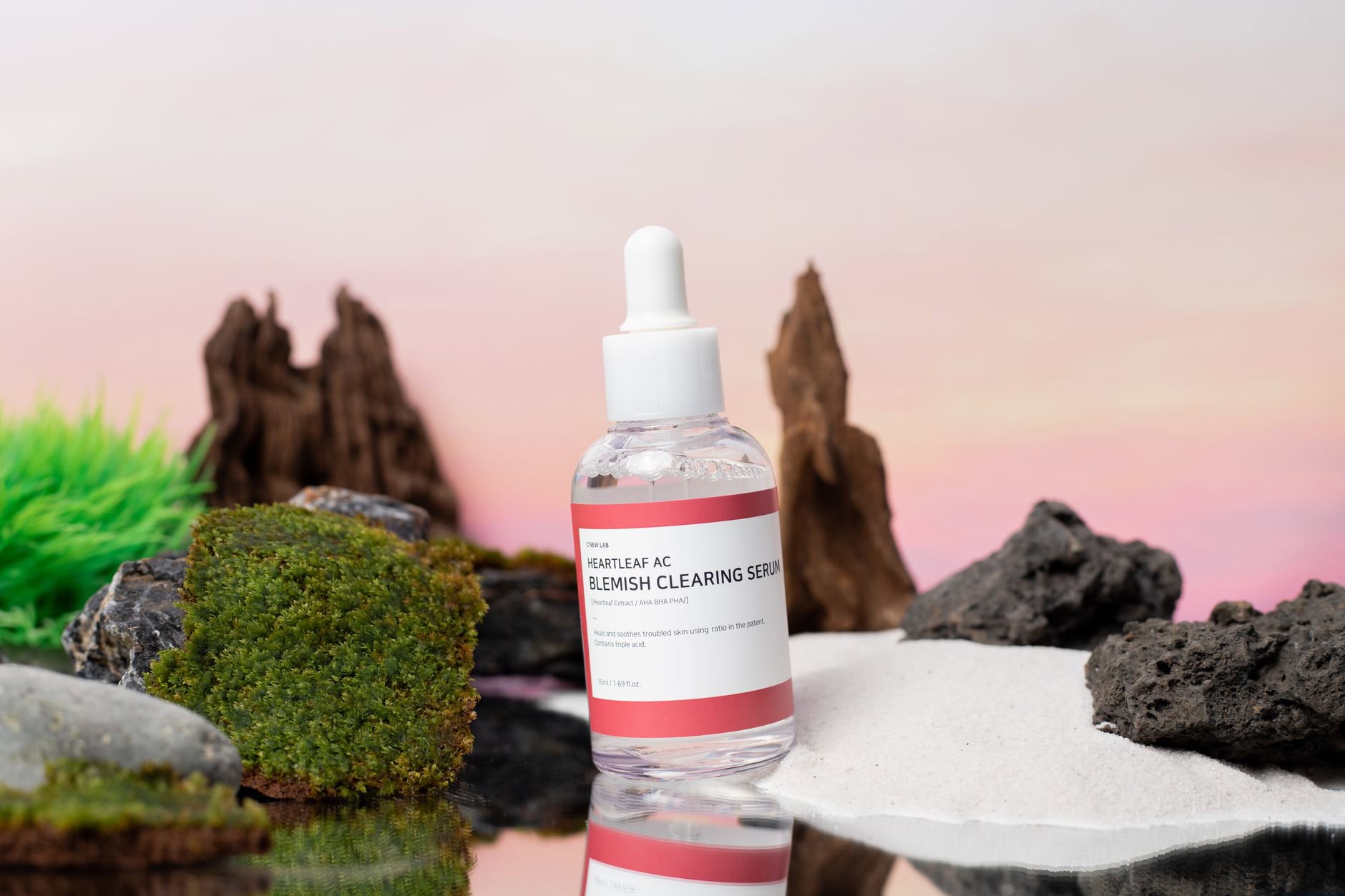
Benzoyl peroxide can clear acne fast, but it can also dry, sting, and trigger flaky patches if you rush it.
The goal is not “maximum strength”. The goal is enough contact to reduce acne-causing bacteria while you keep your skin barrier calm, hydrated, and consistent.
In this guide, we explain what benzoyl peroxide (BPO) does, how to introduce it without wrecking your moisture levels, what to pair or avoid, and how to handle the annoying bits (irritation and fabric bleaching). We’ll also point to acne-friendly moisturisers and serums from our tracked listings, with real UK starting prices where available.
What benzoyl peroxide actually does (and why it dries you out)
Benzoyl peroxide works mainly by releasing oxygen into the pore environment. That matters because the bacteria linked with inflammatory acne do not thrive in oxygen-rich conditions.
It also helps reduce blockage in the pore lining. That combination—less bacterial pressure plus less congestion—can mean fewer angry spots over time.
Dryness happens for a simple reason: BPO can disrupt the outer layer of skin while it does its job. Many formulas also sit in gel bases that evaporate quickly, which can leave tightness behind. If you pile it on, or use it too often early on, your skin barrier can’t keep up.
Barrier stress looks like flaking around the mouth, stinging when you apply other products, or a shiny-but-dehydrated feel that still breaks out. When that happens, people often quit too soon.
We’d rather see a slower start and a routine that lasts.
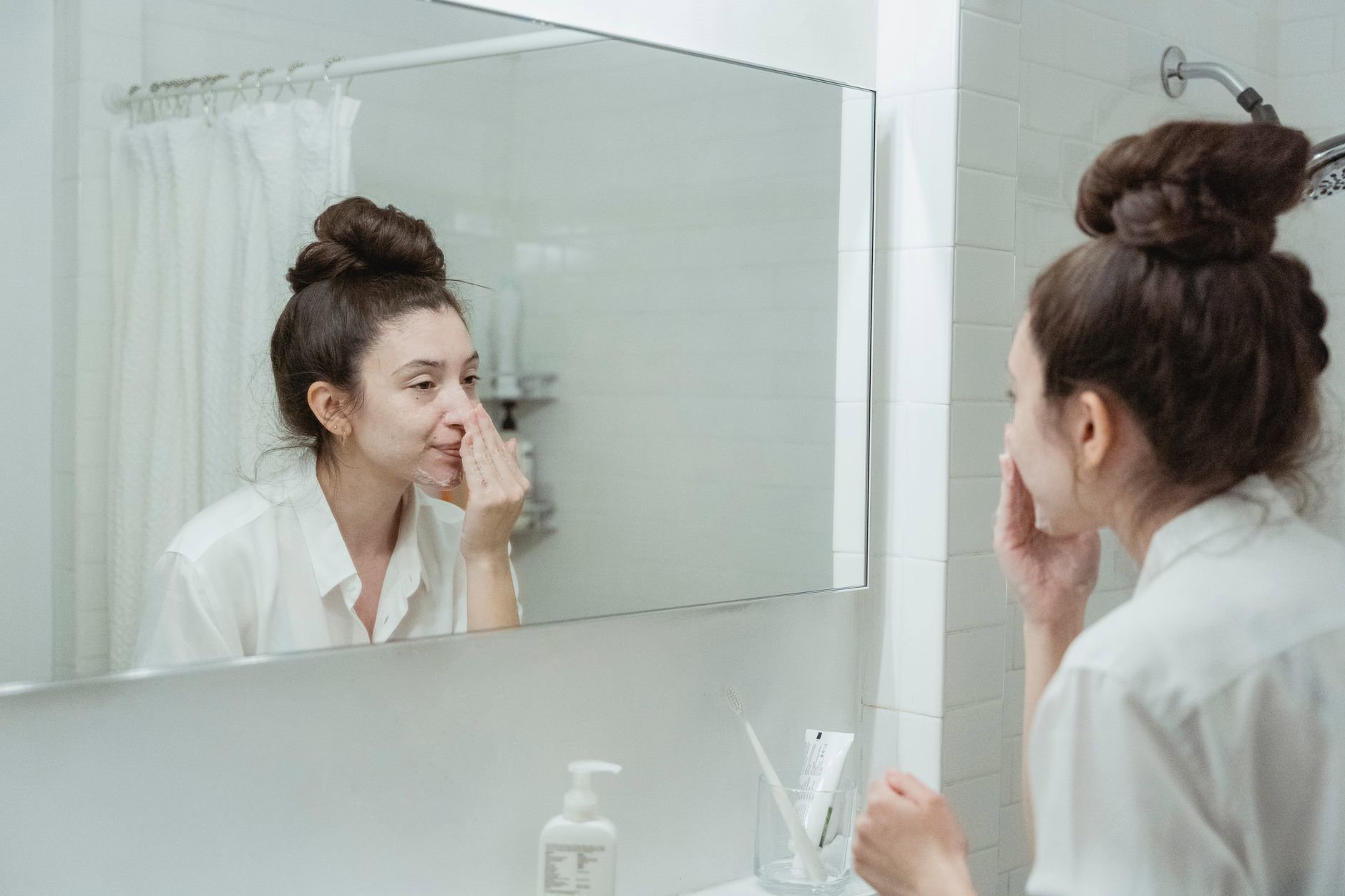
Pick your starting strategy: strength, frequency, and the “buffering” method
Most irritation comes from two variables you control: how much you apply and how often you apply it.
If you already own a BPO product, resist the urge to “spot plaster” the whole face every night. For many people, the better long-term tactic is a thin layer on acne-prone zones a few nights per week, then increase only when your skin stays calm.
A practical ramp-up schedule that tends to work:
- Week 1–2: 2 nights per week, pea-sized amount for the whole acne-prone area (not per spot).
- Week 3–4: 3 nights per week if your skin feels comfortable.
- Week 5+: move towards alternate nights, then nightly only if you truly need it.
- Pause rule: if you get burning or sheet-like peeling, drop back to the prior step for 10–14 days.
Now the key technique: buffering. You apply a moisturiser first, then BPO, then moisturiser again if needed. Buffering reduces the intensity without cancelling the benefit, because you still deliver BPO to the skin—just more gently.
For buffering, you want a moisturiser that supports a weakened barrier. Our tracked listings include La Roche-Posay Effaclar H Iso-Biome Moisturiser (from £15.05), which the brand positions as richly hydrating and soothing for sensitive, blemish-prone, weakened skin.
On oilier skin that still peels from BPO, a lighter “comfort layer” can work better than a heavy cream. Bioderma Sébium Mat Control (from £14.00) focuses on mattifying combination and oily skin, with zinc and vitamin B6 mentioned in the product description.
Serum, gel, or moisturiser format: what changes in real life
Benzoyl peroxide itself often comes in gels, washes, or leave-on treatments, but the “dryness management” products around it matter just as much. In our data, shoppers often pair BPO with a calming moisturiser plus a targeted serum for texture or marks.
Here’s how the formats in this acne-and-spot category typically fit into a BPO routine:
1) Barrier-first moisturisers
If BPO makes you feel tight by lunchtime, prioritise moisturiser texture and comfort before you add more actives. Effaclar H Iso-Biome Moisturiser (from £15.05) fits the “support a weakened barrier” brief. For combination skin that still needs shine control, Dr.Jart+ Teatreement Moisturizer -No Colour (from £18.08) targets oily/combination balance while hydrating drier areas, according to its description.
2) Non-BPO serums for pores, marks, and uneven tone
If BPO clears active breakouts but leaves red or brown marks behind, add a dedicated “post-blemish” serum on non-BPO nights. Glow Hub Scar Slayer (from £9.00) positions itself for pigmentation, scarring, dark spots, and uneven tone, with clinically proven results in 4 weeks stated in the description. The Ordinary Aloe 2% + NAG 2% Solution (from £10.32) targets post-blemish marks and uneven tone, with aloe for moisturising support.
3) Spot creams for flare-ups
When dryness hits, you may need to stop full-face BPO for a few days. A targeted spot cream can keep you from picking. CosRx Ultimate Spot Cream (from £8.33) targets spots and blemishes and aims to clear and calm, with a CentellAC-Rx Complex mentioned in the description.
One more note: you’ll see “acne gels” marketed as lightweight hydration. Those can work, but if you already run dry from BPO, a gel-cream that supports comfort often beats a pure gel.
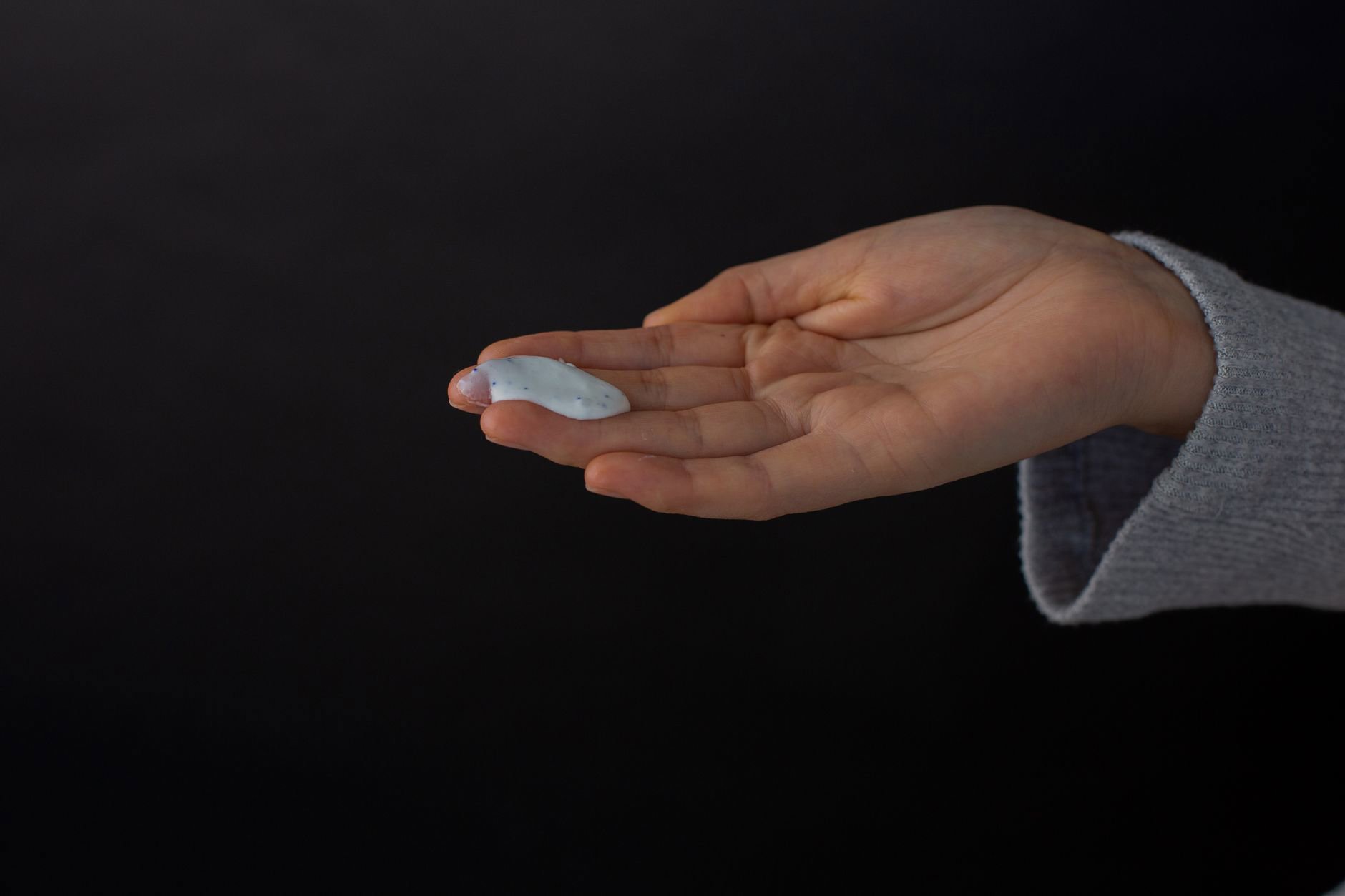
What to pair with benzoyl peroxide (and what to keep apart)
The fastest route to an irritated face is stacking too many exfoliating or antibacterial steps on the same night.
BPO can coexist with other acne ingredients, but timing matters. If you treat everything as “daily”, dryness wins.
Pairing ideas that usually make sense (depending on tolerance):
- Niacinamide on off-nights: it often suits oily, blemish-prone skin and can support the look of enlarged pores. Revolution Blemish And Pore Refining Serum - 10% Niacinamide + 1% Zinc (from £3.00) sits at a very accessible starting price in our tracker and focuses on blemishes and pores.
- “Mark-fading” serums on non-BPO days: Glow Hub Scar Slayer (from £9.00) or The Ordinary Aloe 2% + NAG 2% Solution (from £10.32) fit this job description.
- Comfort moisturiser every time: BPO tolerance improves when you stop “skipping moisturiser to dry the spot out”. It backfires.
- Daytime SPF: not optional if you use strong acne actives, because irritation plus UV can deepen the look of marks. In this product list, La Roche-Posay Effaclar Duo+ Spf30 With Niacinamide (from £15.75) gives you a daily gel moisturiser format with broad spectrum UVA/UVB protection and niacinamide stated in the description.
What to keep apart at first: strong acid blends and retinoids on the same night. People do build up to it, but if your goal is “without drying out”, start with separation. That means BPO nights versus exfoliation nights, not everything together.
If you use an acid-based blemish serum, place it on non-BPO nights while you assess tolerance. From our tracked acne-serum listings, that includes La Roche-Posay Effaclar Serum For Blemish-Prone Skin (from £29.40), which lists salicylic acid, LHA, and glycolic acid in the description, and Caudalie Vinopure Blemish Control Salicylic Serum (from £27.20), which mentions 100% natural salicylic acid (BHA) plus gluconolactone (PHA).
Less is more.
A no-drama routine template (morning + evening) for BPO users
When we look at routines that people stick with, two things show up: simple steps and repeatable pacing.
Here’s a practical framework. It assumes you apply BPO in the evening. If you prefer mornings, you can flip it, but bleaching risk rises with towels and collars.
Morning (daily)
Keep the morning about comfort and protection. If your face feels tight in the damp-and-heated UK winter cycle, you need hydration before you chase “matte”.
- Moisturise: choose based on your skin feel. For barrier stress, Effaclar H Iso-Biome (from £15.05). For shine control, Bioderma Sébium Mat Control (from £14.00).
- SPF moisturiser option: if you want one step, Effaclar Duo+ SPF30 With Niacinamide (from £15.75) combines daily gel moisturiser feel with broad spectrum protection in the description.
Evening (BPO nights)
Use the buffering method and stop treating BPO like a face mask.
- Step 1: apply a thin layer of moisturiser.
- Step 2: apply BPO to acne-prone zones (thin film).
- Step 3: add another small layer of moisturiser if you feel tight.
- Optional: dab CosRx Ultimate Spot Cream (from £8.33) on individual inflamed spots if you want extra local support.
Evening (non-BPO nights)
Pick one active goal. Not five.
- Pores and oil balance: Revolution 10% Niacinamide + 1% Zinc (from £3.00), then moisturiser.
- Marks and uneven tone: Glow Hub Scar Slayer (from £9.00) or The Ordinary Aloe + NAG (from £10.32), then moisturiser.

Managing dryness, irritation, and peeling: troubleshooting that actually works
Dryness from BPO often peaks in the first month. That does not mean it will stay that way, but you need a plan.
Problem: stinging when you apply anything.
Take 3–5 nights off BPO. Use only a soothing moisturiser. Then restart at the last frequency that felt fine. If you jump back to nightly use, the sting returns.
Problem: flakes around mouth, nose, or under makeup.
Flaking often shows up in small, high-movement zones. Apply moisturiser to those zones first, then apply BPO more carefully to the acne-prone areas. Buffering helps because it reduces direct exposure on the flake-prone edges.
Problem: oily at noon but tight after cleansing.
That usually means dehydration, not “too much moisturiser”. A mattifying option like Bioderma Sébium Mat Control (from £14.00) can sit well in the daytime, but we still wouldn’t skip a comfortable night moisturiser if BPO dries you out.
Problem: spots improve, but marks linger.
Keep BPO for active acne control, and add a dedicated post-blemish product on non-BPO nights. Glow Hub Scar Slayer (from £9.00) targets pigmentation and uneven tone in its description, and The Ordinary Aloe + NAG (from £10.32) focuses on post-blemish marks too.
Problem: you want faster results, so you add acids as well.
This is where irritation spikes. If you want an exfoliating acne serum, trial it on non-BPO nights only, once or twice a week. Options in this product list include Caudalie Vinopure Blemish Control Salicylic Serum (from £27.20) and La Roche-Posay Effaclar Serum For Blemish-Prone Skin (from £29.40).
Fabric bleaching, pillowcases, and the other annoyances (plus how to avoid them)
BPO can bleach fabric. That includes towels, pillowcases, collars, and even the edge of a hoodie.
You do not need to quit because of it. You need a system.
- Let it dry fully: wait 10–15 minutes after application before your face hits fabric.
- Use white towels and pillowcases: boring, but effective.
- Apply earlier in the evening: “BPO right before bed” raises contact with pillows.
- Wash hands well: residual product can bleach towels when you dry your hands.
- Keep it away from brows and hairline: it can discolour hair fabric contact too.
If your skin stays dry and you also hate the bleaching, consider whether you can reduce BPO frequency and keep results. Many people maintain progress on alternate nights once acne stabilises.
For daytime, an SPF moisturiser can help reduce the look of marks that linger after breakouts. Effaclar Duo+ SPF30 With Niacinamide (from £15.75) gives that “one product” route in this category.
Product picks from our tracker: what we’d pair with BPO (by skin scenario)
Our price tracking across UK retailers often shows the biggest spreads on French pharmacy staples at Boots and Lookfantastic, while K-beauty spot products can vary more between marketplaces and specialist shops. That makes it worth checking prices before you commit.
These picks stay strictly within the acne & spot moisturisers and serums category list we track.
If you feel dry, sensitive, or “over-stripped”
La Roche-Posay Effaclar H Iso-Biome Moisturiser (from £15.05) makes sense as the buffering layer because the description centres on soothing and rich hydration for weakened, blemish-prone skin.
If you need a second product for marks, keep it gentle and use it on non-BPO nights. The Ordinary Aloe 2% + NAG 2% Solution (from £10.32) targets post-blemish marks and uneven tone, with moisturising aloe mentioned.
If you run oily but still peel from BPO
That combo sounds odd, but we see it constantly. Oily skin can still dehydrate.
Bioderma Sébium Mat Control (from £14.00) focuses on mattifying combination/oily skin. Its description mentions zinc and vitamin B6, both common “balance” cues in acne moisturisers.
For pore appearance support on non-BPO nights, Revolution 10% Niacinamide + 1% Zinc (from £3.00) offers a lightweight option at an entry-level price point.
If you mainly get inflamed individual spots
A targeted product can reduce the temptation to keep reapplying BPO all day.
CosRx Ultimate Spot Cream (from £8.33) targets spots and aims to clear and calm, with a CentellAC-Rx Complex referenced in the description.
If marks and uneven tone bother you more than active acne
Glow Hub Scar Slayer (from £9.00) explicitly targets post-blemish marks, pigmentation, and uneven skin tone, with results in 4 weeks stated in the description.
If you also want a supportive moisturiser base while using BPO occasionally, keep Effaclar H Iso-Biome (from £15.05) in the mix.
If you want “one step” daytime protection for acne-prone skin
La Roche-Posay Effaclar Duo+ Spf30 With Niacinamide (from £15.75) combines moisturiser feel with broad spectrum protection in the description, and it targets clearer skin in 4 weeks.
That matters because acne routines fail when people skip SPF and then chase marks with more and more actives.
Practical tips you can use tonight (and mistakes we see all the time)
Use less product than you think. A pea-sized amount can cover an entire acne-prone zone. If you apply “per spot”, you often apply triple the dose and dry your face out.
Choose consistency over intensity. Three comfortable nights per week beat seven painful ones, because you can keep going long enough to see results.
Put your moisturiser back in the routine. If you want one moisturiser to buffer BPO, start with La Roche-Posay Effaclar H Iso-Biome Moisturiser (from £15.05). If you hate shine, try Bioderma Sébium Mat Control (from £14.00) in the morning and a more comforting layer at night.
Separate your strong actives. If you use an exfoliating acne serum like La Roche-Posay Effaclar Serum (from £29.40) or Caudalie Vinopure Salicylic Serum (from £27.20), keep it to non-BPO nights until your skin proves it can cope.
Plan for bleaching. Dry time, white pillowcases, and earlier application reduce most of the hassle. No drama required.
Where to check prices (and what to do next)
In the UK, shoppers often cross-shop French pharmacy brands at Boots and Lookfantastic, while brands like Revolution can land at very low entry prices across high-street and online retailers. Our price tracker tends to show meaningful swings on staples, so it pays to compare before you restock.
If you want to fine-tune your routine, tell us two things: your skin type (oily, combo, dry) and where the dryness shows up first (mouth, cheeks, everywhere). Should benzoyl peroxide stay as a full-face step for you, or shift to targeted use?