I read that Gen Z and Millennial women spend £6,648 a year on beauty and wellness trends, and my first thought wasn’t judgement.
It was maths.
That number works out at roughly £554 a month. If your routine includes a couple of impulse “viral” buys, a top-up of staples, and the occasional treat from Space NK, I can see how it happens. The part that stings is how much of that spend doesn’t even show up on your face, hair, or mood by Friday.
I’m not here to tell you to stop enjoying beauty. I’m here to help you enjoy it on purpose.
Why 2026 beauty trends feel so expensive (and why it’s not your fault)
Beauty grew fast in 2025, and the momentum hasn’t slowed. Big trend trackers and retailers keep serving micro-trends at high speed: “skin streaming”, AI personalisation, adaptogens everywhere, and sustainability labels that look like GCSE coursework.
When trends arrive weekly, your brain treats them like limited-time offers. You don’t just buy a serum. You buy the feeling that you’re “keeping up”. That’s how a £12 impulse purchase becomes a monthly habit.
Boots calling out “six trends” for 2026 matters, because it signals what will land in end-caps and 3-for-2s. That can be a blessing if you shop strategically. It can also become a trolley full of “maybe” products that never beat your existing staples.
My rule for 2026: I only pay trend prices for trend proof. If a product can’t earn a permanent slot after four weeks, I don’t repurchase it.

My 2026 “trend filter”: the 4 questions I ask before I buy
If you’re the kind of woman who saves TikToks at midnight and wakes up convinced you need a new toner, this section will save you real money.
I run every trend through four questions. I do it in the shop aisle. I do it on Cult Beauty at 1 a.m. I do it when a friend swears a supplement changed her skin “overnight”.
- What problem does this solve in my actual week? Not my fantasy week. My real one. If your skin only flakes when you use a retinoid too often, the fix might be frequency, not a new cream.
- What’s the mechanism? I want a plausible reason it works. For skin, that usually means humectants (glycerin), barrier lipids (ceramides), proven actives (niacinamide, retinoids, azelaic acid), or UV filters.
- What’s my cheapest “test” version? I’d rather trial a category via a mini size or a solid drugstore option than commit to a £50 bottle on a hunch.
- What will I stop buying if I buy this? If the answer is “nothing”, it’s not a routine addition. It’s just spending.
GlamGeek’s price tracking shows when a product repeatedly drops in promotions. That matters because some “new” launches become predictable discount items within months. I wait.
Skin streaming, but make it effective: a tight routine that still feels lush
Skin streaming gets positioned as minimalism. In practice, it’s efficiency. You keep the steps that change your skin, and you stop double-booking products that do the same job.
Here’s what I keep in a streamlined routine, and why it works.
Step 1: Cleanse like you mean it. If you wear long-wear base or SPF daily, a proper cleanse matters more than another serum. I like a no-drama wash cleanser in the Foam & Wash Cleansers category for morning, and a richer cleanse at night if I’ve worn makeup. If your skin feels tight after cleansing, that’s not “clean”. That’s barrier stress.
Step 2: One active, not five. Pick one main active for the season you’re in. If you want brightening and calmer pores, niacinamide fits. If you want smoother texture, a retinoid fits. If you want fewer breakouts with less irritation, azelaic acid often behaves better than strong acids. I file these under Day Face Serums or Anti Ageing Face Serums, but the label matters less than the ingredient.
Step 3: Moisturiser that matches your life. If you sit in heated offices and your cheeks sting by lunch, you want barrier-supporting lipids and humectants. If you get shiny fast, you want lighter textures but still some glycerin. I browse Day Face Moisturisers for daytime and Night Face Moisturisers for comfort at night.
Step 4: SPF every day you see daylight. This stays non-negotiable, even when trends change. Shop the SPF Protection Products category and pick a formula you’ll use generously. If you hate the feel, you won’t apply enough. That’s the whole story.
Want it to feel indulgent without adding ten steps? Add one Face Masks night a week. That’s pleasure with boundaries.
Adaptogens and “wellness skin”: what I buy, what I skip
The adaptogen trend makes sense emotionally. When you feel stressed, you want your routine to act like a soft jumper. I get it.
Topicals with soothing plant extracts can feel lovely, but adaptogens don’t replace basics. If a product leads with ashwagandha yet skimps on glycerin, ceramides, or a decent emollient base, it often reads better on the marketing page than it performs on dry skin.
What I do rate for “wellness skin” is anything that supports the barrier and reduces inflammation triggers. Look for:
- Glycerin for hydration that actually sticks around.
- Niacinamide for barrier support and oil regulation at sensible percentages.
- Panthenol for comfort when your skin feels reactive.
- Ceramides + cholesterol + fatty acids for that “my face stopped complaining” effect.
Where I skip: pricey “stress sprays” that are basically scented water, and anything that promises hormone balancing via a face mist. If you love a mist for the sensory moment, buy it for the moment. Don’t buy it as treatment.
If you want a wellness-feel product that earns its keep, I often point women towards body care. A good Shower Gels & Body Washes and a proper Body Lotions routine changes how you feel in your skin, fast. That’s not shallow. That’s nervous system hygiene.
TikTok hacks: the ones I’ll try, and the ones I won’t touch
Every few months, TikTok serves a hack that looks clever, chaotic, or both. Some are harmless technique tips. Some are a direct route to irritation.
Let’s get blunt about the unsafe stuff. Baking soda on skin belongs in the “please don’t” folder. It’s too alkaline. Your skin barrier likes a mildly acidic pH. Throwing baking soda into the mix can disrupt that balance and leave you dry, stingy, and more reactive.
Now, what does work? Usually, it’s not a weird ingredient. It’s better application.
My safe, useful “hack” shortlist
- Short-contact cleansing for irritation-prone skin. If you over-cleanse, wash for 20 seconds, rinse, and stop. Don’t scrub until you squeak.
- Moisturiser on damp skin. This traps water with humectants and reduces tightness. Simple. Effective.
- Powder placement instead of powder overload. Press powder where you crease, not everywhere. Your glow stays alive.
- Lip liner as a stain base. Fill the whole lip, then top with balm. Check Lipsticks and Lip Balms & Creams for pairings.
When a hack involves food, household cleaners, or anything that tingles like regret, I opt out. I’d rather spend my money on products designed for faces than spend my time repairing my barrier.
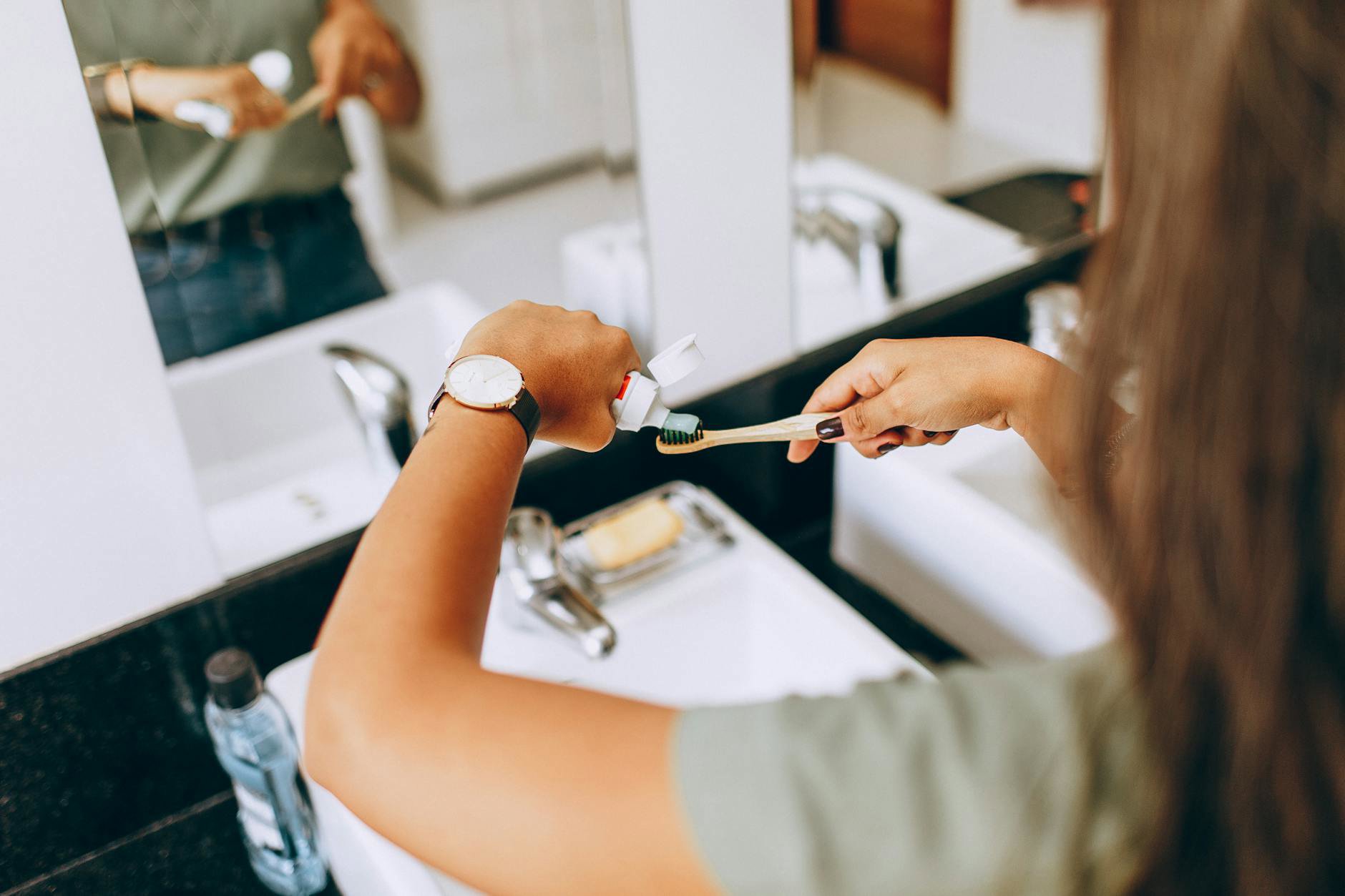
Sustainability in 2026: how I shop without falling for green gloss
Sustainability headlines keep multiplying: eco scoring, refillables, zero-waste packaging, awards, nature-positive campaigns. I love the intent. I also know how quickly “eco” becomes a label you pay extra for without getting clarity.
Here’s what I look for, in plain terms.
First: less churn. The most sustainable product is often the one you finish. If you buy three half-used cleansers a month, the packaging footprint stacks up fast. I’d rather you find one cleanser you like and use it up.
Second: refills that make sense. Some refills cost almost the same as the original. That’s not a refill. That’s theatre. When refills save meaningful money and reduce packaging, I’m in. Brands like The Body Shop have long played in the refill space, and it’s worth checking what’s available locally.
Third: packaging that matches the formula. Actives like vitamin C and retinoids need stable packaging. If a “natural” brand puts a fragile formula in a pretty jar, you may waste product through oxidation. That’s sustainability failing at the first hurdle.
Fourth: buy concentrates where it suits you. In haircare, concentrated masks and treatments can be good value because you use less per wash. Browse Hair Masks when your lengths feel like straw, and commit to finishing one tub before you chase another trend.
Hair trends I’m backing in 2026: “expensive hair” on a normal budget
Hair trends feel loud online, but the most flattering ones in real life look quietly polished. Shine. Movement. A clean scalp. Ends that don’t look like you fought a round with a straightener.
If your hair goes flat by lunch regardless of what you use, start at the scalp. Many women don’t need a stronger shampoo. They need a better rinse and less conditioner near the roots. Keep your conditioner from mid-length down, and use a lighter option from Moisturising & Nourishing Conditioners if you get greasy easily.
If your lengths feel dry but your roots get oily, you need two strategies at once. Clean scalp, protected ends. That can mean rotating shampoos in the Moisturising & Nourishing Shampoos category with a clarifying wash when needed, then using a mask only on the last third of your hair.
Product-wise, I respect both salon and drugstore when they perform. Kérastase makes beautiful-feeling treatments if you want the sensory luxury, and L'Oréal often nails textures and slip for less. I decide based on how often I’ll use it. If I’ll use it weekly, I’m happy to spend more. If I’ll use it once a month, I buy the solid affordable option and move on.
One more thing. Heat technique beats heat products. If you’re the kind of person who leaves her heat tools on all morning, buy a plug timer and protect your ends. That’s not boring. That’s grown-up beauty.
Fragrance as self-care, not a status signal (and how to buy smarter)
Wellness culture keeps trying to turn everything into a “routine”. I refuse to make fragrance a chore. I want it to feel like a small private pleasure, even if I’m just doing the school run and answering emails.
If you want better value from perfume, start with concentration and usage. Eau de Parfum Perfumes usually last longer than Eau de Toilette Perfumes, but you don’t always need the stronger option. For office days, an EDT can feel cleaner and easier.
My budget-smart buying rules are simple:
- Test on skin, not blotters. Your skin chemistry changes dry-down. Give it an hour.
- Buy the size you’ll finish. A half-used 100ml bottle is wasted money, even if the cost per ml looks good.
- Use body care to “extend” a scent family. A softly scented Body Creams in a similar vibe makes perfume feel fuller without overspraying.
- Watch for predictable promo cycles. Department stores and Boots often run repeating offers. I wait when I can.
If you love the glamour of luxury bottles, I’m with you. I just want the purchase to feel intentional, not like panic-buying a personality.
My 2026 “spend map”: where I save, where I splurge
When I try to cut spend, I don’t slash everything. I choose categories where price differences rarely equal performance differences, and I save there.
I often save on: everyday mascara, basic cleansers, and tools that have solid affordable versions. Start with Mascaras and Makeup Brushes & Applicators. A good brush set can outlast multiple trend cycles if you wash it.
I consider spending more on: foundation shades that match perfectly, a signature fragrance, and a hair treatment that you can feel immediately. For base, I look at Liquid Foundations and I get shade matched in person when possible. A wrong shade becomes an expensive drawer ornament.
Brand-wise, I keep a mixed wardrobe. I love a clever find from Revolution or NYX when it performs, and I also respect the polish you get from Charlotte Tilbury when you want that specific finish. For skincare classics, I still rate Clinique for formulas that don’t overcomplicate things.
If you want one ‘treat’ category that still feels practical, I like a well-edited gift set. Check Skin Care Sets or Makeup Sets around seasonal promos, because minis let you test without committing to full sizes.
What this means for your routine (and your bank balance)
If you take one idea from all these headlines, let it be this: trends aren’t instructions. They’re options.
Your routine should serve your real days. The rushed mornings. The “my skin feels weird” weeks. The months where you want to save, and the months where you want a little luxury because life feels heavy.
My practical takeaways:
- Pick one skin goal for four weeks, then reassess.
- Use one main active at a time, and protect your barrier like it’s your best top.
- Stop buying backups until you finish what’s open.
- When you want a treat, choose something you’ll use often: hair mask, body cream, or a perfume you adore.
That’s how you keep the pleasure and lose the waste.
And if you ever feel swayed by the speed of it all, remember: your face doesn’t know what’s trending. It only knows what you put on it consistently.
Tell me where you’re tempted in 2026
Which trend keeps trying to get into your basket right now: adaptogens, AI skin tools, refillables, or TikTok techniques?
If you tell me your skin type, hair type, and your monthly budget comfort zone, I’ll suggest a tight edit that still feels like a treat.