Luxury skincare and makeup keep trying to justify luxury pricing with “breakthrough complexes” and “clinical-grade” claims.
But the UK beauty headlines this year all lean the same way: women want results, not receipts. The real story sits in the middle of those headlines—high-street formulas have improved, and shoppers have become ruthless about value.
So we’re taking a firm stance: 2026 is the year of the smart swap. Use premium where it genuinely buys you something. Save hard everywhere else.
Why we’re calling this a “swap year” (and not just a trend)
The headlines read like a chorus: “drugstore products that rival high-end”, “under £35 favourites”, and “affordable makeup that looks expensive”. None of that feels uniquely British on its own, so we’re going data-led.
Across our merchant feed, the most consistent pattern isn’t one brand “going viral”. It’s behaviour. Shoppers click, wish-list, and buy when the value story looks clear: proven ingredients, sensible textures for UK weather, and pricing that doesn’t punish you for using enough product.
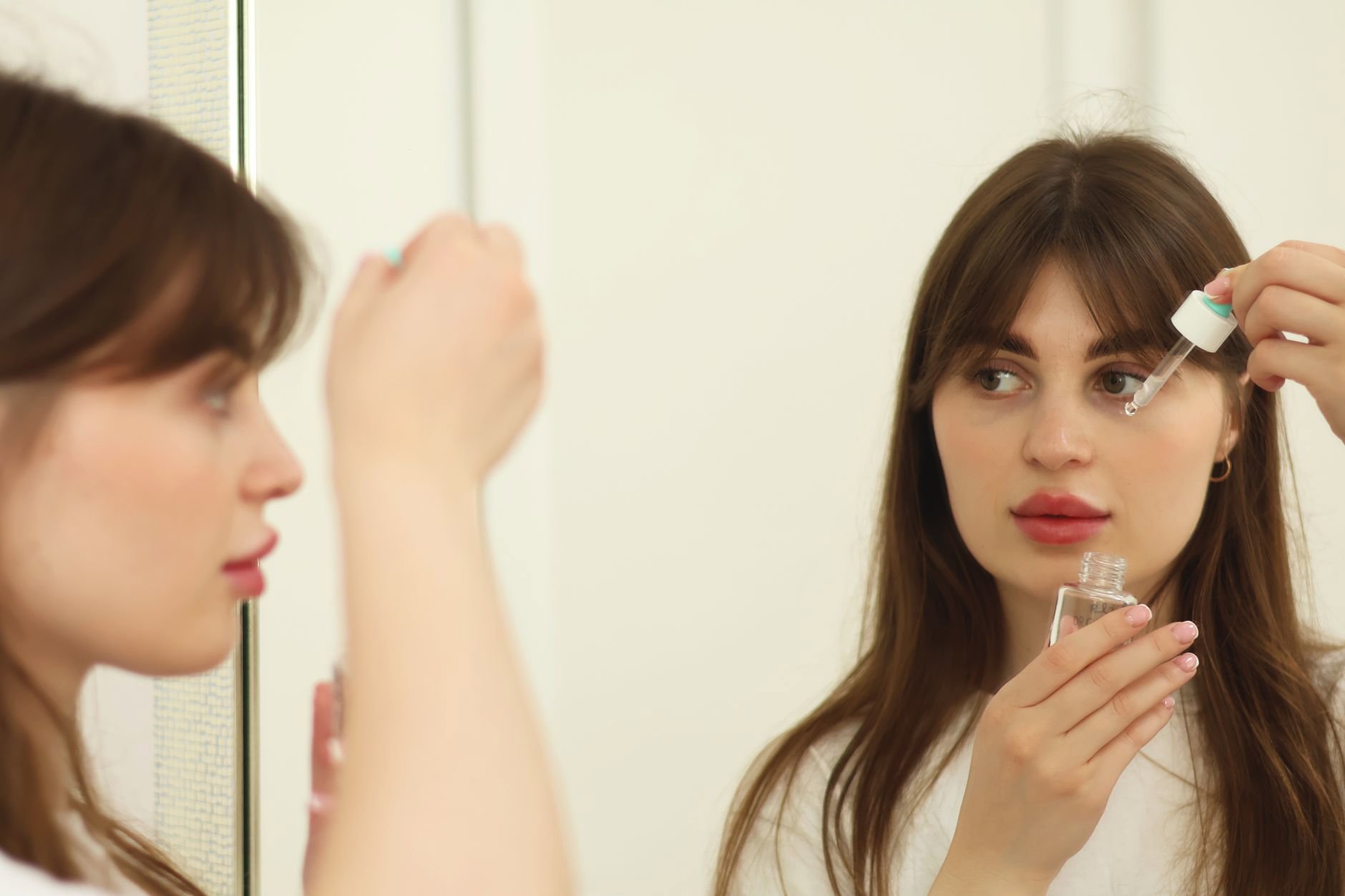
That also explains why Anti Ageing Face Serums keep pulling attention. Serums carry the actives, so marketing pushes them hardest. Yet moisturisers, SPF, and cleansers often drive the day-to-day results. Swapping those well can free budget for the one or two “hero” steps that you actually want to splurge on.
One more UK-specific note: damp winters plus indoor heating from October to March punish the skin barrier. If a routine makes you stingy with moisturiser or SPF because it’s too pricey, it’s not a “premium routine”. It’s an under-dosed routine.
Our price tracker’s reality check: luxury can be a bargain (sometimes)
We don’t treat “luxury” as automatically bad value. We treat it as high risk value. You need a price dip, a set, or a format that earns its keep.
This week, our tracker shows several prestige products at 12-month lows. That changes the maths for women who already love their luxury staples and simply want to buy them smarter.
Examples from our feed:
- Clé de Peau Beauté La Crème sits at £295.00 at lookfantastic (lowest in 12 months). That’s still premium pricing, but it’s a rare moment for a product that often refuses to budge.
- 111SKIN Celestial Black Diamond Cream hits £148.00 at lookfantastic (lowest in 12 months). If you buy 111SKIN at all, buying on a 12-month low beats paying “full fantasy price”.
- Guerlain Abeille Royale Serum Set drops to £69.30 at Sephora (lowest in 12 months). Sets can be the cleanest way to try a luxury line without paying the single-item premium. It’s also a good example of how Guerlain value often shows up in kits rather than standalone bottles.
Still, the bigger opportunity for most UK shoppers sits on the high street. Boots and Superdrug run frequent multibuys, points promos, and brand events. If your core routine comes from the “always-on” value channels, you can keep consistency without waiting for a luxury sale window.
Swap #1: moisturiser—go mid-price, then apply it properly
Moisturiser is where expensive routines quietly fail. Not because moisturiser doesn’t matter, but because women start rationing it.
Our feed flags two strong, low-price options with top ratings right now:
- NO7 Good Intent Skin Sip Moisture Milk — £12.71 at no7 Beauty (rating 5.0/5).
- NO7 Good Intent Dew Bank Water Cream — £12.71 at no7 Beauty (rating 5.0/5).
- NO7 Good Intent Glow Guard Spf30 — £6.76 at no7 Beauty (rating 5.0/5).
The key isn’t chasing “peptide” or “DNA repair” buzzwords. It’s choosing a texture you’ll use generously in a UK routine, then placing it in the right order. Here’s the technique we keep recommending because it prevents that tight, heated-home feeling:
- Apply moisturiser to damp skin, not bone-dry. Wait 10–20 seconds after cleansing or misting.
- Use two passes: a thin layer, then another thin layer on cheeks and around the mouth.
- At night, add an extra dab only to the driest zones. Don’t smother the whole face if you clog easily.
- In the morning, let moisturiser settle for a minute, then go straight into SPF Protection Products.
If you want to splurge, splurge on a serum targeted to your main concern. Moisturiser should feel like the dependable workhorse, not the precious item you “save”.
Swap #2: cleansing—spend less, cleanse more consistently
Cleansing doesn’t need luxury pricing to work. It needs consistency and a formula that doesn’t leave you squeaky, tight, or reactive.
One of the best-value categories in our data this week sits in “unsexy basics”: micellar and gentle cleansing that fits real schedules. We’re tracking Nuxe 3-In-1 Hydrating Micellar Water at £13.50 at lookfantastic (rating 5.0/5). That’s a practical buy for women who want an easy first cleanse, especially if they wear long-wear base or mascara.
How to make micellar actually work (without leaving residue that can irritate):
- Soak a pad properly. A barely-damp pad just drags pigment around.
- Press and hold on eyes for 10 seconds, then wipe down. No aggressive rubbing.
- Follow with a water-based cleanser if you wear heavier makeup or SPF. Think of micellar as “lift”, not “finish”.
- If your skin stings, reduce pad friction and switch to softer cotton. It’s not always the formula.
If you prefer a wash cleanser, keep it boring. Fragrance-heavy “spa cleansers” often feel lovely yet add no meaningful result. The goal is to protect the barrier so your actives can do their job.
Swap #3: under-eye patches—buy them like a treatment, not a lifestyle
Eye patches flood social feeds because they photograph well. The better question: do they help, and when should you bother?
Hydrogel patches can temporarily plump with humectants and cooling, which helps with dryness lines and that “creased concealer” look. They won’t erase genetic dark circles. They also won’t replace sleep. They can, however, make makeup sit better before a big day.
Our tracker shows Patchology Flashpatch Restoring Night Eye Gels back in stock at Cult Beauty at £4.00. That’s the kind of pricing we like for patches: low enough that you can use them as an occasional tool without turning them into a weekly budget leak.
Use them with intent:
- Pop them on after cleansing, before moisturiser. They need contact with skin.
- Keep them on for the instructed time. Leaving them on longer can backfire as they dry out.
- Seal the area with a small amount of moisturiser afterwards. That locks in the hydration effect.
- If you get milia, avoid placing patches too close to the lash line and go lighter on occlusives.
Luxury eye patches exist, but this is a category where the “feel” often outpaces the results. We’d keep it affordable and spend elsewhere.
Swap #4: bronzer and glow—choose formats that survive UK weather
UK makeup faces two common problems: damp air that eats powder edges, and indoor heating that makes creams separate on dry patches.
That’s why stick bronzers and easy cream-to-skin formulas keep winning. They let you add warmth without loading the face with layers.
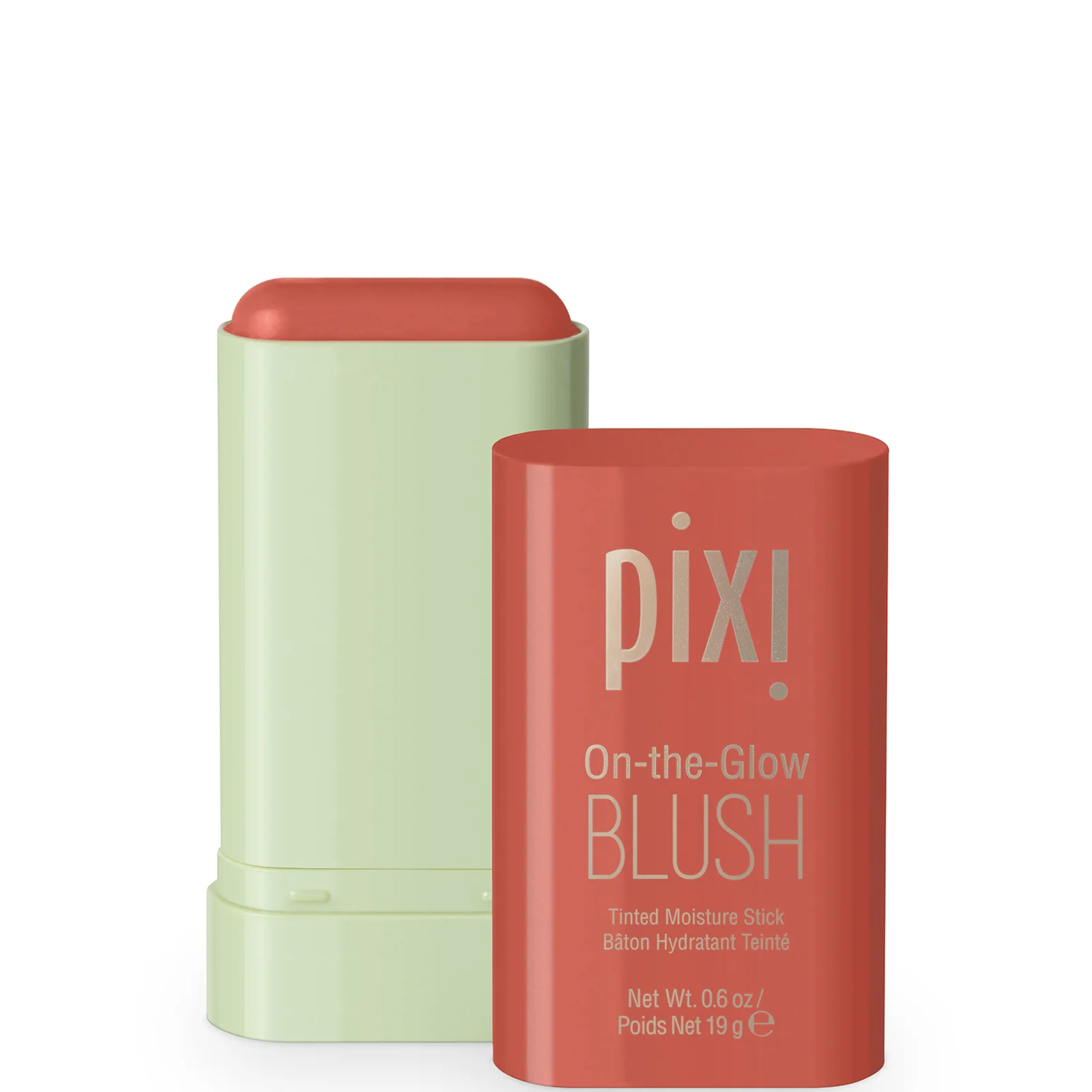
Our feed shows a notable restock: Pixi On-The-Glow Bronze back in stock at lookfantastic, currently £18.00. Restocks matter because women don’t want to rebuild a routine around something that disappears for months.
Technique matters more than the label here:
- Apply bronzer to the back of your hand first, then pick up with a brush or sponge. It prevents stripes.
- Place it higher than you think. Aim for the top of the cheekbone and temples for lift.
- Blend into the hairline and down the neck lightly. UK daylight can be unforgiving.
- Set only where you crease. Over-powdering kills the glow you just added.
If you love powder bronzer, that’s fine. Just prep dry areas first with a light moisturiser layer and let it settle. Powder on thirsty skin can look patchy by lunchtime.
Swap #5: tools—when a sponge earns its keep
Tools feel boring until you do the maths. A great base product applied badly looks like a bad foundation. A decent base product applied well can pass for a much pricier one.
Right now we’re tracking VIEVE The Modern Makeup Sponge at £14.00 at Sephora (rating 5.0/5). In a world where women rotate through multiple base products, a reliable sponge becomes a low-drama upgrade.
Use it like makeup artists do, not like a stress ball:
- Dampen it, then squeeze out fully. A dripping sponge sheers product too much.
- Press product in with small bounces. Don’t wipe.
- Use the pointed end around the nose and under the eye. Use the round side for cheeks and forehead.
- Clean it often. A dirty sponge causes texture and breakouts, which then pushes you to buy “fix” products.
We’d rather see women spend £14 on a tool that improves every base day than £40 extra on a foundation upgrade that doesn’t fix application issues. If you want to browse category-wide options, our Makeup Brushes & Applicators pages make it easier to compare what’s in stock at UK retailers.
Swap #6: lip care—go affordable, then pay attention to reapplication
Luxury lip products often sell “treatment” vibes. In practice, the winners tend to be formulas you’ll reapply often, in a texture you enjoy.
We’re tracking Ole Henriksen Pout Preserve Peptide Lip Treatment at £13.60 at Cult Beauty (rating 5.0/5). That’s well below what many prestige lip treatments now cost, and it fits the “under-£15 staple” brief.
Make any lip treatment work harder with a simple routine:
- At night, apply a thicker layer. It’s the longest uninterrupted wear time.
- In the morning, wipe off any leftover film, then apply a thinner layer under lip colour.
- If lipstick grips to flakes, add a tiny amount of balm, wait one minute, then blot. Too much balm makes colour slide.
- Keep a tube in your bag. Lip care only works when you actually top up.
If you prefer classic high-street options, Boots and Superdrug both run frequent offers on core lip care. Save the splurge for shades you truly love in Lipsticks, not for a balm that vanishes in two hours.
Swap #7: high-tech tools—only buy them when the price collapses
Beauty tools keep popping up in headlines because they promise “salon at home”. In reality, tools make sense when they hit a price point that matches their actual use.
The clearest example in our feed: T3 Volumising Hot Rollers Luxe sits at £15.00 at lookfantastic (lowest in 12 months). That’s not a small discount; that’s a category shift. At £15, the risk drops, and the cost-per-style can beat repeated salon blow-dries quickly.
Hot rollers work best when you treat them like setting, not curling:
- Start on mostly-dry hair. If hair feels damp, you’ll get frizz.
- Use a light mousse or setting spray before rolling. It improves hold more than extra heat.
- Roll the top section away from the face for lift. Keep side sections consistent.
- Let rollers cool fully before removing. Cooling locks in shape.
- Brush out gently, then finish with a flexible hairspray. Heavy spray kills movement.
If you want to build the rest of your routine around hair health, focus on hydration and slip in your wash days with Moisturising & Nourishing Shampoos and matching conditioners. Tools only look good when hair feels good.
What this means for your routine (and your budget) in 2026
Value doesn’t mean “cheap”. It means repeatable. The best routine is the one you can afford to do properly: enough moisturiser, enough SPF, consistent cleansing, and a few targeted actives that you tolerate well.
Our practical takeaways from this week’s data:
- If you buy luxury, buy it on a verified low. This week’s 12-month lows (like £148.00 for 111SKIN and £69.30 for the Guerlain set) show why patience pays.
- Stock up on “boring wins” when pricing looks sharp. NO7 at £12.71 and SPF at £6.76 are the kinds of staples that keep routines stable.
- Use restocks as a trigger to buy the exact product you already know works. Pixi On-The-Glow Bronze at £18.00 and Patchology at £4.00 fit that category.
- Pay for application once. A sponge at £14.00 can improve every base product you own.
When you swap with intention, you also reduce the “actives overload” problem that several skincare headlines keep warning about. Fewer products, used correctly, nearly always beat a crowded shelf of half-used experiments.
That’s the quiet secret behind the best routines we see in the UK data: women don’t buy everything. They buy the few things they’ll finish.
Over to you: where do you refuse to “swap”?
Which category gets your money every time—serum, foundation, fragrance, or tools? And where have you found a high-street product that outperforms the premium version?
If you tell us what you’re trying to replace (and your skin type plus your must-haves), we’ll point you to the smartest UK options to compare next.