Hair styling cream is the quickest route to frizz control that still looks like hair, not product.
Used well, a cream smooths the cuticle, adds light conditioning, and gives soft hold so flyaways settle down without turning crunchy. Used badly, it can leave hair flat, greasy, or oddly sticky. This guide breaks down how to get the good outcome.
We’ll cover what styling cream actually does, which hair types get the best payoff, and exactly how to apply it on damp hair versus dry hair for a frizz-free finish with natural movement.

Quick context: GlamGeek’s price tracker has followed UK beauty pricing across major retailers since 2010. When we mention prices below, we only use the “from £” figures from our merchant feed for these specific hair styling creams.
The basics: what hair styling cream does (and doesn’t)
A styling cream sits in the middle of the styling spectrum. It offers more smoothing and control than a leave-in conditioner, but it keeps a softer finish than most gels or waxy stylers.
For frizz, the main job is simple: help hair strands lie flatter, so humidity and friction cause less lift and fuzz. Many creams do this by combining conditioning agents with film-formers that lightly “coat” the hair. The best ones also spread easily, so you don’t have to overapply to get coverage.
What a styling cream usually won’t do: lock in a sharp, high-hold shape all day on its own. If you want a rigid style, creams can support the base, but they excel at polish, definition, and touchable hold.
Think of frizz as a few different problems that look similar:
- Humidity frizz: hair expands and lifts when moisture in the air penetrates the strand.
- Dryness frizz: hair feels rough and puffs because the cuticle stays raised.
- Mechanical frizz: towel rubbing, aggressive brushing, and rough pillowcases create flyaways and breakage.
- Heat-styling frizz: hair gets dry and stiff, then frizzes as soon as it meets damp air.
Different creams lean different ways. For instance, Living proof. No Frizz Nourishing Styling Cream (from £16.00) explicitly targets humidity and flyaways, with smoothing that lasts up to 96 hours per the brand description. That’s a very specific promise, and it points to what it’s designed to do: keep styles sleeker for longer between washes.
Who styling cream suits: straight, wavy, curly, thick, fine
Most people can use a styling cream. The trick involves choosing the right weight and applying it in the right place.
Straight hair benefits when frizz shows up as halo flyaways, static, or rough ends. Go light, keep it mid-lengths to ends, and treat the roots as a “no-go zone” unless you love a sleeker look. Color Wow One Minute Transformation Styling Cream (from £11.00) fits this brief well on paper: it’s described as fast-acting, frizz-taming, and it absorbs quickly without leaving hair heavy or greasy, with avocado oil and omega-3 amino acids.
Wavy hair often sits in the frustration zone: frizz can appear at the crown while the lengths need definition. A cream can “group” waves so they look deliberate. If you want more pattern support than a classic smoothing cream, a curl-focused option like Curlsmith Hold Me Softly Style Balm (from £7.50) can make sense, since it’s described as ideal for curls and waves and built to embrace natural texture.
Curly and coily hair tends to frizz because the cuticle naturally lifts more, and curls lose moisture faster. Cream becomes the “slip + moisture + shaping” step. If you want a cream-gel hybrid feel, Curlsmith Curl Defining Styling Souffle (from £5.00) combines moisturiser and styling gel in one and offers a medium hold in a lightweight jelly texture, per the description.
Thick hair can handle richer amounts and typically needs them. You’ll usually get better frizz results from applying in sections. Moroccanoil Hydrating Styling Cream (from £18.65) claims soft hold for all hair types and aims to suppress dryness and stiffness while improving hair condition.
Fine hair can still use cream, but it needs restraint. Use a pea-sized amount, emulsify thoroughly, and focus only on ends and the outer layer. For fine hair that gets frizz but hates weight, a pre-style option like Dyson Chitosan Pre Style Cream (from £25.99) may appeal because the brand positions it as a flexible-hold product that fits into a styling routine alongside Dyson tools, and it comes in four formulas for different hair types.
How frizz control works: the ingredient logic in plain English
Marketing loves to frame frizz as a single issue. The formulation reality looks more like a toolkit.
Conditioning agents smooth roughness so strands slide past each other instead of snagging. This reduces “mechanical frizz” created by movement and brushing. Many creams emphasise moisture and conditioning; for example, Moroccanoil’s Curl Defining option highlights hydration and frizz control with argan oil: Moroccanoil Curl Defining Cream (from £11.00) claims it hydrates and holds, leaving curls glossy and conditioned.
Oils and lipid-like ingredients can add shine and help seal in softness. The risk: overdoing it can make hair stringy, especially in fine textures. The upside: in UK damp weather, a small amount on the outer layer can reduce that “halo”.
Film-formers create light structure and help hair resist humidity. Living proof.’s No Frizz creams emphasise humidity protection and lasting smoothness (up to 96 hours). That’s exactly the kind of claim you expect from a product built around a film-forming approach: Living proof. Living Proof No Frizz Smooth Styling Cream (from £16.00).
Bond-building and heat protection matter because damaged hair frizzes faster. If you regularly heat-style, a cream that also targets damage can earn its keep. Aveda Botanical Repair Bond-Building Styling Crème (from £13.50) sits in this category: the description states it’s silicone-free and protects from thermal damage up to 450 degrees, while supporting bonds and helping guard against future breakage.
One more point that gets missed: application technique acts like an “ingredient”. Even the best cream can’t fight a rough towel dry and a frantic brush-out. Product and method need to match.
Step-by-step: applying styling cream on damp hair (the main route to frizz-free)
Damp-hair application gives the most even spread and the least risk of greasy patches. It also lets the cream set as the hair dries, which improves frizz control.
Step 1: Get the water level right. Hair should feel damp, not dripping. If water runs down the strand, you’ll dilute the cream and it won’t coat evenly. A quick squeeze with a towel (no rubbing) usually does it.
Step 2: Start smaller than you think. Use a pea-sized amount for fine hair, a 5p-sized amount for average density, and scale up only if hair stays rough after drying. Overapplication causes limp roots and clumped ends.
Step 3: Emulsify fully. Rub the cream between palms until it feels evenly spread and slightly warmed. This single step prevents the “one heavy spot” problem.
Step 4: Apply in zones. Smooth over mid-lengths and ends first. Then lightly skim what’s left over the outer layer and around the crown. Keep the last 2–3 cm nearest the scalp mostly product-free unless you want a sleek finish.
Step 5: Choose your finish.
- For straighter blow-dries: keep tension consistent when drying and point airflow down the shaft.
- For waves: scrunch upward after smoothing, then avoid touching while it dries.
- For curls: rake through in sections, then scrunch to encourage clumps.
- For extra polish: finish with a tiny touch on dry hair (see next section) only if needed.
If you heat-style, pick a cream that supports that routine. Aveda Botanical Repair Bond-Building Styling Crème (from £13.50) explicitly includes heat protection up to 450 degrees, which makes it a practical “one-step” pre-style option for frizz plus heat exposure.
For blow-dry smoothing with a lasting, humidity-resistant vibe, Living proof.’s No Frizz creams (from £16.00) fit the brief. Our pricing data often shows these sitting in the mid-premium bracket at retailers like Space NK or Cult Beauty, where promotions can shift week to week.
Step-by-step: using styling cream on dry hair (for touch-ups and flyaways)
Dry-hair application works best as a micro-dose. Think “finish”, not “foundation”.
Step 1: Use a pinhead amount. For most hair, you need less than you used on damp hair. Start with a tiny dab, and build slowly. This is where people go wrong.
Step 2: Break it down in your hands. Rub between fingertips, then between palms, until you can’t see a lump of product. If you apply a blob to dry hair, it will grab and leave a visible patch.
Step 3: Target only the frizz zones. Smooth lightly over the surface and ends. For flyaways at the parting, use fingertips and press down gently. Avoid dragging through the lengths like you’re shampooing.
Step 4: Let it settle. Give it 30–60 seconds before you decide you need more. Creams often “melt” into hair as they warm.
For fast dry-hair refinement, Color Wow One Minute Transformation Styling Cream (from £11.00) gets positioned as a quick fixer that replenishes moisture levels without greasiness, per its description. That makes it an easy recommendation for mid-day frizz edits.
If you want shine plus frizz taming in a finishing step, Philip Kingsley Finishing Touch Frizz Fighting Gloss (from £25.00) targets smoothness, gloss, and frizz control for any hair texture or length, according to the product description. Price-wise, it sits at the premium end of this list, so we’d mainly suggest it for people who care as much about radiance as frizz control.
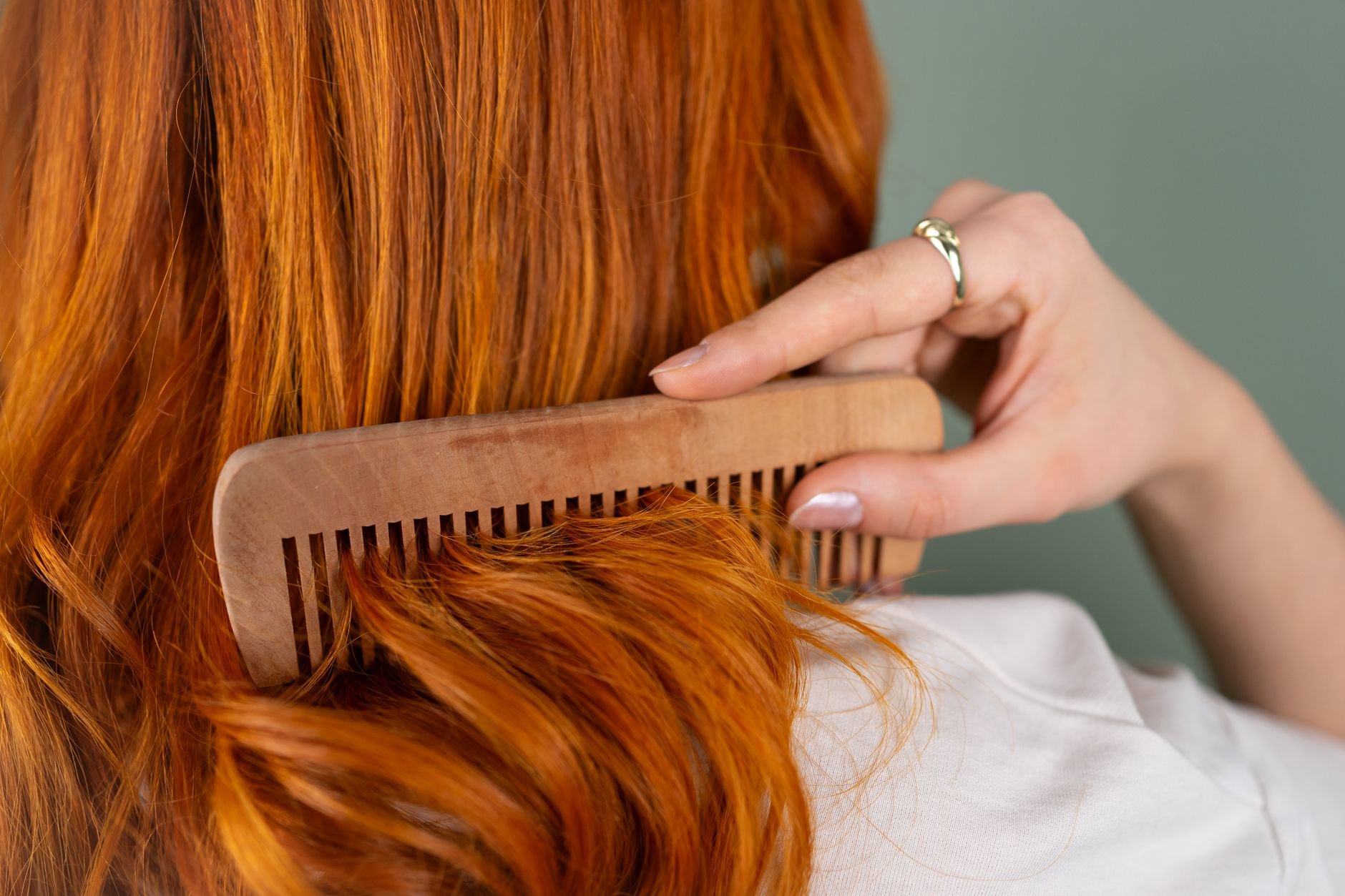
Choosing the right cream: match your goal to a product
“Frizz-free” can mean sleek and straight, or defined and bouncy. Buy for the outcome you want, not the model photo on the box.
Here’s how we’d sort the standouts from the products list, using only what the descriptions claim and the “from £” pricing in our feed.
Smooth blow-dry and humidity defence
Living proof. No Frizz Nourishing Styling Cream (from £16.00) and Living proof. Living Proof No Frizz Smooth Styling Cream (from £16.00) both focus on smoothing, humidity protection, and flyaway control with results described as lasting up to 96 hours. If your frizz spikes the moment you step outside in damp weather, that claim aligns with your problem.
Heat styling support + damage-prone hair
Aveda Botanical Repair Bond-Building Styling Crème (from £13.50) pulls double duty: styling plus thermal protection up to 450 degrees, and a bond-building angle, while staying silicone-free per the description. This one suits frequent blow-dryers and straighteners who also want frizz control.
Curls and waves that need definition, not stiffness
Curlsmith Curl Defining Styling Souffle (from £5.00) offers a moisturiser-meets-gel concept with medium hold and a lightweight jelly consistency. That tends to suit people who want curl shape plus softness.
Curlsmith Hold Me Softly Style Balm (from £7.50) positions itself for curls and waves and highlights certified organic ingredients, including andiroba. This is the option to consider if you want a more classic cream feel and a natural-texture focus.
PATTERN Styling Cream (from £9.00) leans rich and moisture-focused, described as coating curls and supporting curl pattern, while staying free of SLS/SLES, parabens, and formaldehyde (per the truncated description). If you run dry and fluffy, richer makes sense.
Dryness control + soft hold for most hair types
Moroccanoil Hydrating Styling Cream (from £18.65) describes itself as suitable for all hair types with soft hold, aiming to suppress dryness and stiffness. It also includes simple usage guidance for towel-dried hair in the description, which makes it approachable if you just want a dependable cream step.
Moroccanoil Curl Defining Cream (from £11.00) sits as the curl-specific sister, with hydration and hold plus argan oil and a glossy finish claim.
Pre-style, flexible hold styling system
Dyson Chitosan Pre Style Cream (from £25.99) targets flexible hold through the day and comes in four formulas for different hair types, per the description. If you already build your routine around heat tools and want a cream designed as a pre-style step, it’s a tidy match.
Common mistakes that cause frizz (even with a great cream)
Most frizz complaints we see in reviews across retailers don’t come down to “bad product”. They come down to timing, amount, and placement.
Using cream on soaking wet hair. Water prevents even coating. The cream slides around, then dries patchy. Towel-squeeze first.
Applying too much at the crown. This flattens volume and can make the top look greasy while the ends still frizz. Keep product mostly below the cheekbones unless your style calls for sleek roots.
Rubbing hair dry with a towel. That rough action lifts the cuticle and creates frizz before product even enters the chat. Press and squeeze instead.
Touching hair while it dries. Especially for waves and curls. The hair sets, you disturb it, and you get fuzz. Apply, shape, then hands off.
Stacking too many rich products. Cream plus other heavy layers can backfire. Hair gets coated, then strings out and attracts lint. If you love a richer cream like PATTERN, keep the rest of the routine simple.
Expecting cream to fix damage instantly. If hair frizzes because it’s compromised, cream can mask it, but you still need a routine that supports hydration and care. If you want browsing help for wash-day basics, those sit under Moisturising & Nourishing Shampoos and Moisturising & Nourishing Conditioners on GlamGeek.
One more low-key mistake: trying to make cream do gel’s job. If you need stronger hold for curls, choose a curl-leaning cream like Curlsmith Soufflé rather than piling on more of a smoothing cream.
Practical routines you can use today (damp vs dry, by hair type)
Below are plug-and-play methods that work with how creams behave in real life. Adjust quantity, not the order.
Fine, straight-to-wavy hair (anti-frizz, keep bounce): towel-squeeze hair → pea-size of Color Wow One Minute Transformation Styling Cream (from £11.00) emulsified well → smooth just the ends and outer layer → blow-dry with airflow downwards. If flyaways show later, use a pinhead amount on fingertips and press them down.
Medium density, heat-styled hair (smooth + protect): damp hair → 5p-size of Aveda Botanical Repair Bond-Building Styling Crème (from £13.50) → apply in two sections (under layer, then top) → blow-dry with tension. Finish with a tiny bit of Philip Kingsley Frizz Fighting Gloss (from £25.00) only on the very ends if you want extra shine.
Wavy hair (define without crunch): damp hair → apply Curlsmith Hold Me Softly Style Balm (from £7.50) in sections → scrunch upward → leave alone until fully dry. If a few pieces frizz out, warm a tiny amount between hands and “glaze” the surface without breaking wave clumps.
Curly hair (frizz control + hold): on damp hair, use Curlsmith Curl Defining Styling Souffle (from £5.00) as your main styler since it combines moisturiser and gel with medium hold. Apply by raking, then scrunch. Aim for even distribution rather than more product.
Thick, dry, frizz-prone hair (soft hold, smoother feel): towel-dried hair → work Moroccanoil Hydrating Styling Cream (from £18.65) through mid-lengths and ends → comb through gently to spread → dry with minimal disturbance. For curlier thick hair, swap to Moroccanoil Curl Defining Cream (from £11.00) if you want more curl emphasis.
If you like buying in sets, keep your eyes on bundles. Olaplex Bonding Duo (from £8.24) includes OLAPLEX N°6 Bond Smoother 100ml, described as an ultra-concentrated leave-in smoothing cream for all hair types, including coloured and chemically-treated hair. The set also includes N°7 Bonding Oil, which we’ll leave at that, since this guide stays focused on creams.
For general browsing, styling creams sit under hair care on GlamGeek. If you’re hopping between categories while you shop, you’ll also see cross-links to makeup and skin care, but frizz control lives and dies with technique.
Which hair type are you styling, and what does your frizz look like most days: halo flyaways, puffy lengths, or rough ends?