I once pulled a lip gloss from the bottom of my handbag and watched the wand come out… stringy. Not in a chic “glassy” way. In a “why is this behaving like mozzarella” way.
Yes, lip gloss expires. The tricky bit is that it often looks fine right up until it doesn’t, and by then you’ve already swiped it across the one part of your face that loves to crack, flake and get irritated.
This guide covers how long lip gloss usually lasts, the dead-giveaway signs it’s turned, how to read expiry and PAO symbols, and the storage and hygiene habits that genuinely stretch shelf life—without pretending your gloss is immortal.
The basics: what actually “expires” in a lip gloss?
I’ve reviewed glosses since the era when we all accepted sticky, hair-trapping formulas as a lifestyle choice. Modern glosses feel better, but they still share the same problem: they’re mixtures of oils, waxes, film formers, pigments, flavours, and preservatives. Over time, those components shift.
Most glosses contain some water or water-adjacent ingredients, especially the “hydrating” ones. Water plus warmth plus repeated wand-dunking gives microbes a reason to move in. Preservatives slow that down, but they don’t stop time.
Then you’ve got oxidation. Oils can go rancid, which shows up as a crayon-like smell or a bitter taste. Pigments and fragrance compounds can also degrade, which is why an old gloss sometimes smells “off” even when the texture looks normal.
Packaging matters more than brands like to admit. A squeeze tube limits backwash. A doe-foot applicator goes from lips to tube and back again, taking little souvenirs with it. That’s not a moral failing. That’s physics.
How long does lip gloss last? Realistic shelf life (and what PAO means)
When someone asks me “how long does lip gloss last?”, I always ask a boring follow-up: opened or unopened? Unopened gloss stored in a cool, dark place often stays stable for years, but you should still follow the printed expiry date if it has one.
Once opened, the more useful marker is the PAO symbol (the little open jar icon). It usually reads 6M, 12M, 18M, or 24M—meaning months after opening. That’s not a magical cliff edge; it’s a stability-and-safety estimate under normal use.
In practice, most opened lip glosses behave well for around 6–12 months if you store them properly and don’t treat the wand like a communal spoon. Longwear and high-pigment formulas can sometimes show texture changes sooner because they rely on more complex film-forming systems.
If you want a concrete way to plan your stash, I use a “seasonal audit”. I check glosses at the start of autumn and spring. Anything that smells odd, separates badly, or irritates gets binned. Ruthless. Necessary.
Price doesn’t change the rules of chemistry, by the way. A £5 gloss can stay fresh longer than a £30 one if the packaging, preservative system, and your hygiene habits line up.
Signs your lip gloss has gone bad (and what each sign means)
Some warnings feel dramatic, like a gloss that smells like old nuts. Others look subtle, like a formula that suddenly won’t sit smoothly on the lips. Here’s what I actually trust when I’m deciding whether to keep or toss.
1) Smell changes
Rancid, sour, “crayony”, or plasticky smells usually point to oils oxidising or fragrance components breaking down. If your gloss used to smell sweet and now smells like the inside of a pencil case, you’re done.
2) Texture shifts
Stringiness, graininess, or a thick, draggy feel can mean the emollients and gelling agents have destabilised. That’s common in older tubes that have been exposed to heat (hello, car cupholder).
3) Separation that won’t remix
A little separation isn’t always fatal—some formulas settle. But if you shake it and it still sits in distinct layers, or you get clear oil with clumps, the emulsion system has likely failed. I don’t “stir and hope” on lip products.
4) Colour changes
If a gloss looks darker, more yellow, or oddly dull compared with when you bought it, oxidation can be at play. Pigments can shift, and oils can yellow. If it’s obvious, it’s a sign to stop.
5) Irritation (the sign people ignore)
If your lips sting, itch, or peel after a gloss you’ve used for months, don’t assume your lips suddenly became dramatic. Irritation can signal microbial growth or degraded ingredients. Stop using it and give your lips a break. If irritation persists, speak to a pharmacist or GP.
One more: if you’ve been ill (cold sores included), I treat any gloss used during that time as disposable. It’s not worth the repeat performance.
Ingredient science, minus the marketing: what affects stability?
I’ve had this conversation with brand reps who swear their gloss is “self-preserving”. It usually isn’t. Gloss stability depends on a few unsexy factors: water content, oil blend, preservative system, and how easily the formula gets contaminated during use.
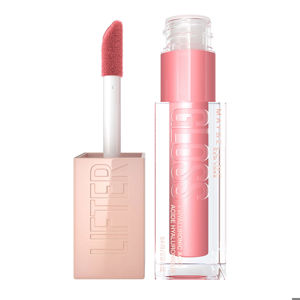
Humectants like hyaluronic acid appear in several glosses because they can support a smoother, more cushioned feel. For example, Maybelline Lifter Gloss Plumping Hydrating Lip Gloss Hyaluronic Acid (from £5.39) highlights hyaluronic acid in its description, and Clinique Pop Plush Creamy Lip Gloss (from £18.00) lists hyaluronic acid alongside aloe, avocado and shea butters. Hydration claims aside, formulas with these “comfort” ingredients still need robust preservation and sensible storage.
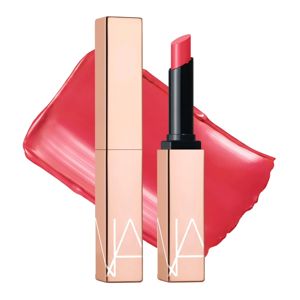
Oil-rich, balm-gloss hybrids can feel more forgiving on dry lips, but oils oxidise over time. Nars Afterglow Lip Shine (from £19.95) calls out jojoba oil and pomegranate extract in its Pomegranate Flower Complex, while Laura Mercier Lip Glace (from £18.20) includes French rose extract and primrose oil and claims 24-hour moisture. Oils can be lovely, but they’re also the usual suspects when a gloss starts smelling “off”.
Plumping and “cooling sensation” formulas can confuse expiry detection because they tingle by design. Make Up For Ever Super Boost Lip Gloss (from £17.25) mentions a cooling sensation and hyaluronic acid, and Hourglass Phantom Volumizing Glossy Balm - Bálsamo Labial (from £36.00) positions itself as a 3-in-1 hybrid that hydrates, plumps, and gives high shine. If a gloss that used to feel “cool” suddenly burns or irritates, that’s not plumping. That’s a warning.
And then there’s the “non-sticky” trend. MAC Lipglass Air Non-Sticky Gloss (from £16.50) describes an innovative gel formula with lightweight moisture and non-sticky wear. Gel systems can stay stable for ages, but they can also show separation if stored badly.
Product-by-product: what I’d buy (and how I’d keep it fresh)
My bathroom shelf has enough glosses to qualify as a minor retail outlet, so I’ve learned to match formula style to how I actually live. If you know you’re a “throw it in a bag” person, pick something you’ll use up before it turns.
For everyday, frequent use (use it up within the PAO): NYX Butter Gloss (from £5.99). The description spells it out: lightweight, not sticky or gloopy, and wearable alone or over a matte lipstick. A gloss you reach for daily rarely has time to go off—because you finish it.
For a hydrating, “my lips look alive” look: Maybelline Lifter Gloss Plumping Hydrating Lip Gloss Hyaluronic Acid (from £5.39) offers subtle shimmer (Topaz) and hyaluronic acid. I’d store this one away from heat, because humectant-heavy formulas can feel odd if they dehydrate in the tube.
For cushiony comfort when your lips feel dry: Clinique Pop Plush Creamy Lip Gloss (from £18.00) leans into butters plus hyaluronic acid and a high-shine finish. If you’re prone to irritation, Clinique’s “comfort-first” approach often suits, though you still need to bin it at the first sign of a smell shift.
For the classic high-impact shine: MAC Lipglass (from £13.20) gives dramatic colour with a reflective, glass-like finish. This is the sort of formula that can look fine long after it should have retired, so don’t ignore your PAO.
For a modern, lightweight gloss feel: MAC Lipglass Air Non-Sticky Gloss (from £16.50) promises sheer gloss and non-sticky wear. If you hate tack, this category helps you reapply more often, which also reduces “half-used for three years” syndrome.
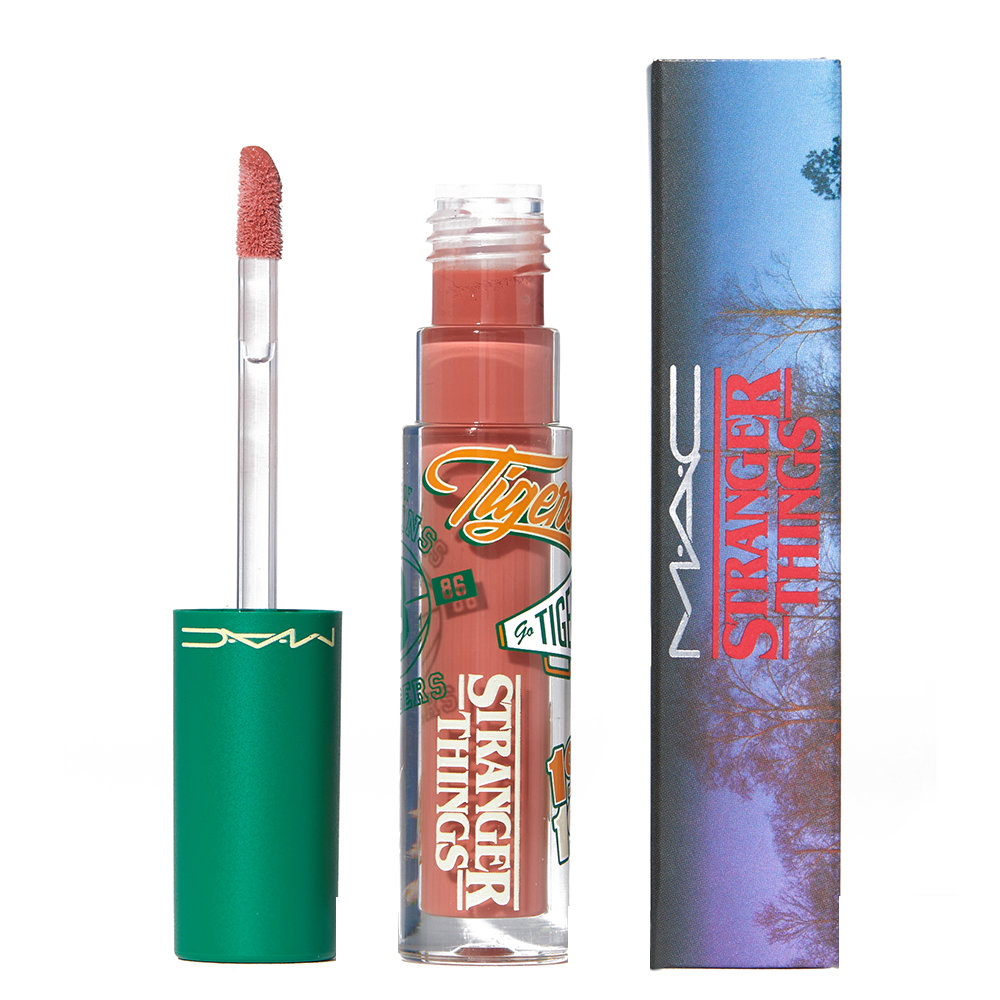
For a “one swipe, I’m done” shine moment: Pat McGrath Lust Lip Gloss (from £28.00) offers sheer-to-saturated payoff with a lightweight yet emollient feel. If you’re spending this much, write the open date on a label. Future-you will not remember.
For long wear with less transfer: NYX Shine Loud High Shine Lip Gloss (from £9.09) claims up to 16 hours of transfer-resistant shine in a double-ended format. Longwear systems can dry out if you leave caps loose, so be strict about closing it properly.
For a plush, luminous “universal” vibe: Fenty Beauty Gloss Bomb Lip Luminizer (from £8.00). The listing references a set, but you’re still dealing with a lip luminiser in gloss form. Keep it clean and don’t share it. Ever.
For an oil-in-gloss texture with a non-sticky aim: Lancôme Lip Idole Juicy Treat (from £24.75) describes 20% squalane and up to 24H hydration. Squalane itself stays stable, but the full formula still ages—especially if you store it somewhere warm.
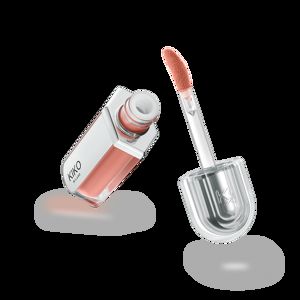
If you like browsing by brand, GlamGeek has dedicated pages for NYX, MAC, KIKO, Clinique, and Lancôme. The price tracking shows when retailers shift prices, which helps if you’re replacing a gloss you’ve finally (sensibly) binned.
Storage: the small habits that buy you extra months
I’m going to say something unpopular: your bathroom is a hostile environment for makeup. Steam and temperature swings don’t kill a gloss overnight, but they do speed up separation and oxidation.
Here’s what I do now, after sacrificing enough products to the radiator gods:
- Keep glosses out of direct heat and sun. Window sills and car dashboards count as “direct heat”.
- Store upright when you can. It reduces constant pressure on the stopper and helps prevent leaks and mess around the neck.
- Wipe the neck and wand. A clean tissue around the rim stops product buildup that can harbour bacteria and stop caps sealing properly.
- Close caps until they click or stop. Dried-out gloss often comes down to air exposure, not “bad formula”.
- Don’t refrigerate unless your room is truly hot. Fridges can cause condensation when you bring products back to room temperature, which adds moisture where you don’t want it.
If you keep a “bag gloss” (we all do), rotate it. Use it for a month or two, then swap it with one stored at home. Constant warmth and jostling in a handbag ages formulas faster.
One more practical tip: if your gloss separates slightly, warm it in your hands for a minute and shake. If it returns to normal and smells fine, you can keep using it. If it stays weird, it stays in the bin.
Hygiene rules: what actually causes gloss to go off early
The number-one cause of early “expiry” isn’t the ingredients. It’s us. Specifically: double-dipping a wand after it’s touched your lips, your lip liner, your sandwich, and half of central London.
If you want a gloss to last its full PAO window, keep contamination low. That means applying to clean lips when possible, and avoiding using gloss as a top coat over products that crumble or flake. More particles on the wand means more gunk in the tube.
My non-negotiables:
- Don’t share lip gloss. Not with your best mate, not with your sister, not “just once”.
- Avoid applying when you have a cold sore or lip infection. Bin that gloss afterwards if you did.
- Don’t “pump” the wand. It pushes air into the tube and dries formulas out faster.
- Keep an eye on the stopper. If it’s loose or cracked, the gloss dries out and collects debris.
If you’re using a gloss over and over through the day, consider keeping a small mirror and applying carefully rather than swiping blindly. Less contact with the skin around the lips means less bacteria transfer. Glamorous? No. Effective? Yes.
And if you’re the sort who applies gloss on public transport, I salute your bravery. I also recommend sanitising your hands first.
Toss vs keep: a simple decision checklist (with common scenarios)
I don’t want you binning perfectly good products out of anxiety. I also don’t want you clinging to a gloss that’s quietly plotting your next bout of chapped, irritated lips.
Use this checklist.
Keep it (for now) if:
- It sits within its PAO window (you opened it less than 6–12 months ago, depending on the jar symbol).
- It smells and tastes the same as when you bought it.
- The texture still feels smooth, with no grit or stringiness.
- Any separation remixes fully with a quick shake and hand-warming.
Toss it if:
- You notice a rancid, sour, or “crayon” smell.
- It stings or irritates when it didn’t before.
- You see mould (rare, but obvious) or persistent clumps.
- It’s well past PAO and you can’t remember when you opened it.
- You used it while sick or during a cold sore flare.
Common scenario: “It’s separated but smells fine.” Try shake + warm + one test swipe on the inner arm first. If it feels normal and you get no irritation, you can keep it. If it goes on patchy or gritty, let it go.
Another scenario: “It’s a fancy gloss and I barely used it.” I sympathise. Still, doe-foot packaging plus time equals contamination risk. If it’s past PAO, replace it. Your lips don’t care about sunk costs.
Practical tips you can use today (no lab coat required)
First: take five minutes and label your glosses. A bit of tape on the tube with “Opened: 05/2026” saves you from playing cosmetic archaeologist later. I do this for pricier ones like Pat McGrath Lust Lip Gloss (from £28.00) because I’m human and I will forget.
Second: do a monthly “sniff and swipe” check. Open, smell, look for separation, then apply a tiny amount. If anything feels off, don’t negotiate with it. Replace with a gloss you’ll actually use, like NYX Butter Gloss (from £5.99) or Maybelline Lifter Gloss (from £5.39), and move on.
Third: keep one gloss in rotation, not seven. If you love variety, rotate weekly rather than opening everything at once. It’s the simplest way to stop ending up with a drawer of half-used tubes that all expire together.
If you’re shopping replacements, check trusted UK retailers like Boots, Superdrug, Space NK, John Lewis, and Cult Beauty, then compare against GlamGeek listings for the current going rate and any tracked price changes.
Sign-off
I’ve binned more glosses than I care to admit, and I’ve never once missed the ones that smelled like crayons.
Which camp are you in: ruthless declutterer, or proud owner of a “vintage” lip gloss collection? And be honest—how many are currently living in your handbag?