Our price tracker has flagged a steady pattern every cold snap: searches for eczema-friendly body wash jump, pharmacy staples sell out first, and gentle shower oils hold their price better than gel cleansers. That tracks with what skin needs in Irish weather. Damp air, central heating, and long hot showers strain a fragile barrier.
We see another pattern across our merchant feed. Retailers bundle body wash with moisturiser in winter skincare sets and push “barrier care” claims in spring. Deals pop up often, but the mildest formulas do not always headline the promotion. That leaves many women choosing on fragrance or foam level instead of surfactant type and pH. The wrong call can sting.
If your skin flares after every shower, you can fix the ritual without spending luxury money. You need the right format, the right ingredients, and the right technique. We outline all three here, along with Irish-available picks and honest price-comparison tips.
Why this matters now: the context and the numbers
Eczema, including atopic dermatitis, affects a lot of women. Global figures put adult prevalence at up to one in ten, and we see that reflected in the steady demand for fragrance-free body care on GlamGeek. In colder months the interest rises. Page views for gentle washes and emollient shower oils climb, and wishlist alerts trigger more often for pharmacy ranges than for perfumed spa lines.
Brands answered that demand. Since 2018 our product catalogue has doubled its listings for “barrier” and “ceramide” claims in body care. Retailers in Ireland stock a broader mix now. Boots Ireland, McCauley Pharmacy, Meaghers Pharmacy, and Lookfantastic Ireland carry pharmacy-first options year-round. Brown Thomas and Arnotts stock some premium gentle cleansers, but selection varies by season.
Price spreads look wide. We often see supermarket and mass-market bottles undercut pharmacy leaders by a clear margin. Multi-buy offers can bring costs down further. Premium shower oils hold their price but move into bundles near Christmas. If you plan a switch, add your short-list to your GlamGeek wishlist. We’ll ping you when any of them drop. We track Boots Ireland, Lookfantastic Ireland and beyond so you don’t need to refresh pages all week.
{{IMAGE:woman in shower sensitive skin body wash}}What “gentle” actually means for eczema-prone skin
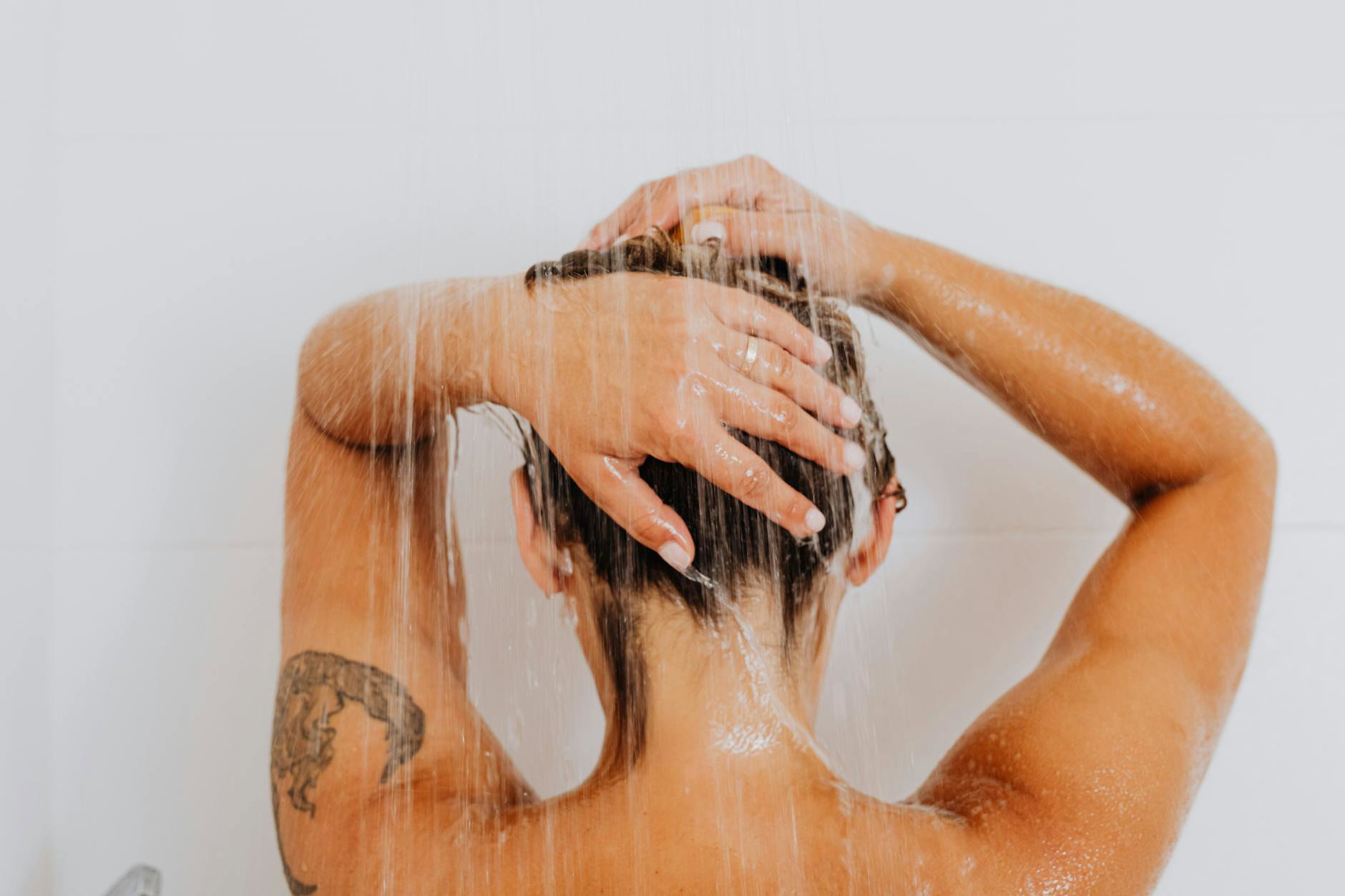
Marketing loves soft words. “Gentle” on the label does not always mean a skin-friendly formula in the bottle. Eczema-prone skin needs a cleanser that respects the acid mantle, limits surfactant harshness, and compensates for the lipids showers strip away.
Start with the surfactant system. Harsh sulfates like sodium lauryl sulfate can disrupt a fragile barrier. Some women tolerate sodium laureth sulfate at low levels, but many do better with milder systems. Look for glucosides (coco-glucoside, decyl glucoside), isethionates (sodium cocoyl isethionate), sarcosinates (sodium lauroyl sarcosinate), amphoacetates (sodium cocoamphoacetate), or betaines paired with fatty alcohols. These clean without the tight, squeaky feel that often foretells a flare.
pH also matters. Skin sits around pH 4.5–5.5. A body wash that lands in that zone helps your enzymes rebuild barrier lipids after you towel off. Brands rarely print pH on packaging, but you can infer gentleness from the “syndet” (synthetic detergent) cue, creamy textures, and the presence of humectants in the first third of the INCI list.
Texture gives another clue. Thick, opaque creams and oils usually contain more emollients than clear gels. That does not make every gel bad or every cream perfect. It signals intent. A gel can still work if it uses mild surfactants and packs glycerin. A cream can still irritate if it leans hard on fragrance. Always read the INCI.
The ingredient shortlist: what helps and what hinders
You cannot build a healthy barrier with marketing claims. You need the right molecules in useful amounts. For washes, that means humectants and skin-identical lipids that stick around for more than two minutes.
We rate glycerin at meaningful levels. It binds water fast and plays well with most systems. Look for glycerin high on the list. Propanediol and sorbitol also help. Ceramides, cholesterol, and fatty acids support barrier repair, even in rinse-off format. You won’t get a leave-on effect from a wash alone, but these ingredients buffer the surfactant hit and set you up for your moisturiser.
Colloidal oatmeal soothes and leaves a microscopic film that reduces tightness. Women in Ireland buy a lot of oat-based body care because it calms winter itch without perfume. Niacinamide can also support barrier function, but some people feel a prickle from high concentrations in a wash. Most pharmacy body washes keep levels modest.
Now for the pitfalls. Scrubs do not suit eczema-prone skin on the body. Salt and sugar crystals rake a barrier that already leaks. Essential oils can add risk as well. Tea tree, citrus, eucalyptus, and mint oils often sting disrupted skin. Avoid heavy fragrance blends and big lists of potential allergens like linalool, limonene, geraniol, and citral if you react easily. Save acids for a patch-tested face routine, not the shower.
Fragrance rules, essential oils, and the “unscented” trap
Fragrance stirs strong feelings. Some women insist on a scented shower for joy. Others react to a single drop of perfume. Both views count. If you flare often, fragrance-free gives your skin the best shot at peace. That means no added perfume and no essential oils either.
Watch for the “unscented” trap. Some brands add masking fragrance to cancel odour but still call the product unscented. You cannot smell it, but your skin still meets an allergen. Check the INCI for “parfum/fragrance” or common fragrance allergens at the end of the list. A true fragrance-free label helps, but the ingredient list tells the truth.
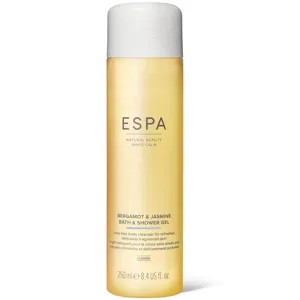
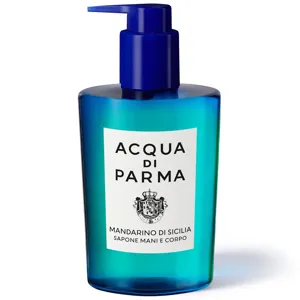
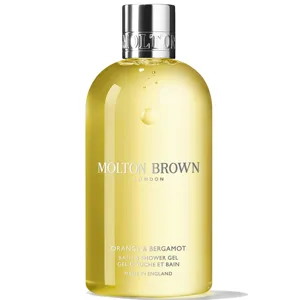
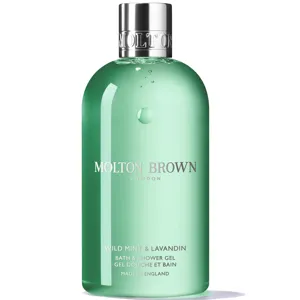
Essential oils feel natural but can still irritate. Lavender, citrus, peppermint, and eucalyptus oils show up in many spa-leaning shower gels. They smell lovely. They also raise risk for a flare when your barrier sits thin and stressed. If you tolerate light fragrance and want a comfortable option, stick to softer, cream textures with mild surfactants and small perfume doses. For example, some ranges from The Body Shop and Garnier aim for “sensitive” positioning with gentler surfactants, though they still use scent. Always patch test if your skin reads fragrance as a threat.
Fragrance-free does not mean boring. Many pharmacy body washes feel luxe now. Creams and oils leave a mild, clean scent from the base itself. If scent brings you joy, add it in your clothes or hair rather than your wash step. Your skin will thank you.
Format matters: shower oils, creams, gels, and bars
Format drives feel and performance. You can optimise this step by picking a base that suits your climate and your skin’s dryness level.
Shower oils emulsify on wet skin and deposit lipids while they cleanse. Women with very dry, itchy patches rate them highly in winter. They cushion the skin and reduce friction under running water. They suit Irish central-heated homes when radiators hum for months. Cream cleansers land close behind. They use mild surfactants, add humectants, and rinse without squeak.
Clear gels can work if they use the right surfactants and don’t chase a big foam. A small blob with plenty of water should do. If you need more lather to feel clean, try a soft mesh puff only on unaffected areas and keep pressure light. Better yet, retrain your brain to accept lower foam as the cleaner choice for eczema-prone skin.
Syndet bars deserve a second look. They are not old-school soap. They use synthetic detergents with an acidic pH. Many travel well, last longer than liquids, and keep formulas minimal. They can help if you react to long INCI lists in bottles. Avoid true soap bars for this skin type because they run alkaline and lift lipids fast.
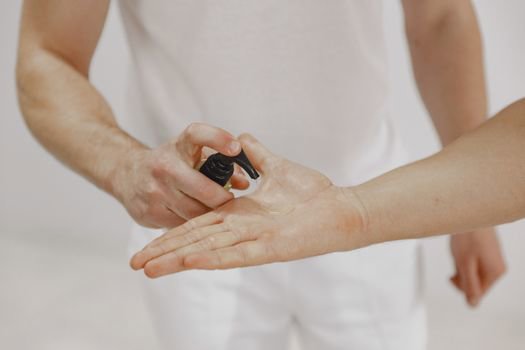
Whatever you pick, use less than you think. Limit wash to pits, bits, and feet on days you didn’t sweat much. Cleanse the rest with water only. Your barrier will hold up better between flares.
Irish-available picks we rate (and why)
We do not crown a single winner because eczema looks different on every body. We can point you to formulas Irish retailers stock widely and explain who tends to like them. Always patch test on a small area first.
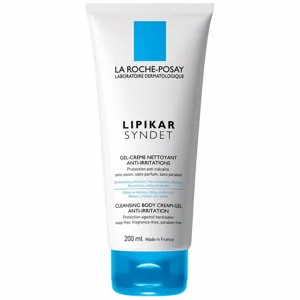
Pharmacy workhorses make a strong start. Hydrating cream cleansers with ceramides and glycerin suit everyday use on dry, reactive skin. Look for options like CeraVe Hydrating Cleanser used as a body wash, La Roche-Posay Lipikar Syndet AP+ Cream Wash, and Eucerin pH5 or UreaRepair body washes. Boots Ireland, McCauley, Meaghers, and Lookfantastic Ireland carry these brands often. Our price tracker shows frequent bundle offers across cleanser-and-lotion pairs in winter. Add your pick to a GlamGeek wishlist to catch a price drop before stock dips.
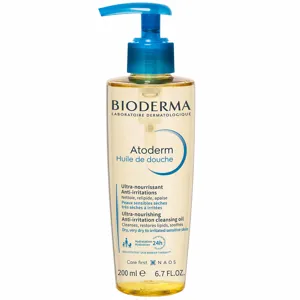
Shower oils help on very dry legs and arms. Options like Eucerin pH5 Shower Oil and La Roche-Posay Lipikar Oil AP+ clean without drag and leave a soft film. They suit quick morning showers when you cannot spend five minutes moisturising. They also stretch well in hard-water areas because oils reduce the squeak that tempts over-washing.
Budget-friendly bottles exist too. Supermarket aisles stock gentle formulas at lower price points. If you tolerate a touch of scent, sensitive-skin lines from Garnier offer creamy textures and simple surfactant systems. We still suggest patch testing any fragranced product if you flare often. Check our Shower Gels & Body Washes category to compare textures, ingredient call-outs, and current offers across retailers.
Prefer department-store textures? You can still shop smart. Clinique keeps a lot of formulas fragrance-free across skincare, though you should confirm each INCI for the body range you consider. If you love a soft, comforting scent and your skin tolerates mild perfume, lines such as The Body Shop Almond Milk shower creams feel cushy and pair well with a rich body butter on top. We urge caution during active flares. Save scented days for calmer weeks and lock in moisture after with a barrier-first lotion.
If you want a two-step system you can buy anywhere in Ireland, pair a mild wash with a bland emollient. Top choices include colloidal oatmeal lotions and urea-based creams at low percentages. Browse Body Lotions and Body Creams on GlamGeek to line up textures and ingredients. Add them to your wishlist and we’ll alert you when Boots Ireland or Lookfantastic Ireland runs a quiet weekend code.
{{IMAGE:close-up of woman applying body lotion after shower}}Technique over tools: how to wash without wrecking your barrier
Technique can change everything. You can use the best formula and still leave the shower tight and itchy if the water runs too hot or the towel rubs too hard.
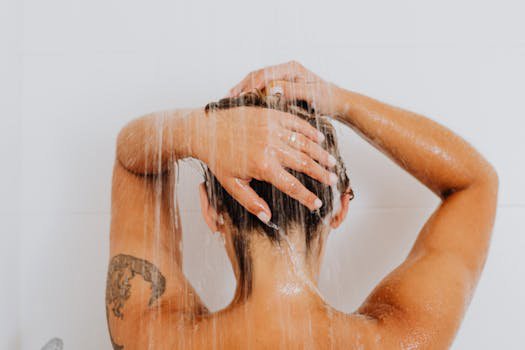
Turn the temperature down. Aim for warm, not hot. Steam curls off a shower at temperatures that melt stratum corneum lipids. Keep showers short as well. Five to seven minutes beats fifteen. Focus the cleanser where you need it. Rinse fast and step out.
Pat skin with a soft towel. Do not scrub. Leave the skin slightly damp for your moisturiser. Apply an emollient within three minutes while the skin still holds water. The “soak and seal” timing works. Choose a lotion for daytime under clothes. Use a richer cream at night on lower legs and elbows. Keep steroid creams for flares only, and follow your prescriber’s plan.
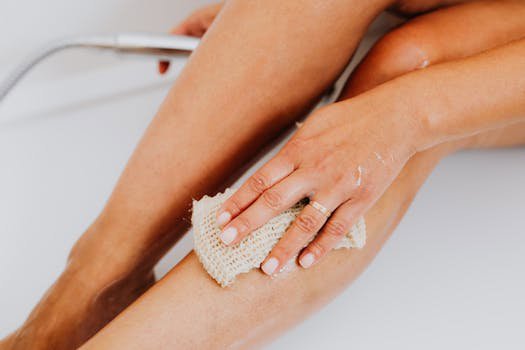
Skip harsh tools. Loofahs, pumice stones, and scrub mitts add friction that eczema-prone skin does not need. If you want help with lather, use a soft mesh puff very gently and keep it off compromised patches. Wash it often or skip it altogether.
When to change course: allergens, hard water, and medical support
If a new body wash makes things worse, stop and reassess. You may react to a specific surfactant, preservative, or fragrance component rather than the whole format. Common culprits include cocamidopropyl betaine in some cases, isothiazolinone preservatives in older formulas, and high-perfume blends. Fragrance allergens show up at the end of many INCI lists. Patch test on an inner arm for a few days before you go full-body with a new wash.
Hard water can complicate the story. Mineral content interacts with surfactants and raises residue, which nudges you to over-rinse and over-wash. Ireland varies by region. If your skin feels tight no matter what you use, try a shower oil or a syndet bar with higher emollient load. A simple, certified shower filter can help in some homes, though it will not fix eczema on its own.
If skin weeps, cracks, or stings even with water, speak to a GP or dermatologist. Infection can follow open patches, and you may need prescription care during flares. A gentle body wash still plays a role between treatments, but you should not push through severe symptoms to stay loyal to a bottle. Your routine should support your care plan, not replace it.
Build the full routine: aftercare, fabrics, and SPF in Irish weather
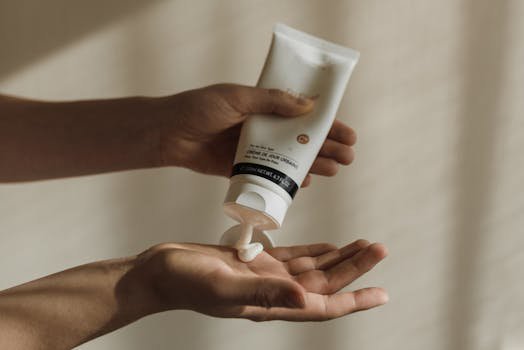
You earn the most from your body wash when you pair it with smart aftercare. An emollient traps water and replaces lipids. That matters more than the wash itself in many cases. Choose fragrance-free if you react easily. Keep a pump bottle by the shower and a richer tub by the bed for drier zones. Explore our curated picks in Body Lotions and Body Creams. You can compare textures, ingredients, and Irish stock without bouncing between ten tabs.
Textiles matter too. Wear breathable layers and avoid scratchy seams on flare days. Wash clothes with a fragrance-free detergent and skip fabric softener if you suspect irritation. A good body wash cannot outrun a t-shirt that rubs salt in the wound all day. Switch to a softer towel. Laundry tweaks cost less than a new skincare shelf.
SPF still counts in Ireland. UV exposure can irritate compromised skin and darken post-inflammatory marks. Choose simple, fragrance-free sunscreens on body areas that see daylight. If you plan seaside weekends or runs in rare sunbursts, browse SPF Protection Products and add a couple to your wishlist. We often catch bank holiday codes at Lookfantastic Ireland that drop SPF prices for a few days.
What this means: quick takeaways before you shop
You can pick a better body wash for eczema-prone skin without guesswork. Focus on structure and evidence, not foam and fragrance. Here’s the tight summary.
- Pick mild surfactants. Look for glucosides, isethionates, sarcosinates, or amphoacetates. Avoid harsh sulfates.
- Favour acidic pH and creamy or oily textures in winter. Gels can work if they use gentle systems and glycerin.
- Load up on humectants and lipids. Glycerin, colloidal oatmeal, ceramides, and fatty acids support a fragile barrier.
- Go fragrance-free if you flare often. Do not trust “unscented” blindly. Read the INCI for parfum and allergens.
- Keep showers warm, not hot. Shorten the ritual. Pat dry. Moisturise within three minutes on damp skin.
- Reassess if a wash stings or worsens redness. Consider allergens and water hardness. Ask a GP in severe cases.
- Use GlamGeek to compare formulas and stock across Irish retailers. Add picks to your wishlist for price-drop alerts.
One more tip from our data: pharmacy ranges sell out first during cold snaps. If you find a wash that works, keep a backup when a good bundle shows up. You do not need five backups. One spare prevents last-minute grabs of perfume-heavy gels that set you back a week.
Ready to build your short-list?
Start with the right format for your dryness level, then check the surfactant and fragrance status. Shortlist two or three options, add them to your GlamGeek wishlist, and watch our price comparison. We track Boots Ireland, Meaghers, McCauley and Lookfantastic Ireland so you can buy when it makes sense, not when your skin screams.
Which gentle body wash works best for you in Irish weather, and what did your skin teach you about fragrance tolerance? Tell us, and help other women pick smarter. In the meantime, browse our Shower Gels & Body Washes category for current offers, ingredient call-outs, and honest reviews before you add anything to basket.