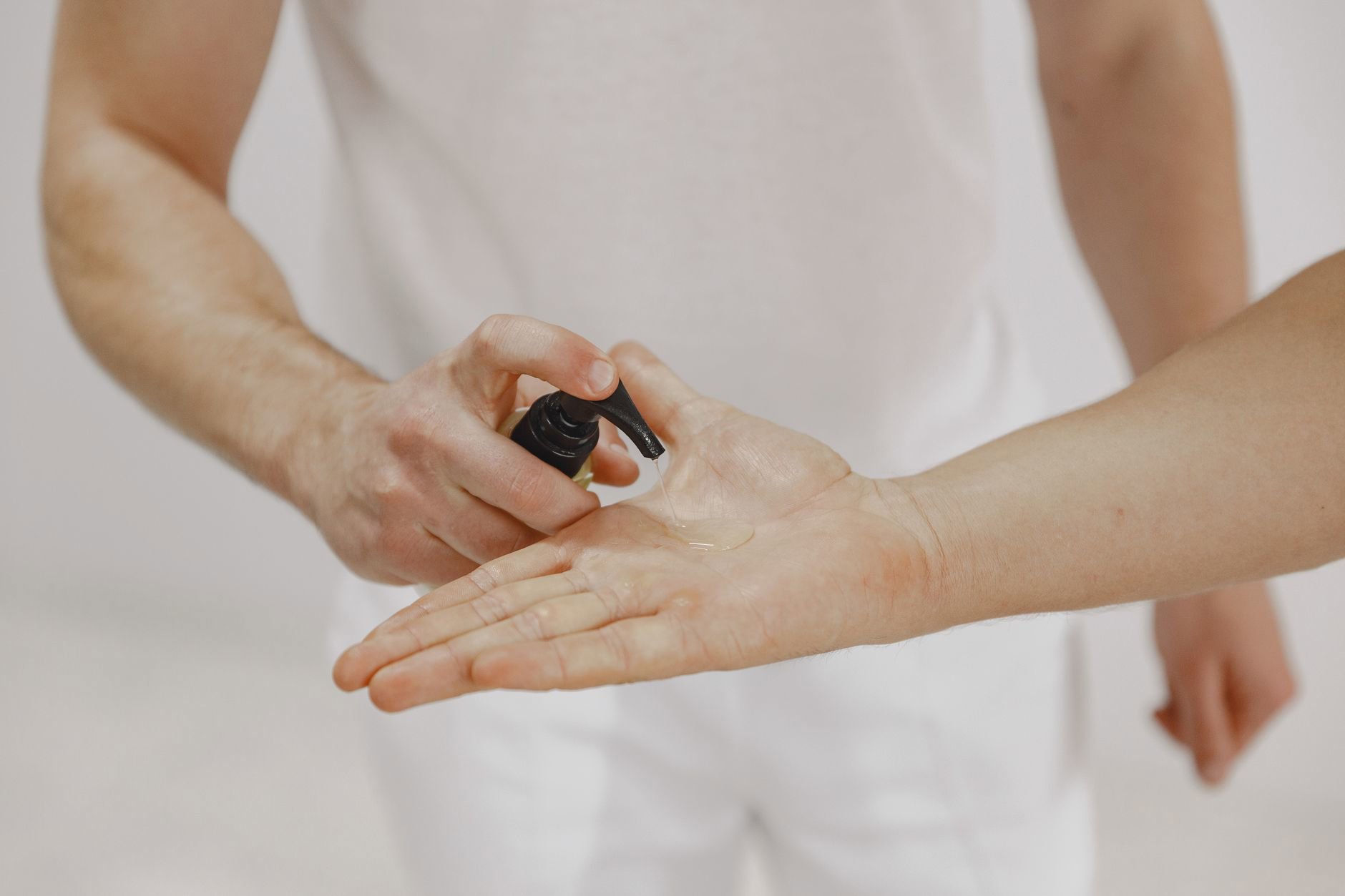
Yes — body oil can help with dry, itchy skin, as long as you use it the right way and pick the right formula.
Dryness and itch often come from a weakened skin barrier. Body oils can reduce water loss, soften rough patches, and make skin feel comfortable faster than you’d expect. But not every oil suits every body, and fragrance can turn “soothing” into “stingy” for reactive skin.
We’ll break down what body oil can (and can’t) do, which ingredients matter most, who should avoid scented options, and exactly how to apply body oil for maximum relief without that slippery, greasy finish.

GlamGeek’s pricing data also shows a big spread in cost per bottle for body oils. The good news: “effective for dryness” doesn’t always mean “most expensive”.
The basics: why dry skin itches (and what oils actually do)
Dry, itchy body skin usually starts with water loss. Your skin barrier sits on the surface like a brick wall: skin cells as “bricks” and lipids as the “mortar”. When that mortar runs low, water escapes more easily and irritants get in.
That’s when you feel tightness after showering, scaly texture on shins, or that restless itch that flares at night. In Ireland’s damp, mild climate, people still get barrier stress. Indoor heating, hot showers, and frequent cleansing do plenty of damage.
Body oils mainly work as occlusives and emollients. They seal the surface to slow transepidermal water loss and smooth the feel of flaky skin. They do not “add water” on their own. That’s why application technique matters so much.
One more reality check. If itch comes with cracking, weeping, hives, or persistent redness, you may need medical advice. Body oil can support comfort, but it won’t treat infections or inflammatory skin conditions on its own.
Barrier support 101: the ingredients we look for (and the ones we treat cautiously)
When readers ask us about “the best oil for itch”, they often mean “what will stop my skin feeling raw after I dry off?”. In practice, you want an oil blend that stays breathable, spreads easily, and leaves a flexible film.
Across body oils, you’ll see recurring favourites like jojoba, grapeseed, argan, rosehip, and coconut-derived emollients. These can help soften rough texture and reduce that papery feel that triggers scratching.
Ingredient buzzwords matter, but only if they appear in the formula. In general, here’s what tends to support dry, itchy skin best:
- Jojoba oil: often well-tolerated; mimics skin’s natural lipids and can feel less heavy than richer oils.
- Plant oil blends (grapeseed, argan, macadamia, hazelnut): good slip and softness; helpful when flaking sits on top of otherwise normal skin.
- Barrier-supporting actives: some oils include added complexes designed for conditioning and protection.
- Shimmer pigments: purely cosmetic, but they can disguise scaling and dullness on legs.
And the caution list:
- Fragrance and essential oils: they smell gorgeous, but they can trigger stinging on compromised skin. If you react to fragranced Eau de Parfum Perfumes, treat scented body oils with the same scepticism.
- Very rich oils on acne-prone areas: chest and back can break out more easily than arms and legs.
Note on your examples: ingredients like squalane, oat, and ceramides can be excellent for barrier care, but we only call them out when a product description confirms them. Not every body oil in the Irish market includes them.
Which body oils suit dry, itchy skin best? Our picks from the price feed
We track body oil pricing across major retailers that serve Ireland, including Boots Ireland and Irish department stores such as Brown Thomas and Arnotts, plus cross-border options like Lookfantastic Ireland. Availability shifts, so we focus on what the formulas promise and what the current “from” prices look like.
If dry itch is your main issue, start with oils that emphasise nourishment, quick absorption, and skin comfort rather than heavy shimmer or intense scent.
For straightforward softness (and good value)
Caudalie Soleil Des Vignes Oil Elixir (from €21.00) sits in the “easy daily” bracket. The description highlights a lightweight elixir enriched with prickly pear, grape seed, argan, and sweet almond oils. That type of silky plant-oil mix usually works well when the itch comes from surface dryness and rough texture.
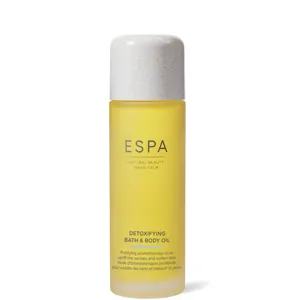
Emma Hardie Unisex Moringa Luxury Bath & Shower Oil (from €19.55) targets weathered skin and positions itself as a do-it-all treatment. Bath and shower oils can suit people who hate post-shower greasiness, since you can use them in-routine and rinse the excess.
For dry legs that look dull and feel tight
This Works Skin Deep Dry Leg Oil (from €55.00) leans heavily into botanical oils: a 100% natural blend of 13 essential oils and 6 cold-pressed plant oils, designed to moisturise and add radiance to very dry legs.
That said, essential oils can irritate some people when the barrier feels fragile. If your itch comes with stinging, patch-test and keep it off freshly shaved skin.
For fast absorption (less “cling” on clothes)
Neom Pro-Vitamin D3 Dry Body Oil (from €40.25) calls itself a dry body oil and includes pro-vitamin D3 to nourish and support the skin barrier, plus a five-oil blend featuring coconut and jojoba. If you want comfort but hate residue, “dry oil” textures often feel easier to live with day to day.
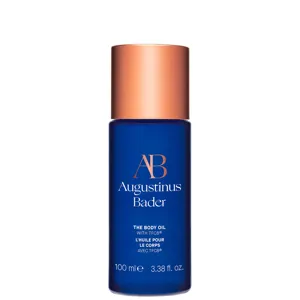
Augustinus Bader The Body Oil (from €105.00) sits at the premium end. The description stresses fast absorption, a non-greasy feel, and the brand’s TFC8 Complex with plant-based actives. If you want a high-end option that still behaves like a daily body product, it fits the brief. The price will not.
Fragrance, essential oils, and itch: who should avoid scented body oils?
Many body oils smell like a spa because brands rely on fragrance and essential oils. For some people, that scent equals relaxation. For others, it equals redness.
If your skin itches because it feels dry but otherwise looks calm, you can often use fragranced oils without drama. If you get eczema flares, persistent redness, or stinging after showering, treat fragrance as a likely trigger.
Here’s a practical way to decide:
- Avoid fragranced oils if you react to perfumed body products, you scratch in your sleep, or you see patches that cycle through red → flaky → sore.
- Be cautious if you shave frequently, use exfoliating acids elsewhere in your routine (even on the face), or apply right after hot baths.
- Consider fragranced oils if your main complaint is winter tightness and dullness, rather than inflammation.
- Patch-test on the inner forearm for several days before full-body use, especially with essential oil blends.
Examples from our body oil list that clearly lean into fragrance and essential oils:
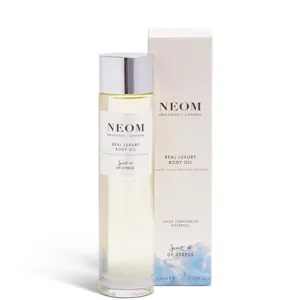
Neom Real Luxury De-Stress Body Oil (from €36.80) focuses on a natural fragrance designed for a calming effect. It makes sense for evening use, but reactive skin may prefer to keep it to less sensitive areas.
Aromatherapy Associates Relax Body And Massage Oil (from €71.30) includes camomile, vetivert, and ylang ylang. It aims to comfort and calm skin and encourages sleep. If your itch spikes at night, the massage ritual can help — but the essential oils can still irritate some barriers.
Aromatherapy Associates De-Stress Frankincense Pure Essential Oil (from €22.08) sits in the same scent-first category. Because it’s a pure essential oil blend, we’d keep it well away from actively itchy, inflamed patches.
How to apply body oil for maximum itch relief (without feeling greasy)
Application makes or breaks body oil.
If you rub oil onto fully dry skin, you often get shine and slip, but not much itch relief. You also need more product, which makes everything feel heavier.
Instead, use body oil to seal in water. That water can come from your shower, bath, or even damp hands.
Step-by-step: the “damp skin” method
- Shower as normal, but keep water warm rather than hot.
- Pat dry. Leave skin slightly damp, especially on shins, elbows, and forearms.
- Warm 4–8 drops between palms for one limb at a time. Add more only if needed.
- Press and smooth rather than aggressively rubbing. Rubbing can trigger itch on sensitised skin.
- Give it 2–5 minutes before dressing. Dry oils help here.
For people who hate residue, pick a lighter texture and keep the dose tight. Neom Pro-Vitamin D3 Dry Body Oil (from €40.25) and Augustinus Bader The Body Oil (from €105.00) both position themselves as non-greasy, fast-absorbing options.
If itch concentrates on legs, treat them like a separate routine. This Works Skin Deep Dry Leg Oil (from €55.00) targets exactly that use case, with radiance added for visual payoff.
Bonus technique: bath and shower oils for “less grease” days
When skin feels dry but you can’t tolerate a post-shower layer, use a shower oil format. Emma Hardie Unisex Moringa Luxury Bath & Shower Oil (from €19.55) fits here. You get slip and softness, then you rinse down to comfort.
Matching the oil to the problem: itch, dullness, rough texture, or “I want glow”
Not all “dry skin” looks the same. Some people want itch relief. Others want their legs to stop looking ashy. Plenty want both.
We group body oils by what they prioritise, using only what brands state in the product descriptions.
If your main issue is itch and tightness
Look for oils described as nourishing, hydrating, and protective, with a non-greasy finish. Augustinus Bader The Body Oil (from €105.00) explicitly claims deep hydration and conditioning with fast absorption. It suits people who will pay for texture elegance.
Kora Organics Noni Glow Body Oil (from €66.00) focuses on nourishing and hydrating the skin to restore silky smoothness, using organic noni extract with rosehip and jojoba mentioned in the description. It lands in the mid-to-high bracket, but the ingredient profile reads “comfort-first”.
If your main issue is rough, dry-looking legs
This Works Skin Deep Dry Leg Oil (from €55.00) targets radiance and dryness on legs specifically. If you mainly scratch your shins, that specificity helps.
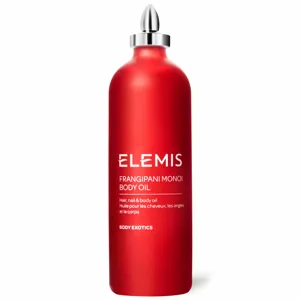
Elemis Frangipani Monoi Body Oil (from €55.20) highlights frangipani flower extract plus monoi and coconut oils, with a long-lasting moisturising angle. Richer oils often suit scaly patches, but keep them off areas that clog easily.
If you want visible glow (and you don’t mind shimmer)
Glow oils can distract from dryness by reflecting light. They won’t fix the barrier by themselves, but they can make skin look smoother while you work on comfort.
TAN-LUXE The Glow (from €33.00) aims to enhance tan (natural or otherwise) with an instantly illuminating finish, using nourishing plant oils for suppleness.
Nuxe Huile Prodigieuse Shimmering Florale Multi Purpose Dry Oil (from €22.08) offers a quick-absorbing, non-greasy dry oil feel with rose gold shimmer and oils like macadamia and hazelnut. For many Irish shoppers, this sits in the “treat but not outrageous” price zone.
111SKIN Rose Gold Radiance Body Oil appears in our feed from €90.00 with a description focused on nourishing and replenishing, using goldella derived from green microalgae. It also appears elsewhere in the list with a conflicting entry; we treat the €90.00 listing with a clear body oil description as the reliable one.

Price and where to buy in Ireland: what the data tends to show
Body oils sit in a wide price band in Ireland. Our tracker regularly shows entry points around the low €20s, then a steep climb into €50–€100 territory for prestige brands.
Based on the “from” prices in this guide, you can roughly group options like this:
- Budget-friendly treat (€19–€23): Emma Hardie Unisex Moringa Luxury Bath & Shower Oil (from €19.55), Caudalie Soleil Des Vignes Oil Elixir (from €21.00), Nuxe Huile Prodigieuse Shimmering Florale (from €22.08).
- Mid-range daily (€33–€41): TAN-LUXE The Glow (from €33.00), Neom Real Luxury De-Stress Body Oil (from €36.80), Neom Pro-Vitamin D3 Dry Body Oil (from €40.25).
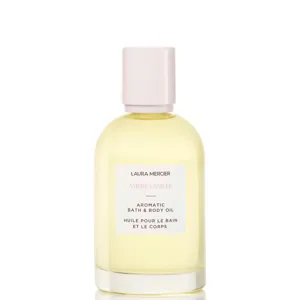
- Premium comfort (€55–€72): This Works Skin Deep Dry Leg Oil (from €55.00), Elemis Frangipani Monoi Body Oil (from €55.20), Laura Mercier Ambre Vanille Bath And Body Oil (from €57.04), Aromatherapy Associates Relax Body And Massage Oil (from €71.30).
- Luxury (€90–€105): 111SKIN Rose Gold Radiance Body Oil (from €90.00), Augustinus Bader The Body Oil (from €105.00).
Where to shop depends on stock. Boots Ireland often carries mainstream body care, while Brown Thomas and Arnotts tend to cover prestige options. Lookfantastic Ireland frequently undercuts Irish RRP on beauty, but shipping thresholds and returns matter.
If you build a bigger body-care basket, it can help to compare adjacent categories too, such as Body Lotions and Body Creams, even if you stick with oils for the final purchase. Price patterns often mirror each other.
Practical tips for itchy, dry skin: make body oil work harder
Use less than you think, more often than you think.
A thin layer on damp skin twice a day often beats a thick slick once every few days. If mornings feel rushed, keep a dry oil texture for weekdays and save richer oils for nights.
These tactics help most people get better results from body oil:
- Target the itch zones: shins, ankles, elbows, forearms. You don’t need to oil your whole body every time.
- Time it right: apply within five minutes of bathing. That timing traps hydration.
- Mind friction: tight jeans over freshly oiled legs can feel clammy. Wait a few minutes, or use a lighter oil like Neom Pro-Vitamin D3 Dry Body Oil.
- Keep fragrance off flare-ups: use scented oils on areas that tolerate them, and avoid active patches.
- Don’t forget SPF: oil can make skin look glossy, but it doesn’t protect from UV. Irish weather still exposes skin to UVA. If legs go bare, browse SPF Protection Products separately.
Finally, if you want “comfort plus vibe”, reserve the strongly scented oils for massage rather than daily all-over use. Aromatherapy Associates Relax Body And Massage Oil fits that role, as does Neom Real Luxury De-Stress Body Oil.
That way, you get the ritual without gambling on irritated skin.
Which sounds most like your skin right now: tight and flaky after showering, or itchy and reactive even when you moisturise?