Our price tracker keeps throwing up the same pattern every winter: vitamin C serums climb the charts while anti‑ageing creams hold steady. Shoppers in Ireland chase brightness and firmness at the same time. Then comes the big question in reviews and search queries—can you use an anti‑ageing cream with vitamin C without wrecking your skin barrier?
The short answer is yes. The longer answer is you need a plan. Vitamin C works best when you respect its chemistry, pick the right partners, and time your layers. That approach matters in Ireland’s damp, low‑UV climate just as much as it does in sunnier places, because UVA still reaches skin on grey days.
We’ll map out how to pair vitamin C with the usual anti‑ageing suspects—retinoids, acids, niacinamide and peptides—without sting or pilling. We’ll also keep this grounded in the Irish market, so you can buy wisely from Boots Ireland, Brown Thomas, Arnotts, McCauley Pharmacy, Meaghers Pharmacy and Lookfantastic Ireland, rather than guessing what works here.
Why this combo sparks worry (and why you can still do it)
Vitamin C has a fussy reputation. L‑ascorbic acid needs an acidic pH to penetrate, it oxidises quickly in air and light, and it can tingle. Anti‑ageing creams often carry strong actives—retinoids, alpha hydroxy acids, or concentrated niacinamide—that also nudge skin. Layer them badly and you can push redness and dryness over the edge.
Yet dermatology research across the 1990s and 2000s showed the upside when you get it right. L‑ascorbic acid at 10–20% supports collagen, brightens uneven tone and scavenges free radicals from UV exposure. Retinoids speed up cell turnover and improve fine lines. AHAs refine texture. Niacinamide supports barrier function and tackles blotchiness. The trick lies in sequence, spacing and formula choice.
Since 2010, we’ve watched vitamin C and retinoid launches ebb and flow across Irish retailers. Every time a “can’t mix these” myth resurfaces, sales dip for a month, then bounce back. The data tells us women want the combined payoff—brightness from vitamin C, smoothing from a targeted anti‑ageing cream—without the drama. You can have that result with a few tweaks.
One more practical reason to try this pairing: budgets. You don’t need a 12‑step routine to cover brightening and anti‑ageing. You can slot vitamin C and a well‑chosen cream into a lean routine and let them work. Our merchant feed tracks frequent promos on both categories, so you can shop smarter rather than buy backups you won’t finish.
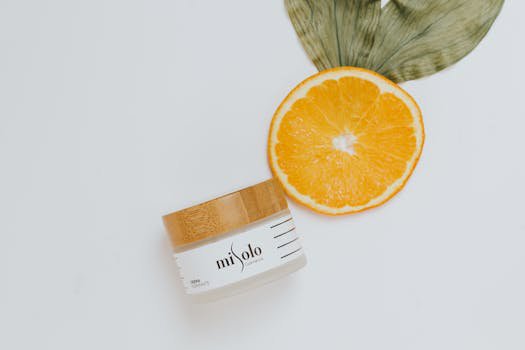
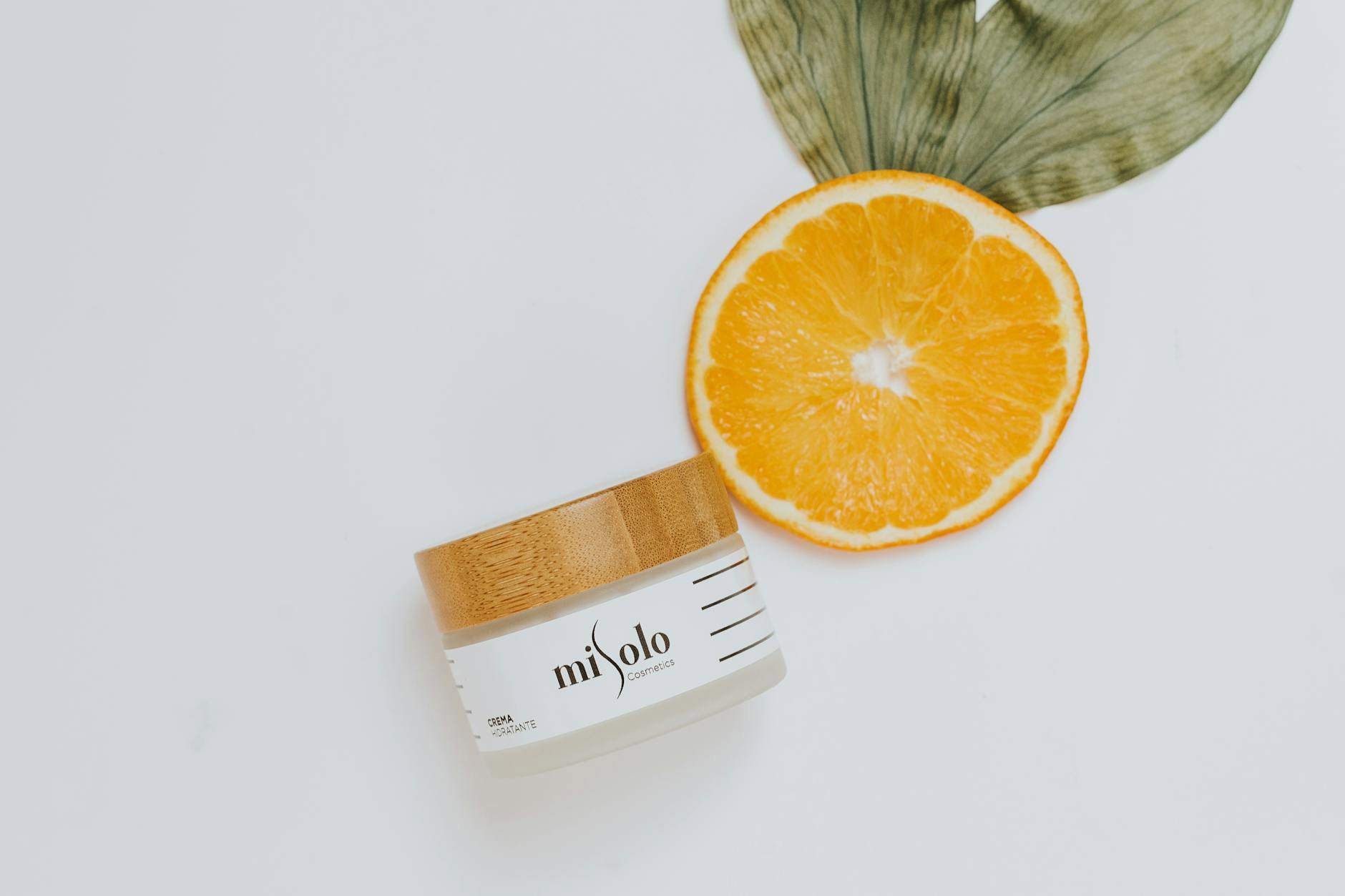
{{IMAGE:vitamin c serum texture flatlay}}Vitamin C 101: form, strength and skin feel
Start with your vitamin C type. L‑ascorbic acid offers the most evidence for brightness and collagen support. It works best around pH 3.0–3.5. That low pH can tingle, but the payoff justifies the fuss if your skin tolerates it. Look for airtight, opaque packaging and a fresh batch date. If the liquid shifts to deep orange or brown, it has oxidised. Retire it.
Prefer a gentler track? Choose a derivative. Sodium ascorbyl phosphate and magnesium ascorbyl phosphate sit at a higher pH and suit sensitive skin. 3‑O‑ethyl ascorbic acid lands between true ascorbic acid and gentler options, with good stability. Derivatives convert to ascorbic acid in skin to varying degrees, so results can take longer. Many women accept that trade‑off to cut sting and reduce the risk of clashing with other actives.
Texture matters. Thin serums with L‑ascorbic acid layer cleanly under most anti‑ageing creams. Emulsion or lotion formats with derivatives can double as a light moisturiser. If you adore a rich anti‑ageing cream, a water‑light serum under it keeps piling and balling at bay.
For shopping, keep it simple. Pick your vitamin C in serum form first. Then pick your anti‑ageing cream by main active, not by a long shopping list of buzzwords. Our category pages for Anti Ageing Face Serums and Anti Ageing Face Creams organise options by brand and retailer. Add your shortlist to a wishlist and we’ll ping you when prices drop across Boots Ireland or Lookfantastic Ireland.
The right order: a morning‑evening split that works
Vitamin C shines in the morning. It helps neutralise free radicals from daylight and pollution. Pair it with sunscreen and you get a strong daytime defence. Use your anti‑ageing cream wherever it fits best: many retinoid creams work best at night. Barrier or peptide creams can sit morning or evening.
Try this simple split:
- AM: Cleanser, vitamin C serum, hydrating layer if needed, anti‑ageing cream that plays nice in daylight, then broad‑spectrum sunscreen.
- PM: Gentle cleanse, targeted treatment (retinoid or AHA cream), then a plain moisturiser if you need comfort.
Keep your layers thin. Give each layer 60–90 seconds to settle. If a product pills, reduce quantity. Don’t rub hard; press and smooth instead. That habit reduces friction and irritation, especially on damp Irish mornings when products can feel tackier.
If you prefer everything in one go, reach for a vitamin C derivative serum in the morning and a retinoid cream at night. That approach avoids a low‑pH stack and cuts the chance of flare‑ups.
Vitamin C and retinoids: a truce that favours results
Vitamin C and retinoids can coexist in one routine. You just need space. Morning for vitamin C; night for retinoids. That rhythm respects both ingredients. It reduces the risk of extra sting, since retinoids already push turnover.
Start retinol low and slow. Many women tolerate 0.1–0.3% retinol two to three nights a week, then build frequency. If your anti‑ageing cream lists retinaldehyde or a retinoid complex, follow the brand’s schedule. Buffer the retinoid with a basic moisturiser if your skin tightens. The “sandwich” method—moisturiser, retinoid, moisturiser—often works in our community feedback.
Check the rest of your night routine. Avoid stacking an acid toner under a retinoid cream on the same night if your skin runs sensitive. Save acids for a different evening. Keep fragrance and essential oils low while you adjust. Brands like Clinique and L'Oréal offer retinoid creams made for nightly use. You can line them up in your wishlist and watch our price tracker catch a promo before you commit.
If you still flush, swap the form of vitamin C. A derivative in the morning often solves recurring redness without losing brightening over time. You can also reduce retinoid frequency for two weeks, then step back up once the barrier settles.
Vitamin C, acids and exfoliants: avoid the low‑pH pile‑on
Acid fans love smoothness. But vitamin C in its pure form already runs acidic. If you stack a strong AHA toner, an L‑ascorbic serum, and a glycolic night cream, you may tip skin into a sting spiral. You don’t need three low‑pH hits in one day.
Split the work. Keep vitamin C in the morning. Use a leave‑on acid once or twice a week at night. If your anti‑ageing cream contains glycolic or lactic acid, make that your only acid step on those nights. Fill the rest of your week with calming hydrators.
Watch labels. Some “glow” creams sneak in 5% acids. That number can prod sensitive cheeks, especially in wind and rain. If your skin prickles in winter or after a long coastal walk, park the acids for a few days. That break saves your barrier far more than a new active layer ever could.
If you need a texture fix, a rinse‑off mask often delivers a safer reset than daily acid stacking. Our Face Exfoliants and Face Masks pages list current Irish stock and promotions. Add one to your wishlist and we’ll alert you when a price drops at Meaghers or McCauley.
Vitamin C with niacinamide and peptides: friends, not foes
Niacinamide myths linger online, but modern formulas play well with vitamin C. Historic concerns came from old lab conditions with heat and extreme pH. Real‑world skin sits at a cooler temperature and near‑neutral pH. Brands now combine them in the same product without issues.
Why consider the pair? Niacinamide supports the skin barrier and calms redness. Vitamin C brightens and targets free radicals. Together they round out a morning routine that handles Irish weather, office radiators and indoor heat. Many anti‑ageing creams rely on peptides for firmness. Peptides sit comfortably over vitamin C and under sunscreen. You won’t get drama from that mix.
If you want a single‑brand system, look at ranges from Estée Lauder, Clarins and Shiseido. They tend to build lines that map cleanly across the day. Use our comparison to see which retailer runs the best bundle price or gift with purchase in Ireland.
Prefer the high‑street angle? Vitamin C serums and niacinamide moisturisers from L'Oréal and Garnier pop up often in Boots Ireland promotions. We track those changes daily. Save your picks and we’ll send a nudge when they drop again.
{{IMAGE:irish woman applying skincare spf}}Packaging, storage and oxidation: protect your spend
Vitamin C hates air, light and heat. You protect potency when you choose smart packaging and store it well. Look for opaque bottles or UV‑safe glass. Airless pumps beat droppers. If you love a dropper, cap it tightly and store it in a cool cupboard. Don’t leave vitamin C on a sunny sill or near a steamy shower.
Check colour and smell monthly. Fresh L‑ascorbic acid serums look clear to pale straw. A shift to deep orange or brown signals oxidation. The scent can darken too. You won’t harm your skin with a lightly oxidised serum, but you will waste time. Potency drops as colour deepens. Use derivatives if you can’t finish a bottle within three months.
Buy sizes you can finish. A 30 ml bottle suits most women for morning use over two to three months. A 50 ml bottle can sit too long, especially if you skip days due to retinoid adjustment. Our Day Face Serums page lists sizes and formats, so you can pick a practical volume and compare prices before checkout.
Anti‑ageing creams usually live longer on the shelf, but airless packaging still serves retinoids well. If your retinoid cream comes in a jar, use a spatula, not fingers. Keep lids tight. That habit keeps actives stable and reduces the chance of contamination.
SPF still matters in Ireland: build the best morning pair
Cloud doesn’t block UVA. Vitamin C works hard against free radicals from daylight, but it can’t replace sunscreen. Pair your morning vitamin C with a broad‑spectrum SPF 30–50. That duo tackles both visible brightness and the unseen damage that drives fine lines and uneven tone.
Pick textures you’ll wear. Gel‑cream SPFs win in humid conditions. Richer creams suit dry skin or office days with heating on. Mineral filters can look chalky on deeper tones; many newer formulas fix that, but check a tester if you can. Chemical filters feel lighter, but some sting. You can patch test under the jawline before you buy.
Apply sunscreen as your final morning step over vitamin C and any day cream. Don’t rely on SPF in foundation alone. Most women do not apply enough makeup to hit labelled protection. If you want coverage, apply sunscreen first, then use a light base. Our SPF Protection Products page rounds up current Irish stock. Pair it with your base from Liquid Foundations if you want tint and protection without compromise.
Look for bundle deals in Irish retailers during spring and late summer. We see sunscreen promotions cluster then. Add your favourites to a wishlist on GlamGeek. We’ll alert you when Boots Ireland or Lookfantastic Ireland drops the price so you can restock without overpaying.
Where to buy in Ireland: price‑savvy picks and reliable ranges
Irish shoppers can find strong vitamin C and anti‑ageing lines at Boots Ireland, Brown Thomas and Arnotts, with quick delivery. Meaghers Pharmacy and McCauley Pharmacy often list online exclusives and gifts with purchase. Lookfantastic Ireland runs frequent discount codes that stack on selected brands.
Brand families that keep vitamin C and anti‑ageing creams straightforward include Charlotte Tilbury for day‑to‑night sets, and high‑street stalwarts like Garnier and L'Oréal for accessible retinol moisturisers. Premium counters from Estée Lauder and Clarins add peptide‑rich creams that sit well over morning vitamin C.
Check our product pages before you buy. We track stock and prices across multiple Irish retailers so you don’t have to. You can compare formats, see user reviews, and watch for price swings that arrive with bank holidays or retailer events. If a UK retailer ships cheaper to Ireland for a brand you love, we’ll show that too. Factor in delivery to see if the saving holds.
If you chase a specific set—say a vitamin C serum with a matching anti‑ageing night cream—build a wishlist and wait a week. Price moves come quickly in this category. Our alerts save money without adding effort to your routine.
How to introduce the combo without irritation
Take two weeks and map the routine. Start vitamin C every morning. Keep your anti‑ageing cream to every third night if it carries retinoids or acids. Use a plain moisturiser on off nights. That schedule lets your barrier adjust.
Log how your skin behaves. Brightness should improve within four to six weeks with steady use. Fine line changes take longer. If you feel tightness, step back on frequency, not quantity. A pea‑sized amount of retinoid cream still counts as active even when used less often.
Use the buffer method on nights you feel dry. Apply a light moisturiser, then your anti‑ageing cream, then a final moisturiser layer over it. Keep fragrance low during this phase. Our Day Face Moisturisers page lists simple options without heavy essential oils that won’t compete with actives.
Patch test if you live with reactive redness or rosacea‑prone skin. Dab vitamin C and your night cream behind the ear for three nights. If you get no sting or flush, proceed to the face. Slow and steady wins here.
Signs your pairing works—and signs to pivot
Good signs arrive quietly. Your skin tone looks clearer. Makeup sits better with less need for heavy concealer. Your night cream no longer tingles on application. Dry patches shrink as your routine balances.
Red flags look louder. Persistent burning, new rough patches, flaking that lasts more than a week, or breakouts you didn’t expect. In that case, simplify. Park acids and hold retinoids to once a week for ten days. Keep vitamin C if it never stung, or swap to a derivative while you reset. A bland moisturiser helps you rebuild without losing progress.
Check expiration dates. Many vitamin C serums last six to twelve months after opening. Anti‑ageing creams vary by active. Retinoids often ask for faster use. If something smells off or changes colour, trust that cue. Your skin does better on fresh formula than on a bottle you stretched too far.
What this means for your morning shelf
You can use vitamin C and an anti‑ageing cream in the same routine without the sting story. Keep vitamin C for daytime, retinoids or strong acids for night, and round the routine with sunscreen. That structure gives you brightness and smoothness while your barrier stays steady. You don’t need a complicated map to get there.
Buy formats you’ll finish. Lean on our comparison tools to spot Irish‑market stock and current prices across Boots Ireland, Brown Thomas, Arnotts, Meaghers Pharmacy, McCauley Pharmacy and Lookfantastic Ireland. Add your candidates to a wishlist and let the alerts do the work. That way you spend on formulas that fit your routine, not on duplicates that gather dust.
Your turn
What pairing gave you the best bright‑and‑smooth result—vitamin C with a peptide cream by day, or vitamin C plus a retinoid night cream? Tell us which brands worked for your skin and where you found the best Irish price. Add your picks to a GlamGeek wishlist and we’ll help you catch the next drop.