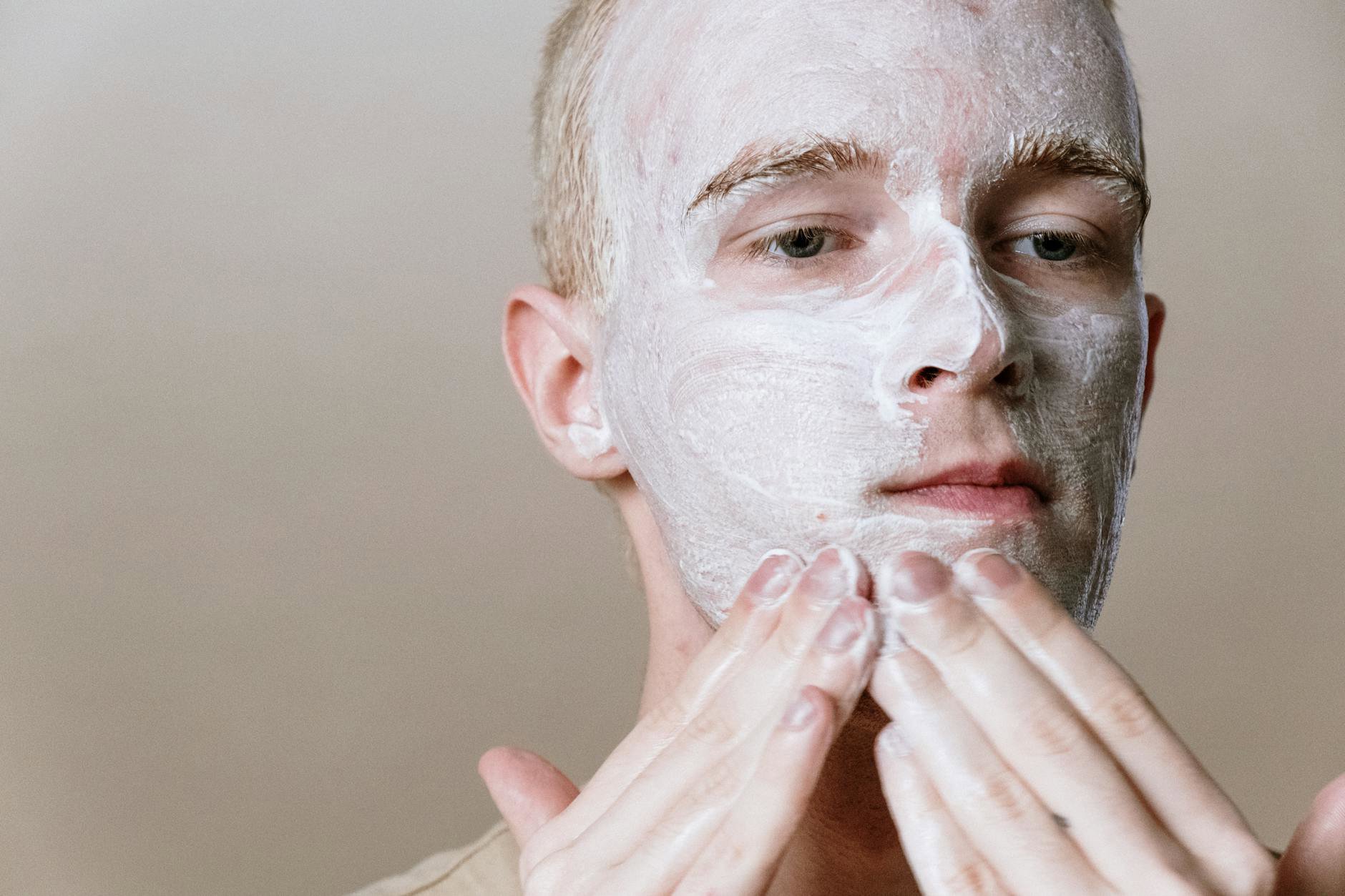
Our data shows a pattern that hurts more faces than it helps. Over-masking sits high among reported irritation triggers in our skincare reviews. Women love the quick fix, but the wrong frequency can undo a month of careful moisturising in one evening.
That sounds blunt. It’s also fixable. If you match the mask to your skin and use a smart schedule, you get glow without the flare-ups. The trick sits in the formula, the weather, and your routine the day after.
Here’s the simple question we see every week: how often should you use a face mask? The answer changes by mask type and by your skin’s mood. Let’s organise it properly.
Why frequency matters more than the hype
Face masks surged in the mid-2010s and never dropped off. Our product database now tracks hundreds of masks across Boots Ireland, Brown Thomas, Arnotts, McCauley Pharmacy, Meaghers Pharmacy, and Lookfantastic Ireland. The choice looks rich. The rules have not changed. Skin wants balance, not extremes.
Ireland’s damp, mild climate brings a unique set of needs. High humidity softens the top layer. Indoor heating in winter still dries the skin. Wind and rain add friction. SPF remains essential, even on grey days. All of that affects how often you can load on acids, clay, or retinoids without tipping into redness or flakes.
Across our merchant feed, we see frequent promotions on sheet masks and clay masks. Multi-buys tempt daily use. Daily use rarely suits strong actives. We rate a planned schedule over impulse masking. You can still grab a deal, but park half the pack for next week.
Our price tracker flags big differences between retailers on the same mask. Before you restock, check our Face Masks category and add favourites to your wishlist. We’ll ping you when a price drops.
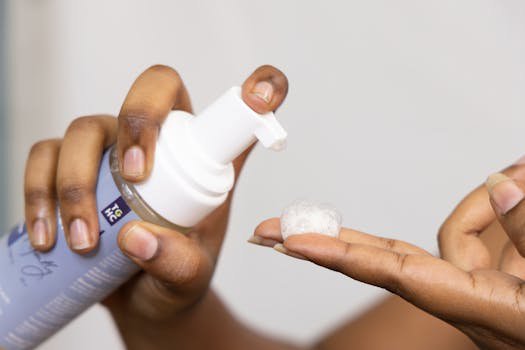
{{IMAGE:woman applying hydrating face mask at home}}Hydrating masks: when your skin feels tight or looks dull
Hydration masks help most Irish complexions. Think hyaluronic acid, glycerin, panthenol, aloe, squalane, and ceramides. These ingredients draw water in and lock it down. They suit dry, sensitive, or wind-chapped skin. They also pair well with retinoids or acids used on other nights.
How often? Two to five times a week works for many. Sheet masks or cream masks with gentle humectants can even work daily during a cold snap. Keep sessions short. Ten to twenty minutes gets you the boost without waterlogging the skin. For sleep masks, start two nights per week and step up if your skin looks happy.
Good examples include Clinique Moisture Surge Overnight Mask from Clinique and Shiseido Waso Beauty Sleeping Mask from Shiseido. For budget-friendly sheets, look at Garnier’s Moisture Bomb range. Add a hydrating mask night after an exfoliation day. That sequence helps comfort and glow.
Signs you’re overdoing it: spongy, pale skin that looks puffy rather than plump. Breakouts can also creep in if a rich mask sits too often on congestion-prone skin. Dial back to twice weekly. Switch to a lighter gel. Seal water in with a simple cream from our Night Face Moisturisers category.
Clay, charcoal, and sulphur masks: when shine and clogged pores take over
Clay masks mop up excess oil and clear debris. Look for kaolin, bentonite, charcoal, sulphur, zinc, or salicylic acid. These masks suit oily T-zones and skin that sees blackheads and hormonal breakouts. They work best with short contact times and a gentle follow-up.
How often? One to two times a week fits most. Focus on the T-zone if your cheeks get dry. Do not leave clay to dry and crack. That move strips the skin. Remove while the mask still feels slightly damp. Use lukewarm water, not hot. Pat dry, then use a light hydrating layer.
We see consistent demand for L’Oréal Paris Pure Clay masks from L’Oréal and The Body Shop Himalayan Charcoal Purifying Glow Mask from The Body Shop. Clarins SOS Pure Rebalancing Clay Mask from Clarins targets shine without a harsh feel. Check our Face Masks page to compare texture claims and user reviews before you buy.
Signs you’re overdoing it: tightness, flaky edges around the nostrils, and rebound oil by late afternoon. That rebound tells you the barrier feels stripped. Reduce to weekly use. Add a buffer product after removal. We like a fragrance-free moisturiser from our Day Face Moisturisers picks for the morning after.
Acid exfoliating masks: when texture and dullness need quick polish
Acid masks pack punch. Glycolic, lactic, mandelic, and tartaric acids smooth texture. Salicylic acid clears inside pores. PHA options, like gluconolactone, resurface with less sting. Use once or twice a week if you sit in the sensitive camp. Three times can work for resilient, oilier skin. Respect strength. A 5% gentle blend sits very differently to a 30% AHA cocktail.
Keep contact time short at first. Five to ten minutes beats a scorched barrier. Pair acid nights with bland support. Use a basic moisturiser and skip strong serums. Do not stack acids with retinoids on the same night. That mix often ends in stinging and peeling.
Brands love bold labels here. You will see “peel” beside “glow” and “radiance” on the same box. We stay sceptical of big claims and read the INCI list. If a mask carries high AHA plus a peel pad in the same set, split them over two weeks. For enzyme-curious skin, keep acids separate and slower. Browse our Face Exfoliants if you prefer leave-on toners and want to swap away from a mask.
Signs you’re overdoing it: stinging that lingers after rinse, shiny tight skin with fine micro-flakes, and more redness around the nose and chin. Cut back to once a week. Add ceramides and panthenol for seven nights straight. Wear sunscreen, always. Protect with picks from our SPF Protection Products.
Enzyme masks: when you want a softer route to glow
Enzyme masks use fruit or botanical enzymes to nibble away dead cells. Papain from papaya and bromelain from pineapple show up often. Pumpkin and fig also appear. Enzymes can feel kinder than strong acids. They work well for dullness that flares with cold winds, central heating, and office air.
How often? One to three times a week suits most. Sensitive skin often prefers once weekly with a short contact time. Hydration on top locks in comfort. Avoid stacking with an AHA mask on the same night. They may look gentle, but the pair can still overdo it.
We spot enzyme-led formulas across both premium and mid-price lines. Think Clarins Gentle Exfoliating options from Clarins and brightening masks from Sisley. Not every Irish retailer gets the latest US drop at the same time. If a launch makes noise on social, give the Irish sites a week or two. Our Face Masks page tracks what lands locally first.
Signs you’re overdoing it: your cheeks look pink and feel warm after a short wear. You also see tight lips and crinkly smile lines. Space sessions out. Add a bland cream at night and skip fragrance for a few days.
Retinol and overnight resurfacing masks: slow build, strict SPF
Retinol sleep masks promise smoother texture by morning. They need respect. Start with once a week. Move to twice if your skin stays calm. Pair with a humid Irish winter and you might manage alternate nights at low strength. Use a buffer, like a thin layer of moisturiser, before the mask if you sting easily.
Do not pair retinol masks with acid masks. Alternate nights. Keep the rest of the routine simple. No heavy scrubs. No harsh foaming cleansers. Follow with a rich but bland cream. The next morning, use SPF. That step is non-negotiable. UV reaches Ireland through cloud cover. Retinoids thin the top layer and increase sensitivity to light.
Look at Estée Lauder overnight resurfacing formats from Estée Lauder, or gentle retinol blends from innovative budget labels like Revolution. If a formula lists retinal or encapsulated retinol, treat it like a stronger option. Go slower. Keep a hydration mask on hand for the day after if you feel tight. Our Anti Ageing Face Serums section helps if you choose to swap a mask for a serum with a known strength.
Signs you’re overdoing it: flakes around the mouth and nose, stinging with plain water, and rough patches on cheeks. Stop mask use for a week. Switch to barrier care only. Rebuild with ceramides and niacinamide in light layers. Return to weekly use once the skin looks calm.
Sheet masks, biocellulose, and the 10–20 minute rule
Sheet masks feel indulgent and they photograph well. They also work best with a cap on time. Ten to twenty minutes gives you hydration without pruney skin. Biocellulose sheets cling well and help actives stay put. Cotton sheets feel lighter and suit quick midweek use.
How often? Two to three times a week suits most. Daily runs can work with plain hydrating versions. Avoid daily use with peels, vitamin C, or retinol packed into a sheet. Save those for one or two sessions a week. Never sleep in a sheet mask. That move risks maceration and congestion.
We see steady interest in Estée Lauder Advanced Night Repair foil-backed sheets from Estée Lauder, the hydrating Garnier Moisture Bomb line from Garnier, and the dry sheet format from Charlotte Tilbury. The dry sheet travels well and avoids mess. Check stock on Irish sites first. Some shades of glow reach the UK earlier than here. Add your pick to a GlamGeek wishlist and we’ll alert you when it lands locally or goes on offer.
Signs you’re overdoing it: puffy under-eyes and tiny white bumps on the cheekbones. That build-up points to occlusion. Scale back and move to a gel cream for daily moisture. Explore our Day Face Moisturisers for lighter day options.
When your barrier shouts: sensitive, rosacea-prone, or over-exfoliated skin
Some weeks, skin needs fewer acts, not more. If you see stinging from tap water, redness that lingers, or a hot, tight feel at night, park all strong masks. Use only hydrating, fragrance-free gels or creams. Patch test on the jaw before a full application. Keep showers short and warm, not hot.
For these phases, reach for plain hydrators. Think hyaluronic acid gel, panthenol, beta-glucan, and ceramides. Avoid essential oils and heavy perfume. Consider cream masks you can use as a short leave-on. Sisley Black Rose Cream Mask from Sisley often sits on wishlists for pampering nights. If your barrier feels raw, even that may feel like too much. In that case, a plain moisturiser beats any mask.
How often? Once a week at most until the sting stops. If you want a treat, try five minutes and rinse. Then use a bland moisturiser. Stick to SPF daily. Gentle formulas from our SPF Protection Products page will help. Sun, wind, and rain pass through clouds and stir reactive skin. Protecting the barrier buys you quicker recovery.
Signs you’re overdoing it: persistent flush, sandpaper texture, and sharp stings from a basic cream. That bundle tells you to stop all actives. Book a chat with a pharmacist if things do not settle. Many Irish pharmacies stock fragrance-free ranges and can steer you toward calmer formulas.
Vitamin C and brightening masks: glow with a side of caution
Vitamin C boosts radiance and supports collagen. Masks with vitamin C can work for dull, uneven tone. The catch sits in stability. Ascorbic acid in water can oxidise. Look for fresh ampoules, anhydrous gels, or derivatives like 3-O-ethyl ascorbic acid. Enclose the formula and you keep it potent for longer.
How often? One to three times weekly. Start at once if you feel tingle-prone. Pair with hydrating support. Do not stack with acid masks on the same night. The duo can push redness up. Keep vitamin C in the morning if you swap to a serum. Pair with SPF for better outcomes.
We see vitamin C masks across premium and mid-price ranges. Clarins, Clarins, often blends C with plant extracts. The Body Shop offers accessible brightening picks. Check reviews on our Face Masks page for how users rate scent, tingle, and glow. If a new US launch has not reached Ireland yet, wait a beat. It often appears on Irish authorised stockists within weeks. Our alerts will catch it.
Signs you’re overdoing it: sticky residue that pills under makeup, increased flush, or dark spots that look angrier. That last one often relates to irritation. Scale back, hydrate, and protect with SPF.
Build a weekly plan: multi-masking without the mayhem
Multi-masking sounds clever. It can be, if you set rules. Assign masks by zone and by day. Put clay on the T-zone only. Place hydration on cheeks and under-eyes. Keep actives to short windows. Leave recovery days between stronger sessions.
Here’s a simple plan to scale up or down. Day 1: acid mask for ten minutes, then a bland moisturiser. Day 3: clay on the T-zone only for eight to ten minutes. Day 5: hydrating sheet or cream mask for twenty minutes. Day 7: retinol sleep mask if your skin tolerates it, or swap for a plain hydration night. Leave at least one buffer day between acid and retinol.
Use lukewarm water and soft cloths. Hot water strips the skin. Cold water does little to lift residue. Set a timer. More time does not mean more glow. It often means more irritation. Follow with a light layer of a basic cream. In the morning, apply SPF. If you wear makeup the next day, reach for breathable textures. Heavy layers on top of a fresh mask can trap heat and stress the skin.
Shop with a plan as well. Compare user ratings and textures on GlamGeek. Check our Face Masks for filters by skin type and concern. Add your shortlist to a wishlist and wait for a retailer swing. We track prices across Irish sites, so you don’t have to refresh six tabs.
{{IMAGE:flatlay of various face masks and skincare on marble}}What this means for your routine
Pick masks by need, not by novelty. Hydration supports most routines and works often. Clay works best once weekly on the T-zone. Acids and retinoids deliver when you space them out. Enzymes sit between, and suit sensitive types who still want polish.
If your skin throws a tantrum, choose fewer steps. Over-masking rarely fixes a flare-up. Barrier care and SPF do. Once calm, add back one mask type at a time. Keep a log. Write the mask name, date, and result. Patterns show fast on paper. You save your face and your budget.
Price also plays a role. Our tracker shows notable price differences for the same product. Before you buy, open the GlamGeek product page. Compare Irish stockists. If the mask you want often goes on offer, hit “add to wishlist.” We’ll alert you when it dips, so you can time the repurchase.
Final thought and a practical nudge
Your skin tells you how often you should mask. Listen to texture changes, not just the mirror. Tightness says slow down. Glow with calm edges says keep going. Irish weather will keep testing the barrier. Plan for rain, wind, radiators, and the odd sunbeam behind a cloud.
Ready to set your schedule? Browse our Face Masks, compare textures and reviews, then add your picks to a wishlist. We’ll watch prices across Boots Ireland, Brown Thomas, Arnotts, McCauley, Meaghers, and Lookfantastic Ireland, while you watch for glow. What mask have you found the right cadence for, and what will you change this week?