Our price tracker shows a quiet trend in skincare baskets this year: fewer steps, smarter actives. Women in Ireland are cutting the clutter and buying one hard-working serum and one barrier-safe cream, then sticking with them. Fewer products. Better skin. Lower spend.
That edit can still deliver anti-ageing results. You just need to pick the right pair and schedule them well. Retinol at night. Vitamin C by day. A moisturiser that doesn’t inflame your barrier. A targeted eye cream if you need one. That’s the spine of a routine that holds through Irish drizzle and central heating alike.
We rate this approach because it fits real budgets and real mornings. It also avoids the classic mistakes that lead to flakes, redness and regret. One serum. One cream. Then protect with SPF. Simple, not basic.
Context: why one serum and one cream work now
We’ve tracked beauty pricing since 2010, and routines ballooned during the 10-step era. Then came 2020’s home peels, 2021’s retinol boom, and 2022’s price rises. Many Irish shoppers pulled back to essentials and picked proven actives instead of another shelf of dupes. The data this year points to restraint with intent.
Skin biology supports it. Collagen production slows with age. Retinoids can speed cell turnover within weeks, but visible changes usually take 12–16 weeks. Vitamin C supports collagen synthesis and helps reduce dullness, but it needs consistent, daily use. A solid moisturiser preserves the barrier so those actives can work without triggering inflammation. More steps don’t equal more results. Better choices do.
Climate matters here. Ireland stays damp and mild for most of the year. Heaters run for long stretches. Many women face dehydration and redness, not just pigment and lines. That pushes the case for a simple plan you can actually maintain from October to April without a flare-up.
Retail access has also improved. Boots Ireland, Brown Thomas and Arnotts bring in strong retinoid and vitamin C options. Meaghers and McCauley stock pharmacy-grade basics. Lookfantastic Ireland ships fast and runs frequent promos. Our comparison tool spots price swings across these retailers so you can buy the same item for less without the guesswork.
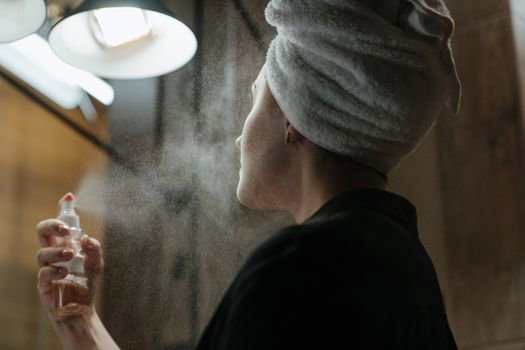
{{IMAGE:Irish woman applying skincare in bathroom}}The two-product spine: build around retinol and vitamin C
Think of this routine as a morning branch and an evening branch that meet in the middle at your moisturiser. Mornings need antioxidant support and sun protection. Evenings need a retinoid and recovery. Everything else stays optional unless your skin tells you otherwise.
Morning: cleanse if you need it, then vitamin C, then moisturiser, then SPF. If you choose a lighter gel cream in the morning, make sure your SPF still sits well over it. Damp Irish air doesn’t cancel UV. UVA ages skin through clouds and windows. Keep daily sunscreen in your plan even when the sky stays grey. You’ll find plenty in our SPF Protection Products category.
Evening: cleanse, then retinol, then moisturiser. If your barrier feels fragile at first, place moisturiser under and over the retinol for two weeks. That buffer slows penetration and reduces irritation. You can remove the under-layer once your skin adapts.
This is the core. Add an eye cream if creping or puffiness bothers you, but you don’t need it to make a routine “complete”. We’ll outline where it helps most below.
Pick a retinol that behaves: strength, texture, schedule
Retinol is the heavy lifter in most anti-ageing routines, but the wrong strength can set you back. Start small and increase slowly. Trained dermatologists often map retinoid ladders like this:
- Beginner: 0.1–0.3% retinol or a gentle retinol complex twice a week for 2–4 weeks.
- Intermediate: 0.3–0.5% retinol, three nights a week once you tolerate the starter tier.
- Advanced: 0.5–1.0% retinol or retinaldehyde on alternate nights, only when your skin stays calm for a full month.
Texture matters more than you think. If your skin dehydrates fast in heated rooms, a cream-format retinol may serve you better than a thin serum. Oilier or breakout-prone skin often prefers a light serum formula. Many pharmacy lines offer both. Our merchant feed shows regular availability from brands women here trust, including L'Oréal, Clinique and Shiseido.
Buffering helps you stay consistent. Place a small amount of moisturiser first, apply retinol, then follow with your usual layer. This technique reduces sting without erasing progress. If you still peel, cut frequency before you cut the ingredient. Consistency beats bravado.
What not to pair on the same night: strong acids and strong retinoids. Save your 20% AHA mask for a non-retinol night. Harsh combos strip the barrier and lengthen the adjustment phase. Use our Face Exfoliants category for gentler picks if you want a weekly polish.
Vitamin C in the morning: pick your format, protect your glow
L-ascorbic acid is the most studied vitamin C form. It works best at low pH and concentrations between 8–20% in anhydrous or water-based formulas. It can sting on sensitive skin. If that sounds like you, try derivatives such as sodium ascorbyl phosphate or 3-O-ethyl ascorbic acid. They run gentler and still brighten.
Look for airtight, opaque packaging. Vitamin C oxidises fast. If your serum turns dark orange and smells like pennies, it’s on the slide. Pump formats slow that process. Powder-in-serum kits also help if you buy infrequently. You’ll find plenty of options across brands like Garnier and Clarins in our Anti Ageing Face Serums hub.
Pair vitamin C with sunscreen. That combo reduces photoageing far more than either step alone. You don’t need to layer five antioxidants. Keep it simple: vitamin C, moisturiser, broad-spectrum SPF. Our tracker often spots better pricing on sets that bundle a serum and SPF, especially around summer promos on Boots Ireland and Lookfantastic Ireland.
Don’t layer copper peptides over strong vitamin C at the same time. They can play well on alternate schedules, but many users report less predictable results together. Keep potent actives clear and simple in the morning so you can stay consistent year-round.
Moisturiser: put your barrier first
Your moisturiser glues this routine together. It reduces transepidermal water loss and keeps the top layers calm while actives do their work. Ingredients to rate: ceramides, cholesterol, fatty acids, glycerin, hyaluronic acid, squalane and 2–5% urea. Niacinamide at 2–5% also helps reduce redness over time.
Pick texture by feel and season. Many Irish bathrooms run humid, but air indoors dries out under heat. Use a lighter gel-cream in early autumn, then step up to a cream with occlusives by December. If you wake up tight and shiny, you probably need more water-binding humectants, not more oil. If you wake up with flakes, you need richer occlusives plus a slower retinol schedule.
We see good barrier-first options in ranges from Clinique and Estée Lauder, and plenty of budget-friendly picks under pharmacy brands. Start with our Day Face Moisturisers and Night Face Moisturisers pages. Add your shortlist to a GlamGeek wishlist and we’ll ping you when the price drops.
If you need fragrance-free, check listings carefully. Several legacy lines add scent to night creams. Fragrance doesn’t ruin a product, but it can nudge irritation up with retinol. Lean fragrance-free until your skin settles.
Eye cream: when it earns its spot
No one needs an eye cream by default. Your moisturiser usually works under the eyes. Still, a separate formula can help when you need a lighter texture, a specific active, or a metal tip for puffiness. Here’s where it adds real value:
- Retinal or low-strength retinol near the eyes. Some women notice texture and fine-line smoothing with a well-formulated eye retinoid. It can sting less than face retinol.
- Caffeine and peptides for morning puffiness. A cooling gel and a gentle massage help most when you sleep hot or face hay fever season.
- Hydrating balms under concealer. They stop creasing and keep pigment from settling.
Don’t chase every peptide complex. Look for repeatable results and a texture you can use daily. Brands like Shiseido and Lancôme invest heavily in eye formulas. You’ll also find strong pharmacy options that cost less and still deliver comfort. Scan reviews on GlamGeek and sort by skin concern to narrow the field.
If milia (tiny white bumps) tends to show up under your eyes, skip heavy occlusives at night and stick with light gels. Retinoids can help over time, but introduce them slowly and buffer with your cream for the first month.
Scheduling that won’t wreck your barrier
You can keep this routine on a simple weekly map and hold it for months. Here’s a sketch that works for most beginners:
- AM daily: vitamin C serum, moisturiser, SPF.
- PM Monday and Thursday: retinol, moisturiser.
- PM other nights: moisturiser only, or add a gentle hydrating serum if you already own one.
After two weeks without persistent sting, add a third retinol night. Hold steady for another fortnight. If you stay calm, move to alternate nights. If flakes show up, pull back and add an extra moisturiser-only night. You can also buffer the retinol with moisturiser under and over it until your skin copes.
Keep acids away from your retinol nights. Slot a mild lactic acid or PHA on a Saturday morning if you enjoy a smooth canvas under makeup. Don’t run it daily if you already use retinol. It adds up faster than you think.
Redness check: if your skin stays hot and tight for more than 48 hours after a retinol night, stop it for a week. Load moisturiser and SPF. Restart with a lower frequency or a lower strength. Quick fixes extend the problem. A calm barrier wins every time.
{{IMAGE:flatlay of retinol serum, vitamin C, moisturiser, SPF on white background}}Ingredients that play well together (and ones that don’t)
Good pairs:
- Retinol + niacinamide. Niacinamide reduces irritation and supports barrier repair.
- Vitamin C + sunscreen. Antioxidants plus UV filters support each other.
- Hyaluronic acid + occlusives. Water-binding plus sealing equals steady hydration.
Pairs to avoid in the same session:
- Strong AHAs or BHAs + retinol. Spread them out.
- Pure L-ascorbic acid + sensitive copper peptide formulas. Alternate if you love both.
- Retinol + many benzoyl peroxide formulas. The combo can degrade retinoids and over-dry skin.
Remember pH. L-ascorbic acid often sits at pH ~3.2. Many retinoids work at higher pH. You don’t need to micromanage, but you should avoid stacking low-pH acids and retinol in the same go. Keep the morning antioxidant simple and the night retinol clear.
Irish climate tweaks: hydration, heaters, and SPF in grey weather
Dublin in January is a different skincare story than Valencia in July. Irish air carries moisture, but heaters strip it indoors. Use a humidifier if you can. If not, add humectants under your cream and watch timing. Apply to slightly damp skin to boost water uptake. Seal with an occlusive-rich cream on your retinol nights.
SPF still matters. UVA penetrates clouds and glass. Women who wear sunscreen year-round usually show fewer pigment patches and less creasing. Pick textures you can reapply. Lightweight gels suit office days. Richer creams suit outdoor weekends. Browse options in our SPF Protection Products section and add your favourites to a wishlist so you catch promo cycles.
Wind and rain can increase mechanical irritation. Don’t over-exfoliate the week you face-cut by weather. Swap your AHA for a bland cream and a lip balm. If cheeks feel raw, move retinol to the forehead and chin for a few nights and protect the rest with moisturiser.
Shopping smart in Ireland: where to buy and how to pay less
We track prices across Boots Ireland, Brown Thomas, Arnotts, Meaghers Pharmacy, McCauley Pharmacy and Lookfantastic Ireland. The same retinol often costs less online during site-wide promos, but in-store counters run gift-with-purchase events that change the value equation. Check our comparison before you buy, add products to your GlamGeek wishlist, and we’ll flag a better week to click “add to basket”.
UK and US launches can lag here by weeks. Brown Thomas and Arnotts tend to land premium launches first. Lookfantastic often gets broader mid-market options quickly. Boots carries reliable pharmacy choices. When a new retinoid trend hits TikTok, expect a stock gap and a small-brand premium. Don’t swap a known, well-tolerated retinol for viral packaging unless the INCI list brings something better.
Starter sizes make sense. A 15–20 ml retinol lasts long enough to test tolerance over eight weeks. Travel minis of vitamin C help you avoid oxidation if you use it slowly. Some brands in our directory, from Charlotte Tilbury to Lancôme, release seasonal sets. You often get better per-millilitre value plus an SPF or cleanser. We tag these in our feeds when they appear.
Don’t chase a dupe if the active form, strength, and packaging don’t match. A pump that protects L-ascorbic acid beats a dropper that oxidises in a month. Your skin and wallet both prefer stability.
How to troubleshoot: redness, flaking, breakouts
Redness and sting after starting retinol: pause it for a week. Use a bland moisturiser morning and night, add SPF, and remove other actives. When you restart, buffer under and over the retinol and drop to once a week. Build back up slowly.
Flaking at the corners of the nose and mouth: that often means you’ve overdone frequency, not strength. Dab moisturiser on the edges first, then apply retinol to the broader areas. Skip those corners until your skin adjusts. A little urea in your cream helps soften flakes without scrubbing.
Breakouts after vitamin C: check the base. Oils that sit heavy can trigger congestion. Shift to a water-based or anhydrous non-oily serum. If breakouts persist, try an alternative antioxidant like ferulic acid plus vitamin E in a lighter formula, still under SPF.
Makeup pilling: allow 60–90 seconds between serum and moisturiser, and between moisturiser and SPF. Some silicone-heavy primers clash with watery vitamin C. If you love primer, try it over SPF or switch to a moisturiser with a small amount of dimethicone built in. Our Face Primers page lists textures clearly, which helps you spot potential clashes.
What to buy first: a simple starter kit that works
Start with four essentials and upgrade textures later if you wish:
- Vitamin C serum for AM. Pick L-ascorbic acid if you tolerate it. Choose a derivative if you run sensitive.
- Moisturiser with ceramides or squalane. Get one texture you can use morning and night for month one.
- Retinol at beginner strength. Choose cream if you’re dry, serum if you’re oily.
- Broad-spectrum SPF you’ll actually reapply. Match texture to your day.
Optional eye cream: choose it for texture or a retinoid that suits the eye area. You don’t need it at launch. Add it if concealer creases or if you want a specific ingredient near the eyes.
Browse our curated brands to compare textures and reviews. Women rate retinol and vitamin C options from Clinique, antioxidant serums from Shiseido, and moisturisers across L'Oréal and Garnier. Save your picks to a wishlist and watch for retailer promos. We track them so you don’t have to refresh five tabs every Friday.
Ingredient cheat sheet for label readers
Retinoids to recognise: retinol, retinal (retinaldehyde), retinyl propionate, hydroxypinacolone retinoate (a retinoid ester often marketed as “granactive”). Retinal works faster than retinol but can irritate more. Esters tend to run gentler with milder results. Start where your skin feels safe.
Vitamin C family: L-ascorbic acid, ascorbyl glucoside, 3-O-ethyl ascorbic acid, magnesium ascorbyl phosphate, sodium ascorbyl phosphate, tetrahexyldecyl ascorbate (oil-soluble). Your texture preference often decides which one you’ll use daily. Daily use wins.
Barrier builders: ceramide NP, ceramide AP, phytosphingosine, cholesterol, squalane, glycerin, sodium hyaluronate, urea at 2–5%. Niacinamide supports barrier repair and reduces redness, but very high percentages can tingle for some skins. Stick to tried-and-true levels.
Smart extras to skip at first: strong peel acids, strong benzoyl peroxide, and multiple peptides. Add them later only if your skin asks for more and your budget still agrees.
What this means for your routine
You don’t need a crowded shelf to treat lines, uneven tone and dullness. You need one well-chosen serum in the morning, one well-chosen retinoid at night, and a moisturiser that keeps the barrier quiet while they work. That rhythm creates space for real results to show up by week eight, and it reduces the temptation to overhaul your routine every Sunday.
Shop with a plan. Check our product pages for ingredient callouts and textures. Compare prices across Irish retailers on GlamGeek. Use your wishlist to track drops. When a new launch hits the UK first, wait a week or two to see it land in Ireland, or buy from a trusted retailer that ships here and still works out cheaper after fees. Keep the focus on the INCI list, not the hype.
Sign-off: your turn
What does your two-product spine look like right now? Are you team L-ascorbic acid or team derivative in the morning? Which retinol strength kept your barrier happy through winter? Add your current picks to a GlamGeek wishlist, compare prices across Irish retailers, and tell us which pair earned a long-term spot on your shelf.