Our price tracker flags one quiet constant in Irish skincare habits: face toner sits in more baskets than we’d expect for a so-called “optional” step. When retailers run bundle offers, toner sells through first. When humidity spikes, hydrating toners trend. When exfoliating acids hit promo, returns rise a week later from overuse. Toner is small, but it drives big outcomes.
Yet placement and timing still confuse many women. Should toner go before vitamin C in the morning? Can you pair an acid toner with retinoids at night? Do you need cotton pads at all? Missteps lead to irritation, dullness, or wasted product. The fix isn’t a complicated routine. It’s a clear AM/PM plan that respects actives, the Irish climate, and your skin type.
Context: what toner is now, not 1999
The word “toner” used to mean stinging alcohol and a tight feel. That era ended a decade ago. The modern aisle spans hydrating lotions, balancing waters, essence-toners, and exfoliating liquids with AHAs, BHAs or PHAs. K-beauty helped shift the brief from stripping oils to adding water, cushioning pH, and improving absorption for the next step.
Across our merchant feed, hydrating toners lead unit sales in autumn and winter. Exfoliating formats spike in spring, when many women refresh texture. Retailers group both under “toner”, but their jobs differ. Mistake one for the other and you can throw off your barrier or stall results. The right pick depends on your morning versus evening goals, not a generic promise on the label.
Ireland’s damp, mild climate shapes what works. Skin often sits dehydrated rather than truly dry. Central heating pulls water out. Wind and rain add sensitivity. SPF still matters year-round, even on cloudy days, but rare strong sun reduces the recovery window after acids. So timing and frequency matter more here than in sunnier places.
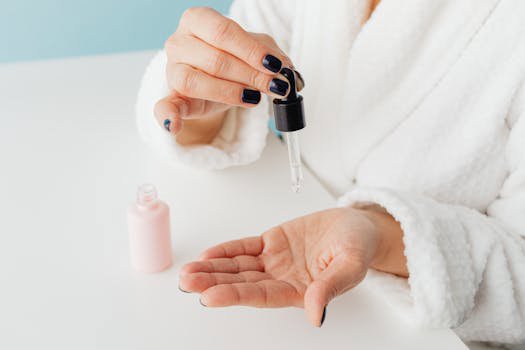
{{IMAGE:woman applying toner cotton pad}}AM vs PM: where toner fits in your routine
Morning sets you up for hydration, calm, and protection. Evening focuses on renewal and repair. Keep the steps short and ordered. Your skin will do the rest.
AM order:
- Cleanse lightly. Use a gentle gel or foaming cleanser that leaves no film.
- Toner. Pick hydrating or balancing formulas in the morning. They restore water and prime for serums.
- Targeted serum. Vitamin C, niacinamide, or hydrating serums work well here.
- Moisturiser. Use a light texture that seals in water without heaviness. See Day Face Moisturisers.
- SPF. Finish with broad-spectrum protection. Explore SPF Protection Products.
PM order:
- Cleanse. Remove makeup and SPF thoroughly. Double cleanse if you wear long-wear formulas.
- Toner. Choose hydrating or exfoliating, not both in one go.
- Actives. Retinoids or peptides on nights you skip acids.
- Moisturiser. Richer textures help seal in water. See Night Face Moisturisers.
Simple works best. One toner per routine. Two only if you split them across different nights.
Choosing the right toner: hydrating, exfoliating, and treatment
Think in functions, not marketing terms. Hydrating toners behave like thin moisturising waters. Exfoliating toners lift dull surface cells. Treatment toners add extras such as niacinamide or antioxidants while staying gentle.
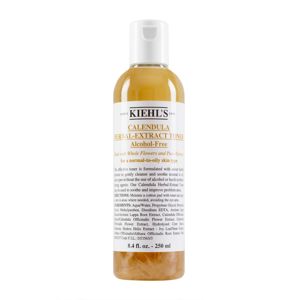
Hydrating toners: Look for glycerin, hyaluronic acid, panthenol, betaine, or fermented filtrates. These reduce tightness after cleansing and help serums spread. Options from Lancôme and Shiseido often lean plush and cushiony. Budget lines from Garnier or The Body Shop focus on simple humectants. You’ll find a wide range under Face Toners.
Exfoliating toners: AHAs (glycolic, lactic, mandelic) smooth and brighten. BHAs (salicylic) clear pores and help with oil. PHAs (gluconolactone, lactobionic acid) suit sensitive or dry skin because they work slower and hydrate. Classic clinic-style toners from Clinique sit here, while newer picks from French brands mix gentle acids with soothing plant waters.
Treatment toners: Niacinamide can reduce redness and oil. Antioxidants support day defence. Ceramides cushion the barrier after actives. Look at balancing waters from Clarins, and essence-like lotions from Estée Lauder for layerable options. Decide by skin need. Oily? Go light and oil-controlling. Dry-feeling? Choose humectant-dense lotions. Unsure? Hydrating first. You can add acids later.
How to apply toner: cotton pad, hands, or spray?
Application changes the result. Cotton pads give a light wipe and a tiny polish. Hands push water in with zero waste. A mist speeds up morning steps. Pick the method that suits your formula and your skin.
Cotton pad method: Ideal for exfoliating toners, or when your cleanser leaves a residue you dislike. Soak the pad, then sweep from centre to sides. Don’t scrub. One slow pass is enough. Keep it off the eye area. For sensitive cheeks, press and lift rather than drag. Pads help with congestion around the nose, chin, and hairline. If your skin turns red, you used too much pressure or too much acid.
Hand application: Best for hydrating or treatment toners. Pour a few drops into clean palms. Press onto cheeks and forehead, then pat across the face. This loads water quickly without absorbing half the bottle into a pad. Repeat once for extra hydration if your skin drinks it. Many women in Ireland find this offsets the drying effect of central heating.
Mist: Useful on busy mornings or pre-makeup. Mist in a halo, hold the nozzle at arm’s length, and let it settle. Follow with serum while the skin still feels damp. Avoid strong acid toners in misters. They can spread where you don’t want them, such as corners of the nose or around the eyes.
The viral “seven-skin” method layers toner several times. In a damp, cool climate it can work, but stop at two or three layers if you plan to wear makeup. Too much water plus occlusive creams can pill under foundation. Test your base with your toner on a quiet day off.
AM toning with actives without irritation
Morning toning should support protection, not fight it. Hydrate and balance. Then add actives that play well with SPF and daylight.
Vitamin C: Use a hydrating toner first, then vitamin C serum. The extra water helps spread the serum thin and even. This reduces waste and patchy application. If your vitamin C stings, try a PHA or water-only toner first. It can ease the feel without blocking absorption.
Niacinamide: This suits AM routines in Ireland. It helps visible pores, redness, and oil while staying gentle. Press a hydrating toner, then use a niacinamide serum. Follow with moisturiser and sunscreen. Brands from L’Oréal to Clinique include it across ranges, so you can match textures to skin type.
Acid in the morning? You can, but keep it mild and infrequent. A light lactic or PHA toner once or twice weekly in the AM can keep texture smooth. Always finish with broad-spectrum SPF. See our edit of SPF Protection Products. On bright days, skip AM acids and use them at night instead.
Makeup days: Hydrating toner helps base look fresher. Let it sink for a minute. Apply serum on damp skin. Then go moisturiser, primer, and base. We see fewer returns for patchy foundation when women use a water step before primer. It’s a small change with a clear payoff.
PM toning: acids, retinoids, and repair
Evening is your window for stronger work. You have darkness, no sunscreen on top, and hours of rest. Use that time with a smart rotation, not a full-on attack.
Acid nights: After cleansing, sweep or press your exfoliating toner. Choose one family per night. AHAs to brighten and smooth. BHA to decongest. PHA if you’re sensitive or new to acids. Wait a few minutes. Then add a light hydrating serum or a simple moisturiser. Keep the rest quiet. Over-layering weakens results and raises irritation risk.
Retinoid nights: Skip acids. After cleansing, use a hydrating toner to buffer, then apply your retinoid. Follow with a calm moisturiser. Save peptides for non-retinoid nights unless your product bundles them well. You can add a barrier-restoring cream if skin feels tight. See Anti Ageing Face Serums for retinol and retinal options.
Signs you’re doing too much: Stinging that lingers, shiny tight skin, or more breakouts than usual. Pull back. Use only hydrating toner and moisturiser for several nights. Then reintroduce acids once weekly. In our returns data, over-exfoliation sits behind many “this didn’t work” reviews. The formula often isn’t the problem. The schedule is.
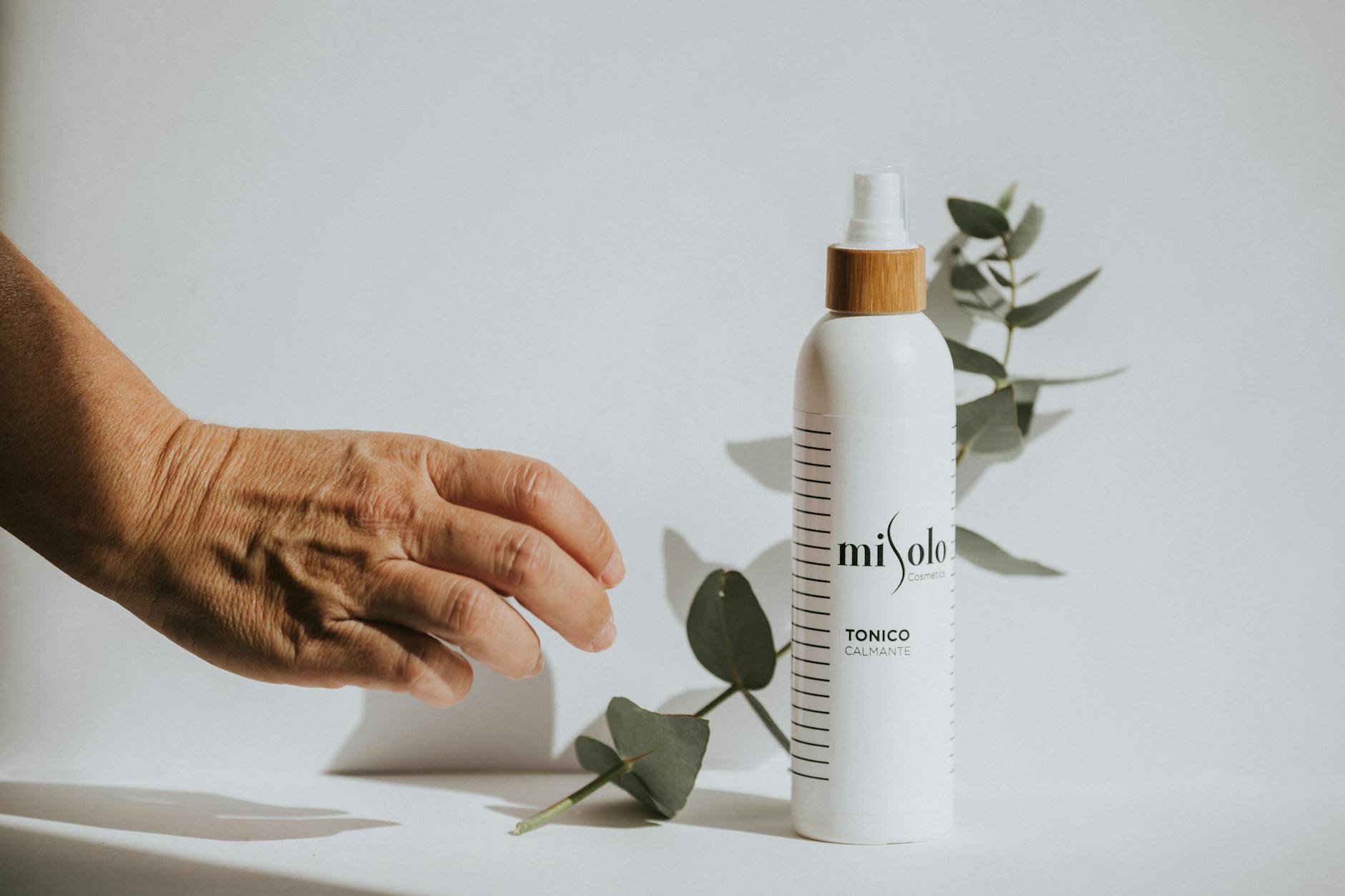
{{IMAGE:flat lay toner skincare}}Sensitive, dry, oily, and deeper skin tones: tweak your steps
No one routine suits every face. Fine-tune your toner choice and timing for your skin type and tone. You’ll see better results with less effort.
Sensitive or reactive: Choose alcohol-free, fragrance-light hydrating toners with panthenol, glycerin, and centella. PHA-based exfoliating waters can offer a slower, kinder polish. Use once or twice weekly at night. Press with hands, not pads. Redness-prone cheeks prefer patting over wiping. Brands like Clarins and Shiseido offer soothing waters that sit well under most serums.
Dehydrated or dry-feeling: Ireland’s wind and heating pull water out, even if you have combo skin. Layer a hydrating toner twice, then a hyaluronic or polyglutamic serum. Seal with a cream. If your skin flakes, switch acid nights to PHA or mandelic acid. Heavy AHAs can push tightness in this climate.
Oily or blemish-prone: BHA toners help reduce congestion. Use them two to three nights weekly. On off-nights, press a hydrating toner and add niacinamide. Keep moisturisers light gel-cream. Many ranges from Clinique and L’Oréal target oil without stripping. Balance beats blitzing. Stripping drives more oil in the long run.
Deeper skin tones and post-blemish marks: You can use acids, but respect barrier health. Over-exfoliation raises the risk of post-inflammatory marks sticking around. Choose lactic or mandelic acids for even tone. Add azelaic acid on non-acid nights if your routine includes it. Daily sunscreen remains key, even on grey days. It protects gains and stops fresh marks from deepening.
Pregnancy and breastfeeding: Many women switch to PHAs or lactic and focus on hydration. If in doubt, check with your healthcare provider. Keep routines short and gentle. Fragrance-light hydrating toners suit well during these phases.
Toner and makeup: smoother base, longer wear
Face toner sets the stage for makeup. Think of it as wetting the sponge before you blend. Water helps pigments spread thin and even. It also helps skincare grip the canvas so primer and base don’t slip.
For long wear: Press a hydrating toner, then a lightweight humectant serum. Wait a minute. Apply a targeted primer only where you need it. Explore Face Primers. Follow with a flexible foundation that doesn’t fight moisture. See our edit of Liquid Foundations. We see fewer pilling complaints when this order stays tidy.
For dry patches under makeup: Use two light layers of hydrating toner. Tap a thin moisturiser over the flaky area. Let it settle. Apply base with fingers or a moist sponge. Many women over-correct with heavy creams that cause slip. Two light water layers beat one thick balm most days.
For oil-prone T-zones: Sweep a BHA toner around the nose and chin at night. In the morning, use a balancing water on the same areas. Then keep primer mattifying only on the centre. Brands like MAC build primers to control shine without drying the whole face. Toner does the prep; primer does the finish.
Buying toner in Ireland: retailers, price gaps, and timing
Boots Ireland and Lookfantastic Ireland carry wide toner ranges year-round. Brown Thomas and Arnotts hold strong on premium skincare lines and often bundle lotion-toners in sets. Local pharmacies like McCauley and Meaghers stock reliable mid-priced picks and run regular points events. Across our feed, we see more bundle value in Q4, then replenishment offers in January.
Prices fluctuate more than you’d think. Our tracker shows frequent gaps of several euro between retailers for the same bottle. UK-based sites sometimes undercut Irish RRPs, even after shipping. You won’t see that every week, but it happens enough to check before you buy. Use GlamGeek’s comparison on Face Toners. Add favourites to your wishlist and we’ll ping you when the price drops.
Sets can out-value single bottles. Hydrating toners appear in discovery kits and holiday boxes from brands like Estée Lauder and Lancôme. See Skin Care Sets for current options. You’ll often get a matching serum or cream for less than buying solo. Check sizes. Travel minis can still be decent value if you want to test texture first.
We also track returns. The common reasons: over-exfoliation, fragrance sensitivity, and texture mismatch. Read reviews before you commit. Our community tends to flag sting, tacky residue, or pilling under makeup. If a toner splits opinions on feel, buy the smallest size first. Keep the receipt if the retailer accepts returns on unopened skincare.
What this means: a simple toner playbook
Keep toner purpose-led and your routine will run calmer, clearer, and cheaper. You don’t need three bottles on the go. One for hydration and one for weekly polishing can serve most women in Ireland through all seasons.
- Morning: Cleanse. Press a hydrating toner. Add vitamin C or niacinamide. Moisturise. SPF. Skip acids unless very gentle and occasional.
- Evening: Cleanse. Pick either exfoliating toner or retinoid, not both. On retinoid nights, buffer with a hydrating toner first. Finish with a calm moisturiser.
- Frequency: Acid two to three nights weekly for most. PHA if sensitive. BHA if congested. Lactic or mandelic if dry-feeling.
- Application: Cotton pad for exfoliants. Hands for hydrators. Mists for speed. Pat, don’t rub.
- Climate fit: Add extra hydrating layers in heating season. Ease off acids during windy weeks if skin feels tight.
- Makeup days: Two light water layers beat one heavy cream. Toner before primer improves spread and reduces pilling.
- Shopping: Price-check across Boots Ireland, Lookfantastic Ireland, and department stores. Watch for sets. Add your picks to a GlamGeek wishlist for drop alerts.
Use our category pages to narrow the field. Start with Face Toners for format and skin type filters. Check SPF options under SPF Protection Products to support any AM exfoliation. If you plan a retinoid rotation, browse Anti Ageing Face Serums for textures that sit well over water-light toners. Matching textures reduces pilling and saves product.
One last point from the data: more product doesn’t give faster results. Consistent, gentle use does. Women who cut back to two or three acid nights, then stick with it for eight weeks, submit better reviews. Texture improves, and sensitivity drops. Your barrier likes routine, not chaos.
Over to you
How do you use toner in the morning versus at night, and what has actually worked on your skin in Ireland’s damp climate? Tell us which formulas slot in cleanly under your SPF or pair well with your retinoid. Add your favourites to a GlamGeek wishlist, and we’ll watch the prices for you.