
Conditioner labels don’t agree. One bottle tells you 60 seconds. Another suggests three minutes. A mask demands ten. Our feed pulls in hundreds of Irish SKUs each week and the timing claims range from “rinse straight away” to “leave overnight”. No wonder lengths can end up limp, sticky, or still tangled.
The quick truth: most women leave rinse-out conditioner in for too long, or not long enough for their hair type. The sweet spot depends on porosity and strand thickness, not just how dry your hair feels today. Time it right and you get slip, shine, and movement. Time it wrong and you risk buildup, flats roots, and faster grease.
Here’s a clear, data-led guide to how long you should leave conditioner in your hair, with timings by hair type and porosity, techniques that actually help the formula do its job, and the habits that cause heavy lengths in our damp Irish climate.
Context: what the bottles promise vs what hair needs
Since 2010, we’ve tracked conditioner launches across Boots Ireland, Lookfantastic Ireland, Brown Thomas, Arnotts, and the national pharmacy chains. Brands now split conditioning into three camps: light rinse-outs, rich masks, and leave-ins. Rinse-outs usually quote 1–3 minutes. Masks often ask for 5–10. Leave-ins skip the rinse and focus on film formers that sit on the cuticle.
Those times come from brand protocols, not from your shower habits. Most women in Ireland wash at night, spend under ten minutes in the shower, and battle humidity plus intermittent rain. That mix can swell hair and exaggerate frizz, so we see a drift toward richer conditioners and longer dwell times. Then the roots collapse. The pattern shows up in reviews across our Moisturising & Nourishing Conditioners category every week.
Think of conditioner like a fabric softener for your cuticle. It works by depositing cationic surfactants and lightweight emollients. That deposit doesn’t keep improving after a point. You hit diminishing returns. After the sweet spot, extra minutes add residue rather than moisture. Your porosity and thickness decide that sweet spot more than the brand name does.
{{IMAGE:woman shower applying conditioner hair}}The quick guide: set your timer by hair type
Start here if you want a simple rule you can use tonight. Then tweak based on porosity and how your hair feels after rinsing and drying.
- Fine or oily-prone, straight or wavy: 30 seconds to 2 minutes. Focus mid-lengths to ends. Rinse very well.
- Medium, normal density: 1–3 minutes. Comb through in-shower for even coverage. Rinse until water runs clear.
- Thick or coarse: 3–5 minutes. Use a wide-tooth comb. Add steam or a shower cap for better slip.
- Curly or coily: 5–7 minutes for rinse-out. Add a weekly mask at 7–10 minutes. Leave-in after for definition.
- Colour-treated or bleach-compromised: 3–5 minutes with a bond-repair or protein-light formula, then a hydrating leave-in.
Browse our current best-sellers in Moisturising & Nourishing Conditioners. Add favourites to your wishlist on GlamGeek and we’ll ping you when the price drops. We watch prices across Irish retailers daily, so you don’t have to.
Porosity sets the clock: how to test and tune your timing
Porosity describes how easily hair absorbs and releases water. High porosity soaks up product fast and also loses moisture fast. Low porosity resists water and product, so many women try to compensate with long dwell times. That strategy often backfires into buildup.
Skip the “strand in a glass of water” trick. It’s unreliable. Use this quick feel-and-dry test instead. Wet a small section, squeeze it and smooth down. If it takes ages to get wet and then dries very slowly, you likely have low porosity. If it wets instantly and dries quickly, that points to high porosity. Somewhere in the middle equals medium porosity.
Now set your timer:
- Low porosity: keep it short, 30 seconds to 2 minutes, but use warm water and work the product in. Heat opens the cuticle slightly.
- Medium porosity: 1–3 minutes hits the sweet spot. Emulsify the conditioner with a palmful of water before applying.
- High porosity: 3–5 minutes for rinse-out, then layer a leave-in. Seal with a light oil if hair frizzes as it dries.
Protein content also matters. High-porosity hair often loves light proteins and bond-care. Low-porosity hair can feel stiff with too much protein. Scan the INCI list for hydrolysed proteins and balance them with humectants like glycerin and propanediol.
Fine and oily-prone hair: conditioner without the collapse
Fine hair behaves like silk. It shows residue fast and it flattens at the root. Keep conditioner off the scalp unless a product specifies scalp-safe use. Apply from the ears down and pinch out the excess water first, so formula sticks to hair instead of sliding off with the shower stream.
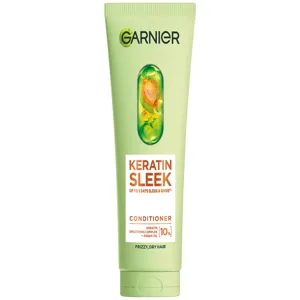
Timing: 30 seconds to 2 minutes. That’s enough for cationic surfactants to reduce friction and give slip. Choose lighter, water-rich formulas and avoid heavy butters. Look for words like “volumising”, “lightweight”, or “balancing”. A few budget picks in our database deliver great slip without collapse. We’ve seen consistent good reviews for accessible options from Garnier and L'Oréal in the rinse-out category.
Technique matters more than price here. Emulsify a 10c coin amount with water in your palm. Glide through mid-lengths with flat hands. Comb once with a wide-tooth comb to distribute. Then rinse for longer than you think. A cooler shot at the end can help the cuticle lie flatter, which adds shine without weight.
If ends still look flyaway, add a pea-sized leave-in cream or a fine mist conditioner. Sprays suit fine hair because they spread thinly. Keep oils very light and avoid applying them before heat styling if your hair tends to separate into stringy sections.
Curly and coily hair: longer dwell, smarter layering
Curly and coily textures often need more time for water and conditioner to penetrate. The cuticle lifts around the curves, which increases friction and tangles. You can shorten dwell time by improving distribution and water contact. Timing: 5–7 minutes for rinse-out conditioner is a safe range. Add a weekly mask for 7–10 minutes when hair feels rough or loses clump definition.
Use the “squish to condish” technique. Add handfuls of water to your conditioner-laden hair and scrunch upwards. You’ll hear a squelch sound when water and product emulsify. This mix helps slip and reduces the need for heavy amounts. Detangle with a wide-tooth comb or flexible detangling brush under running water.
For richer care, look to curl lines from salon and high-street brands. We often see stable pricing for curl ranges from Kérastase at prestige counters and good value curl conditioners from Garnier on the high street. If you want intensive hydration, browse Hair Masks and add shortlisted picks to your GlamGeek wishlist. We’ll alert you when one drops at Boots Ireland, Meaghers, or Lookfantastic Ireland.
Irish humidity can puff curls, so sealing helps. After rinsing and blotting, apply a leave-in conditioner or cream and then a gel. Many women get better results with a slightly shorter rinse-out time and a well-chosen leave-in, rather than pushing conditioner to 10 minutes every wash day.
{{IMAGE:woman curly hair detangling with conditioner}}Colour-treated or damaged hair: protect, repair, then hydrate
Bleach and colour raise porosity, so hair soaks product fast and loses moisture fast. That calls for two steps. First, use a bond-care or protein-light conditioner for 3–5 minutes. Then use a hydrating leave-in. This combo reduces breakage and frizz without turning hair gummy.
Check labels for words like “bond”, “repair”, “plex”, and ingredients such as hydrolysed wheat protein, arginine, or maleic acid. Limit protein overload by alternating with a moisture-focused formula. Some luxury ranges from Kérastase focus on strength and shine, while high-street staples from L'Oréal offer bond-inspired care at accessible prices. Compare across retailers on GlamGeek; we often see different promos between Boots Ireland and Lookfantastic Ireland in the same week.
Heat tools raise the stakes. If you blow-dry or straighten, keep rinse-out conditioner at 3–5 minutes, not longer. Then add a heat-protective leave-in. Over-conditioning before heat can squash bounce and telegraph split ends. A cooler final rinse can also help your cuticle reflect more light, which keeps colour looking fresher.
Fading still happens. Time your washes rather than cranking up conditioner time. Cut one wash per week if you can. Swap in a co-wash day if your scalp tolerates it, and use a clarifying shampoo once every two to four weeks to clear styling film before a deeper mask.
Rinse-out vs leave-in vs masks: which does what, and when?
Rinse-out conditioners smooth, detangle, and add slip. They depend on cationic surfactants like behentrimonium chloride that bind to hair and rinse cleanly when you hit the sweet spot. Leave them in only as long as your porosity and density need. That’s 30 seconds to 7 minutes for most women.
Leave-in conditioners stay on the hair. They use lighter quats, film formers, and humectants to keep frizz down after you towel-dry. Sprays suit fine and straight hair. Creams suit dry waves and curls. Use leave-ins sparingly. Two to six sprays or a pea to hazelnut-sized dollop is enough for shoulder to bra-strap lengths.
Masks live in the middle to heavy range. They often combine richer oils, butters, and proteins for deeper repair. Keep masks to once a week if you have fine or medium hair, or every wash if your coils feel parched. Stick to 7–10 minutes and cap it. Heat helps masks more than time does.
Need help picking? Start with our curated lists under Moisturising & Nourishing Conditioners and Hair Masks. Add top contenders to your GlamGeek wishlist. We’ll email you when we spot a price swing at Brown Thomas, Arnotts, or the pharmacies.
Buildup and limp lengths: why it happens and how to fix it
Heavy hair isn’t just about “too much conditioner”. Buildup comes from several sources: rich silicones, quats, styling resins, hard-water minerals, and even pollution. Ireland has many areas with softer water, but mineral content still varies. If your hair feels coated after a normal rinse, you may need a reset step rather than more time with conditioner.
Signs of buildup include:
- Hair looks shiny but feels squeaky when wet.
- Roots fall flat the day you wash.
- Frizz returns fast even with leave-ins.
- Products stop working the way they used to.
Try this cycle. Use your regular shampoo, then once every 1–2 weeks use a gentle clarifying or chelating shampoo. Rinse thoroughly. Apply a lighter conditioner for 60–120 seconds and see how hair dries. If it springs back, you had film, not a moisture shortage. You can find clarifying picks within our Moisturising & Nourishing Shampoos section. Filter by review score and add your picks to a wishlist; our tracker flags multi-buy offers at Boots and pharmacy groups often.
Adjust technique too. Apply conditioner to very wet hair so it spreads thinly. Add water with your hands to help it foam a touch. That emulsion gives slip without caking on a thick layer. Comb once, then stop. More combing breaks definition and pushes product where you don’t need it—the roots.
Application tactics that save time and give better slip
Minute-by-minute timing helps. Technique seals the deal. Use these steps to improve results without adding minutes in the shower.
- Pre-squeeze: after shampooing, squeeze out excess water. Conditioner sticks better to damp, not dripping, hair.
- Emulsify: mix your conditioner with a palmful of water until milky. Spread it like hand cream through mid-lengths first, then ends.
- Comb once: use a wide-tooth comb or your fingers to detangle. Over-combing wastes time and removes product from the ends.
- Cap it: if you need more slip, pop on a shower cap for 2–5 minutes. Steam boosts performance more than extra minutes under the spray.
- Rinse long: rinse until hair feels slick, not slimy. Finish with a cool shot if your cuticle puffs easily.
If your scalp is sensitive, avoid dragging regular conditioner onto the scalp. Choose a targeted scalp conditioner if you need one, or use a light leave-in spray on the shortest top layers. We catalogue scalp-friendly picks under brands like The Body Shop and L'Oréal where available in Ireland.
Irish climate check: humidity, rain, and hat hair
Our weather loves to swell hair and flatten roots. You can tweak your conditioner time to offset that. If it’s a damp, rainy week, lean shorter with rinse-out time and rely more on a frizz-control leave-in. On a rare dry spell, you can stretch rinse-out by a minute and skip heavy creams.
Hats and hoods create micro-humidity. Long dwell times plus a beanie can equal soft, flat roots by lunch. Keep conditioner short on weekdays when you know you’ll wear a coat or hat. Use a root-lift foam on the crown if you need height. Keep leave-in away from the first 5 cm at the scalp.
Swimming or intense gym sessions? Chlorine and sweat raise porosity and can strip slip. Wet hair with tap water before the pool, then condition for 3–5 minutes after. If you sweat daily, alternate a quick-wash day with a co-wash or a thorough rinse and a light mist leave-in. That routine often beats daily full washes with long conditioner times.
How to set your personal sweet spot in two weeks
You can dial in your perfect timing with a short experiment. It takes two weeks and removes the guesswork.
- Week 1, wash 1: condition for one minute. Note detangling ease in-shower and how hair dries.
- Week 1, wash 2: bump to three minutes. Keep the same product and technique.
- Week 2, wash 1: go five minutes if your hair is thick, curly, or high-porosity. Stay at one to three minutes if fine.
- Week 2, wash 2: add a leave-in instead of more rinse-out time. Compare bounce and frizz on day two hair.
Keep a simple note on your phone. Track dryness at the ends, root volume, and frizz by the afternoon. Most women find a clear winner fast. Lock it in and resist the urge to extend conditioner time when hair feels moody. Fix with a targeted mask instead.
Use GlamGeek to shortlist products you test along the way. Browse Hair Masks for your weekly boost and compare reviews. Add them to your wishlist, and we’ll notify you when Brown Thomas, Arnotts, McCauley, or Meaghers runs a promo.
Brand examples that fit each timing bracket
We group conditioners by feel and dwell needs based on formulas and consistent review patterns. Check our brand hubs for current ranges available in Ireland.
- Short dwell, lightweight: look at everyday lines from Garnier and L'Oréal. They suit 30–120 seconds on fine or oily-prone hair.
- Medium dwell, smoothing: prestige staples from Kérastase cover 1–5 minutes for thick or frizz-prone hair and for colour care.
- Mask territory: richer tubs and targeted repair sit best at 7–10 minutes. Compare textures and reviews under Hair Masks before you buy.
Prices swing more than you’d think between Irish retailers week to week. Use our price comparison before checkout. If you can wait, add to wishlist and catch the next multi-buy or site-wide code. We often see pharmacy groups run bundle offers while prestige counters stick to gifts with purchase.
What this means for your routine
Conditioner time should match hair structure, not marketing copy. Fine hair thrives on short, precise application and a thorough rinse. Thick, curly, or high-porosity hair benefits from a few extra minutes and smart layering with a leave-in. Masks need heat more than marathon minutes. When hair misbehaves, suspect buildup first and reset with a clarifying wash rather than stretching conditioner time.
Use a timer for the next few washes. Adjust by 30–60 seconds until your hair dries soft, not slippery, with roots that hold. Save heavier care for weekly masks, and choose formulas that fit your porosity. Keep your shortlist organised on GlamGeek, and let our alerts do the bargain hunting across Boots Ireland, Lookfantastic Ireland, Brown Thomas, Arnotts, McCauley, and Meaghers.
Your next step
Set a one-minute timer tonight and see how your hair responds. Does it detangle? Does it bounce? If you need more, add 60 seconds next time, or switch to a mask once a week. Browse our Moisturising & Nourishing Conditioners and Hair Masks, then add your picks to a wishlist to catch the next price drop.
How long does your hair actually like conditioner to stay on—short and sweet, or a few mindful minutes? Tell us what timing gives you the best mix of slip, shine, and volume.