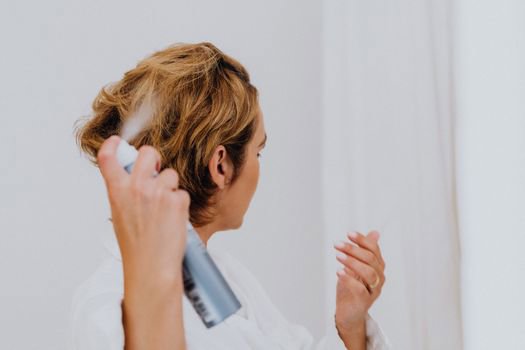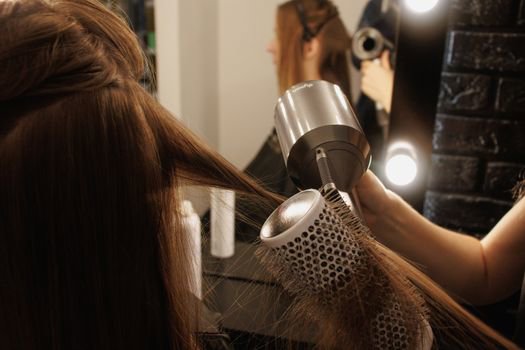
Hair styling powder isn’t automatically “bad” for your hair. Used sparingly and removed properly, it can be a low-commitment way to get lift, grip and texture without heavy waxes or sticky sprays.
The problems start when powder becomes a daily crutch, sits on the scalp for days, or gets layered on top of yesterday’s product. That’s when you can see dryness, dullness, itchy build-up, and extra breakage from aggressive brushing.
Our take, based on what we see in pricing and product ranges across Ireland and UK retailers: powders work best as an occasional styling tool, not a substitute for cleansing or scalp care. If you treat them like a “top-up” product, they behave like one.
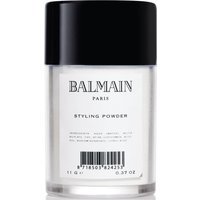
How hair styling powders actually create volume
Most volumising powders rely on a simple physical trick: they add grit at the root so hairs don’t slide past each other. More friction equals more “stand-up” and a thicker-looking base.
That gritty feel often comes from absorbent powders and mineral particles. In L'Oréal Professionnel Tecni.Art Super Dust (from €21.33), the brand calls out mineral powder and a soft matte finish. Matte matters because shine usually signals oil; powders reduce that slip, so the style holds shape longer.
Powders also behave differently to foams and sprays. A powder sits exactly where you tap it, then you activate it with fingers. A foam spreads through lengths and adds lift with a lighter, more flexible structure. Living proof. Full Texturising Foam (from €17.00) aims to lift from root and add texture, and the brand says you can apply it to wet or dry hair.
One more nuance: “volume” can mean three things.
- Root lift (hair stands away from the scalp)
- Density (hair looks thicker overall)
- Texture (hair holds a messy or piecey style)
- Oil control (less collapse through the day)
Powders usually excel at root lift + oil control. If you need density or a bouncy blowout look, a mousse or root spray can make more sense.
So… is hair styling powder bad for your hair?
For most people, the honest answer reads like this: hair styling powder can be drying and build-up prone, but it doesn’t “damage” hair on contact.
The risk comes from side effects of how powders work. Oil absorption can leave the scalp feeling tight, and friction can encourage tangling. If you then brush hard to “fluff it up”, you can snap fragile ends.
There’s also a scalp angle. A powder that sits at the root can mix with sebum and sweat. If you keep stacking product, you can end up with a film that makes the scalp itchy and hair look dull. Not because the powder is toxic. Because the scalp stays coated.
We also see confusion in search behaviour around “powder” versus “texturising spray”. In real shopping baskets, many people alternate them. If you suspect powder dries you out, you can switch to a spray texture product on some days. Oribe Dry Texturising Spray (from €25.00) positions itself as a shortcut to volume and “a great alternative to dry shampoo”, and the brand highlights zeolite crystallines to absorb oil at the roots.
Bottom line: styling powder becomes “bad” when it replaces washing, when you overapply, or when your hair is already fragile from colouring, heat, or tight styles. The product type isn’t the villain. The routine can be.
Dryness, build-up, breakage: what causes each problem
These three get lumped together, but they show up differently.
Dryness usually looks like a rough feel at the root, flyaways that won’t settle, and hair that feels “thirsty” even when it isn’t dirty. Powders that absorb oil can push you into that zone faster, especially in winter heating or windy Irish weather.
Build-up looks like dullness and a coated feel. The scalp can itch, and volume drops because product layers get heavy. This can happen with powders, but also with texture sprays and root sprays if you reapply daily. If you’re using a root spray like L'Oréal Professionnel Tecni.Art Volumiser Spray, Rootlift Hair Volume Spray (from €16.96), the “lightweight” feel still doesn’t cancel out the need to cleanse.
Breakage rarely comes from the powder itself. It comes from what you do next: rough towel drying, teasing too aggressively, or brushing from root to end when the hair has extra grip. If your hair already tangles, powder can make it worse by increasing friction.
One quick diagnostic we like: if you get volume but your scalp feels uncomfortable, you’re dealing with dryness/build-up. If you get volume but your ends start snapping, you’re dealing with friction + handling.
Ingredients and formats: what to look for (and what to be cautious with)
Brands don’t always list “powder science” clearly in marketing copy. Still, you can use the format and the finish as a guide.
Matte, oil-absorbing finishes tend to suit oily roots and fine hair that collapses. L'Oréal Professionnel Tecni.Art Super Dust explicitly promises a soft matte finish, and that tracks with what many people want from a volumising powder.
Dry texturising sprays can mimic powder’s grit with easier distribution. They often suit people who hate the “chalky” feeling at the scalp. Oribe Dry Texturising Spray calls out zeolite crystallines for oil absorption, which signals a dry, root-focused effect. If your scalp runs dry, you may want to keep this type for mid-lengths and ends instead of the scalp.
Dry finishing sprays that add density sit slightly differently again. Oribe Thick Dry Finishing Spray (from €48.00) claims “density and dry hold” and includes panthenol in the description. That points to a finish that adds structure but tries to support hair feel.
Foams and mousses often give volume with more softness. Living proof. Full Texturising Foam focuses on lift and texture with a silky foam texture. If powder makes your hair feel too grabby, foam can be the alternate “volume family” product to rotate in.
What should you be cautious with? Not a single ingredient boogeyman. The bigger watch-outs are:
- Anything that leaves your scalp itchy after repeated use (that’s your personal red flag)
- Products you feel you must reapply to keep volume (they often build up faster)
- Overly matte finishes on already dry or curly hair (they can turn frizz into a full-time job)
- Heavy layering of multiple texturisers at once
If you want a softer, conditioned finish for heatless days, JVN Hair Complete Hydrating Air Dry Cream (from €13.80) positions itself as a conditioning cream with the hold of a gel and the finish of a conditioner. It’s not a powder, but it sits in the same “styling for shape” conversation when you need control without that gritty base.
Choosing the right volumiser by hair type (Irish reality check)
Ireland’s damp air changes the volume equation. Humidity can collapse fine hair at the root, yet it can also puff up porous hair through the lengths. The right product depends on which problem you’re solving.
Fine hair + oily roots: lean into powders and dry texture products, but keep application tight to the root zone. L'Oréal Professionnel Tecni.Art Super Dust suits short styles, messy looks and backcombed ponytails per the description, which aligns with fine hair styling patterns. If you want a “blowout” vibe rather than grit, Color Wow Bombshell Volumizer (from €9.49) comes as part of a set designed to create show-stopping volume with mousse and Velcro rollers.
Fine hair + dry scalp: powders can still work, but you’ll need restraint. Consider alternating with a root spray that aims for lift with a lightweight feel, like L'Oréal Professionnel Tecni.Art Volumiser Spray, Rootlift Hair Volume Spray (from €16.96). You get lift without the same “chalky” deposit some people feel from powders.
Thick hair that needs texture, not height: powder can feel pointless if you already have bulk. Go for dry texturising sprays to create separation and hold. Color Wow Style On Steroids Performance Enhancing Texture Spray (from €25.07) focuses on transparent texturising, with non-sticky grip to prep for styling.
Curly or very porous hair: treat powders as a targeted root tool only. Overuse can rough up the cuticle feel. For touchable lift through the base, a foam can play nicer with curl patterns. Living proof. Full Texturising Foam gives you the option to apply to wet or dry hair, which helps if you style in stages.
Retail note: in Ireland, shoppers often check Boots Ireland first, then compare against Lookfantastic Ireland for salon brands. GlamGeek price tracking often shows bigger swings on premium lines, so it pays to compare before you commit.
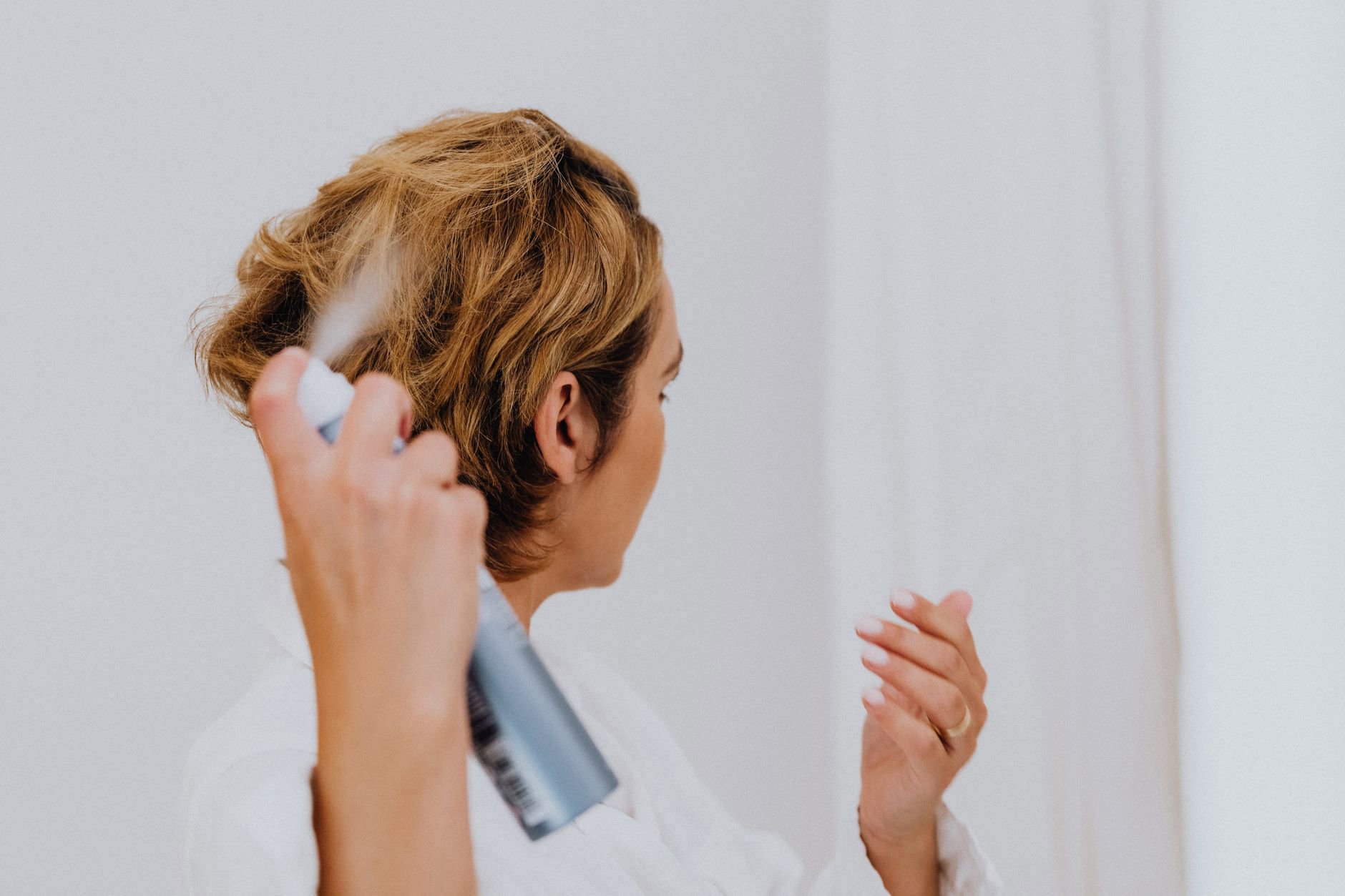
Safe use: a step-by-step routine that avoids the common pitfalls
Technique decides whether styling powder behaves or misbehaves.
Step 1: Start with fully dry roots. Powder clumps on damp hair. If you apply after a shower, wait until the scalp feels dry to the touch. If you use a foam, apply it earlier in the routine, then dry hair before powder.
Step 2: Apply less than you think. Tap the powder (or spray) into the parting and crown, then stop. Give it 30 seconds, then assess. With a concentrated powder like L'Oréal Professionnel Tecni.Art Super Dust, over-application usually backfires first as dullness, then as stiffness.
Step 3: Activate with fingertips, not nails. Use the pads of your fingers and small movements. Nails can scratch the scalp, and scratches plus product can sting.
Step 4: Lift, don’t tangle. Instead of backcombing aggressively, try lifting sections up and “shaking” the root area with fingers. You build air into the base without creating knots.
Step 5: Set with a compatible texture product (optional). If you need longer hold, use one finishing layer rather than more powder. A dry texture spray can add grip on top. Oribe Dry Texturising Spray targets volume and oil absorption. Oribe Thick Dry Finishing Spray targets density and dry hold.
Step 6: Reset at night. If you can’t wash daily, at least brush gently from ends upward to remove surface product, then tie hair loosely. Powder plus tight ponytails creates friction in the same spots.
What to do if you already have build-up or irritation
If your scalp feels itchy or your roots look greyed-out from product, don’t add more “fixing” product. Stop and reset.
First, pause powder for a few days. Use a different volumiser format that spreads more evenly and doesn’t rely on gritty deposit. A root boosting spray like Philip Kingsley Styling Maximizer Root Boosting Spray (from €11.50) aims to add body and lift, while also holding hair and adding shine per the description. Shine often signals less of that ultra-matte, dried-out look.
Second, avoid “scratch and sprinkle” habits. People often scratch an itchy scalp, then apply more powder to disguise oil. That cycle keeps irritation going.
Third, watch your reapplication pattern. If you need to top up midday, consider switching to a product designed for restyling. Living proof. Full Texturising Foam allows wet or dry application, which suits refresh routines without piling on dry powder.
If irritation persists, treat it as a scalp issue, not a styling issue. And yes, Ireland’s damp weather can hide scalp problems until product build-up makes them obvious.
Our product picks: powders and volumisers worth comparing
We’re keeping this tight to powders and volumisers from our tracked list, with real “from” pricing. Prices move by retailer, so check comparisons before buying.
If you specifically want a volumising powder
- L'Oréal Professionnel Tecni.Art Super Dust — from €21.33. A volumising and texturising powder with a soft matte finish, aimed at short styles, messy looks and backcombed ponytails.
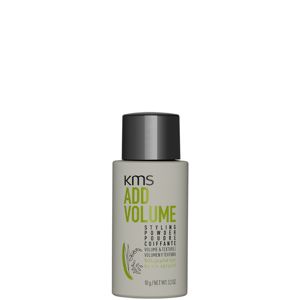
- KMS Add Volume Styling Powder — from €56.35. We can only confirm name, type and price from the feed here, so treat it as a premium-priced option to cross-check on value.
If powder feels too drying, but you still want lift
- L'Oréal Professionnel Tecni.Art Volumiser Spray, Rootlift Hair Volume Spray — from €16.96. A body-boosting root lift spray that promises a lightweight feel.
- Philip Kingsley Styling Maximizer Root Boosting Spray — from €11.50. Targets body and lift, plus hold and shine.
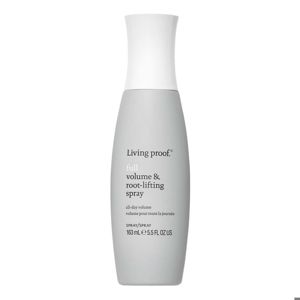
- Living proof. Full Volume And Root-Lifting Spray — from €33.00. Uses a blend of resins for strong yet flexible hold, with a natural finish.
If you want texture and separation (without powder)
- Oribe Dry Texturising Spray — from €25.00. Zeolite crystallines absorb oil at roots; positioned as an alternative to dry shampoo.
- Color Wow Style On Steroids Performance Enhancing Texture Spray — from €25.07. Non-sticky, transparent texturising to add grab and grit for styling.
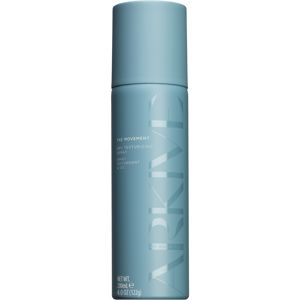
- ARKIVE Headcare The Movement Dry Texturizing Spray — from €12.88. We can confirm it’s a dry texturising spray from the feed; details beyond that aren’t provided here.
- Umberto Giannini Texture Boost Volumising Dry Texture Mist — from €10.29. Feed details don’t describe performance, so treat it as a budget texture mist to compare on price.
We’d also flag one pattern our tracker shows: premium sprays like Oribe can swing a lot between Irish stockists and UK sites that ship to Ireland. Always compare total cost with delivery before deciding.
Practical tips you can use today (without wrecking your hair)
Use the “two-day rule”. If you apply powder on day one, aim to cleanse by day two. That single habit prevents most build-up complaints we see in reviews.
Keep powder off irritated skin. If your scalp already feels sore, switch formats for a while. A foam or root spray can give lift without that gritty deposit. Living proof. Full Texturising Foam works on wet or dry hair, which helps you restyle without aggressive brushing.
Finally, don’t confuse “more matte” with “more volume”. Past a certain point, extra powder just makes hair feel coated. If you need hold, add one finishing layer instead, such as Oribe Thick Dry Finishing Spray (from €48.00), which targets density and dry hold.
Unrelated but worth saying: if you’re browsing other categories while you’re here, GlamGeek’s site structure splits hair care from makeup and skin care, so you can price-check without mixing product types.
Sign-off: decide if powder fits your routine
Hair styling powder can work brilliantly for quick volume, but it asks for a little discipline: light application, gentle handling, and regular cleansing.
What’s your main issue right now—roots that go flat, or a scalp that feels coated and itchy? That answer decides whether you should stick with a powder like Tecni.Art Super Dust or rotate in a spray or foam instead.